

Car washed or tree planted? VW offers eco-friendly alternative for conscious customers
Initiative in 150 concessionaires saved 19 million liters of water; 25% of customers have already adhered to the sustainable proposal in the after-sales
By
Tom Schuenk
Published on 2026-03-18 at 01:00 PM
Updated on 2026-04-09 at 11:03 AM
Published on 2026-03-18 at 01:00 PM
Updated on 2026-04-09 at 11:03 AM
Be the first to comment.
Summarize with:
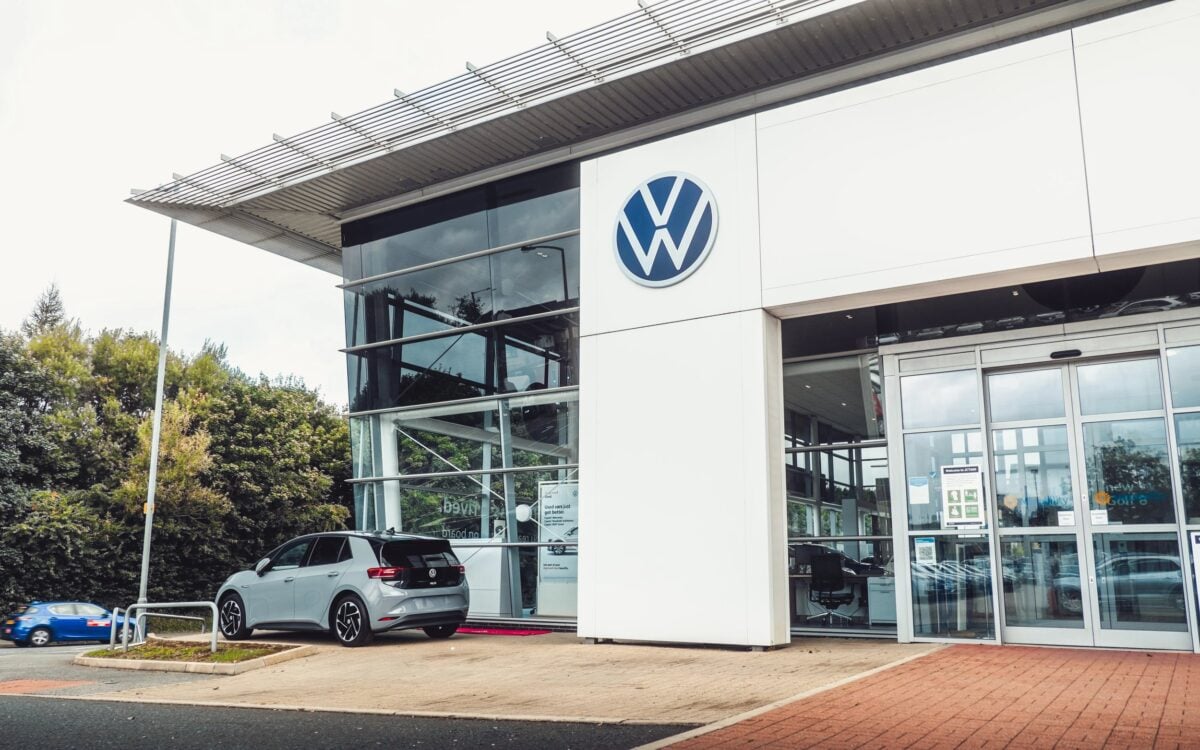
The Volkswagen Group has announced the expansion of a sustainable program in the United Kingdom that proposes an unusual exchange to its customers: instead of the traditional washing and vacuuming of the vehicle after the service, the owner can choose to plant a tree. The initiative, which already has the adhesion of one in four consumers, seeks to transform after-sales into an action with a direct environmental impact, replacing the consumption of water resources with reforestation projects.
The proposal has been expanded to more than 150 British dealerships and covers the Volkswagen, Audi, Škoda and Seat/Cupra brands. Carried out in collaboration with the Ecologi organization, the program has already made it possible to plant more than 45 thousand trees since January 2025. Practical results include an estimated saving of 19 million liters of water and the reduction of six metric tons of carbon emissions.
SEE ALSO:
- BYD will test electric cars at Galeão airport and aims to export 100,000 vehicles to Argentina and Mexico
- Regime coup: Israel claims to have destroyed Airbus A340 used by Iran’s president
- New in Brazil, CFMoto says that its stock of parts is sufficient not to leave customers in the lurch; Consortium sales start on the 20th
Sustainability as a loyalty tool
For Volkswagen, the strategy goes beyond environmental philanthropy and touches on market loyalty. Company data indicate that the aftermarket sector globally consumes about 750 million liters of water per year in complimentary washes alone. Reducing this volume is a crucial step within the goTOzero global strategy, which aims to mitigate the ecological footprint of all the group’s operations by 2050.
According to Jaspal Toor, the brand’s manager in the UK, consumer behavior has changed dramatically. Internal research reveals that 86% of customers would be willing to switch to a competitor that offers greener maintenance options. By allowing the driver to choose the destination of the resource – the aesthetics of the car or the environment – the automaker strengthens its institutional image before a public that prioritizes this conscious consumption.
SEE MORE ABOUT

0 Comments
Comments are the sole responsibility of their authors and do not represent the opinion of this site. Comments containing profanity or offensive language will not be published. If you identify anything that violates the terms of use, please report it.