Technology presented by the Japanese brand wants to transform electric vehicles into independent energy generators thanks to roof plates
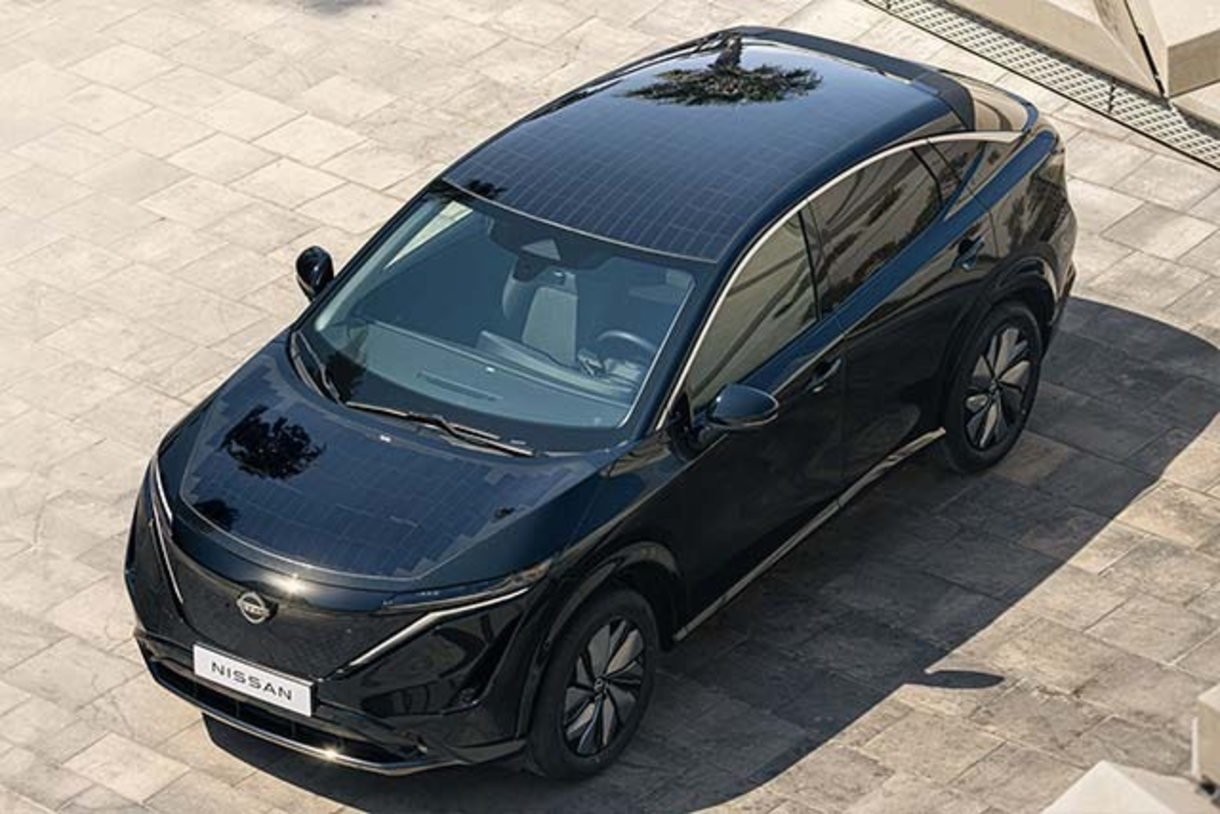
Nissan has unveiled a prototype version of the Ariya SUV that tests the frontiers of electric vehicles by integrating solar power generation directly into the body. Developed in collaboration with the Dutch company Lightyear — a specialist in photovoltaic technology — the project was born in the brand’s engineering centers in the United Arab Emirates and Spain. The aim is to reduce dependence on charging infrastructure, allowing the vehicle to passively regain autonomy while parked or moving under the sun.
SEE ALSO:
The SUV uses 3.8 m² of high-efficiency photovoltaic panels, composed of a mixture of polymer and glass. Strategically placed on the roof, bonnet and tailgate, the cells capture sunlight, which is converted into direct current energy by an advanced controller. According to Nissan, the effectiveness of the system varies drastically by geography. Under ideal radiation conditions, the system adds up to 23 km of daily range.
The tests show different results according to latitude:
Even on short trips of 80 km in bright light, the vehicle is capable of generating 0.5 kWh, ensuring about 3 km
The central benefit of the technology is the drastic reduction in the frequency of external recharges. Depending on the solar incidence and the driver’s profile, the need to visit charging stations can drop by up to 65%.
For Nissan, the concept signals an important shift: the car is no longer just a consumer of electricity to become an autonomous generator. Although still in the experimental stage, Ariya solar points to a viable solution in regions where the public power grid is still limited.



