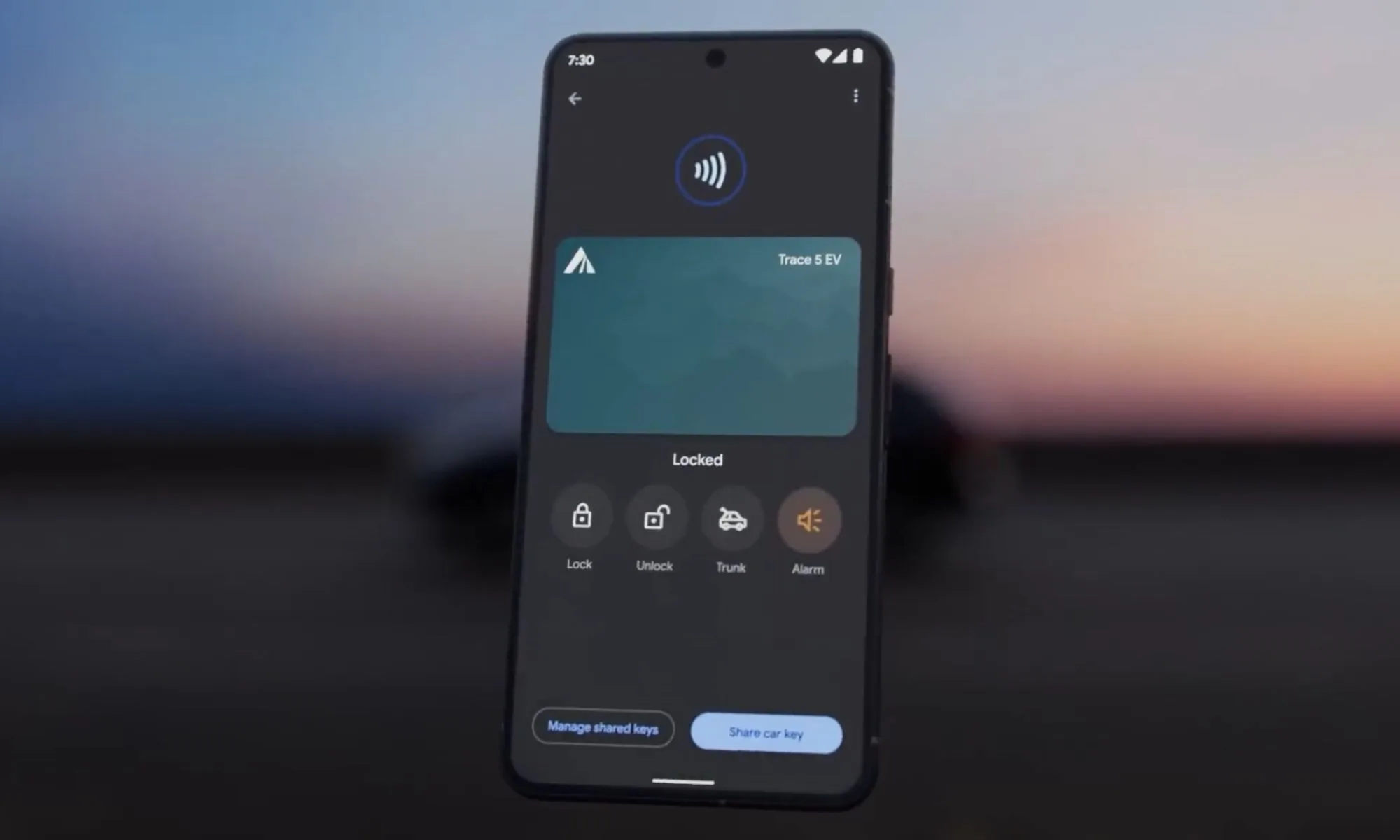
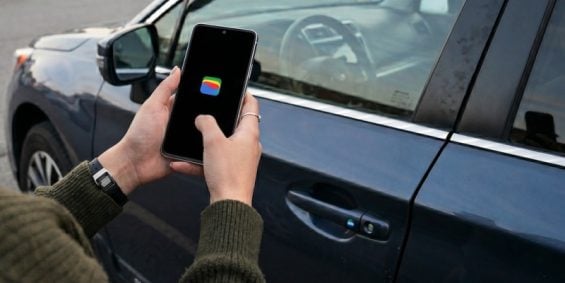
Google has started distributing an update to Play Services that expands vehicle owners’ control over the sharing of their digital keys — a function that allows them to use their cell phone to access the car. With the new features linked to the Google Wallet app, drivers gain the ability to impose mechanical and comfort restrictions when lending the car to third parties. Now, it is possible to limit parameters such as the maximum speed reached and the volume of the sound system directly from the smartphone screen. The novelty is part of the May 2026 package and is being gradually released to users of the Android system.
In addition to the improvement in vehicle safety management, the update package implements a visual overhaul of the Play Store interface, aligning the app store with the company’s latest design standards.
The great asset of the update focuses on the refinement of access permissions. Previously, sharing the digital key meant granting full control of the machine to the guest driver. From now on, when sending the authorization through the platform, the owner must categorize the driver with different levels of access. The system offers profile options, ranging from co-ownership, ensuring unrestricted use, to strictly limited access for guests or valet services.
Through this hierarchy of use, the car owner starts to restrict functions remotely. The functionality serves in a practical way, for example, families that share the same vehicle, allowing you to limit the acceleration curve or block the maximum volume of the radio for newly qualified drivers.
The entire key release flow is secured and requires fingerprint validation of the smartphone holder. After biometric confirmation, the application generates a secure code that the recipient uses to enable access, in a process that can even be forwarded by messaging applications. The Play Services update also improves communication with smart watches equipped with Wear OS, optimizing door unlocking from wearable devices.
Comments are the sole responsibility of their authors and do not represent the opinion of this site. Comments containing profanity or offensive language will not be published. If you identify anything that violates the terms of use, please report it.