Ergonomics are often left aside by drivers, but certain adjustments actually improve driving and increase safety
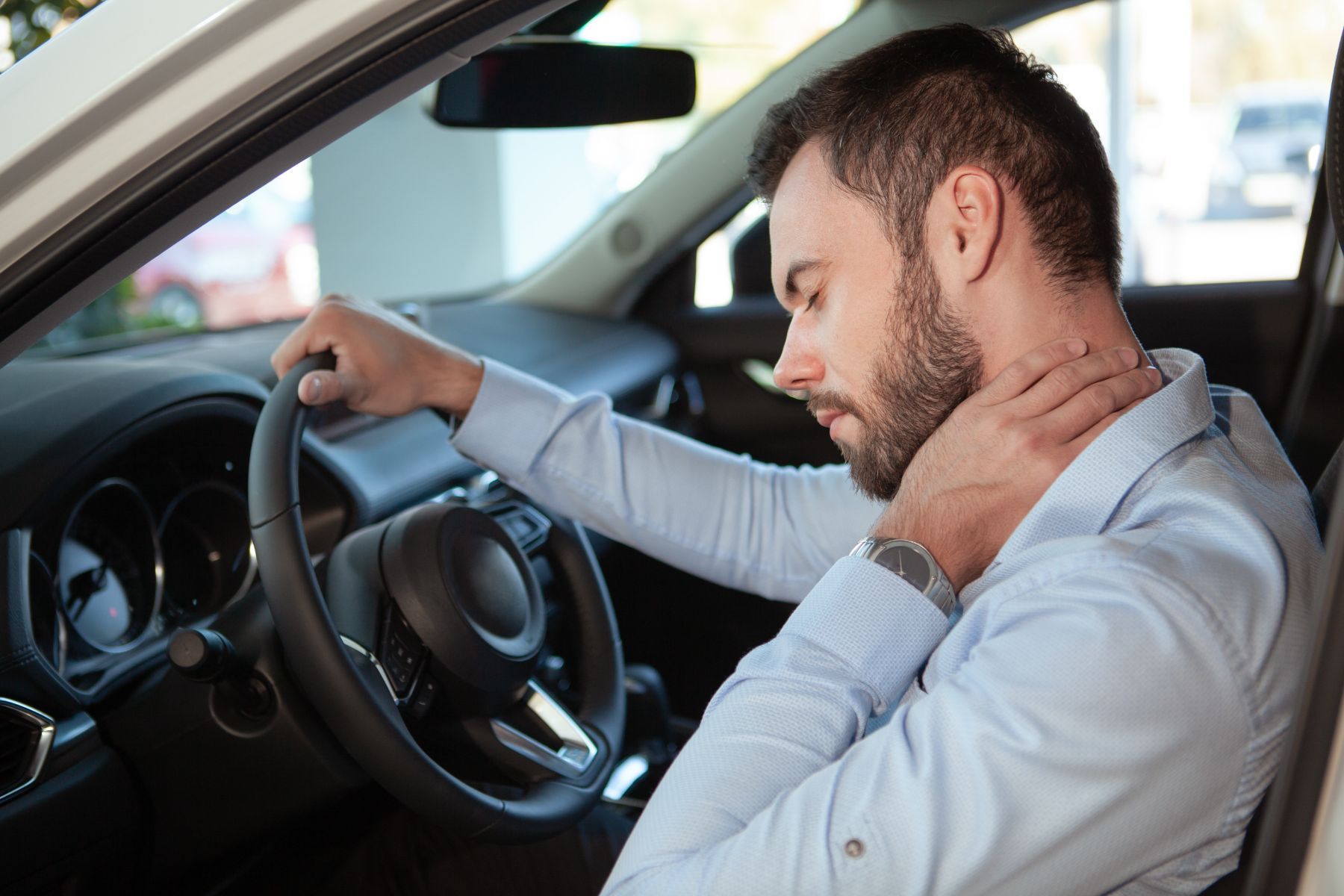
Contrary to what many drivers think, traffic safety is not only about traffic laws or the behavior of people on the road, but is also influenced by the way the driver behaves inside the vehicle. Driving safely goes beyond the experience behind the wheel or quick reflexes, as ergonomics can be a great differential and save lives.
Correct posture is an essential factor to ensure comfort, reduce physical wear and increase reaction capacity, both in urban traffic and on long trips. Simple corrections directly contribute to expanding the field of vision, reducing fatigue and preparing the driver to deal with unforeseen events.
SEE ALSO:
There are some positions that impair ergonomics and do not favor steering, such as:
All of this can cause muscle tension, pain, and discomfort. These factors increase the level of distraction behind the wheel, compromising the driver’s attention.
In addition, the incorrect position affects response time in emergency situations and can reduce the efficiency of safety devices, such as seat belts and airbags. In practice, driving with bad posture is equivalent to driving with less control of the vehicle.
Fatigue behind the wheel is not only related to sleep, as inadequate postures, such as tense shoulders and stretched legs, increase physical wear and reduce the ability to concentrate. With a correct ergonomic position, the driver drives more comfortably, reduces stress and stays focused on traffic conditions.
Properly adjusting the seat, steering wheel, and mirrors takes less than a minute, but it makes a significant difference in safety. Incorporating this care into the routine before starting any journey contributes to more efficient and safer driving.
Check out how to adjust each part of the vehicle’s cabin to have the best possible configuration:
The seat adjustment is the basis for safe driving. The distance should allow the driver to fully press the pedals without fully stretching their legs, keeping their knees slightly bent.
The backrest needs to fully support the back, and while leaner positions may feel comfortable, they reduce vehicle control and increase fatigue over time. The height of the seat, on the other hand, should provide a good view of the dashboard and the road, allowing you to see properly over the hood and reducing the overload in the neck region.
The position of the arms also directly influences driving. The ideal is to keep your elbows slightly bent when holding the steering wheel, preventing them from being fully stretched.
A practical way to check the correct distance is to rest the grips on the top of the steering wheel without taking the back off the backrest. If movement is possible, the adjustment is appropriate. This configuration favors faster responses in emergency maneuvers, such as swerving or sudden braking.
The correct positioning of the mirrors is essential for accident prevention. The interior mirror should frame as much of the rear window as possible.
In the side mirrors, the adjustment should minimize blind spots. The recommendation is to position them so that only a small part of the side of the vehicle is visible, expanding the field of vision and reducing the need for constant head movements during lane changes.
Often underestimated, the headrest plays an essential role in protecting the driver. It should be adjusted at the height of the center of the head, not the neck. In rear-end collisions, this positioning helps to avoid serious cervical injuries, common in impact situations, such as pileups.
Wearing your seat belt correctly involves more than just buckling it. The upper band should pass through the center of the shoulder, over the collarbone, crossing the chest. If it is too high, it can cause discomfort or reach the neck; if it is low, it can lose effectiveness in the event of an impact.
The lower part should be supported on the hip bones, never on the abdomen. When properly adjusted, the belt acts in conjunction with the airbags and contributes to keeping the body stable, increasing control while driving.
In prolonged commutes, the recommendation is to take breaks every two hours for about 10 minutes. During this interval, it is important to stretch your arms and legs to stimulate blood circulation.
Sitting for long periods reduces blood flow, especially in the legs, and can cause swelling, tingling, and discomfort. Stretching helps prevent muscle strains, contractures, and lower back pain, as well as contributing to overall well-being during the trip.



