Senacon asked CADE to investigate the situation; a barrel of oil varied almost US$ 30 over the course of last Tuesday (10)
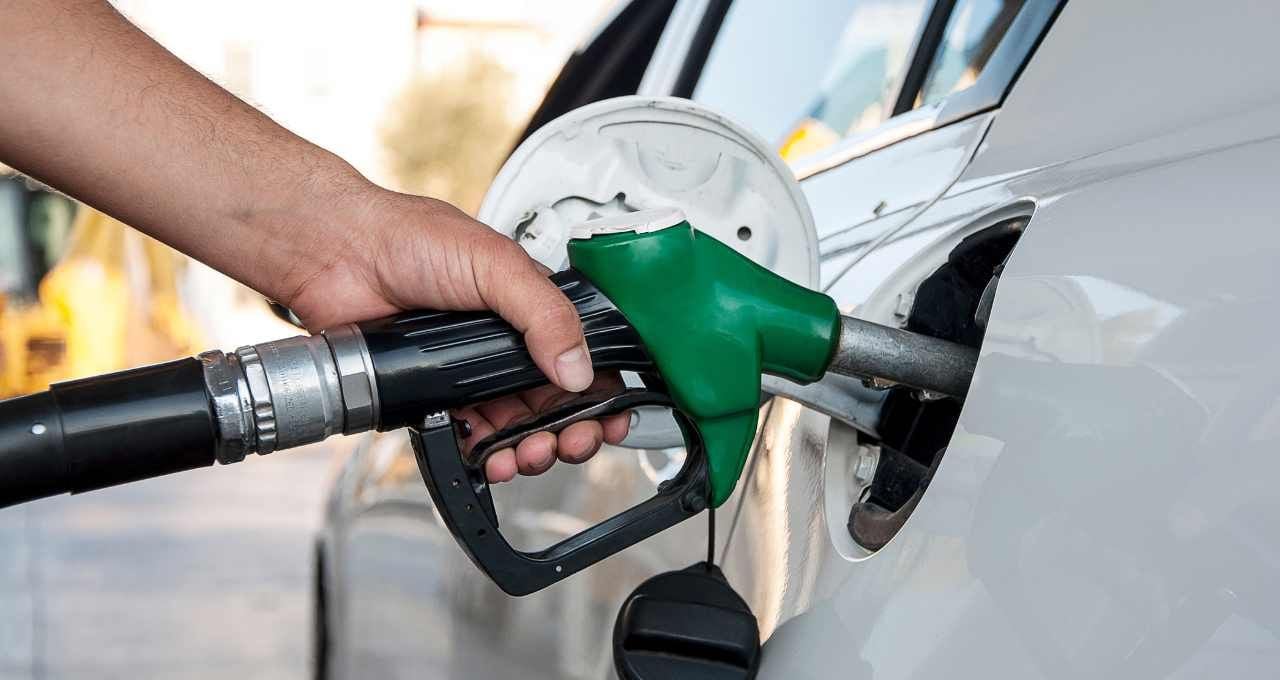
Gasoline and diesel prices skyrocketed in the Brazilian territory this past Tuesday (10). The motivation would be the war in the Middle East, which mainly involves Iran, Israel and also the United States, since the region concentrates about 40% of all world oil.
On the other hand, there are disputes about this variation, since Petrobras has not yet increased the price of fuels at the exit of the refiners. The government is investigating this price gap in the transfer of gasoline and diesel, which increased by up to R$ 0.30 and R$ 1.00 per liter, respectively.
SEE ALSO:
On the world stage, the barrel of Brent varied between US$ 91.32 and just under US$ 120, throughout the day, and closed at US$ 98.96. This Wednesday, prices fall back to the $90 range.
Even with the variation, no increase in the price of gasoline or diesel was announced by Petrobras. The company guarantees that it is possible to reduce the effects of global inflation as a result of the rise in oil prices, all because of its commercial strategy and the “better refining and logistics conditions”.
In the midst of this, the National Consumer Secretariat (Senacon) requested the Administrative Council for Economic Defense (CADE) to carry out an analysis to verify whether there are indications of practices that may constitute an infringement of the economic order.
According to Minaspetro (Union of Retail Trade of Petroleum Derivatives in the State of Minas Gerais), resellers would be refusing to sell products or offering fuel at prices considered exorbitant, which makes the purchase unfeasible. This lack of fuel could be one of the reasons for the sudden increase in the price of gasoline and other fuels.
The president of the Minaspetro Union, Fábio Moreira, explains that today Brazil is not self-sufficient and, therefore, the foreign market influences national prices.
“Brazil, today, is not self-sufficient in refining. So, 30% of diesel is imported and, in the case of gasoline, it is 10%”, he says.
The representative also points out that the owners of the stations are also paying high prices for the purchase of fuel. He explains that the owners of gas stations, in their daily quotations, are finding prices higher than those practiced at the pump in the distributors.
“At this moment, what is no use is for us to blame the owner of the gas station for the high prices,” complains Moreira
Despite everything, Moreira calms the citizen by stating that, even with the possibility of a drop in the amount of fuel, there is no forecast of a complete shortage, as happened in the truckers’ strike in 2018.



