From niche to phenomenon: road bikes reconquer Brazil by combining technology, great races and a strong sense of community among cyclists
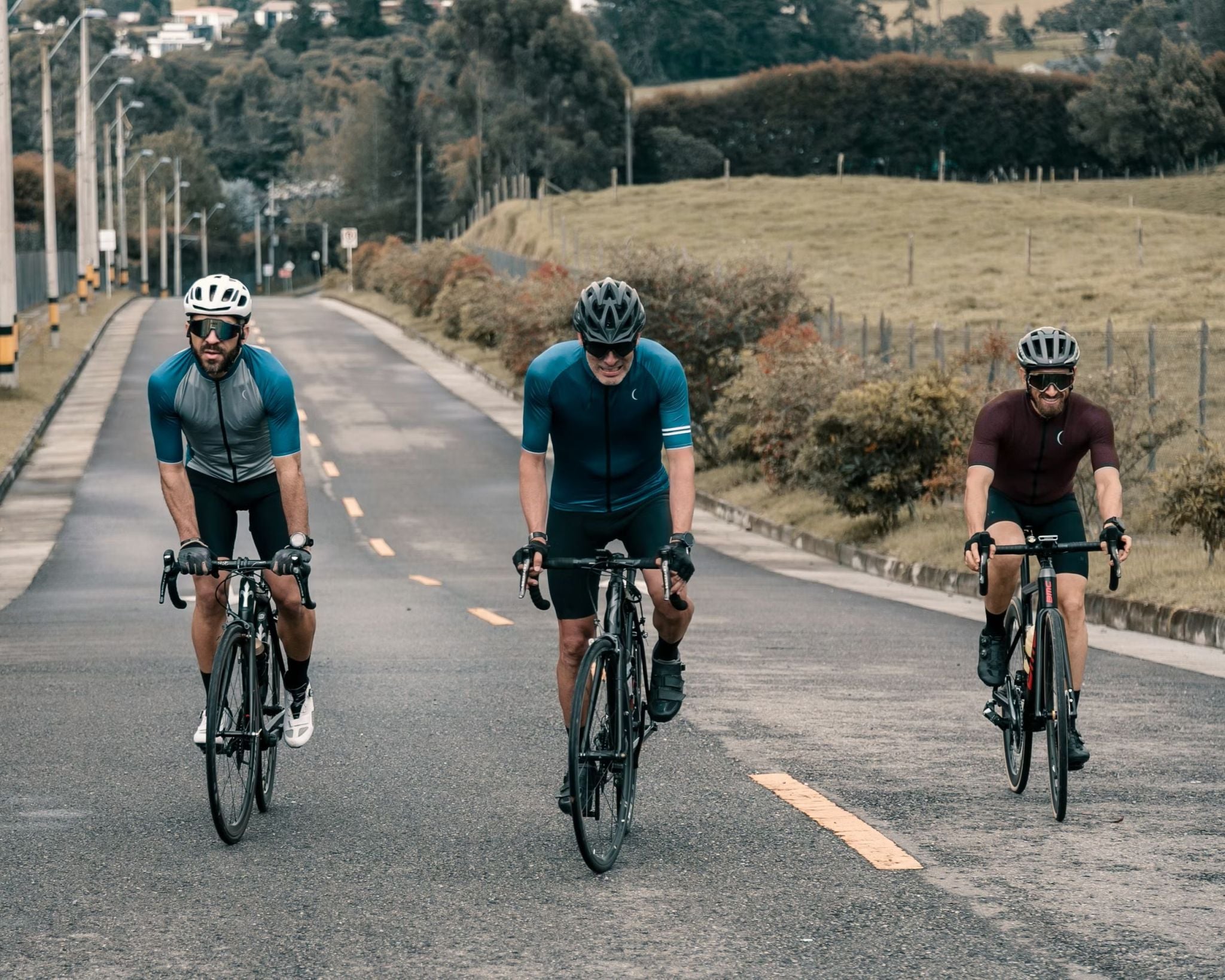
Road cycling (practiced with the so-called road bikes) is experiencing a moment of strong renewal in Brazil. After years in which mountain biking dominated the national cycling scene, in recent times the road bike has gained space again, attracting both novices and veterans of the pedal. But what explains this movement? Why does a vehicle that, for decades, was seen as a niche sport now regain relevance?
To answer these questions, it is necessary to look at a series of factors ranging from market data and consumer trends to sports culture, behavior on social networks, evolution of technology and the growth of events and communities linked to road cycling.
International market reports and sports behavior analyses indicate that road cycling has regained economic and cultural relevance in recent years. In Brazil, industry experts and global surveys point out that road bikes have expanded their market share, driven by the growth of the sport, the search for performance and greater visibility on social networks and at sporting events.
This trend appears most clearly in private market studies and global sports practice reports, such as those released annually by Strava, which show a consistent increase in activities recorded in road cycling.
Social networks and sports tracking platforms had a direct impact on this wave of growth. An example of this is the annual report released by the Strava platform, which gathers data from millions of cycling activities around the world.
In the 2025 Annual Sports Trends Report, Strava highlighted that cycling was one of the modalities with the highest record of activities among its users, with growth in clubs, routes and engagement in various pedaling disciplines, including road, trails and urban cycling.
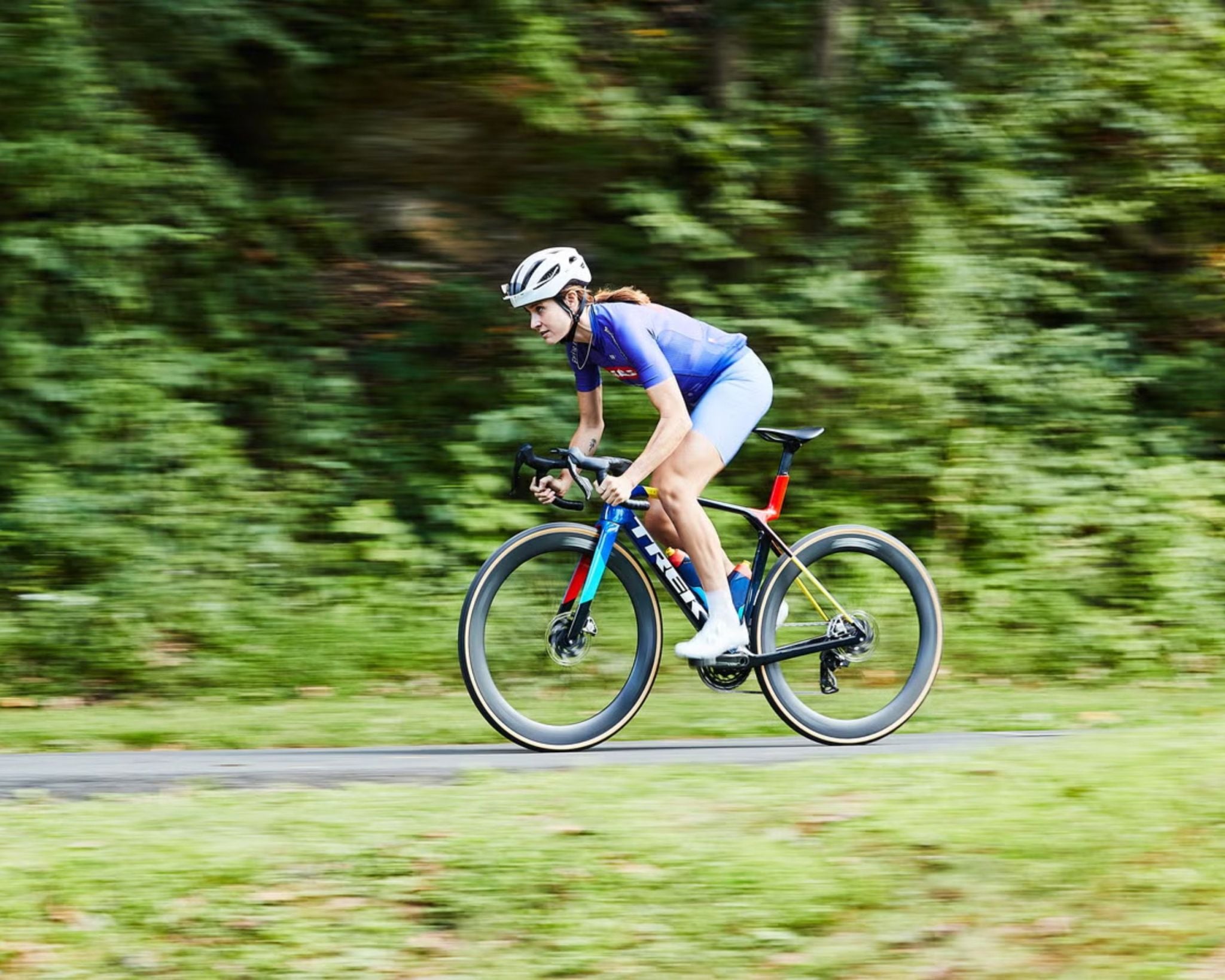
This type of analysis not only confirms an increase in road bike use, but also reflects the community and motivational phenomenon that accompanies cycling: many athletes, amateurs, and everyday users share routes, times, and challenges, inspiring others to get started in the sport.
On social media, hashtags such as #roadbike and #ciclismo frequently appear in posts that value travel, landscapes and lifestyle linked to road cycling, a narrative that has a strong visual appeal and reinforces adherence to the sport.
An important cultural aspect of the growth of road cycling in Brazil is the expansion and professionalization of cycling events dedicated to the segment. Races such as the L’Étape Series by Tour de France, Giro d’Italia Ride Like a Pro Brasil and other regional competitions have been gaining audiences and media attention, expanding the sport’s reach outside the exclusive circles of professional athletes.
In addition, the expanded coverage of major international events, such as the Tour de France, also has a cultural impact: the transmission of these events to the Brazilian public helps to consolidate icons and heroes of the sport and makes many amateur cyclists feel represented and inspired to try the sport.
This cultural effect creates a virtuous cycle: the more visibility and structure the competitions have, the more people are interested in road bikes and this is reflected in more sales, training groups, cycling clubs and communities dedicated to the sport.
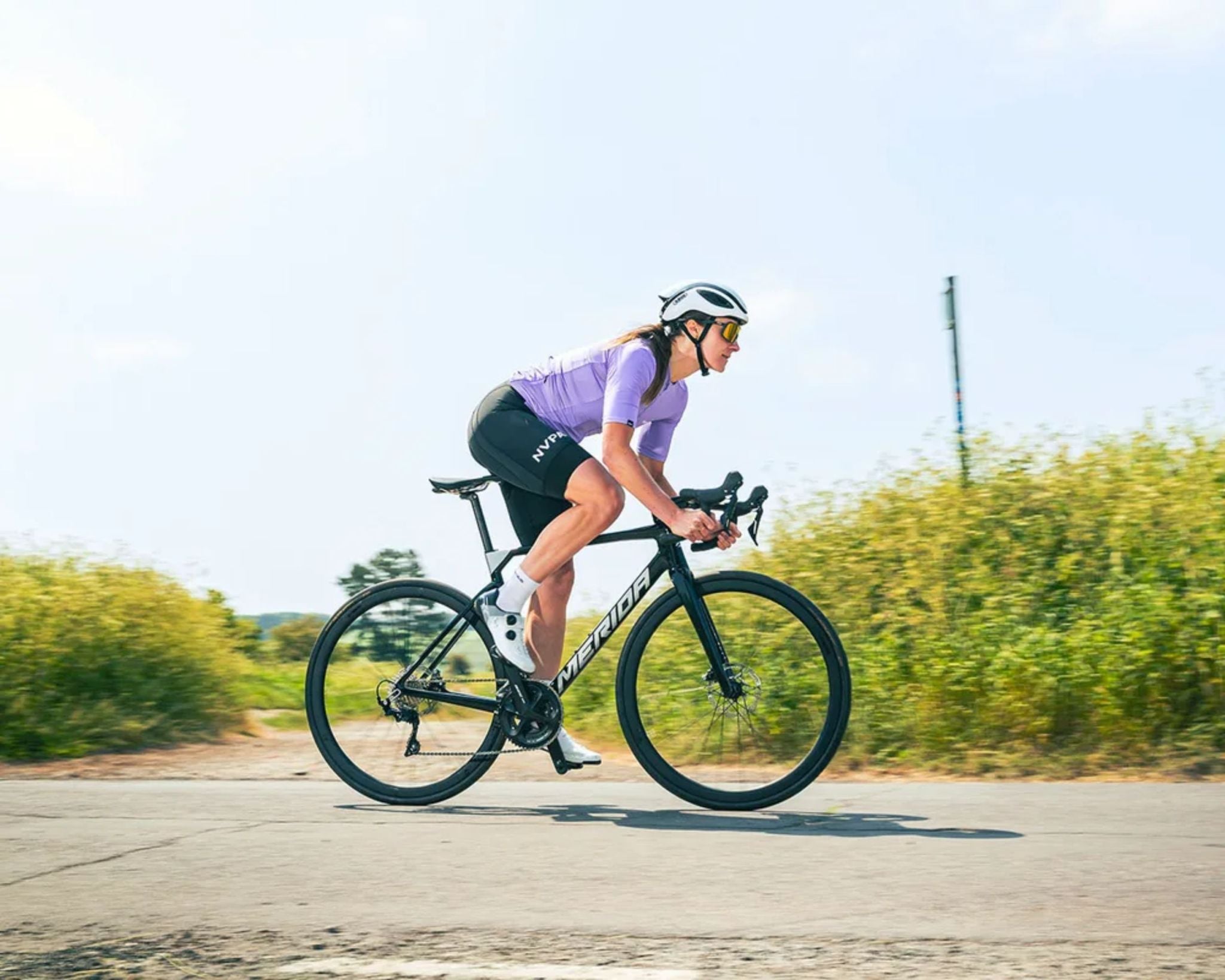
Each year, surveys around the world point to a growing awareness of the benefits of physical exercise for physical and mental health. Cycling on the road is one of the practices that most combine cardiovascular exercise with pleasure, external scenery and a feeling of freedom.
This “wellness” component has gained even more importance in recent years, especially after the COVID-19 pandemic, when many people started to seek outdoor activities and ways to stay active outside of gyms and closed spaces.
Unlike other sporting activities (which may require specific facilities), road cycling allows the practitioner to explore the environment around them, challenge their personal limits and achieve their own performance goals. This aspect of self-improvement is an important motivational factor for the growth of interest in road bikes.
In practice, much of the growth of road cycling in Brazil does not happen in isolation. It is driven by cycling communities and groups, whether they are organized in local clubs or spontaneous initiatives of cyclists who come together on weekends to ride.
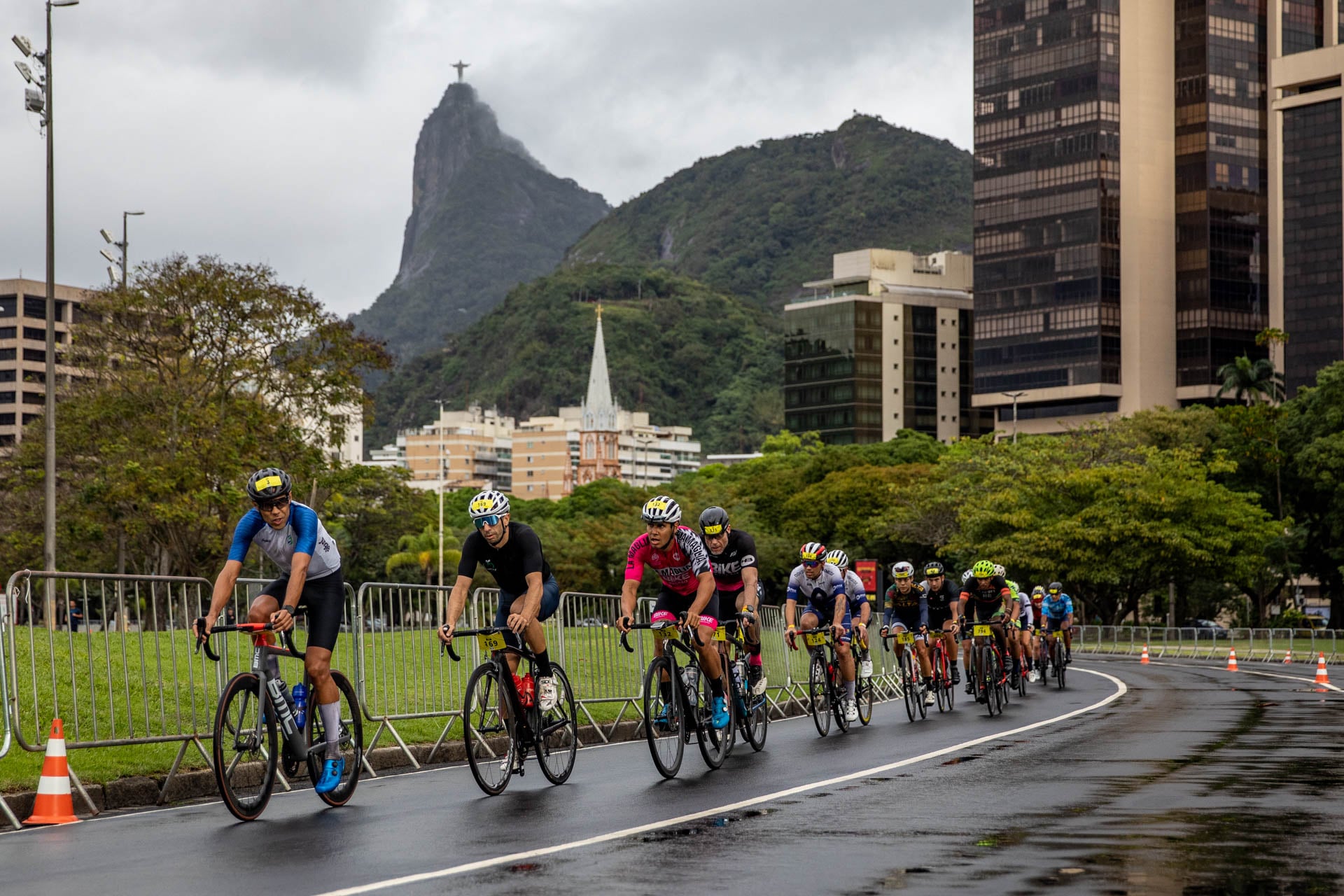
This type of informal organization encourages the inclusion of new participants, who come to the sport motivated by friends, family or even by invitations on social networks and apps. The feeling of belonging to a group, with shared challenges, events, and experiences, is a strong emotional motivator.
The return of interest in road bikes in Brazil is not the result of a single isolated factor, but rather a combination of market trends, sports culture, technology, social networks and desire for well-being.
The road bike segment benefits from the economic expansion of the Brazilian cycling market, the appreciation of physical outdoor experiences, the cultural diffusion of major events, and the creation of engaging communities that invite new cyclists to try road pedaling.
For those outside the pedaling universe, this growth may seem like just a momentary fad, but the data, market behavior, and culture involved suggest something deeper: road cycling has returned to be part of the lives of many Brazilians, whether as a sport, hobby, or lifestyle.



