Cycling leaves the numbers aside to focus on well-being. Research indicates that riding for pleasure relieves stress and ensures consistency
For a long time, cycling was associated with numbers. Average speed, power, mileage, climb time. Metrics that make sense (especially for athletes) but don’t tell the whole story.
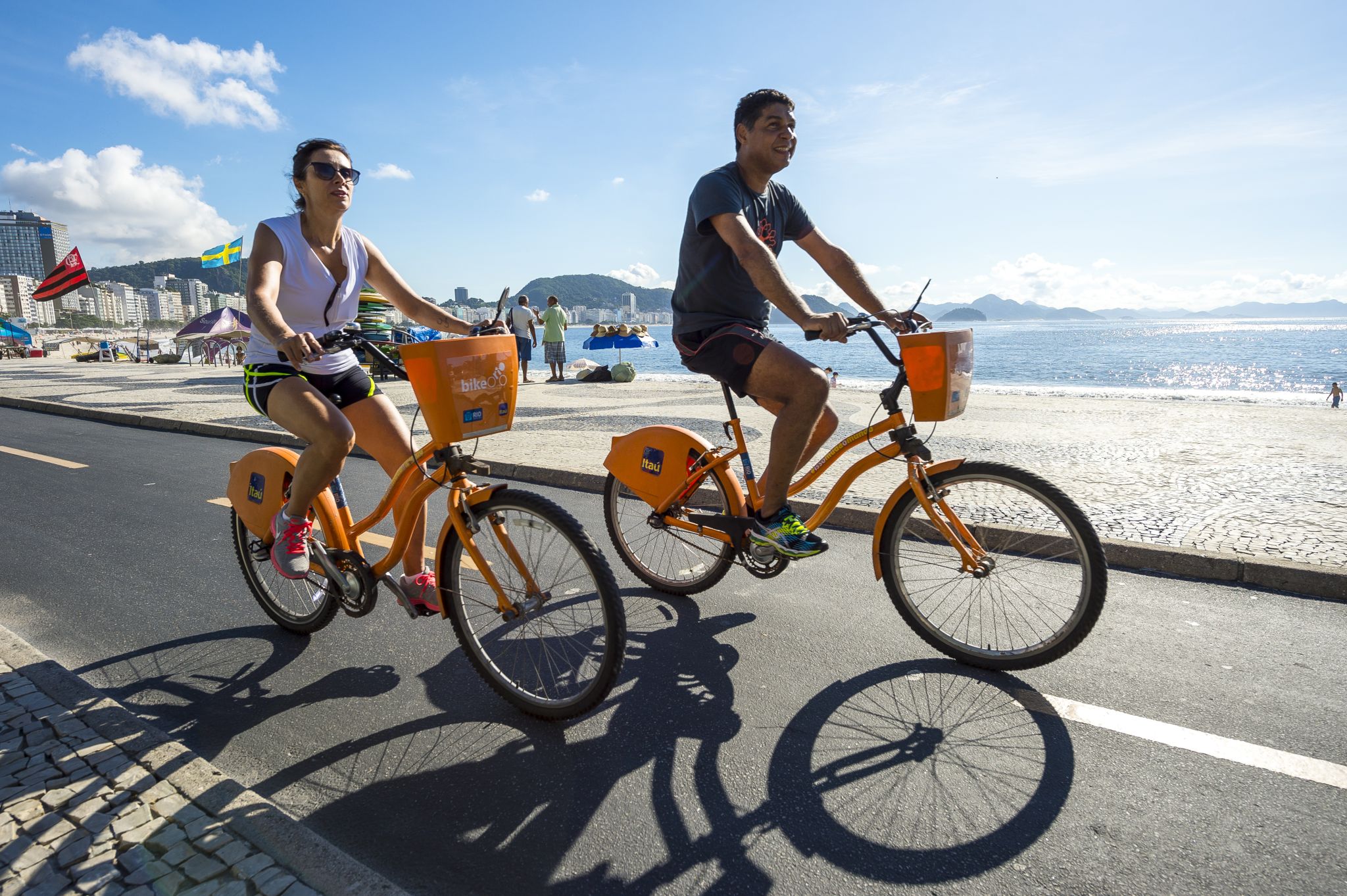
In recent years, a quiet shift has been taking place. More and more people are riding without worrying about performance, without rigid goals and, often, without any competitive intention. They pedal for pleasure.
SEE ALSO:
It may seem simple, but this change reveals something important: cycling is no longer seen only as a sport and consolidating itself as an experience of well-being, freedom and connection. And perhaps this is exactly what explains why so many people are getting on the bike.
For decades, the most common way to measure physical activity was based on intensity: time, effort, calories burned. But recent research shows that this is not the only (and perhaps not even the main) reason why people stay active.
Studies on behavior in physical activities indicate that pleasure and intrinsic motivation are decisive factors for continuity. When the activity is experienced as an obligation or a demand, the tendency to abandon increases.
A scientific review published on the PubMed Central platform shows that cycling is associated not only with physical benefits, but also with psychological well-being, reduced stress, and increased quality of life.
More than that: the study points out that activities such as cycling are often practiced for reasons such as relaxation, pleasure and a sense of freedom and not just for physical conditioning.
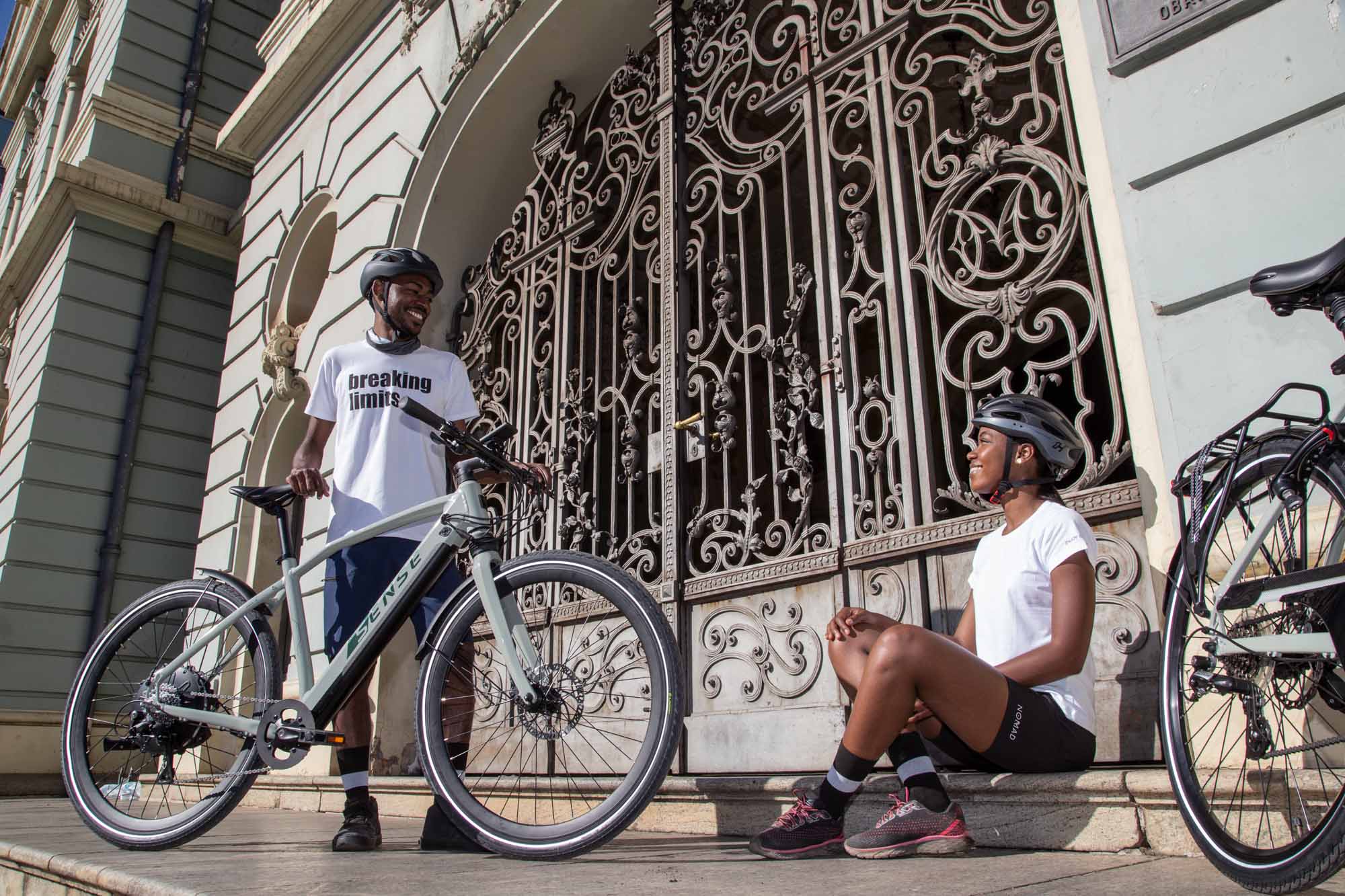
In a fast-paced, hyper-connected, and increasingly urban world, the bicycle offers something rare: a breathing space.
Science has already shown that regular physical activity is associated with reducing symptoms of anxiety and depression. In the case of cycling, this effect takes on an additional dimension because it often takes place outdoors.
Studies indicate that cycling is related to:
In addition, research shows that activities done in free time, without obligation or charge, tend to generate even stronger mental benefits than those performed with a focus on performance.
In other words: when pedaling stops being training and becomes an experience, the impact goes beyond the physical.
There is an element that is difficult to measure, but easy to feel: freedom. Pedaling allows you to choose the path, the rhythm, the duration. It can be alone or in a group. It can be fast or slow. It can be in the city, on the road or on the trail.
This flexibility makes the bicycle something rare in the sports universe: an activity that completely adapts to the life of those who pedal. Research on behavior shows that activities that provide autonomy and a sense of control tend to be more sustainable over time.
In cycling, this appears in the simple fact of being able to leave home without a defined route, stop whenever you want, explore new paths or just repeat your favorite route.
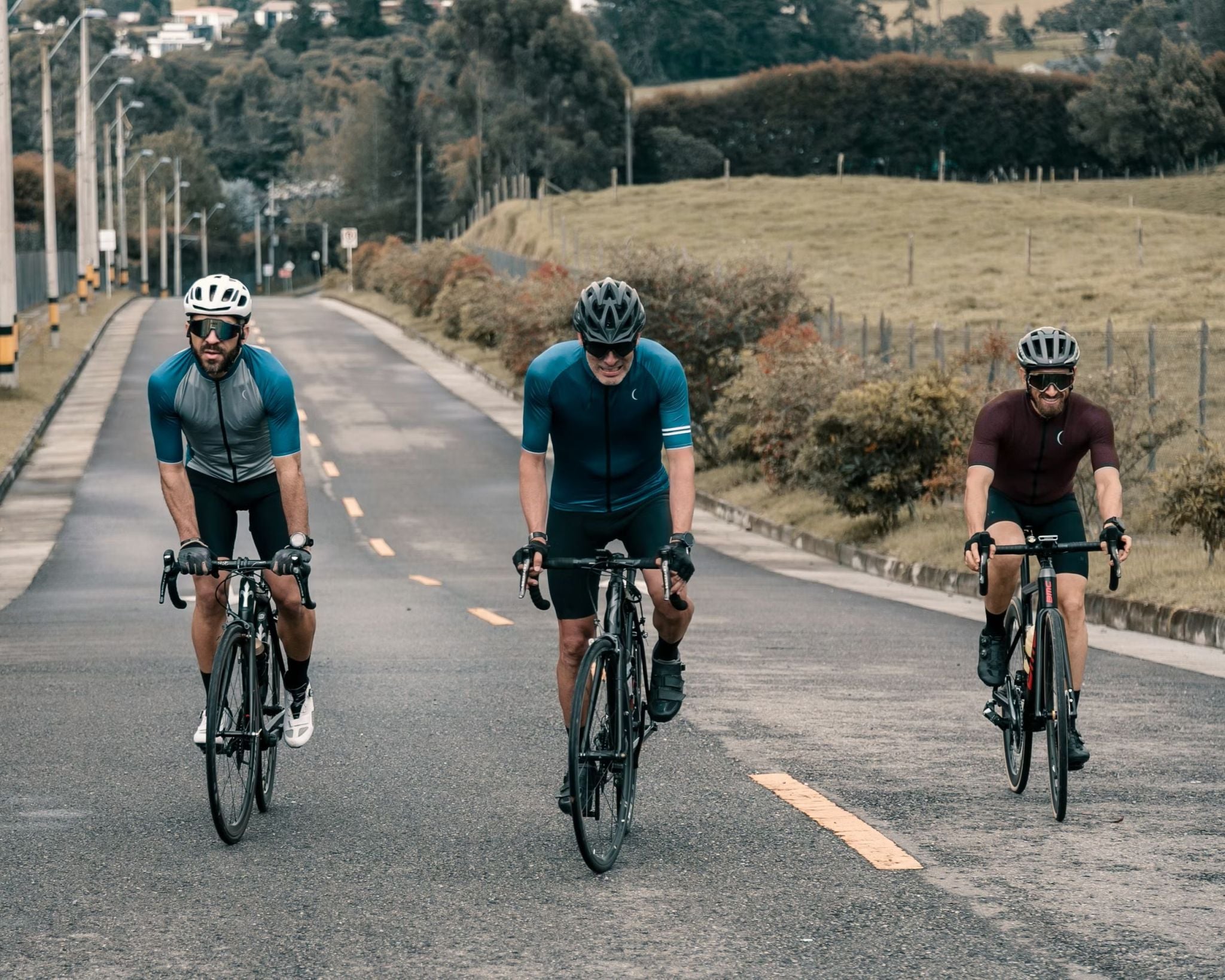
There is a key point that helps explain this phenomenon: people do not stay in activities they do not like. It may seem obvious, but this is one of the biggest barriers to regular physical exercise.
According to studies on adherence to physical activity, the greatest potential for health gains is not in making those who already train more, but in getting more people to start and stay active. And pleasure plays a central role in this. When cycling is experienced as an obligation, whether for goals, aesthetic pressure or comparison with others, it tends to become unsustainable.
But when it becomes a moment of escape, leisure or connection, it naturally fits into the routine.
Another important factor is the social dimension of the pedal. Unlike many team sports, cycling allows for different levels of interaction. It is possible to ride alone, in pairs or in large groups without the need for competition. This creates a more inclusive environment.
Research indicates that cycling also contributes to the construction of social networks and a sense of community, factors that directly impact mental well-being. At the same time, it maintains the possibility of introspection, something increasingly valued.
Perhaps one of the most interesting changes is the way people are reinterpreting physical exercise. Instead of thinking about “training”, many people started to look for activities that make sense in their daily lives.
In this context, cycling stands out for being:
And, mainly, because it allows movement to happen in an almost “natural” way. Recent research points out that many people ride with goals such as relaxing, reducing stress, and simply enjoying the moment.
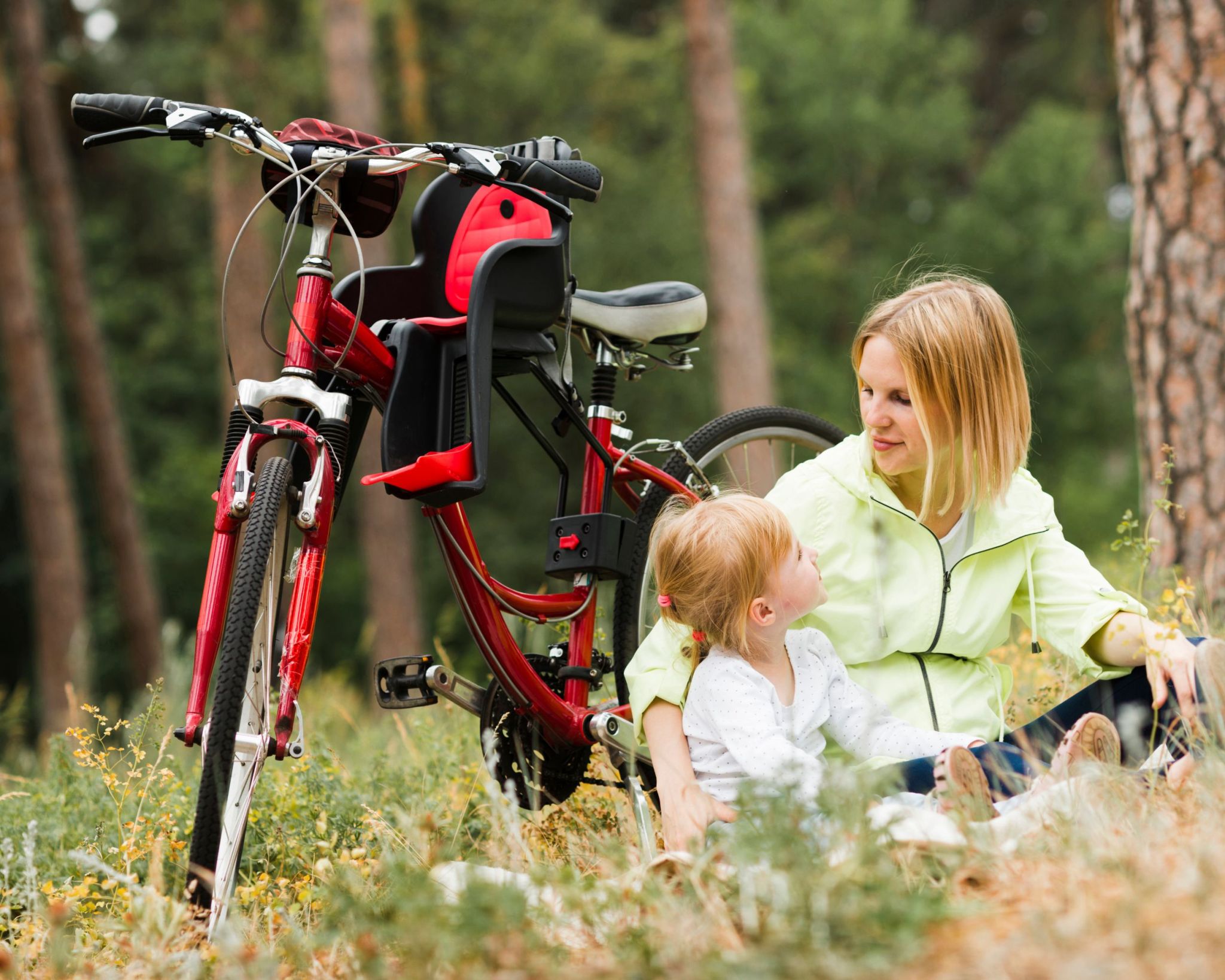
This transformation also broadens the profile of those who pedal. Not every cyclist wants to compete. Not every pedal needs to become training. Not every output needs to be recorded, measured, or compared. By reducing the pressure for performance, cycling becomes more accessible to:
This change helps break down an important barrier: the idea that you need to “be prepared” to start. In practice, it is often enough to pedal.
In the end, the growth of “non-performance” cycling may say more about the current moment than about the sport itself. We live in a context of excess of stimuli, demands and speed.
The bike offers the opposite:
Perhaps the greatest merit of cycling is precisely this: it does not require a specific goal. You can ride to compete or not. To train or not. To improve performance or not. But you can simply pedal because it’s good. And, in the end, perhaps this is the real starting point.
The information on the physical and mental benefits of cycling is based on scientific reviews published on platforms such as PubMed Central, which point to an association between the practice of cycling and stress reduction, improved quality of life and psychological well-being. Studies on physical activity behavior also indicate that pleasure and intrinsic motivation are determining factors for adherence and continuity of practice, especially in activities performed in free time.



