The main category of motorsport will start using a synthetic fuel from the current season, along with more economical engines
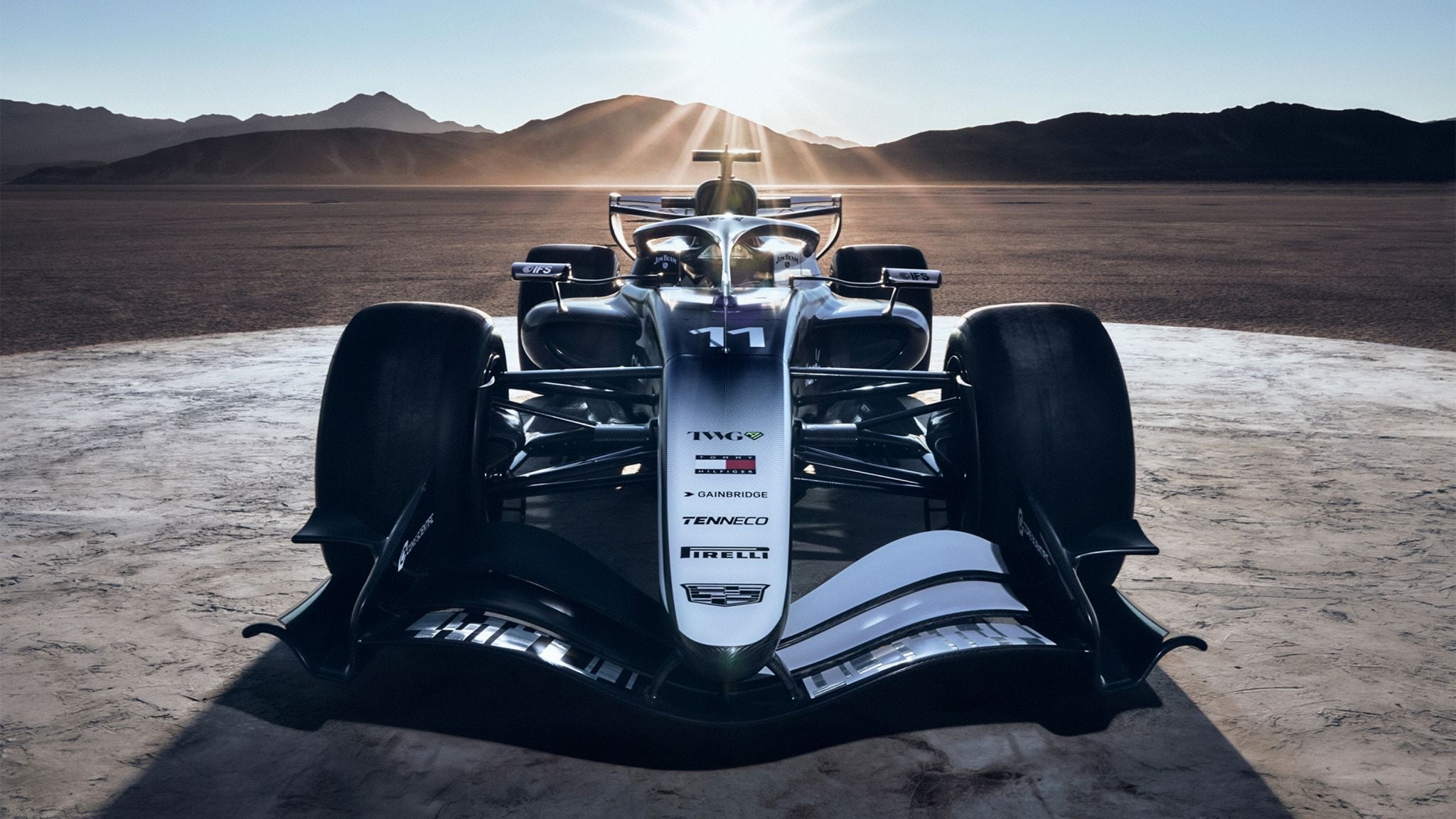
The 2026 Formula 1 season will have news on the grid and behind the scenes. The Audi and Cadillac teams will already debut using the new sustainable fuel, which is part of the category’s decarbonization plan.
This fuel produced by the oil company Aramco will be used in the new engines, Formula 1 has also changed the regulations on this part. The promise is to be more reliable and economical than the previous ones, with a more present hybrid system.
SEE ALSO:
According to F1, the new sustainable fuel is obtained by capturing carbon dioxide (CO2) from the atmosphere, garbage, biomass or a mixture of these sources. The production does not involve the use of oil or derivatives.
This synthetic fuel is produced in the laboratory and requires a lot of energy during the process. Formula 1 guarantees that all electricity used is from renewable sources.
The result is a fuel close to gasoline, so much so that it was tested in classic F1 cars such as Nigel Mansell’s Williams FW14B and Ayrton Senna’s McLaren MP4/8. It was tested for the last three years by Formula 2 and 3 before reaching the premier category, with no negative impact on performance.
Formula 1’s proposal is to be carbon neutral by 2030. The use of synthetic fuel and hybrid cars are just the first steps.
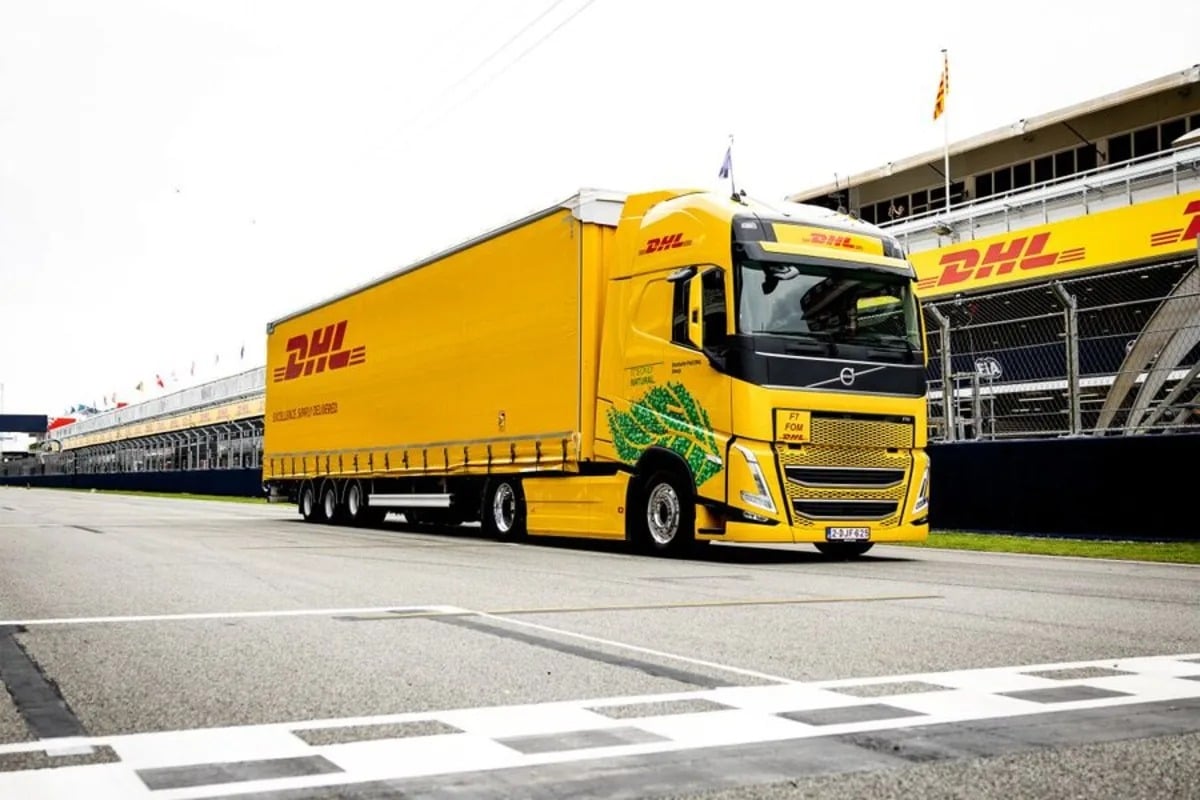
In the part of the season where the races are held in Europe, the transport of cars and infrastructure is done with trucks. The DHL carrier, responsible for this, started to use biodiesel in heavy trucks to reduce emissions by 83%.
Another change was to change the date of the Japanese GP to be close to the other races held in Asia, reducing the number of flights during the season. Category logistics is responsible for two-thirds of carbon emissions.

Brazil was a pioneer when it comes to the use of renewable fuels in competition. Stock Car started to adopt ethanol in 1979, not to be sustainable, but because of the oil crisis.
The fuel derived from sugarcane was cheaper and had a higher octane rating, allowing the use of a high compression ratio. Other national competitions made the same change for cost reasons.
Currently, Stock Car uses Petrobras’ carbon-neutral Podium gasoline. It is derived from oil, but its emissions are offset by carbon credits.
Brazilian ethanol, extracted from sugarcane and supplied by Shell, is used by Formula Indy. Nascar and the Australian Supercars Championship also adopt this vegetable fuel.
Currently, the main categories of motorsport are looking for synthetic or renewable fuels. It seems to be the right path given the lack of interest in categories with 100% electric vehicles.



