Named Flying Brick, the flying brick won the European and German touring car championships in 1985 and showed that the Swedish was more than safety
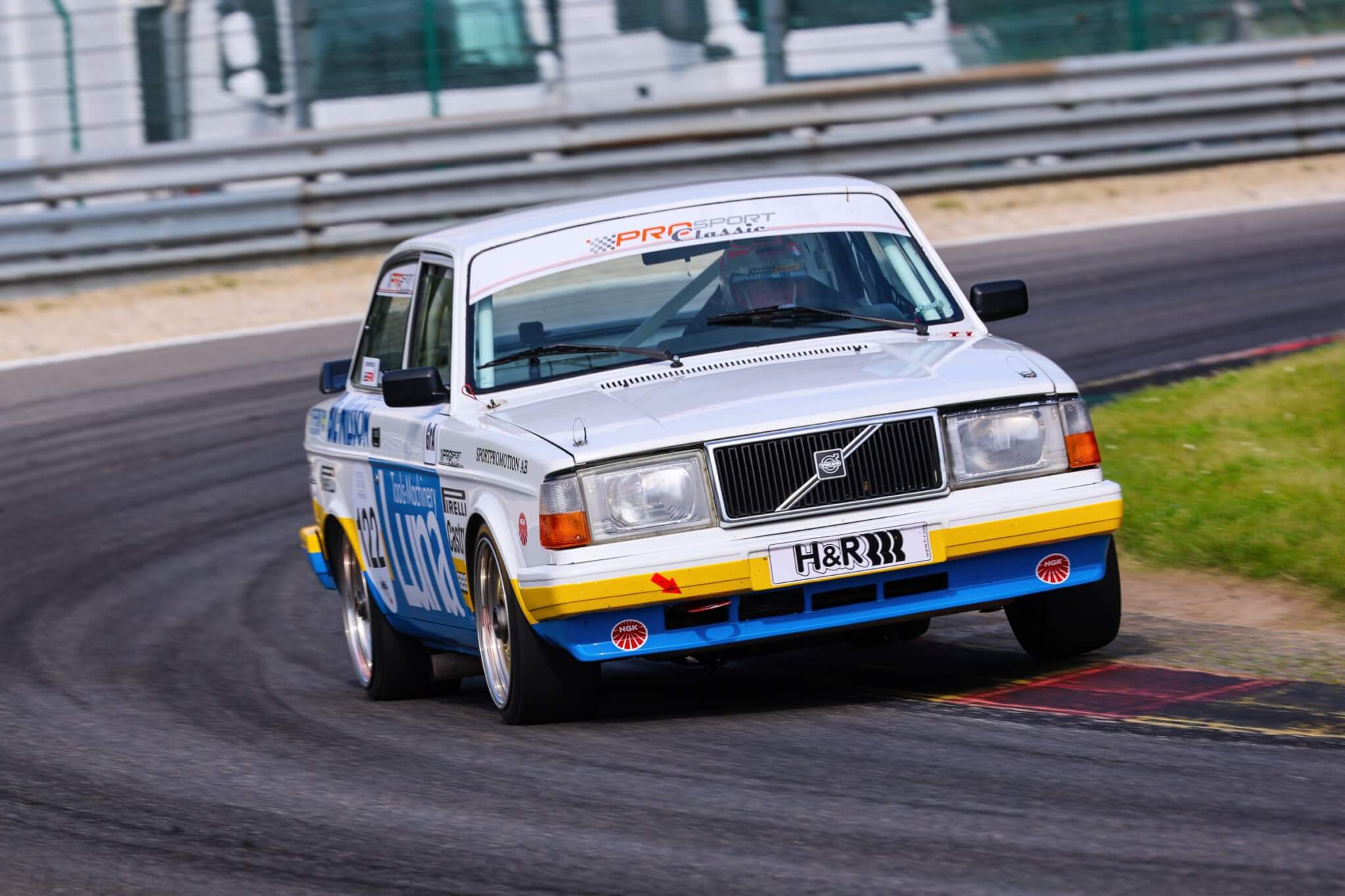
For decades, Volvo has built its reputation away from the track, associated with safety, sobriety and family cars of almost legendary durability. Still, in the mid-1980s, a large, heavy, deliberately square sedan starred in one of the most unlikely stories in European motorsport. Its name: Volvo 240 Turbo. His nickname, immortalized on the tracks: “Flying Brick”.
SEE ALSO:
Nothing about that car seemed suited to the world of racing. The straight lines and tall silhouette contrasted with the elegant German coupes that dominated the European touring grids. Still, beneath the functional bodywork lurked an ingenious, robust, and surprisingly effective design.
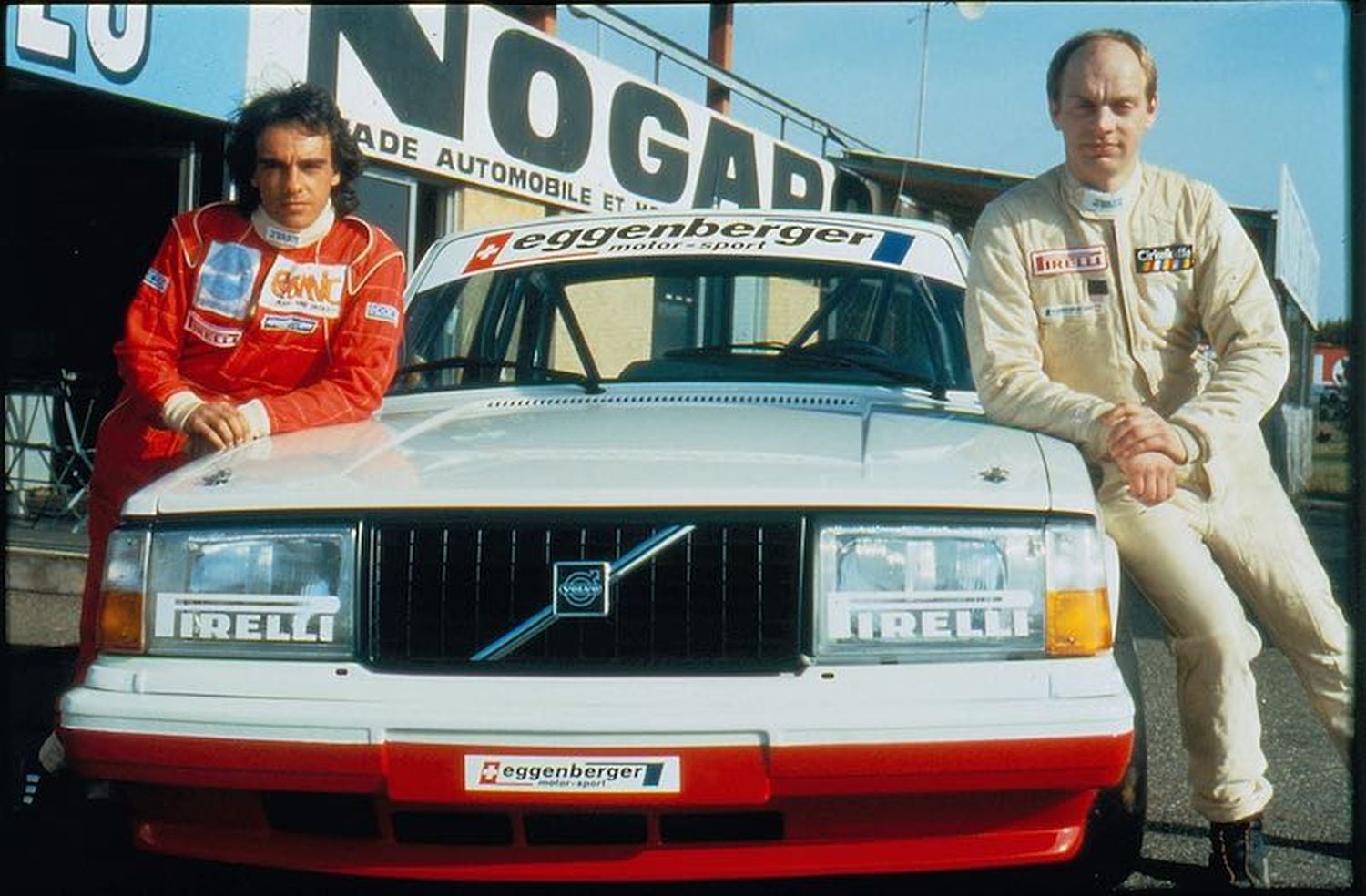
The Volvo 240 Turbo met the FIA’s Group A regulations, which determined that the car had series production, with at least 5 thousand units produced annually, in addition to another 500 high-performance units (Evolution), which culminated in the Volvo 240 Evolution.
Legend has it that the units were mounted on the coupe body, which would be destined for the United States, and from these units the preparation of the cars that would compete in competitions such as DTM and ETC would be made. However, after the FIA inspection, the components of the “kit” would have been removed, as the export units came with a sunroof. The racing cars used the body of the European version that did not have the “hole” of the accessory and offered greater structural rigidity.
But what was a fact is that from the factory, the 240 Turbo delivered just over 150 hp, but its preparation for the tracks brought an extra volume of cavalry. The heart of the 240 Turbo competition engine was a 2.1-liter, four-cylinder, turbocharged engine, capable of delivering somewhere between 300 and 330 hp, thanks to the furious Garrett T3 turbine, with 1.5 bar of pressure. The abundant torque, which many people were sure exceeded the 25 kgfm of the street engine, made the Volvo an intimidating presence on corner exits and long straights, compensating for the high weight and unrefined aerodynamics.
Even so, the car was at the limit of the minimum 975 kg required in Group A. All moving parts, such as doors, hood and trunk lid were replaced by lighter metal parts.
While rivals bet on sophisticated solutions, Volvo relied on a simple concept: power, mechanical resistance and constant pace, the latter enhanced by the 120-liter tank and a fast refueling system. In long races, this combination made all the difference.
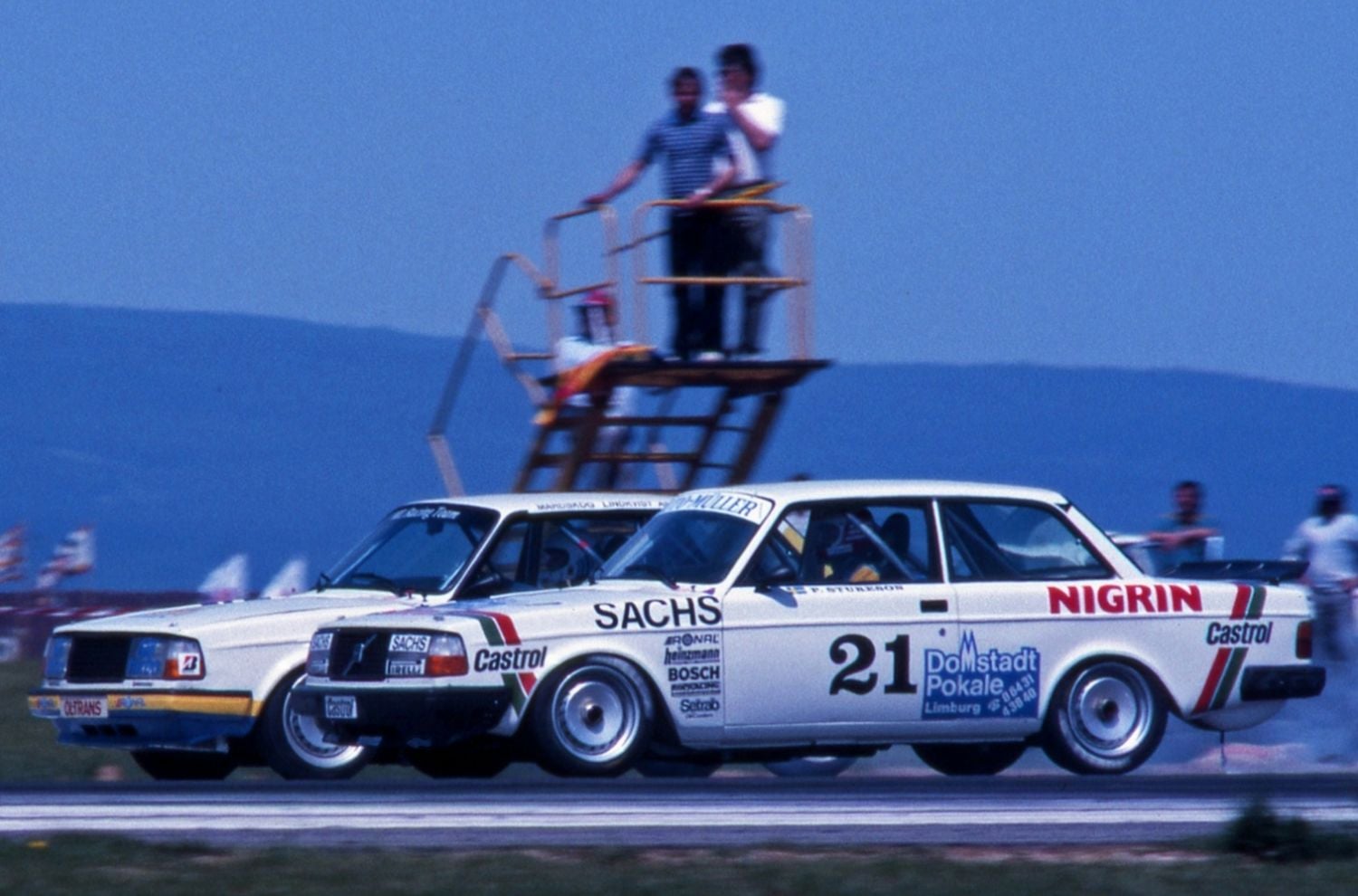
In 1985, the Deutsche Tourenwagen Meisterschaft (DTM) represented the pinnacle of German tourism, with a strong dominance of local manufacturers and highly structured teams. It was in this scenario that the Volvo 240 Turbo emerged as a disruptive element (to use a cool expression).
With drivers such as Sweden’s Per Stureson, the “Flying Brick” has achieved emblematic victories and expressive results, challenging the established hierarchy.
Stureson won only one stage, but his consistency on the podium throughout the season guaranteed him more than 115 points and the title. Another 240 also reigned at the top of the podium, with no chance for the German brands.
That year, Volvo was the first non-German brand to win a DTM title, something that was seen as unlikely given the sovereignty of brands such as BMW and Mercedes-Benz, as well as the German arms of Ford and Rover.
If in Germany the 240 Turbo caused discomfort, it was on the European scene that it achieved definitive consecration. The 1985 European Touring Car Championship (ETC) demanded maximum versatility: fast tracks, locked circuits and long races put not only speed, but above all reliability to the test.
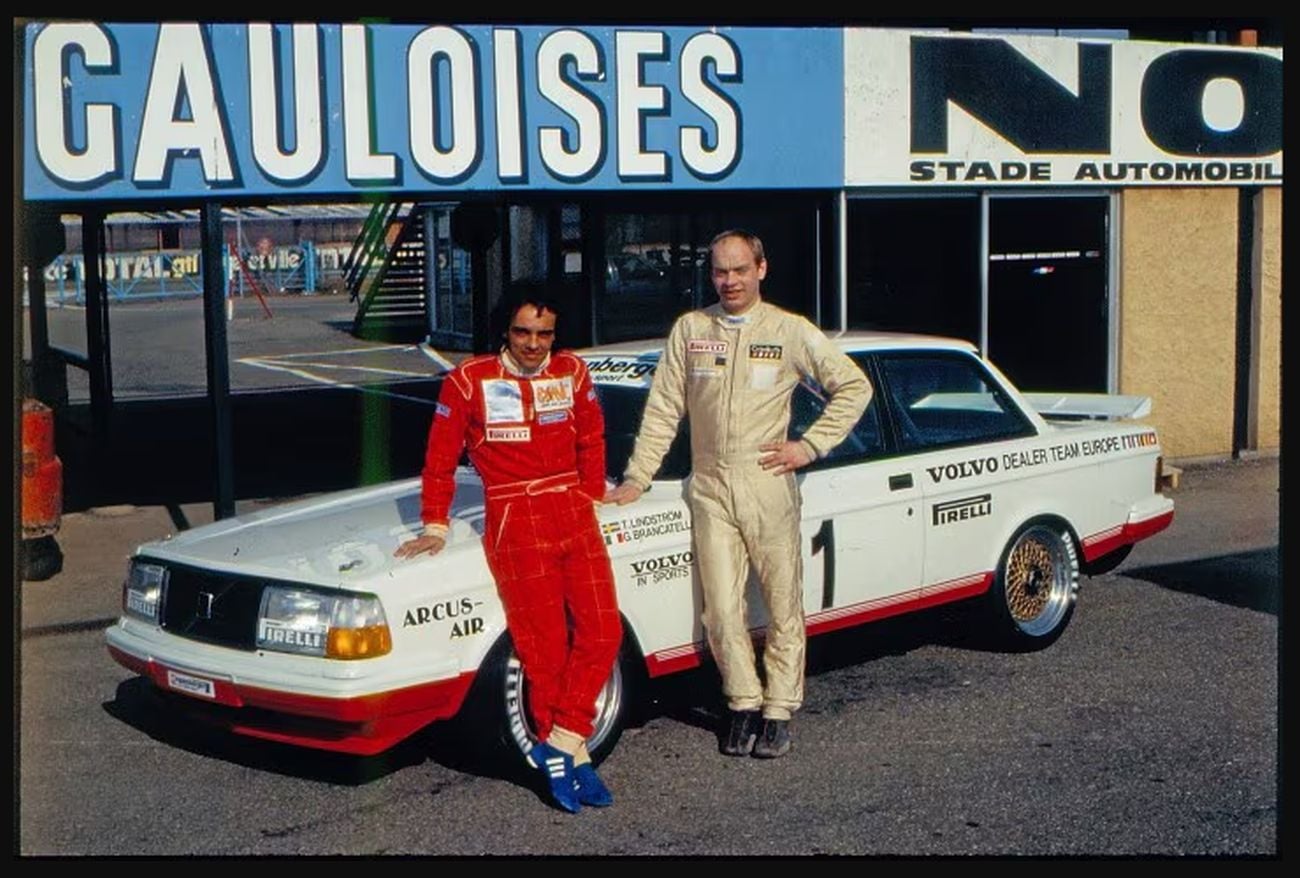
In this environment, the Volvo shone.
With an international roster made up of names like Thomas Lindström, Gianfranco Brancatelli and Win Percy, 240 Turbo built a campaign based on regularity and strategy. While many opponents faced breakdowns and excessive wear, the Swedish sedan maintained solid performance from start to finish.
The result was historic: the title of the 1985 European Touring Car Championship, definitively transforming the Flying Brick into a reference in European tourism.
The success of the Volvo 240 Turbo was not the result of chance or opportunism. It was the validation of a concept that contradicted aesthetic and technical trends of the time. Without being the lightest or most aerodynamic car, the Volvo won by betting on strength and endurance.
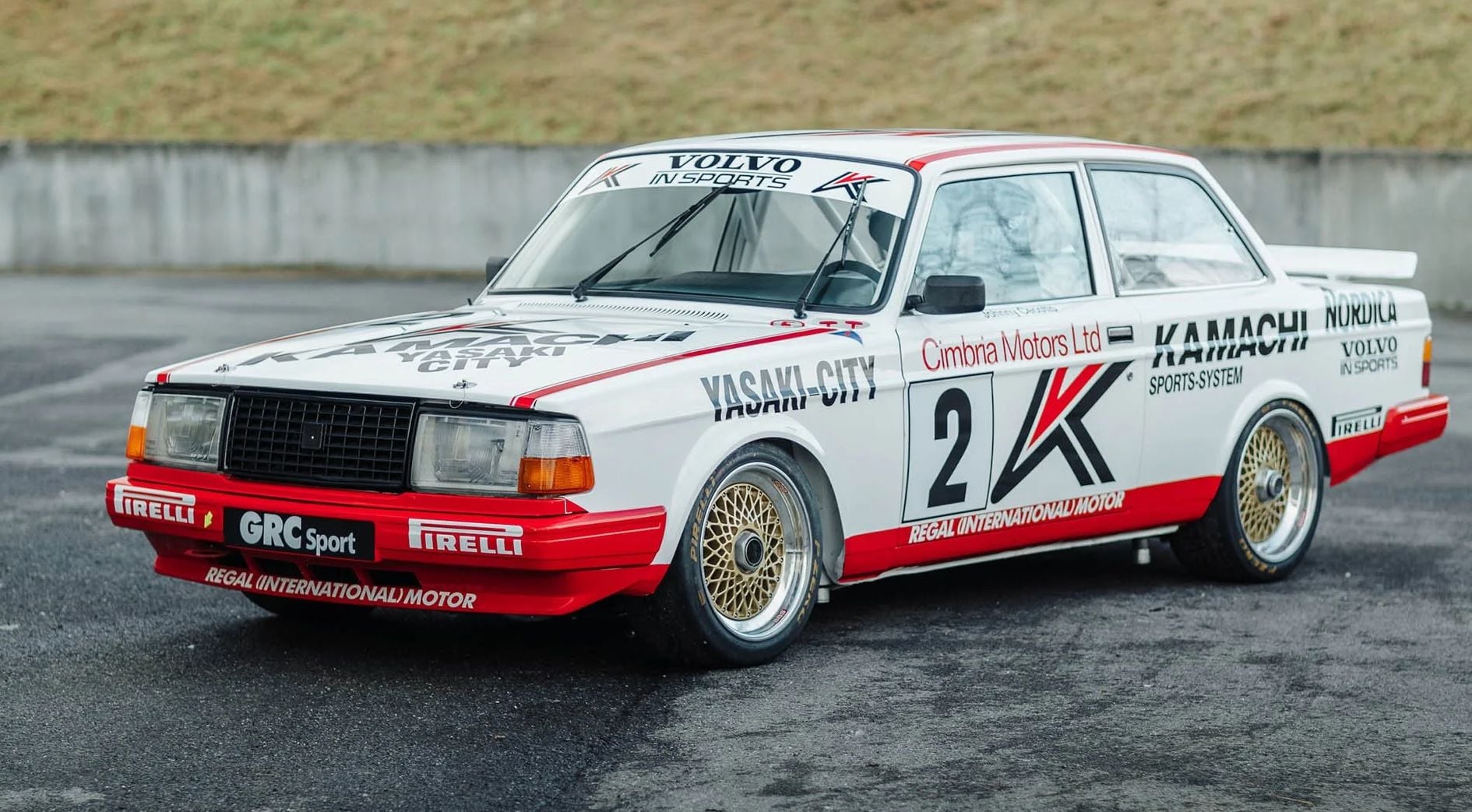
The Flying Brick proved that in motorsport, looks rarely tell the whole story. In 1985, the sport learned a lesson that remains current: underestimating a car by form can be an unforgivable mistake. Sometimes, even a brick can fly. Never judge the gift by the wrapping!



