Battery, maintenance, devaluation: what to look out for before buying a second-hand battery-powered vehicle

After the first era of electric vehicles, which also go by the acronym BEV, these models are beginning to arouse interest in the second-hand market. Just notice the number of used electric car offers on the main buying and selling sites.
SEE ALSO:
But what to look out for when buying a used electric car? Here, we will take a step-by-step of what to check and investigate before purchasing a second-hand battery-powered vehicle.
If the owner of the used electric car you have your eye on did not do the revisions on time and at the dealership, don’t even waste your time. The technology is still recent and it is important that the vehicle has undergone revisions at dealerships, with correct tooling and qualified labor.

Taking advantage of this, a warning right away: after you buy the used electric car, you can bet that it will end up in the hands of the dealership to do the maintenance – even because of the warranty of these vehicles, usually more than five years.
And also at least until a good offer of independent workshops that really understand the subject begins to appear. Qualified people and equipment, in the case of BEVs, make even more difference.
An example of the importance of maintenance is the checking of inverters and electric motors. They are key parts in the electric propulsion system and need to be done by someone who really understands the subject.
Generally these components can only be tested at dealerships or authorized workshops, because it is there that the right equipment exists to read and analyze all the operating parameters.
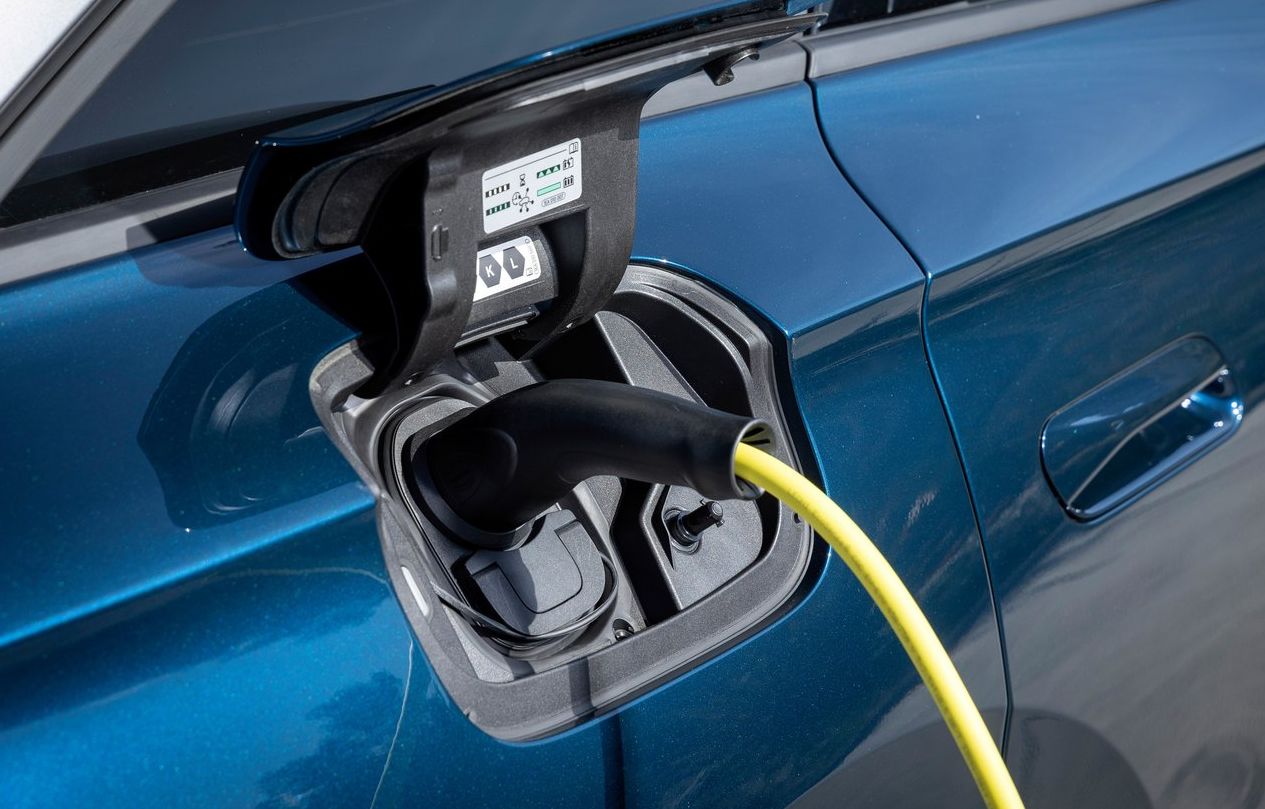
Usually, 100% electric cars already come with those original charging cables. Therefore, it is worth checking if the used electric car you are thinking of buying still has the right accessory. A new cable usually easily exceeds R$ 1 thousand.
It is also good to check if the model has the connectors for fast charging (DC). And on both the regular and fast-charging cables, take a look at the overall condition: watch for signs of wear, test recharging, and confirm that the connections are firm, with no gaps.
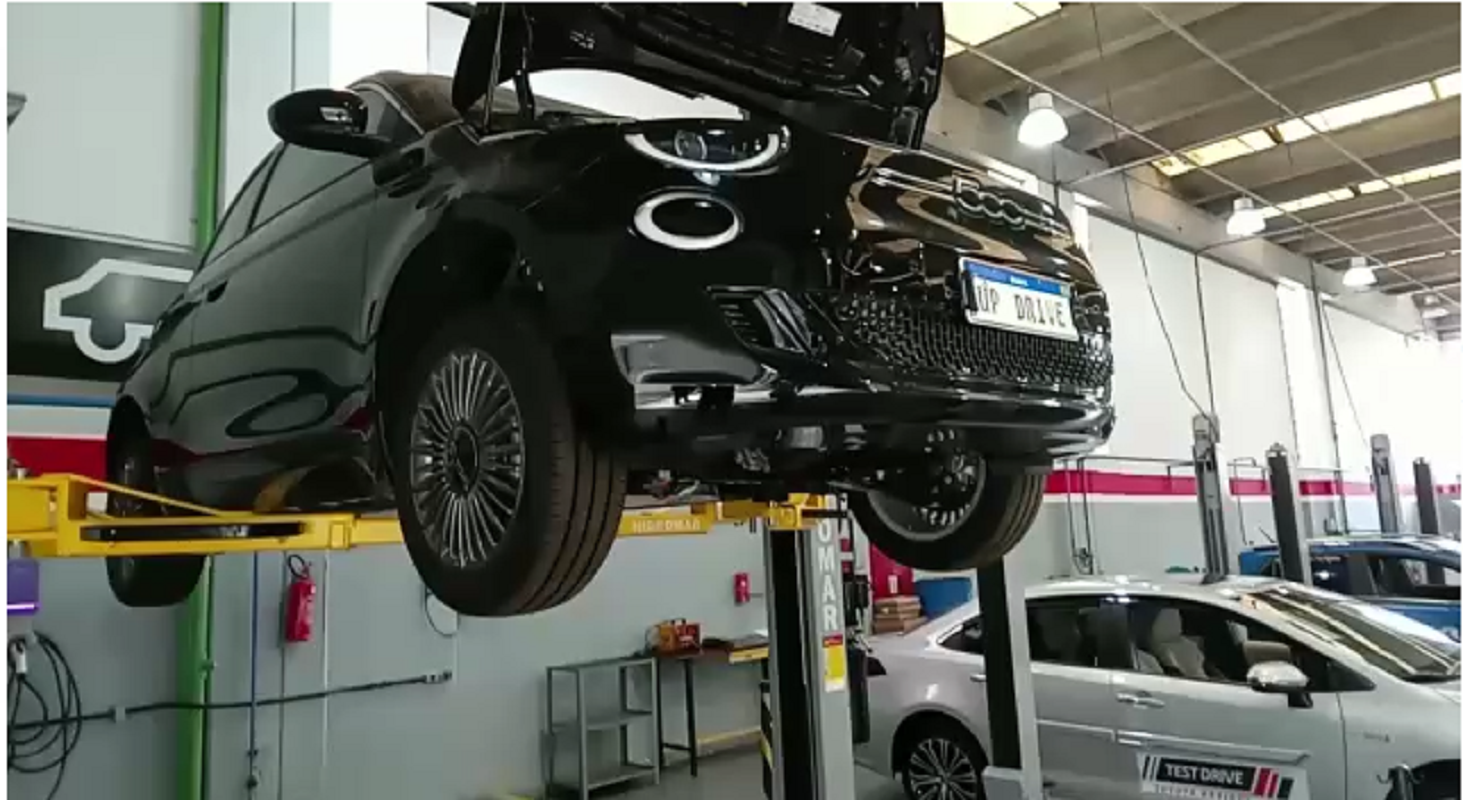
Ask the shop to pick up the used electric car on the lift – if it’s private, ask the seller for permission to take it to the shop. Take a look at the underside of the BEV.
The battery is installed there, right in the center of the floor. Make sure there are no dents, deformation or any sign of damage in the area that may have compromised the part that is the heart of the used electric car. This helps to avoid headaches later.
In electric cars, the “normal” brakes also deserve attention, because they work together with the regenerative braking system. In addition to testing regeneration, it is important to check how traditional pads and discs are doing.
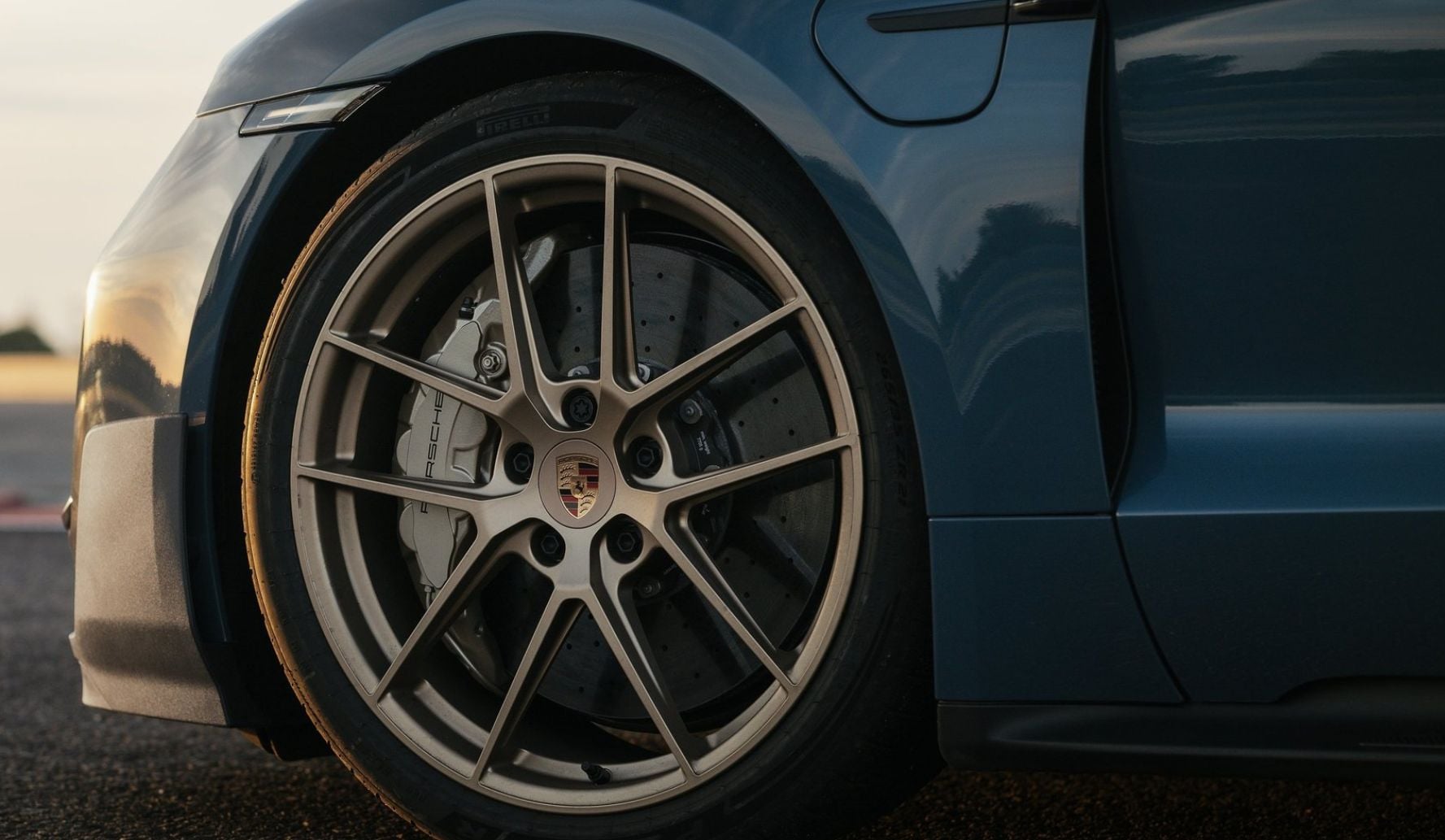
The suspension of these models, in turn, is usually more reinforced, since the batteries are heavy and change the car’s center of gravity. Therefore, it is worth inspecting shock absorbers, springs, stops and bushings to see if everything is in order.
BEVs still require tires with specific characteristics. They use compounds and tread designs designed to withstand the instantaneous torque and, at the same time, ensure a quiet ride – after all, without a combustion engine, any noise appears more. So, see if the tires are original or follow the factory specifications.
Remember: the electric only does not use engine oil. The liquid that cools the batteries is the same ethylene glycol-based fluid used in the cooling system of combustion vehicles. In addition, there are still brake and transmission oils, which also need to be checked.
The first wave of electric used cars depreciated sharply. In two years, the average devaluation of a BEV in Brazil launched in 2023 could reach almost 50%.
With the greater supply of battery-powered vehicles, this loss has become less pronounced. Even so, keep in mind that a used electric car still depreciates more and faster than a combustion vehicle. And that also does not have good liquidity.
In the used market, the more kilometers driven, the lower the value of the car. But when we talk about electric cars, this logic changes.
Engineers and experts explain that a BEV with very low mileage can be a sign of little use and few recharges – and this, contrary to what it seems, usually harms the useful life and capacity of the battery.
Speaking of which, the battery is the heart of any electric car, even more used and, therefore, deserves extra attention. The ideal is to make a diagnosis, something that usually needs to be done at the brand’s dealership, as they have the right equipment for it.
Therefore, the maintenance of these vehicles depends on the use of the automotive scanner. At each service, it is necessary to use the equipment to check the “status” of the battery. The device scans thoroughly and measures the state of health (SoH).
There are data such as operating temperatures, possible failures in the modules and how much of the life cycle of the part has already been consumed. It is important to note that batteries usually lose 2% to 4% of their original capacity per year.
At the same time, most automakers offer an eight-year warranty on BEV batteries. This does not mean that, at the end of this period, the battery will be “at the end of its life”, nor that before that it will always work at maximum. Each case depends a lot on the use, recharges and routine of the car.



