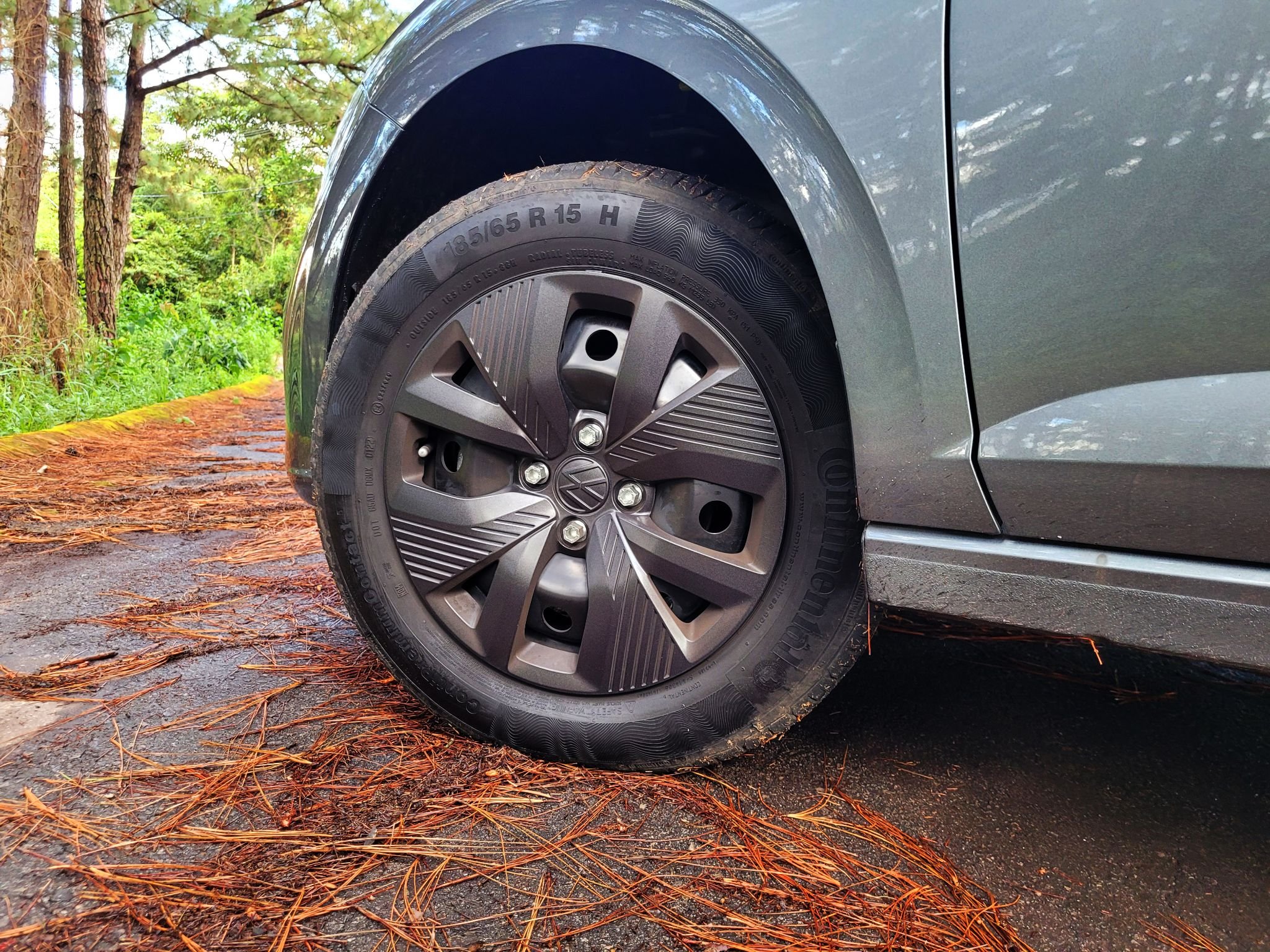
The most basic version of Volkswagen's compact hatch is an economical, practical and affordable used car option; know the main defects and qualities

Volkswagen was quite surgical when it launched the Polo Track. It provided a much more simplified version of its compact hatch to have an affordable car and as a gateway to the brand after Gol’s farewell.
It worked. The Polo Track helped leverage the sales of the line and Volks as a whole in the Brazilian market. At the same time, it becomes a good option for practical used cars for everyday life, with little time of use and with many copies still under warranty.
SEE ALSO:
See now 10 facts about the Volkswagen Polo Track.
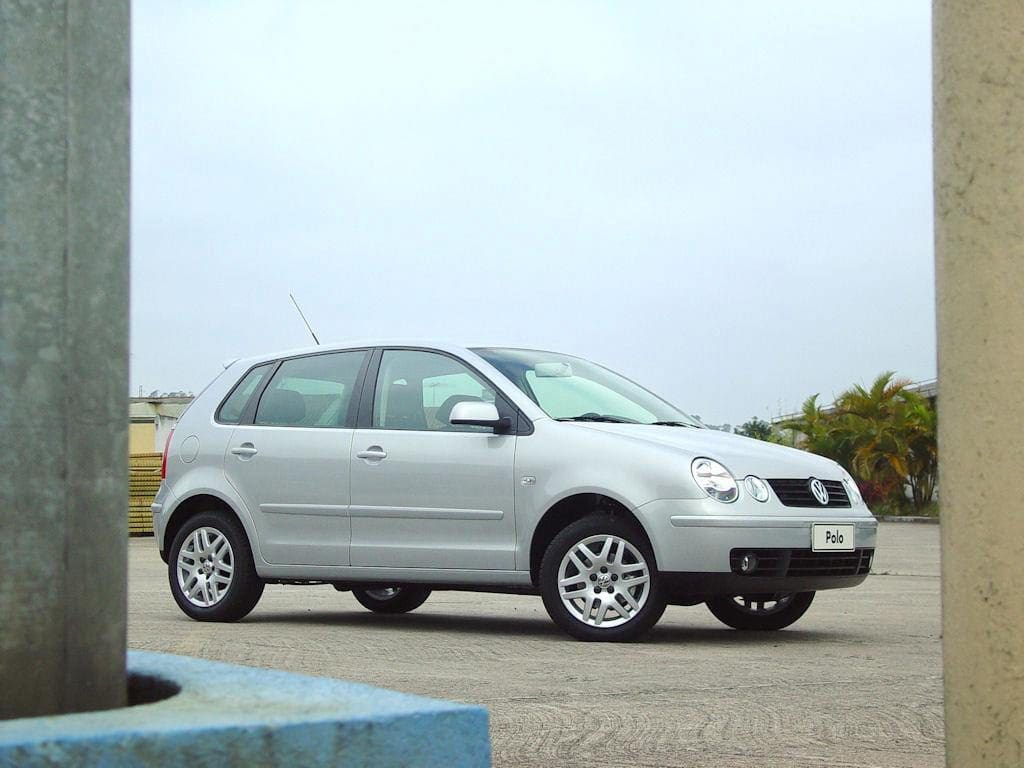
The first Polo made on Brazilian soil launched in 2002 was the fourth global generation, with the nice round double headlights. It survived until 2014 and, for this reason, in Brazil we do not know the fifth generation.
After a three-year hiatus, we jumped straight to the Polo VI, which began to be manufactured in our country in 2017 on the MQB platform and with aspirated and turbocharged three-cylinder engines, as well as an option with the 1.6 MSI.
At the end of 2022, this Volkswagen Polo was remodeled, had the turbo engine power reduced, lost some equipment and was repositioned. Precisely to be cheaper, since the Gol, the most important car in the history of the brand in Brazil, said goodbye.
But the one in charge of holding the ends was the Polo Track, launched soon after, in January 2023. With simpler details in the design and interior finish, always with a 1.0-liter aspirated engine and lightened equipment, it took on the role of the brand’s cheapest car in the country.
In this way, the Polo Track started to pull sales of the compact hatch. It started representing 1/3 of the line’s registrations and today plays a fundamental role in the fact that the Polo is the best-selling passenger car in the country.
In 2025 alone, 68% of the Polo’s total sales were of the Track version. Which means more than 83 thousand units of the more than 122 thousand general licenses of the hatch registered throughout last year.
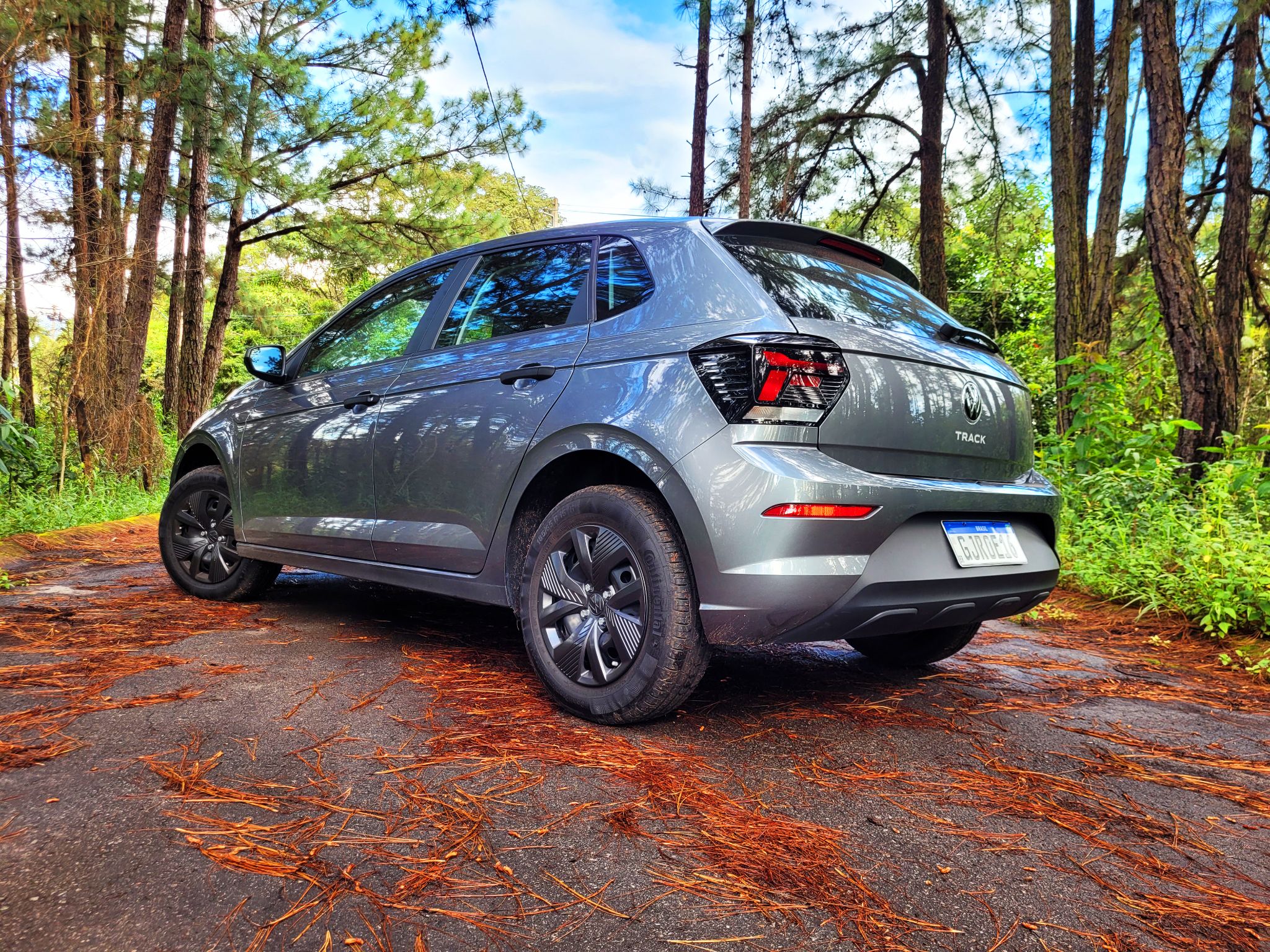
This pressure actually fell on the hood of the Volkswagen Tera, a compact crossover launched in 2025. The Polo Track served as a kind of bridge, a transition. With the departure of Gol, Volkswagen needed a volume and attractive model for direct sales.
The Polo Track took over the function and fulfilled its role, as already mentioned in sales. The thankless mission of replacing the most successful car in the national industry will really fall to the Tera, and Volkswagen made this very evident in the launch of the SUV last year.
The Polo Track is always equipped with the 1.0-liter naturally aspirated three-cylinder engine from the EA211 family. There are 84 hp of power with ethanol and 77 hp with gasoline, which results in sufficient performance for the city and with the same drawbacks as any “thousand cylinders”.
The first early ratios of the manual gearbox – with those majestically precise couplings and short travel of the MQ200 box – help with starts. But then you have to stretch the higher gears to get a 0-100 km/h in around 13 seconds.
Resumptions also require attention and patience. The maximum torque of 10,3 kgfm with ethanol and 9,6 kgfm with gasoline, available at 3 thousand revolutions, helps a little. But you have to call in downshifting to go up a hill or overtake that truck on the road.

It is one of the strengths of the Volkswagen Polo Track and even a sales argument. According to data from the PBEV, the hatch obtains urban averages of 9.4 km/l with ethanol and 13.7 km/l with gasoline.
In the road cycle, Inmetro measurements point to averages of 10.8 km/l with alcohol in the tank. With fossil fuel, the Polo Track can do 15,2 km/l on the highway.
The Polo Track uses the MQB modular platform, which serves an endless number of Volkswagen models. The level of construction evidences German engineering, with the body with good rigidity and a car that is firm in curves.
The torsion axle rear suspension uses different shock absorbers than the rest of the Polo line, but maintains robustness without compromising comfort on board. The steering with electric assistance is precise most of the time.
The Polo Track also pleases the ergonomics of those behind the wheel. In the midst of so many SUVs and tall hatches, there is a low driving position, with practical and functional controls most of the time.
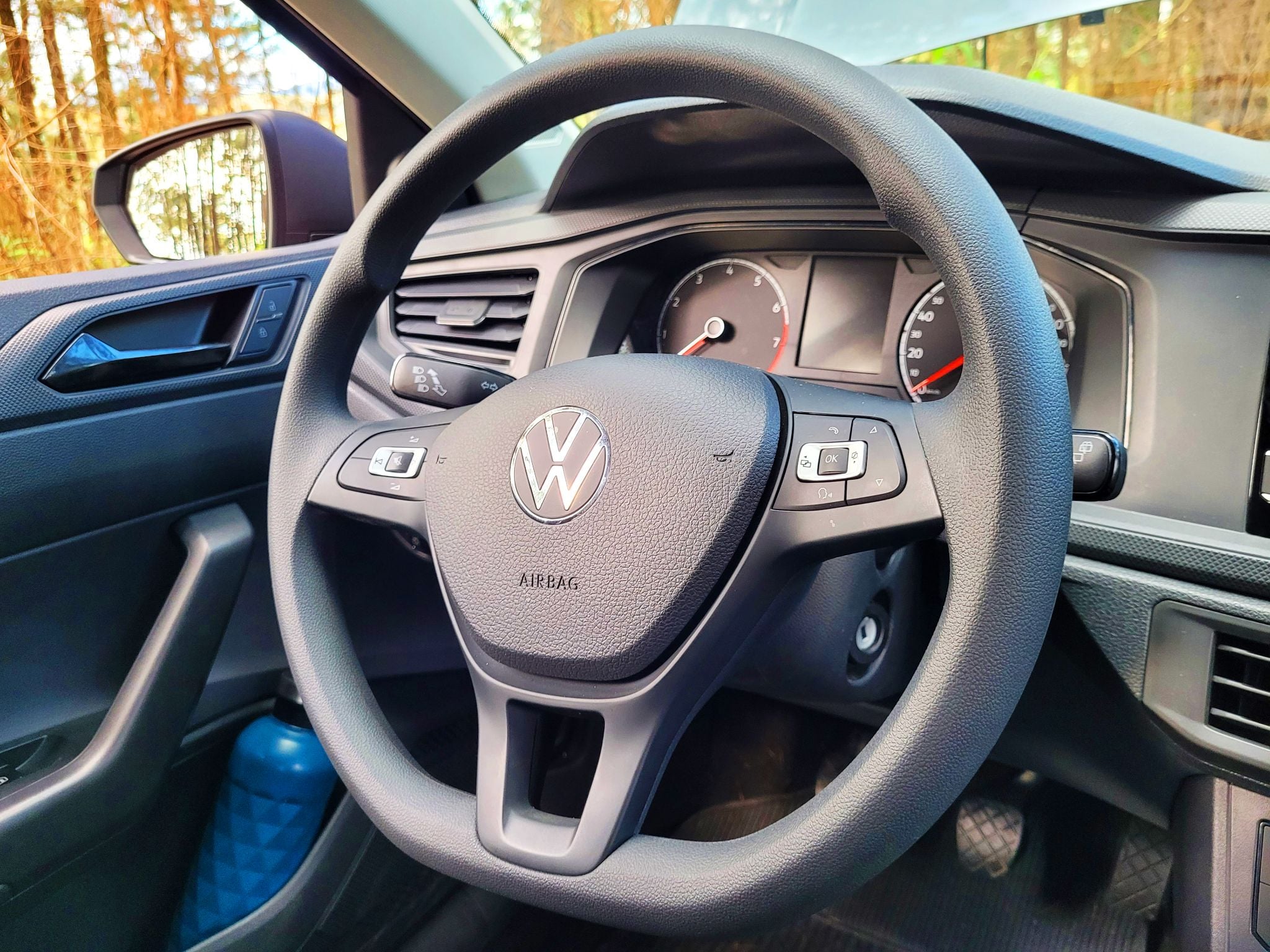
The German brand’s entry-level car has a simpler interior finish than the other Polos – which are no longer a reference in this regard – in addition to a modest filling. In safety, in addition to the mandatory stability and traction controls, it offers four airbags, ramp start assistant, tire monitoring and daytime running light.
In addition, the trivial air conditioning, electric control of the front windows and door locks, height and depth adjustments of the steering wheel, sound with Bluetooth, USB socket and folding rear seat. Adjust the mirrors only in the pitocos – electric adjustment of the mirrors not even as an option.
Unlike multimedia. Since the 2024 line, the Polo Track can receive the Composition Touch center, with a 6.5″ screen and connection to Android Auto and Apple CarPlay, as optional equipment.
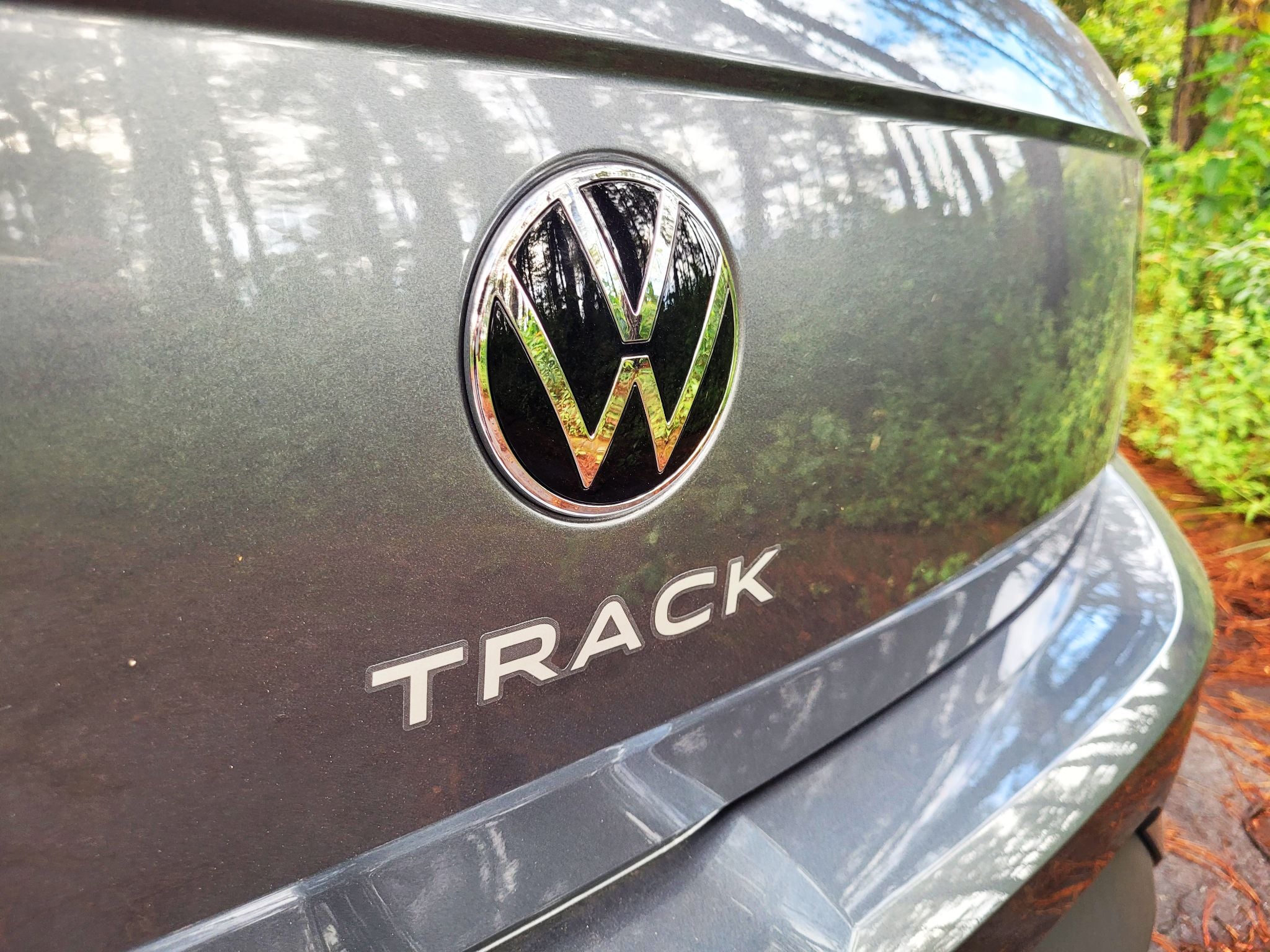
That’s why we suggest the Volkswagen Polo Track 2024. In addition to the possibility of finding the model with multimedia installed at the factory, the used is still within the three-year warranty.
At KBB Brasil, the Polo Track 2024 has a Reseller Price between R$ 70.952 and R$ 74.578 – values calculated in the first half of January 2026.
Launched in January 2023, most of the Volkswagen Polo Track units for sale are still within the three-year warranty. Check out the hatch’s fixed-price revision plan:
On the Reclame Aqui website and in digital forums with Polo Track owners, the most common problems reported involve failures in the injection system and noises and vibrations when pressing the brake pedal. Also be aware of strange pops and noises coming from the rear suspension.