South Korean SUV has a compact price and medium size and generous package to make itself a good option in the used market
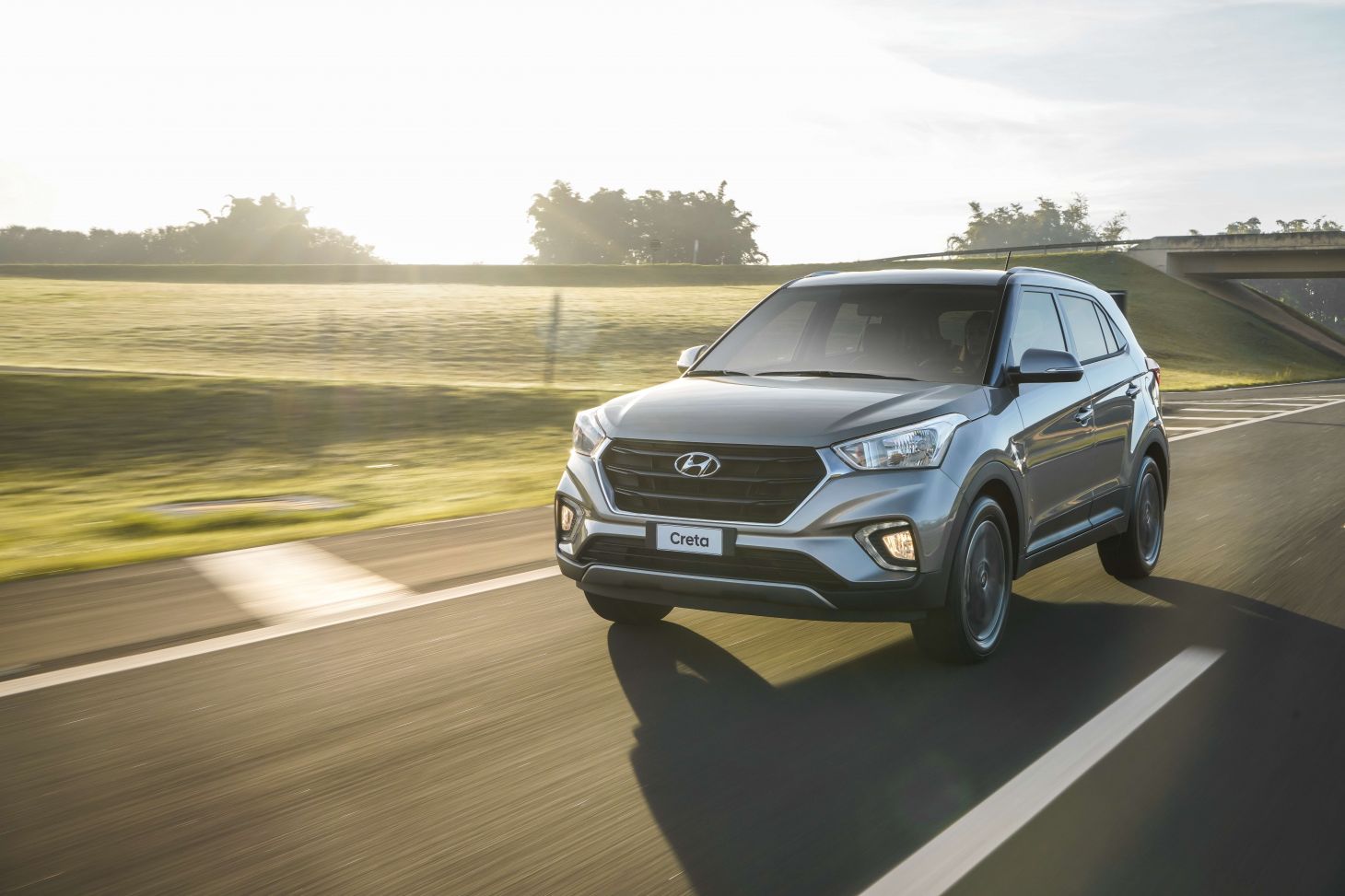
The Hyundai Creta was the second model manufactured by the South Korean automaker in Piracicaba (SP) and the brand’s response to the avalanche of compact SUVs that arrived in the country in the second half of the 2010s. Soon, the model became one of the best sellers in the category.
SEE ALSO:
About to complete 10 years in Brazil, the first-generation Hyundai Creta is a good option for those who want an SUV with a robust size and space above the average of the compact crossover segment. In addition, it has a reputation for uncomplicated maintenance and a good variety of versions on the used market.
So let’s focus on 10 facts about the Hyundai Creta 2018.
The Hyundai Creta arrived in Brazil in 2016, right in the middle of the wave of new national compact SUVs. Before it, Honda HR-V, Jeep Renegade and Peugeot 2008 had already appeared. In the same year as the launch of the Korean brand’s model, Nissan Kicks and Citroën C4 Cactus also came.

Produced in Piracicaba (SP), the SUV debuted with 1.6 and 2.0 engines, both aspirated and multivalve. Over time, the Creta gained new versions, retired others and even had a special series, in 2018, to celebrate the millionth Hyundai manufactured at the São Paulo plant.
Also in 2018, the Hyundai Creta debuted a new version with a 1.6 engine. After the 2019 restyling, more finishing changes and configurations came to the compact SUV family.
In 2021, Hyundai launched the second generation of the Creta. The look divided opinions, but the car brought important news: the 1.0 turbo engine already known from the HB20 instead of the 1.6. The 2.0 continued in the most complete versions.
Later, the SUV gained a version and a series with the aesthetic signature of the N sports division. In 2024, the Hyundai Creta underwent a remodeling that left it with a very modern and more “unanimous” design, and changed the aspirated 2.0 engine for the 1.6 turbo.
As said, let’s focus on the first phase of the SUV, in which the first Cretas vary well in performance. The 1.6 16V of the Gamma engine line delivers 130 hp with 100% ethanol in the tank and 123 hp in gasoline.
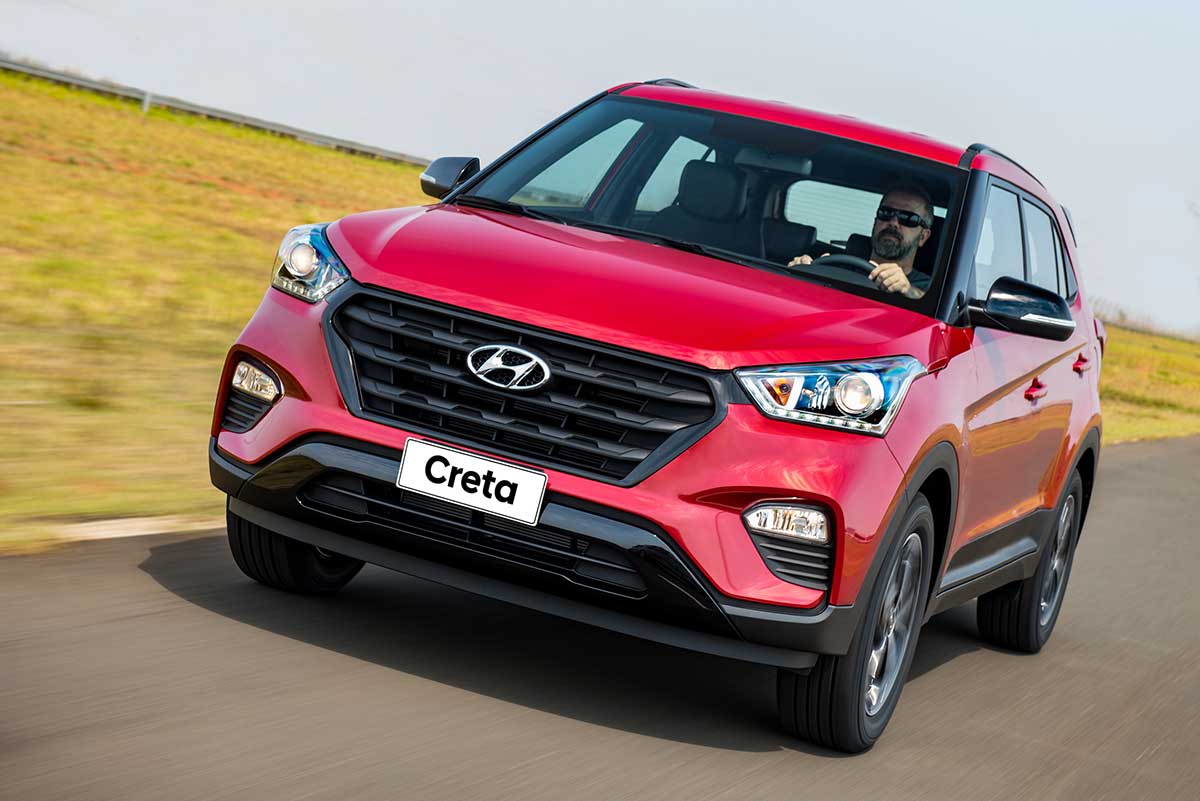
In this way, it presents a performance only ok for the size of the SUV, which weighs almost 1.4 tons and 4.27 meters in length. It works best at medium revs and in this rev range it does well with both the manual and automatic transmissions, both six-speed.
The 2.0 16V of the Nu family matches better with the size of the Creta. With 166 hp (ethanol) and 156 hp (gasoline), along with the six-speed automatic transmission, it guarantees much more lively starts. The 0-100 km/h is below 10 seconds.
In retakes, however, the engine only shows power above 4.500 rpm, and the gearbox takes a while to change from fourth to fifth gear. Afterwards, however, it packs well and manages to reach higher speeds on the highway without major dramas.
According to the table of the 2018 Brazilian Vehicle Labeling Program of Inmetro, the Hyundai Creta has the following consumption averages.
The Creta is a stable SUV, but clearly geared towards comfort. The body leans a little more in corners than some rivals, the suspension is soft and has high travel, almost to the North American taste, but the steering is precise and does not require constant corrections at higher speeds.
One of the strengths of the Creta is the interior space. With almost 2.60 m of wheelbase and a well-planned cabin with the look of a medium utility, it accommodates five people more comfortably than most of its competitors in the compact SUV market.
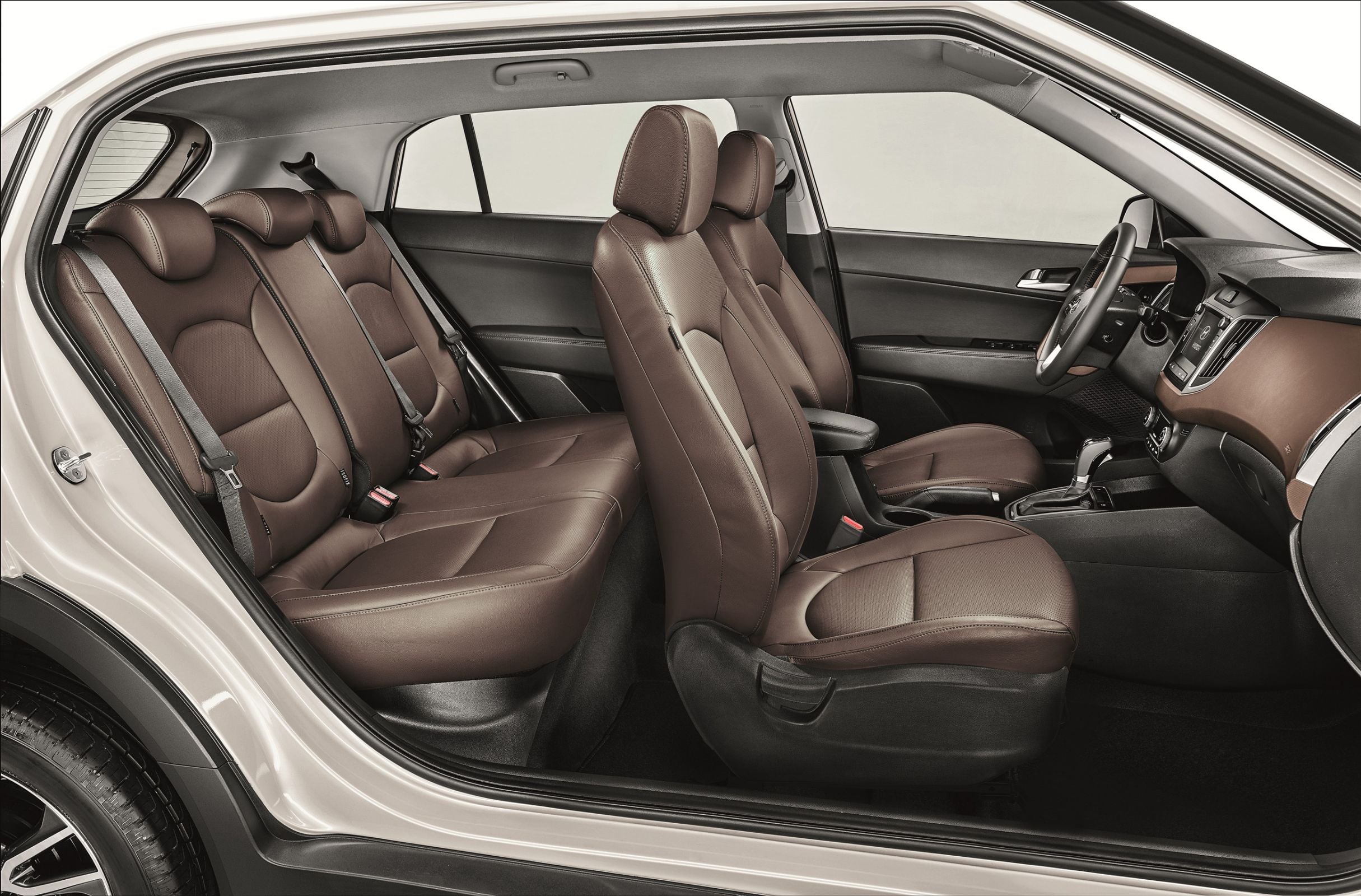
The driver has a high driving position and good visibility. The direction could have a better grip, but it doesn’t bother. In general, the driver faces long trips without having to go to Pilates afterwards.
Three adults of average height fit in the back without cramping, and the 431-liter trunk takes one large suitcase, two small ones and still has plenty of space. The suspension with smooth calibration absorbs potholes well, the acoustic insulation is efficient and the interior finish is correct.
In 2018, the Creta won the 1 Million special edition, celebrating one million Hyundai vehicles produced in Piracicaba. There were 2 thousand units of the Creta, 1.2 thousand of the HB20 and 1.3 thousand of the HB20S.
The highlight of the series is the Key Band, a bracelet that works as a face-to-face key and also connects to the brand’s app. It unlocks the car, allows you to start by button and also works as… Smartwatch: It has a step counter, calorie counter, distance traveled and notifications.
The version features exclusive 17-inch diamond wheels, darkened chrome details, chrome door handles and fin-type antenna. Inside, there are metallic beige details, beige leather-covered seats, custom sills and blueMedia multimedia center with digital TV.
The Creta Prestige 2.0 2018 with a 2.0 engine is a good choice for those who want a spacious, more powerful used SUV. It offers six airbags, stability and traction controls, camera and reverse sensor, ramp start assistant, electrochromic rearview mirror, DRL, Isofix and tire pressure monitoring.

In comfort, it features an induction charger, automatic air conditioning, folding electric mirrors, face-to-face key, twilight sensor, start/stop, electric trio and steering wheel with height and depth adjustment. Bluemedia multimedia has cell phone mirroring, GPS and digital TV.
At KBB Brasil, the Hyundai Creta 2018 Prestige has an average dealer price of R$ 94.702 (prices calculated in the second half of December 2025).
When 0 km, the SUV was reputed to have revision prices at the dealership among the most competitive. Check the prices of some parts of the Hyundai Creta 2018 with 2.0 engine.
The most critical point of the Hyundai Creta is the cooling system, which can present early corrosion. It is worth paying attention to possible leaks in the hoses and in the radiator itself.
In groups with SUV owners and on the Reclame Aqui website, owners report noises in the steering column, infiltration in the headlights, battery discharging for no reason and air conditioning that does not freeze.
The first-generation Hyundai Creta has already had recalls for master cylinder replacement (2020 models) and engine management module replacement (2022 models).



