The version with a more powerful engine of the Italian brand's compact hatch is an option for a car for the city with good performance
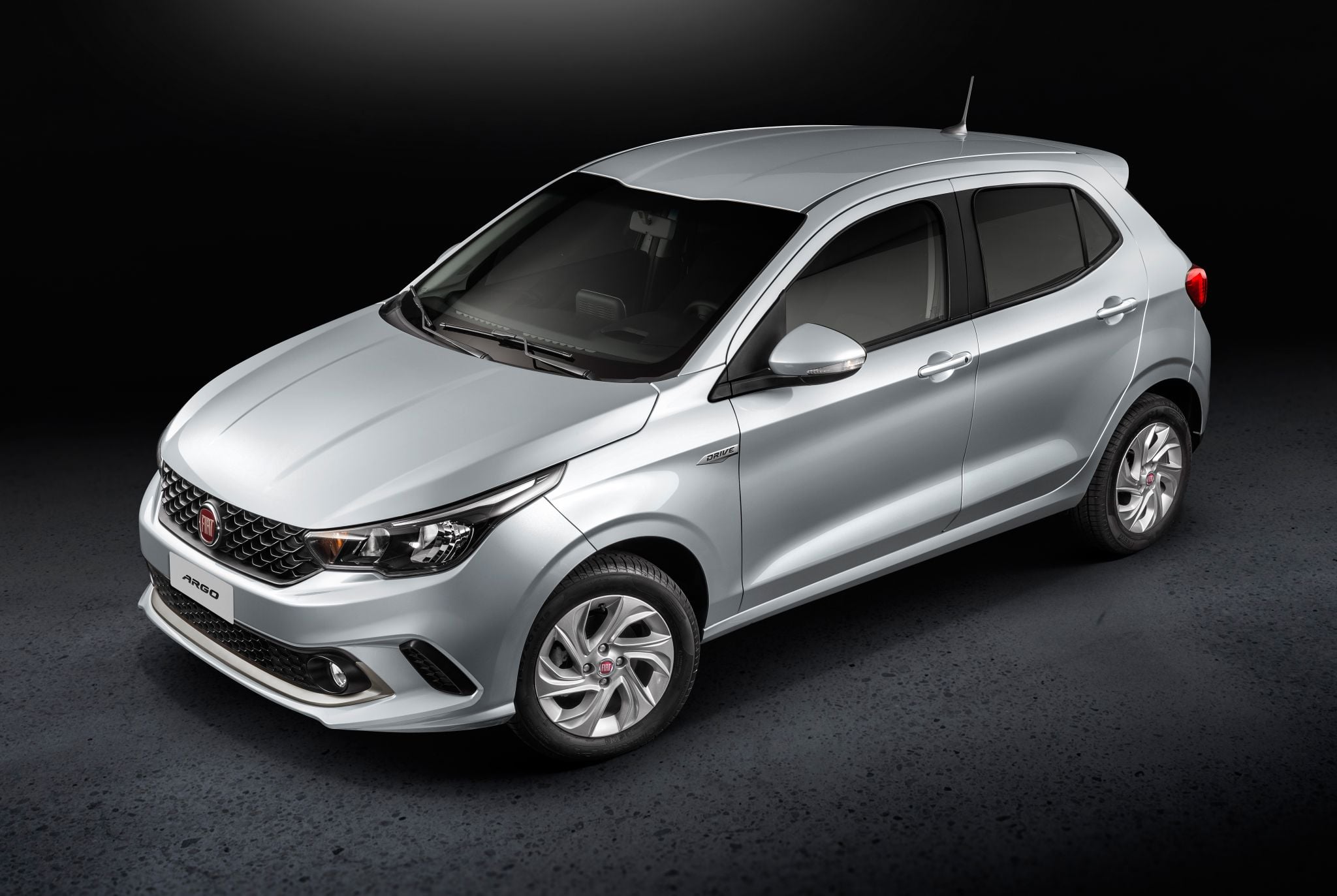
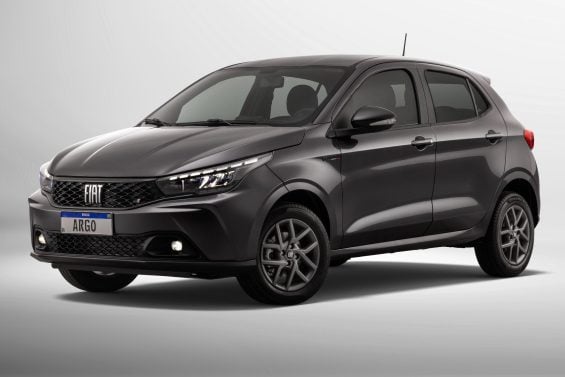
The Fiat Argo is a car that sometimes goes unnoticed by the market, but it is an extremely important model for the Italian brand and is among the best sellers in the country. It has mechanics without mysteries, drives well and finds in the Drive 1.3 version a good cost/benefit.
The configuration is interesting for those looking for a compact with a certain level of comfort, stronger performance and moderate consumption. Therefore, we are going to highlight 10 facts about the Fiat Argo Drive 1.3, whether 0 km or used.
SEE ALSO:
First, a brief history of the hatch. The Argo was launched in May 2017 with versions with Firefly 1.0 and 1.3 engines, in addition to the E.torQ 1.8. In the premiere, there was even a special Opening Edition series, which was limited to 1,000 units.
In 2019, it gained an adventurous Trekking 1.3 option, while the Argo Drive served as the basis for the Seleção series, at a time when Fiat sponsored the Brazilian Football Confederation (CBF).
The Fiat Argo Drive 1.0 and 1.3 served the other special edition, S-Design, which is actually a customization package with darkened elements and exists to this day. In 2020, the hatch adopted the new logo of the Italian brand.
The restyling only came in earnest in 2022, already as a 2023 line. Soon after, the Fiat Argo Drive 1.3 and Trekking 1.3 started to have a CVT automatic transmission option. In 2024, the automaker created the Endurance option for direct sales, in addition to a Tribute 125 print run in honor of the manufacturer’s 125th anniversary.
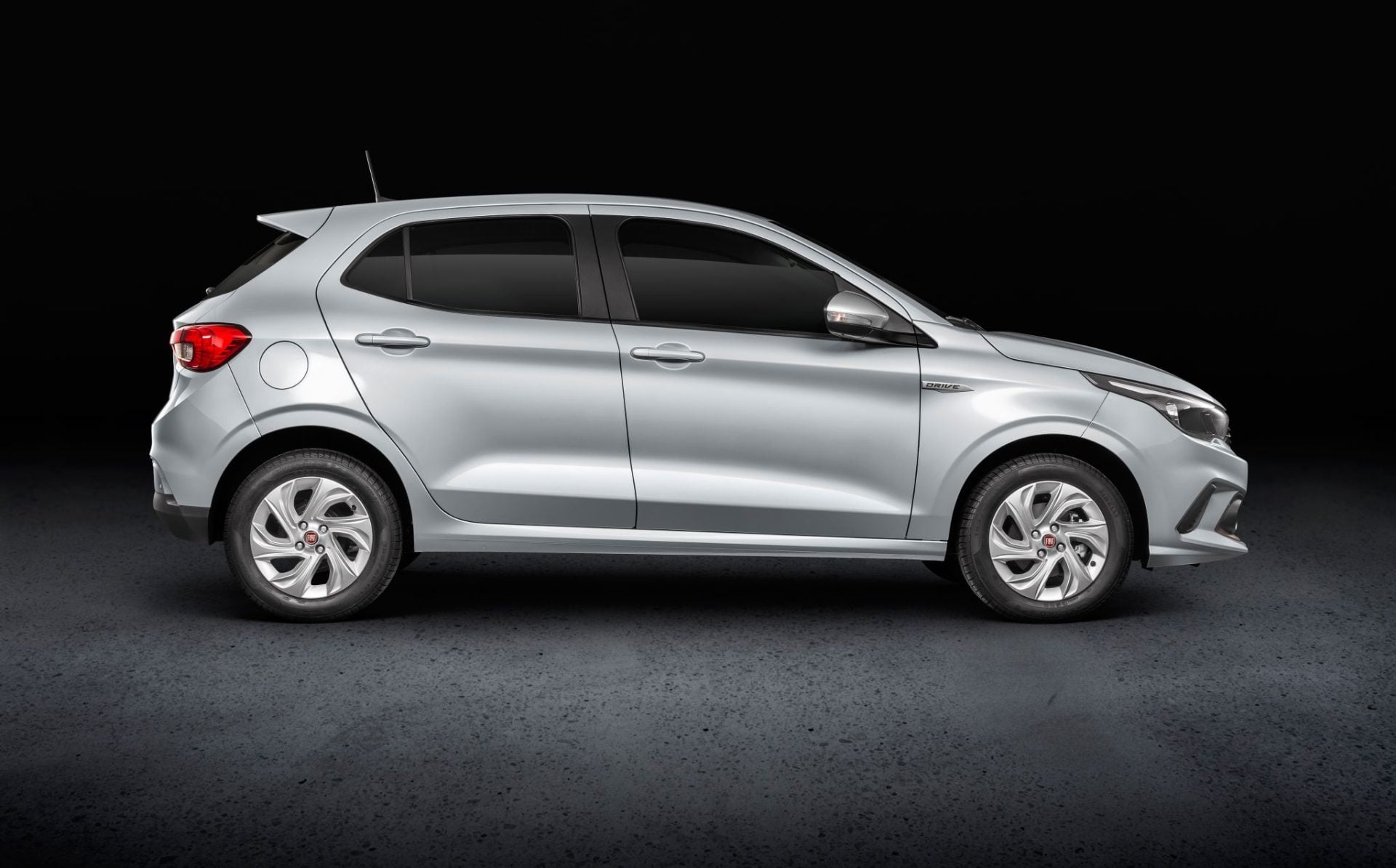
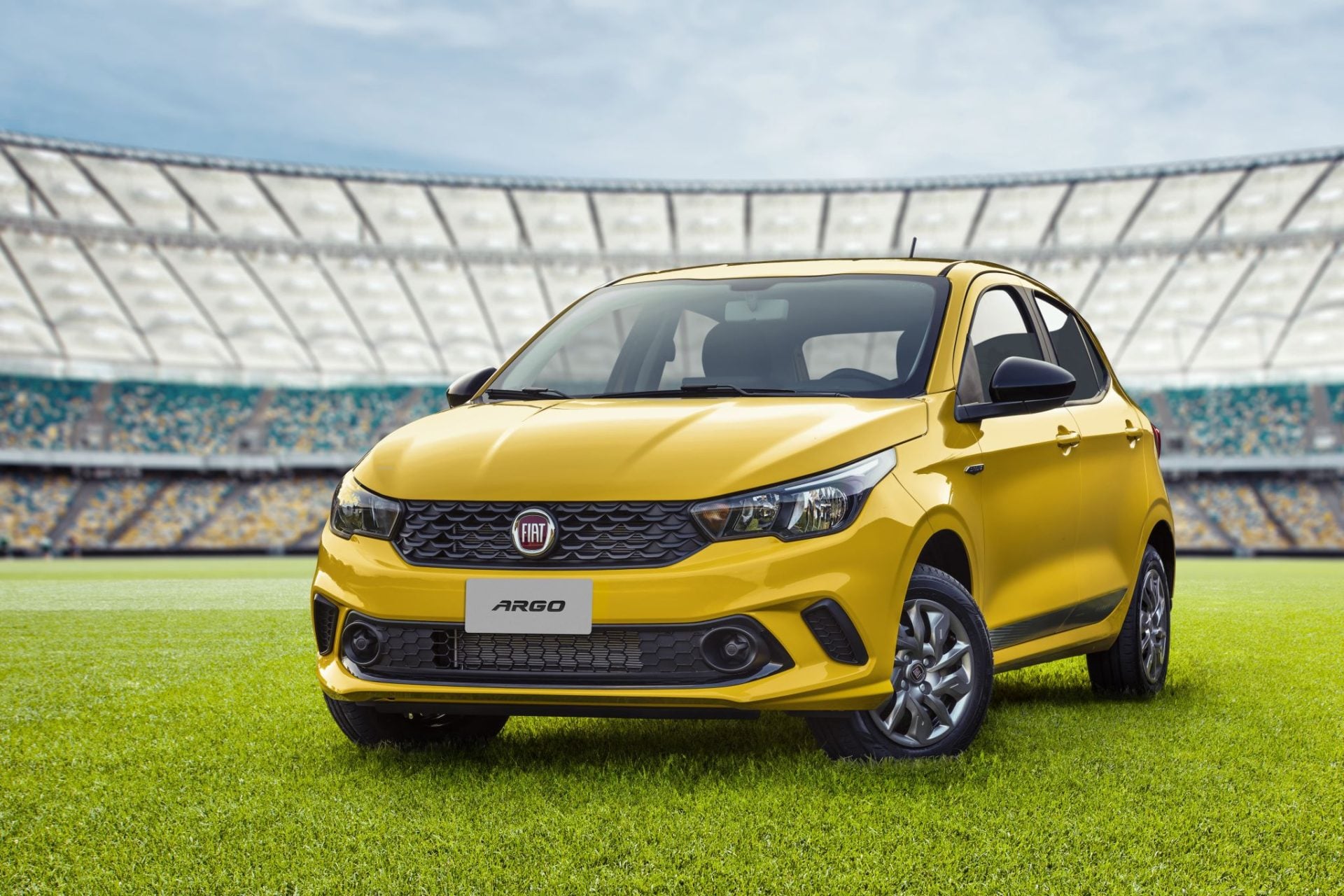
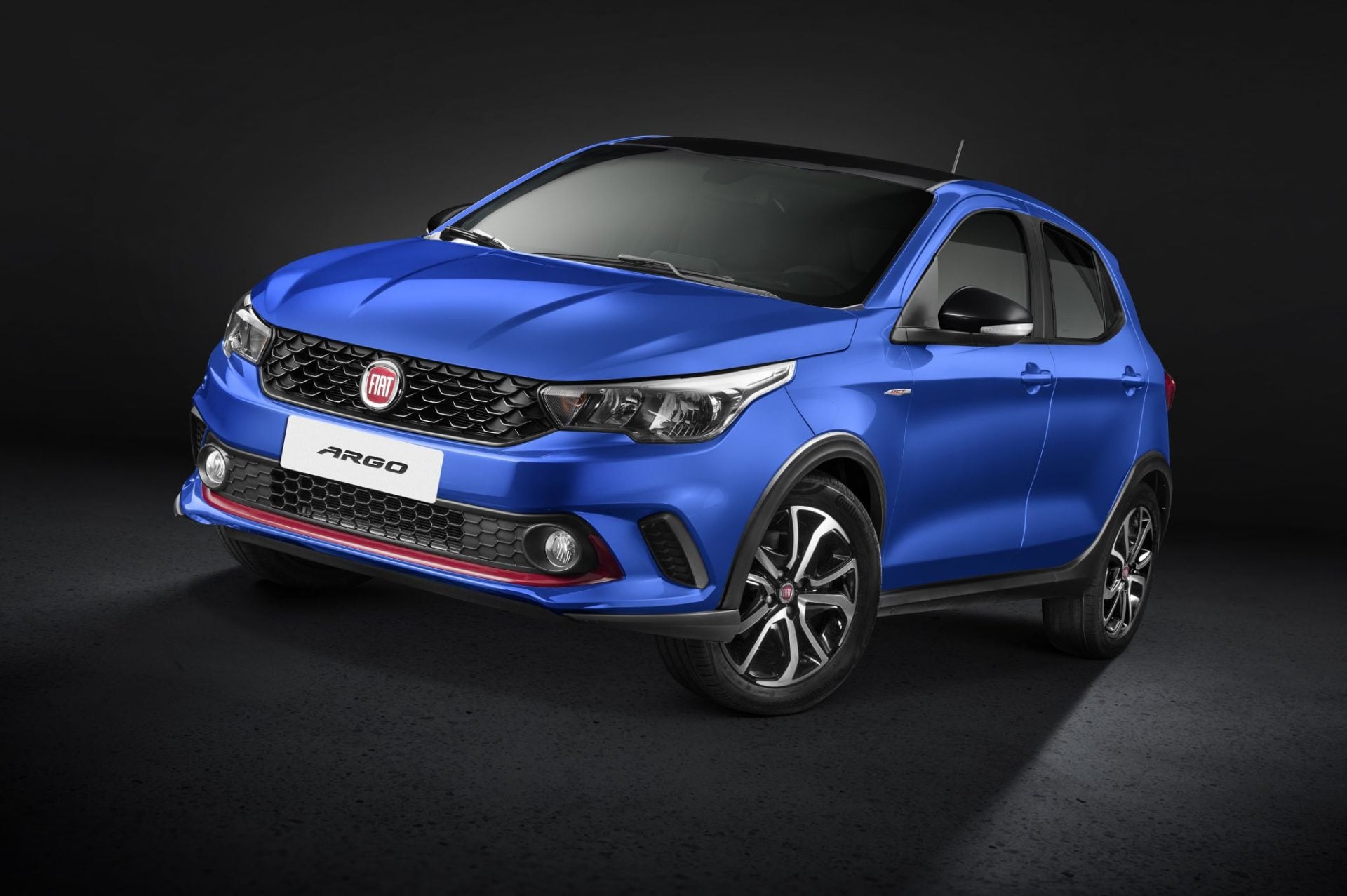
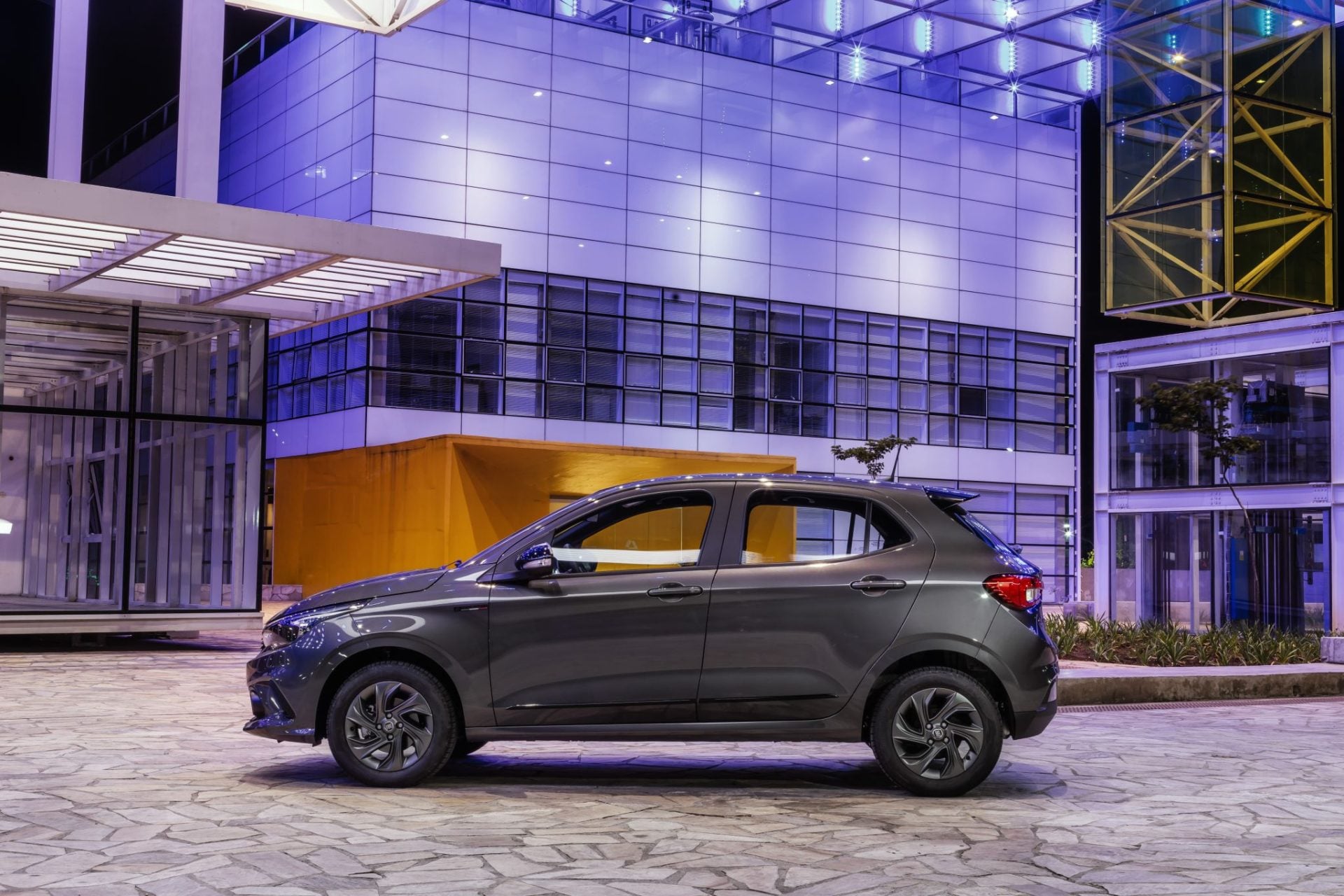
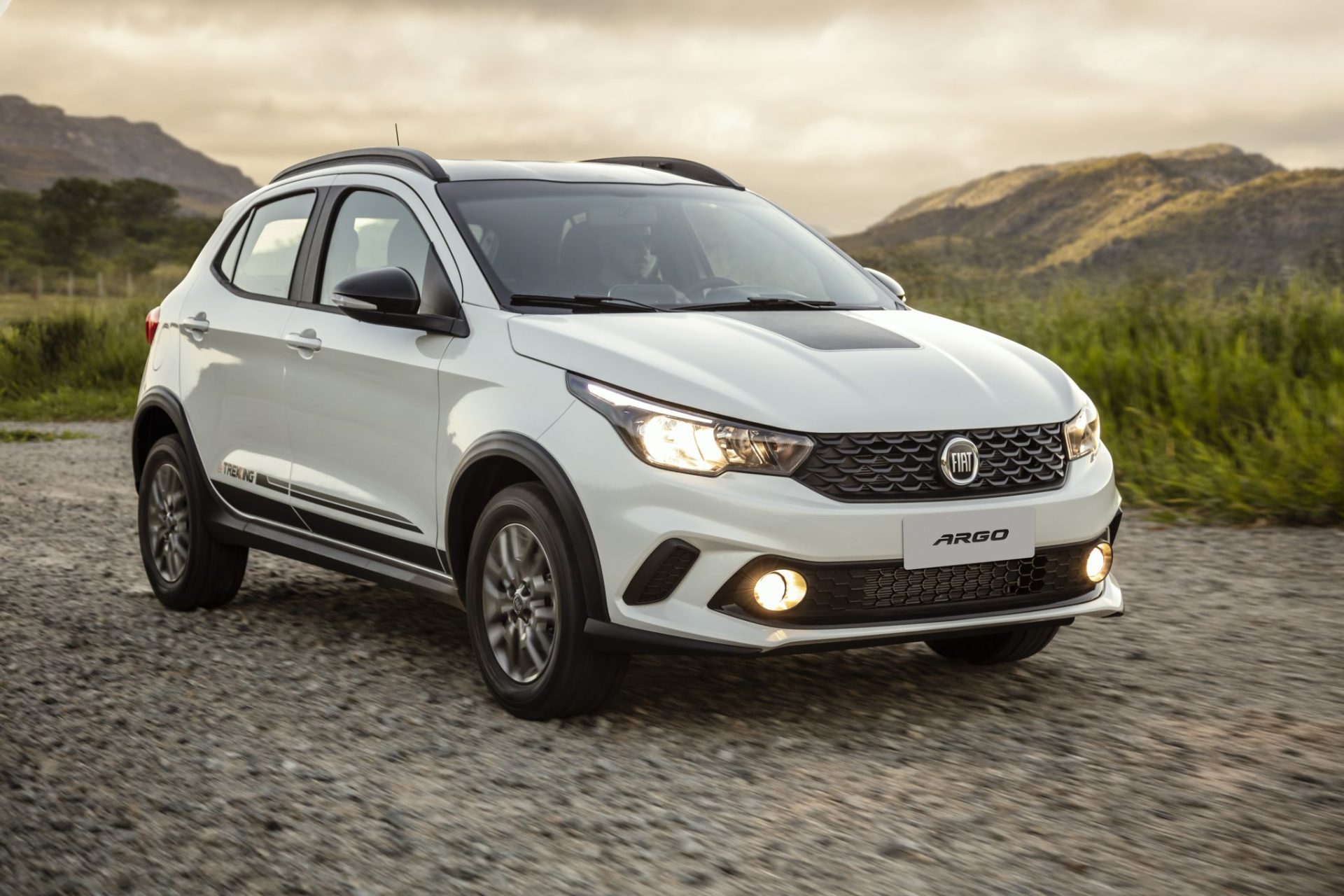
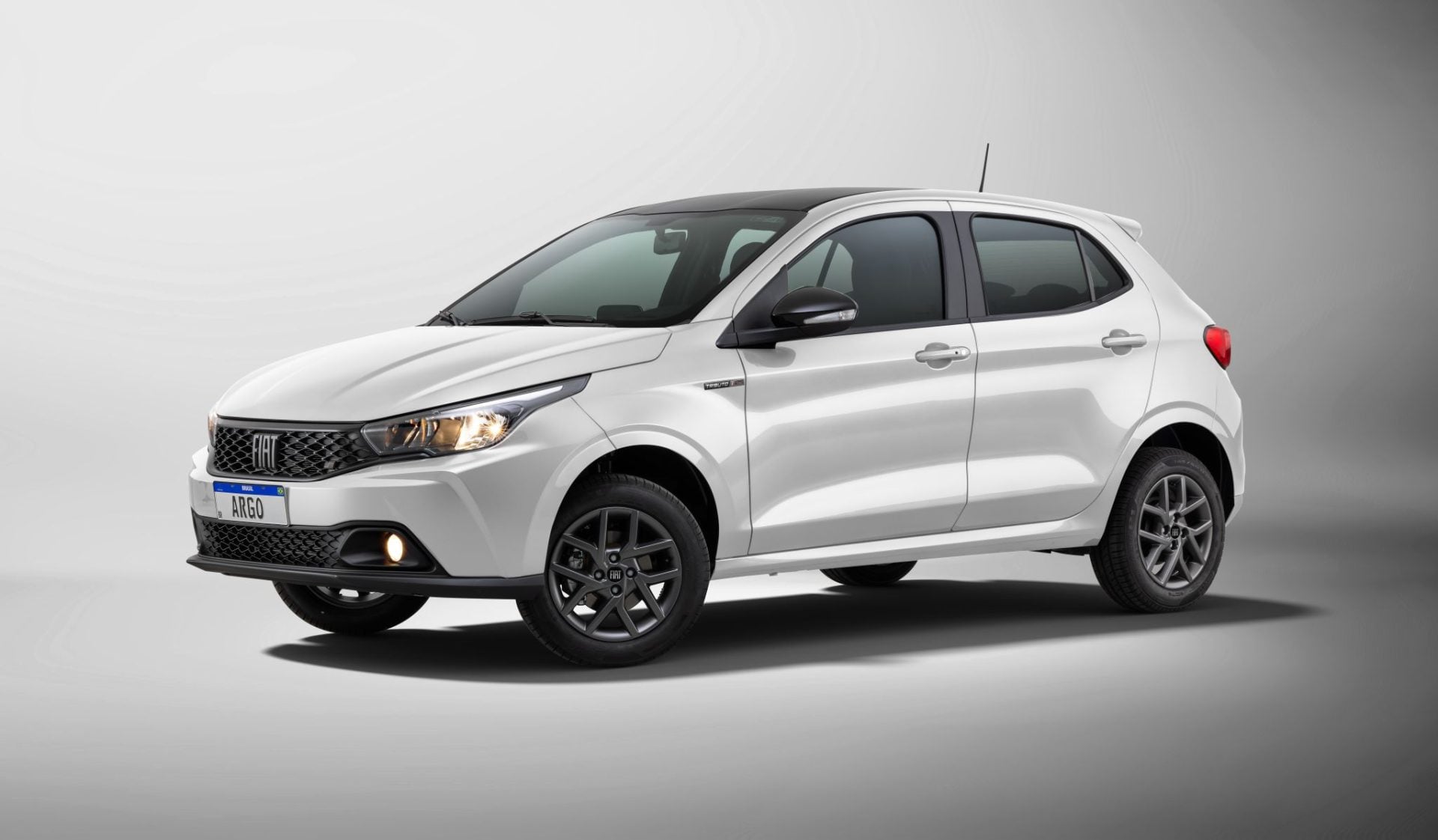
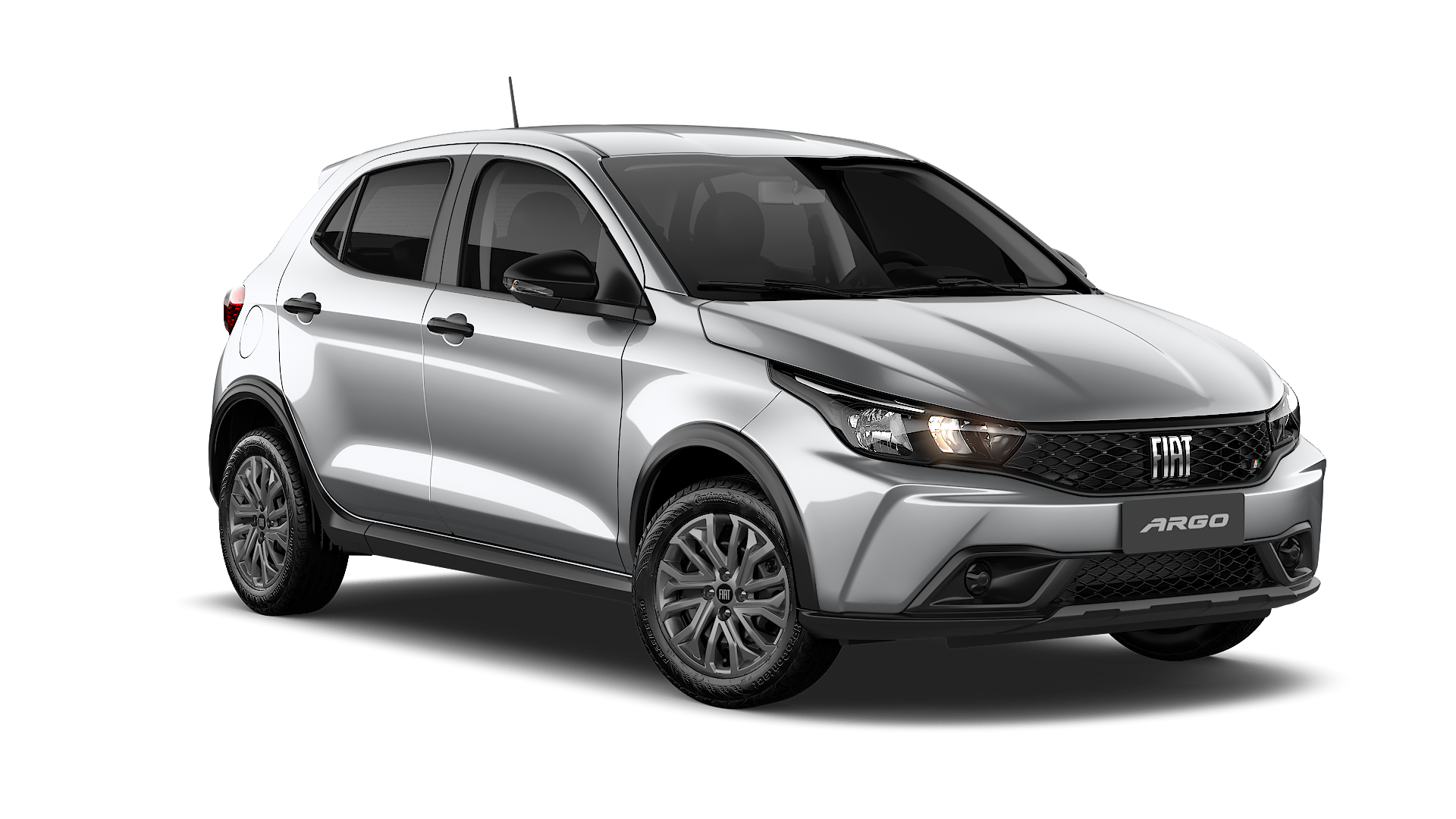
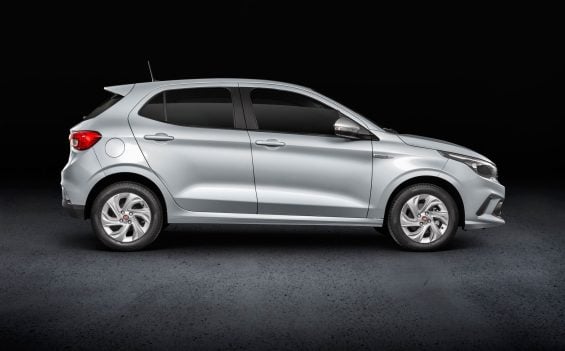
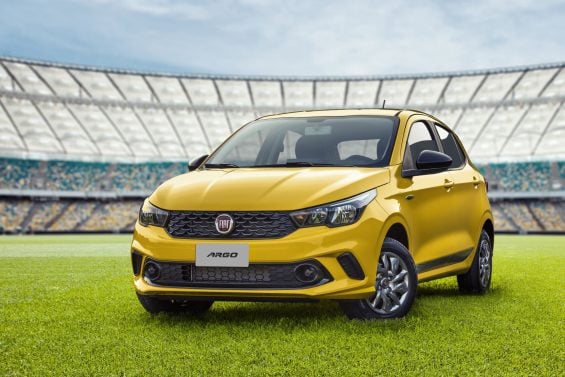
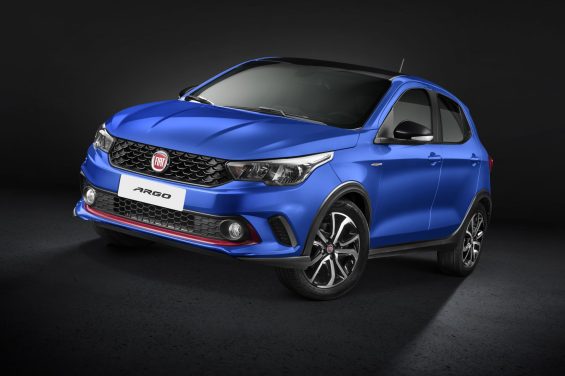
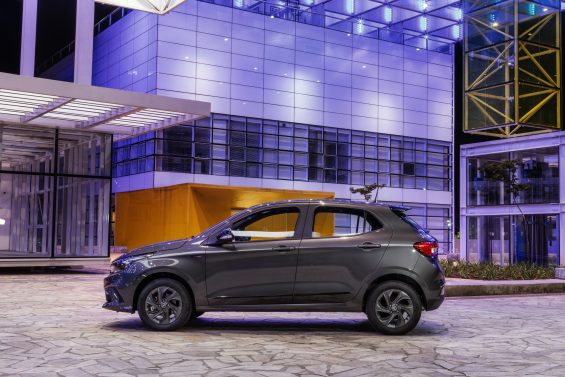
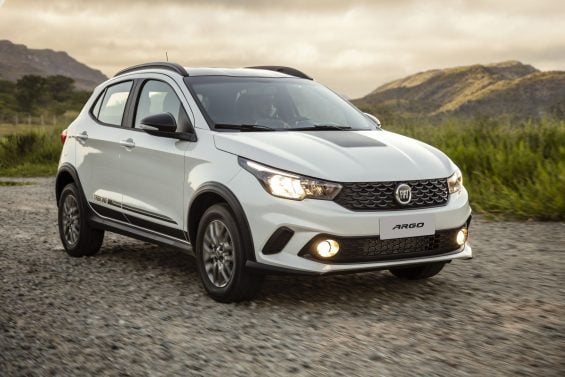
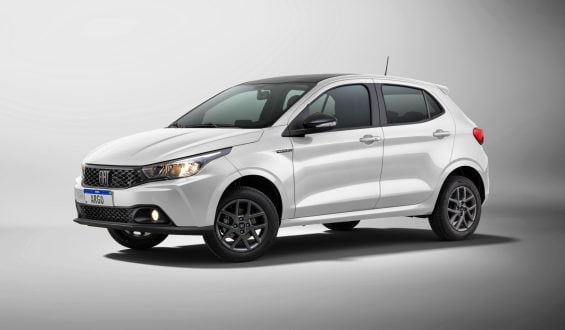
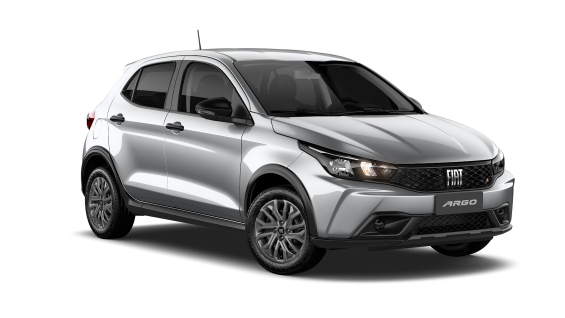
In the first quarter of 2026, the Argo remains the fourth best-selling car in the country, based on Renavam registration data. In this sum of the year, there are almost 20 thousand units, behind only Chevrolet Onix, Volkswagen Polo and the supreme leader Fiat Strada.
Recently, in January, the Fiat Argo reached the mark of 700 thousand cars produced in Betim (MG). In domestic sales alone, the compact has accumulated almost 665 thousand licenses since its launch.
Until recently, the Argo Drive offered the possibility of a 1.3-liter engine with a five-speed manual transmission – today, this combination is only available at Trekking. But those who want a semi-new or used one, for example, and prefer a manual gearbox, are worth the option.
Especially because if you get an Argo Drive 1.3 until model year 2022/22, you still get the “root” power of the set. That is, 109 hp with ethanol and 101 hp with gasoline that provide good responses to the accelerator pedal.
The four-cylinder, 6-valve engine develops interestingly up to 60 km/h. Then, it takes some patience to raise the speedometer pointer. Even so, the 0 to 100 km/h is honest, under 11 seconds.
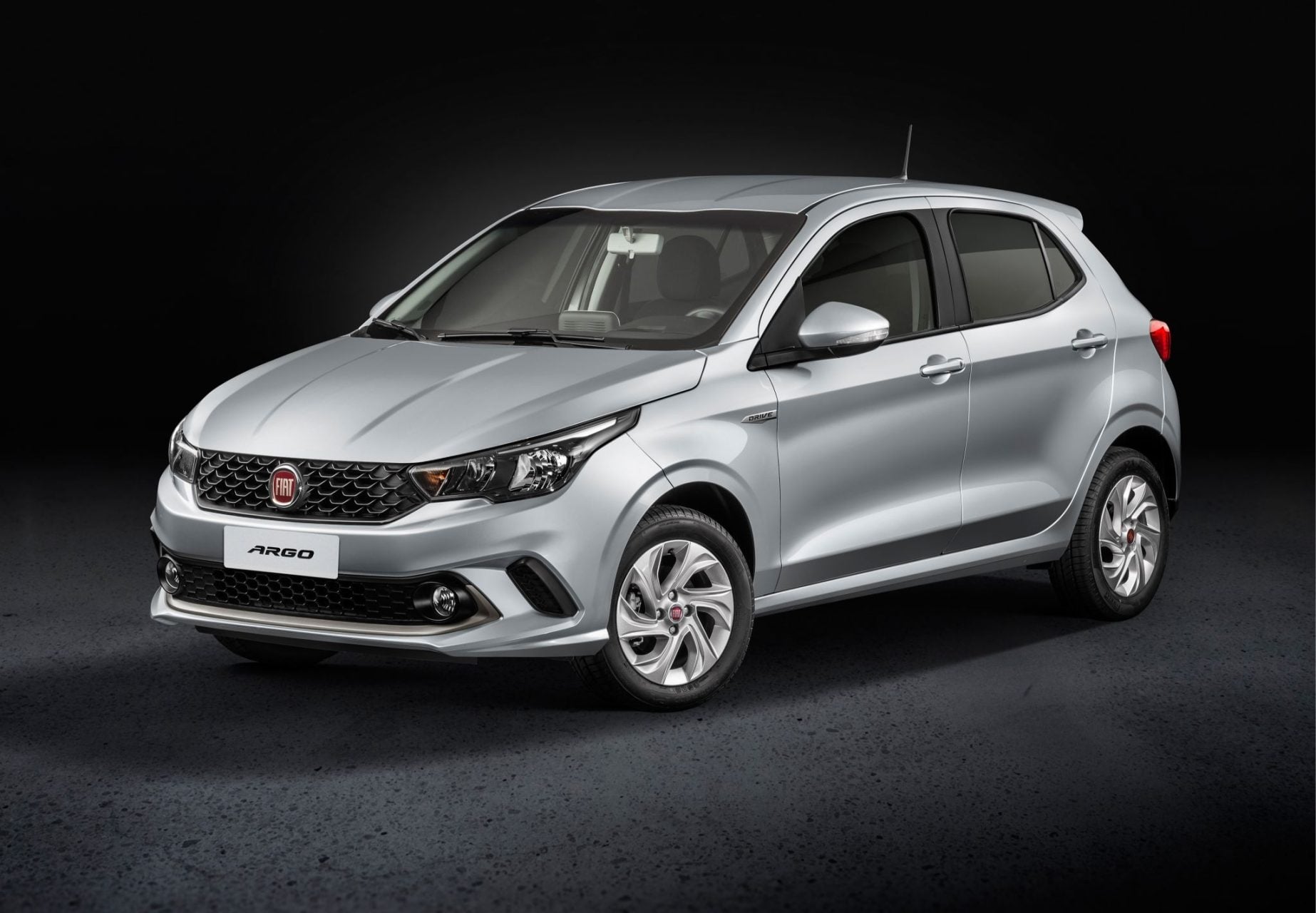
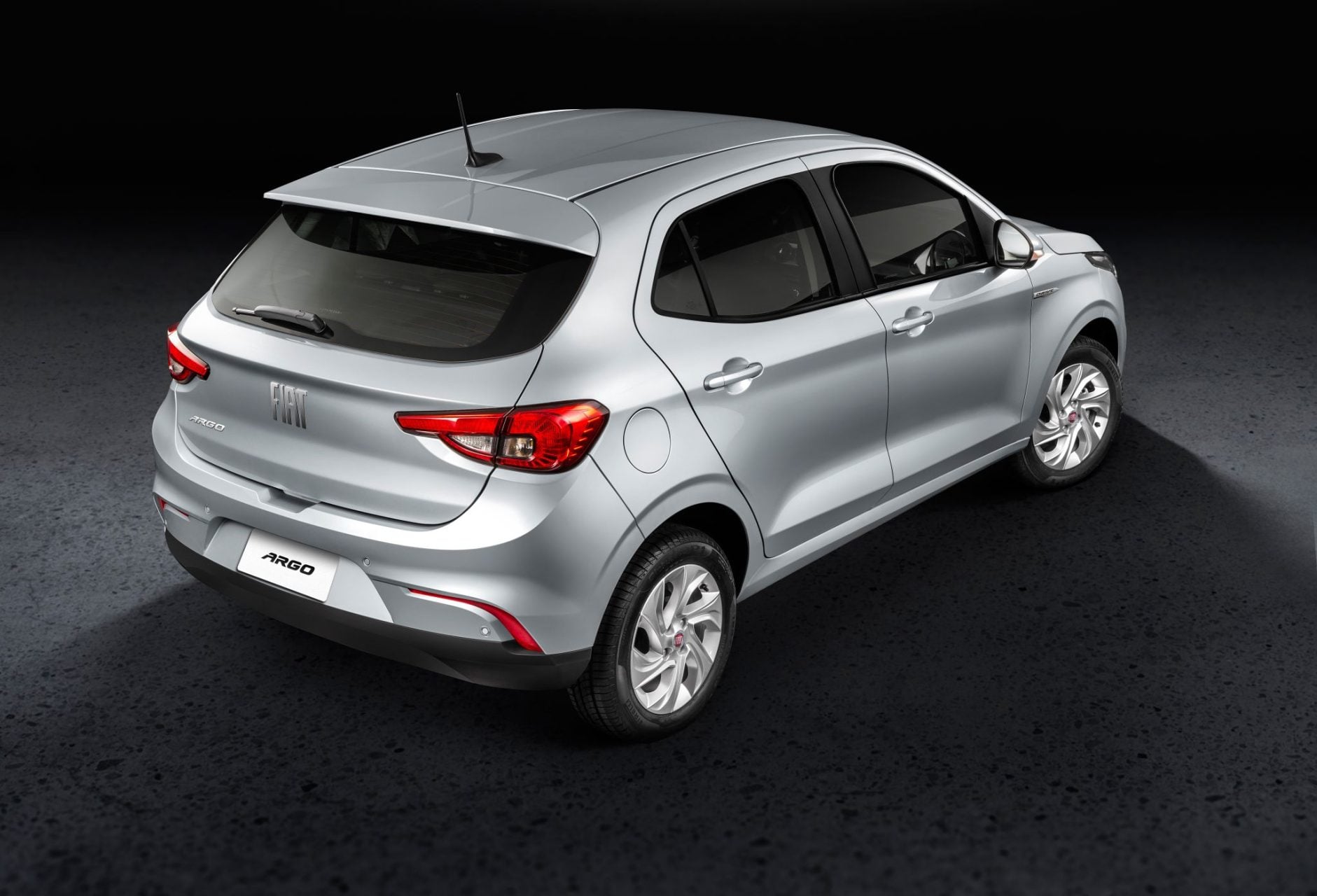
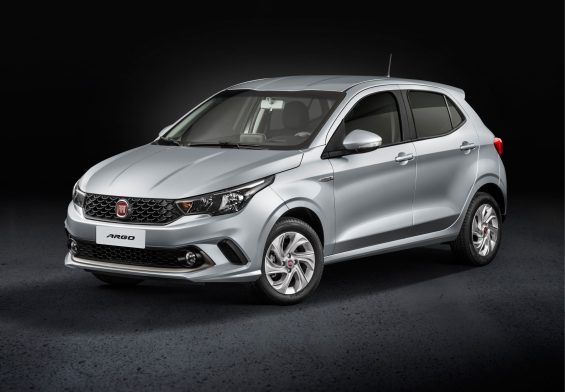
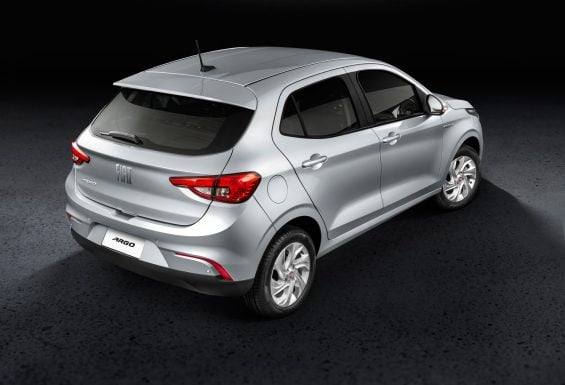
On the road and uphill, it is necessary to leave the engine close to 3.500 rpm and call the transmission to have more assertive retakes. The maximum torque is 14.2 kgfm with ethanol and 13.7 kgfm with gasoline.
The C513 manual transmission of the Argo Drive 1.3 is even well staggered, but asks for some stretches in the starts. What bothers is precisely the long travel of the lever and the somewhat spongy engagement. Something common in other Fiat manual models.
The consumption of the manual Argo Drive 1.3 with original power is 9.1 km/l in the city with ethanol and 10.5 km/l on the highway. With gasoline, averages of 13,1 km/l and 15 km/l, respectively.
The Argo Drive 1.3 with automatic transmission was only launched in 2023. And it brings one of the best engine combinations with a continuously variable gearbox (CVT).
The power was reduced to meet the standards of Proconve L8. Even so, not much. There are 107 hp with ethanol and 98 hp with gasoline. It implied a slightly longer time in the 0-100 km/h: 11.2 seconds, according to Fiat.
That’s because the CVT gearbox works well the middle ground between comfort and performance. With seven simulated gears, it scores the starts without that drowsy rev insurance of the traditional continuously variable gearboxes.
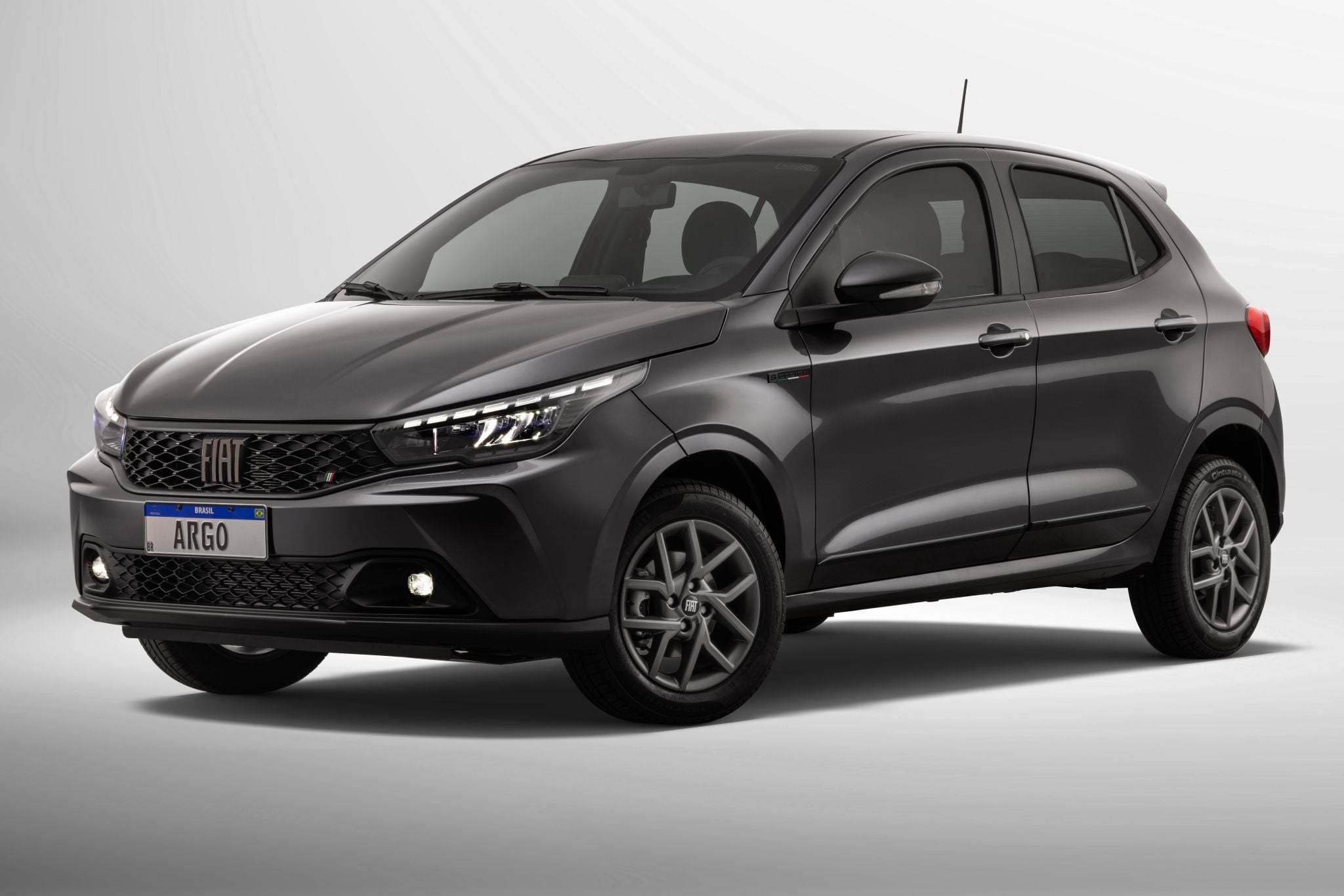
Even in retakes, the transmission quickly understands the force on the accelerator pedal and the performance conditions to deliver the 13,7/13,2 kgfm of torque – which, here, are only available at 4 rpm.
Consumption is what gets a little worse on the Fiat Argo Drive 1.3 AT. With ethanol, it is 9.0 km/l in the urban cycle and 10.3 km/l in the highway. With gasoline, respectively 12.8 km/l and 14.3 km/l.
The Argo has always stood out for having a more comfortable cabin than most of its competitors, such as Chevrolet Onix and Hyundai HB20. It’s not a prime of space, but in the front the driver has enough room for legs and knees, and doesn’t rub his arm against the colleague who is hitchhiking.
It bothers the very large steering wheel and with limited adjustment angles. This compromises the driving position, which can tire on longer trips. Another negative point is the aforementioned gear knob with inaccurate couplings and softeners.
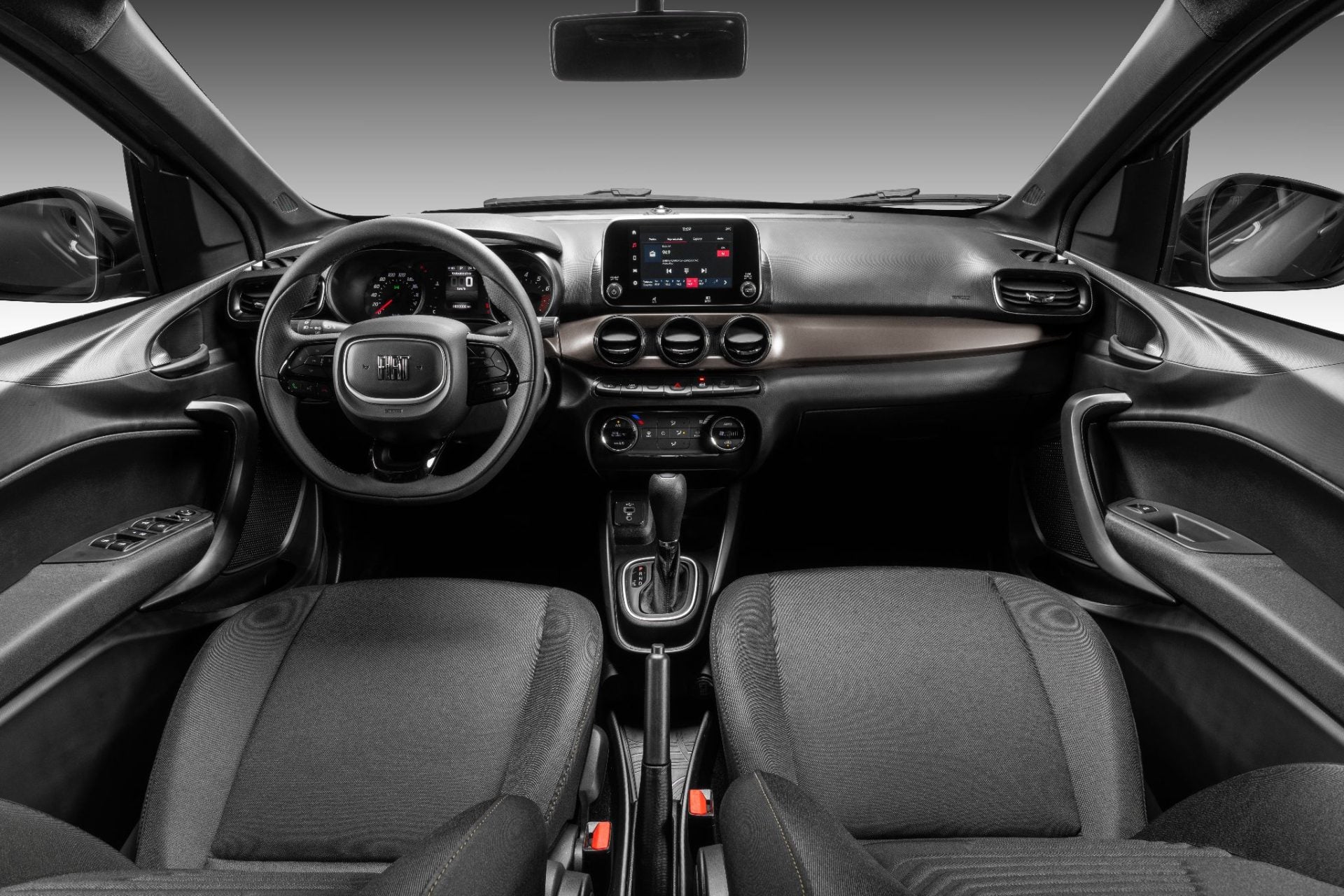
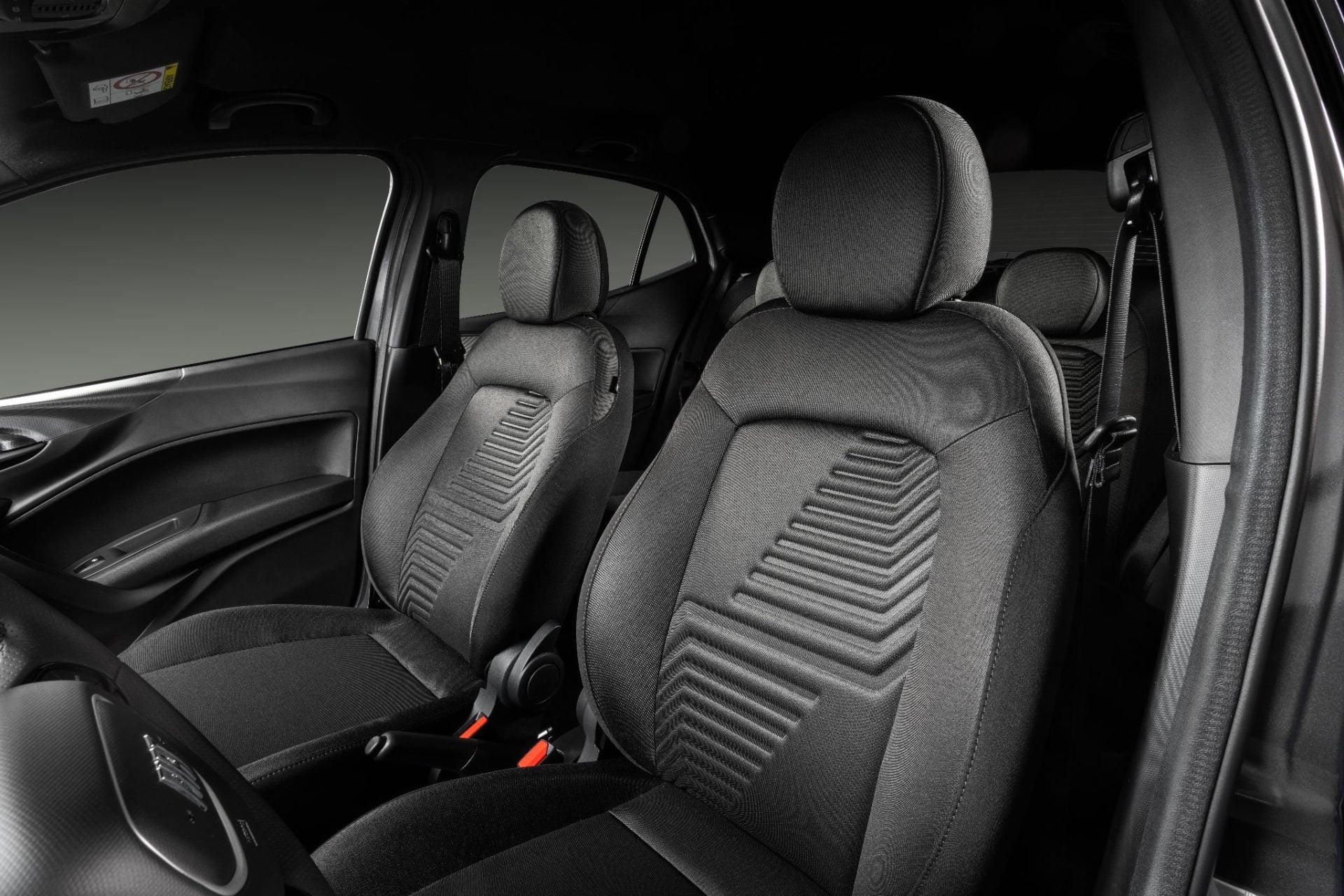
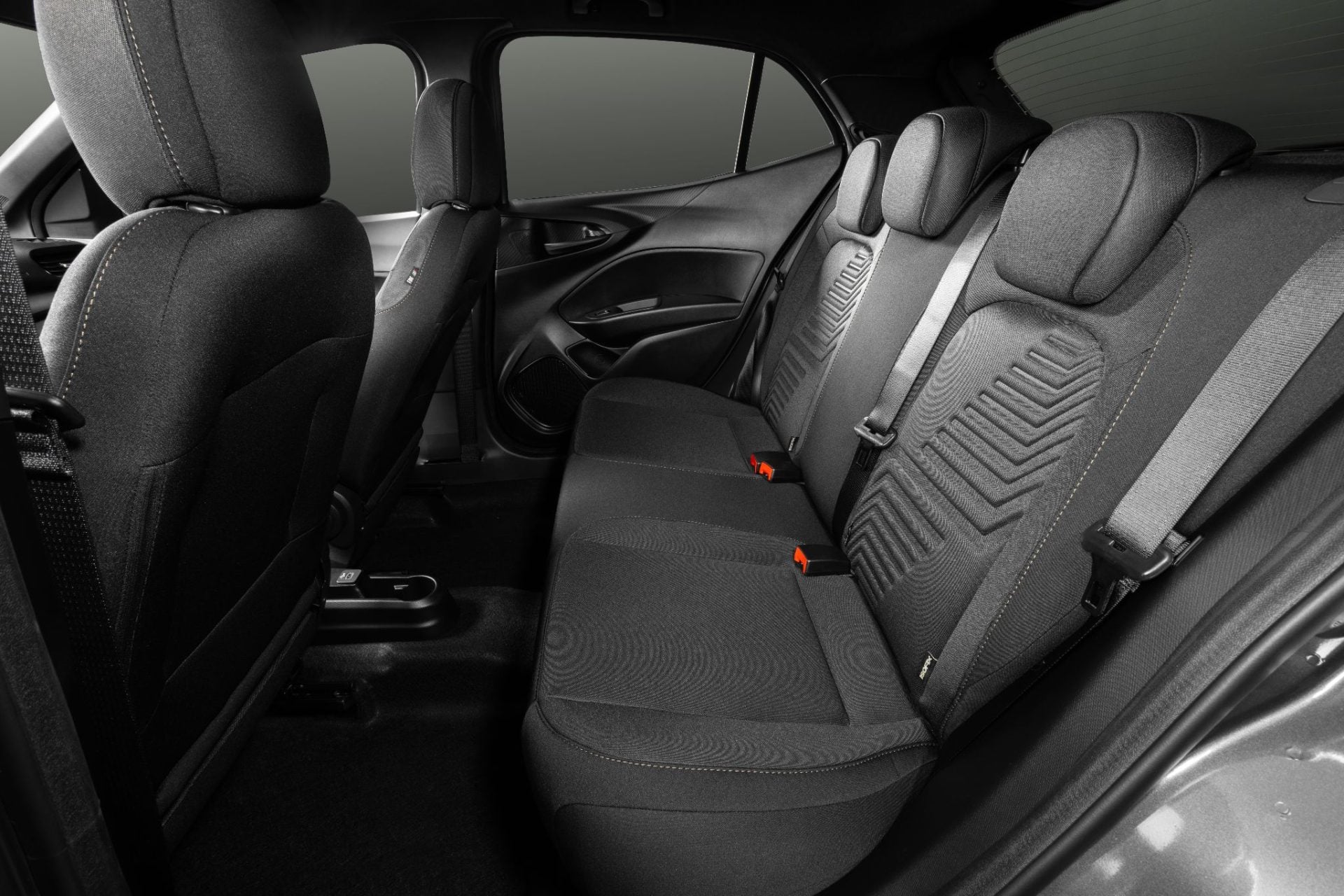
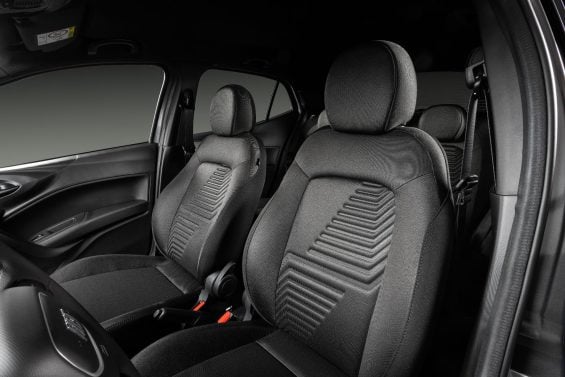
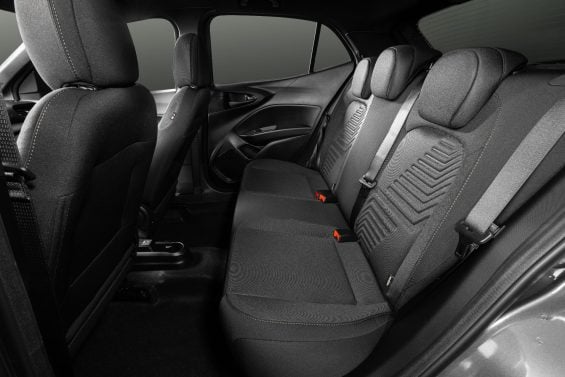
In the rear seat, there is decent space for two adults. Even a child in the middle seat can travel peacefully. The trunk takes 300 liters, more or less the same as the Polo and slightly larger than the Onix and HB20. The compartment opening space makes it easier to place luggage.
Acoustic insulation has improved in recent years in the Argo line, but it still needs further refinement in situations of higher revs and speeds. The interior finish, in turn, has also evolved: it has a lot of plastic and is higher than the average in the compact hatchback segment – and even that of Fiat’s history.
The Fiat Argo Drive 1.3 AT 0 km costs R$ 108.990 and is among the most complete in the compact line. Even so, it must have equipment such as more airbags in addition to the mandatory front airbags, electric mirrors, steering wheel depth adjustment and alloy wheels.
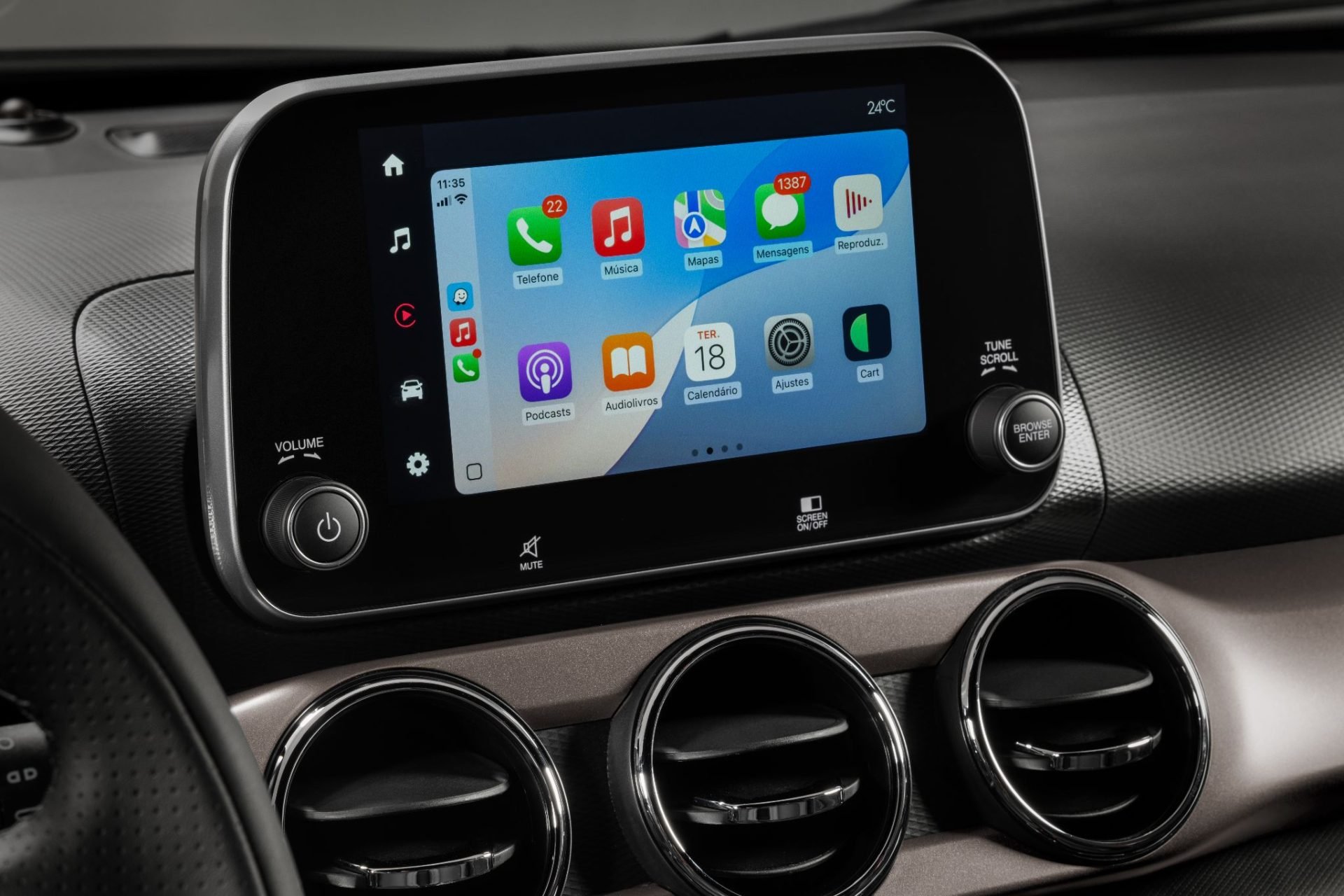
The Uconnect multimedia center, despite the 7″ screen, is easy to operate and allows connection to Android Auto and Apple CarPlay wirelessly, voice commands and has two USB ports.
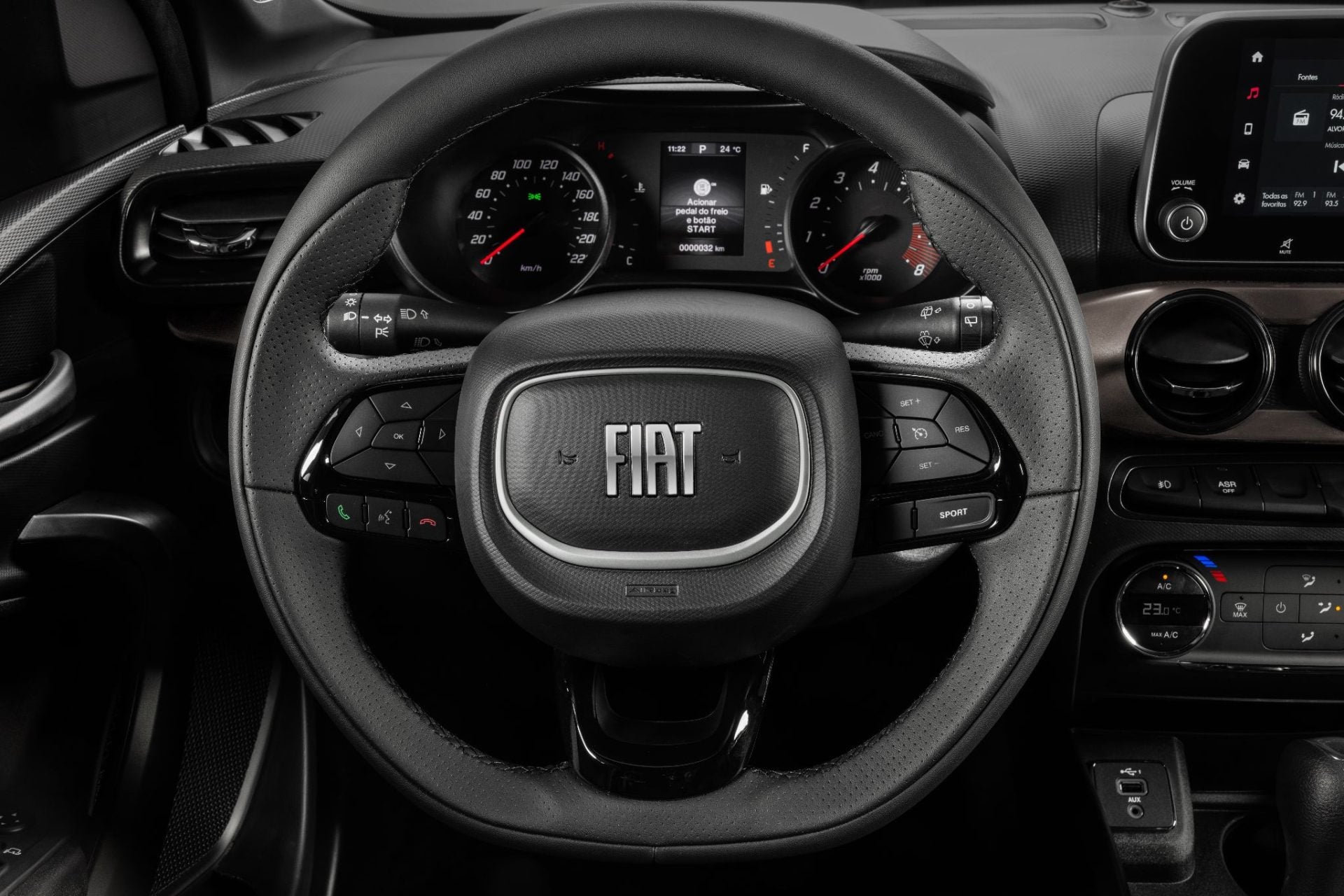
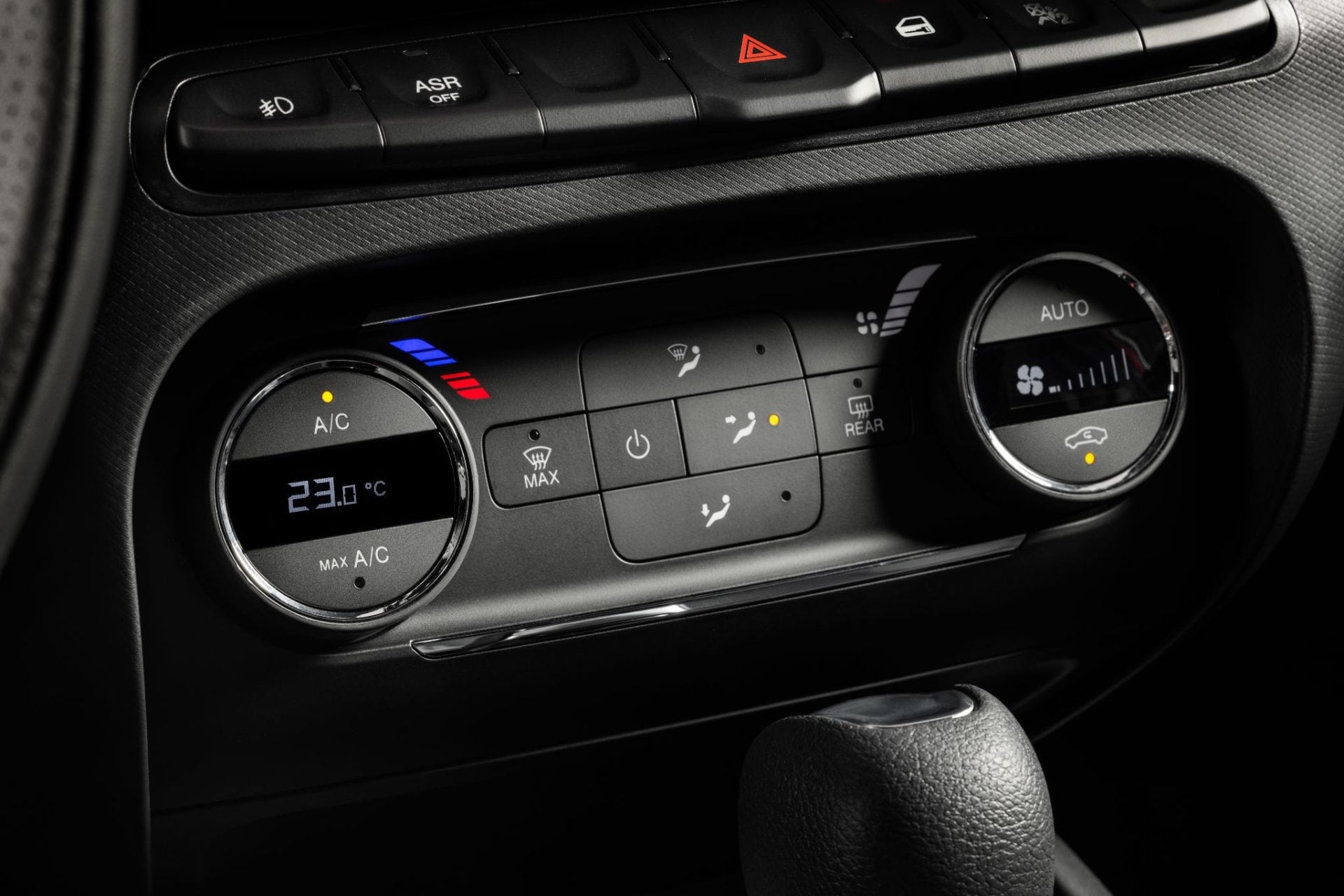
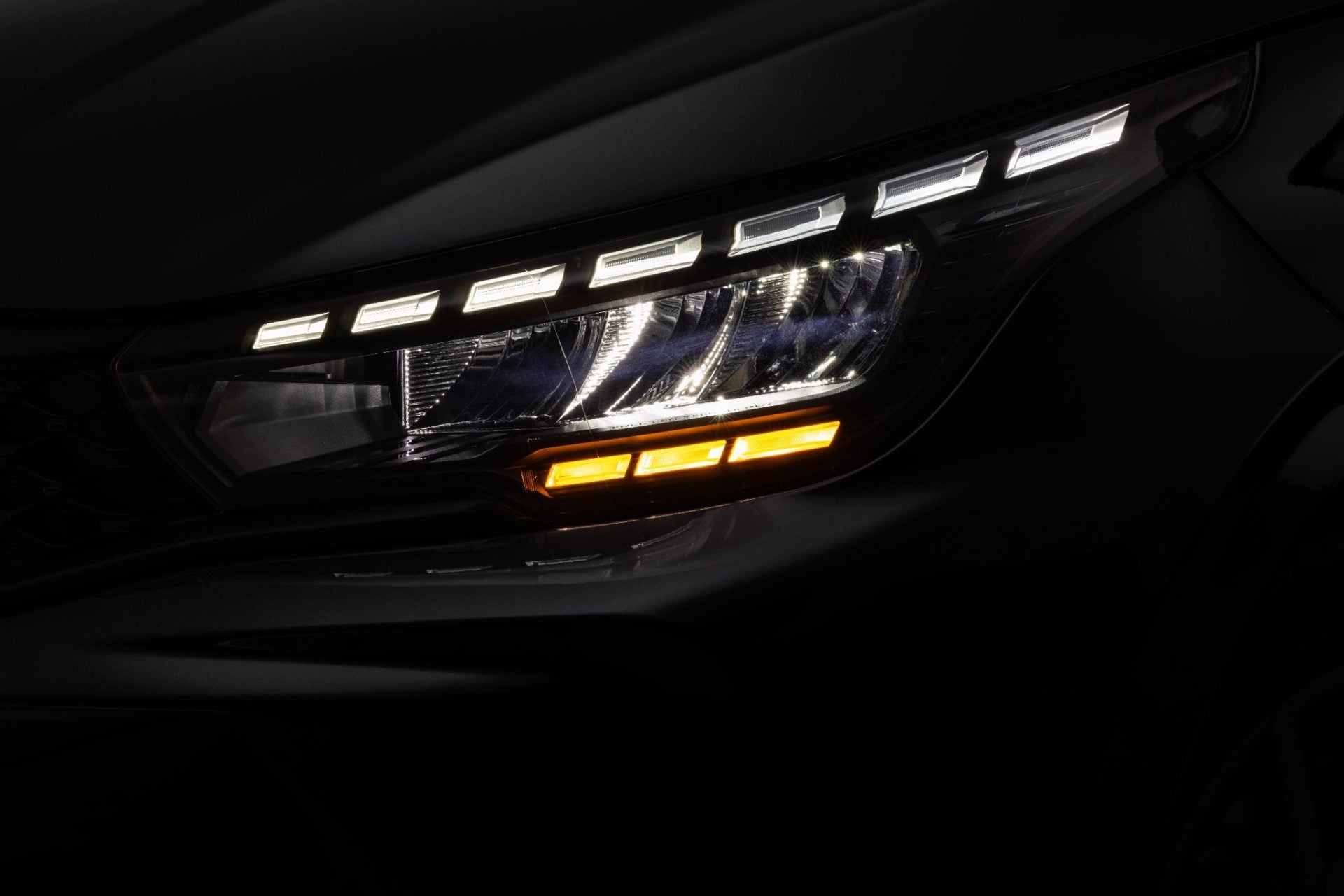
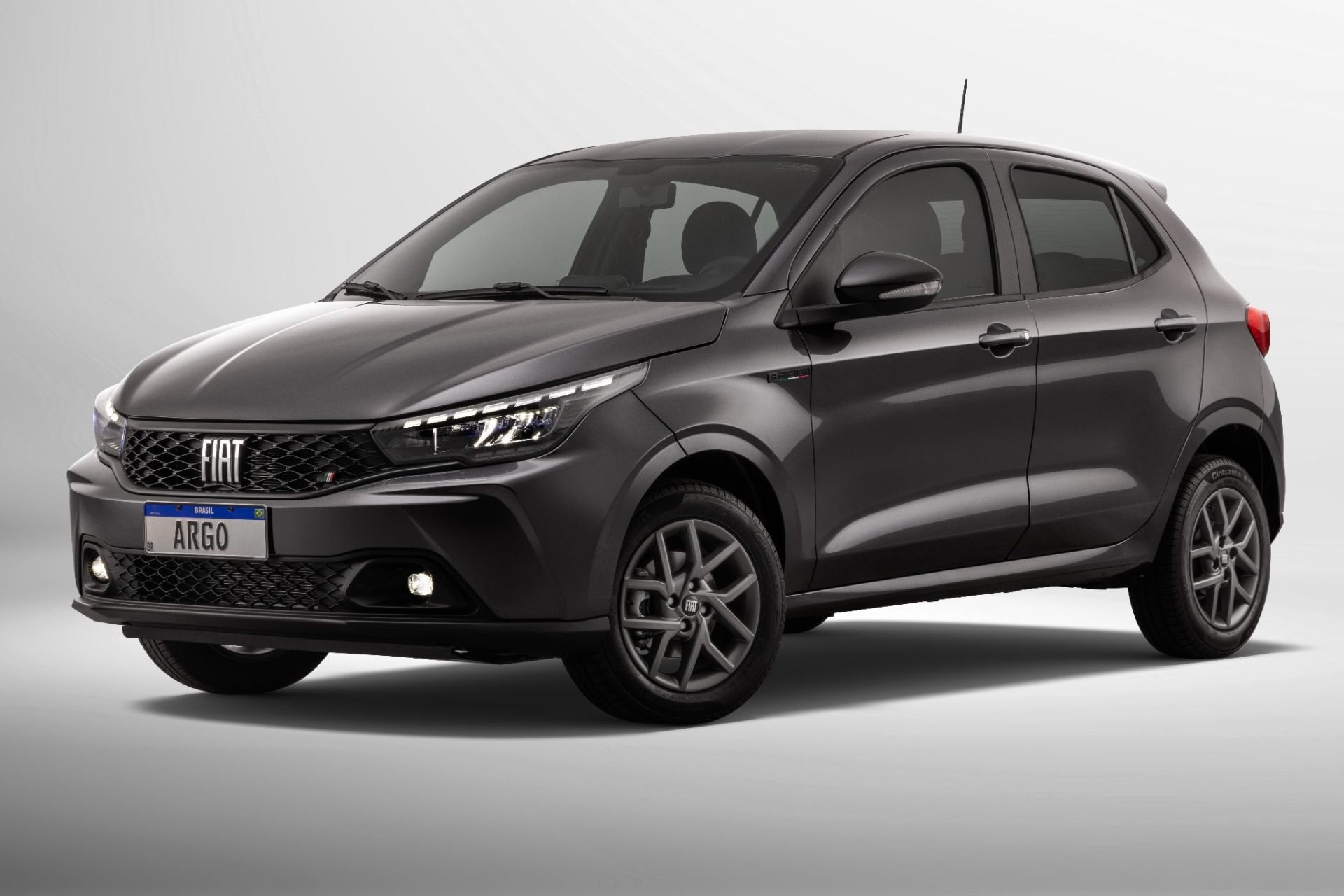
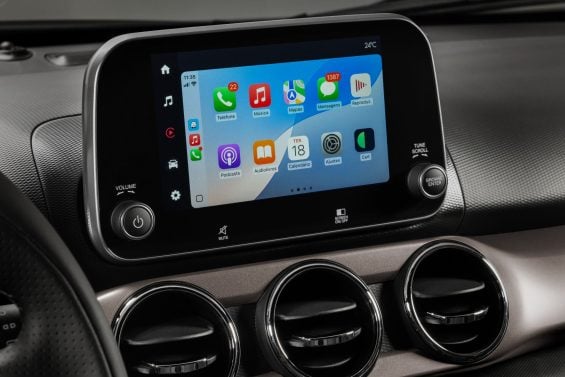
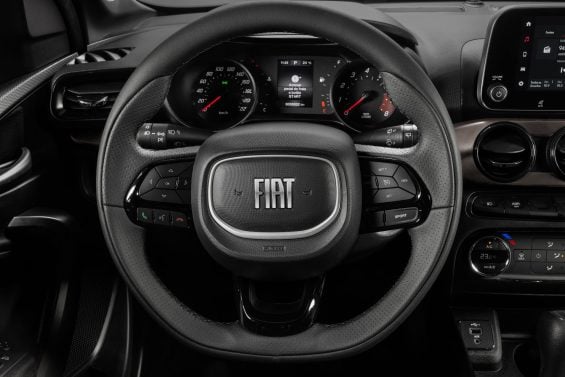
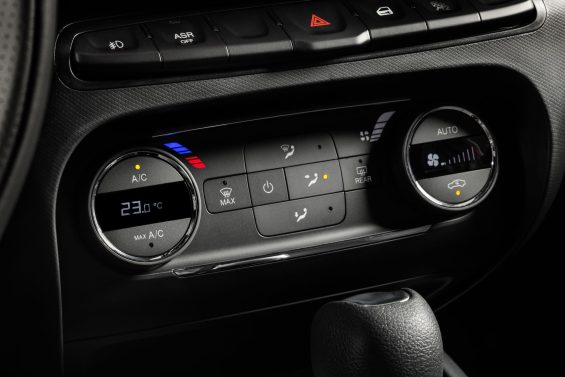
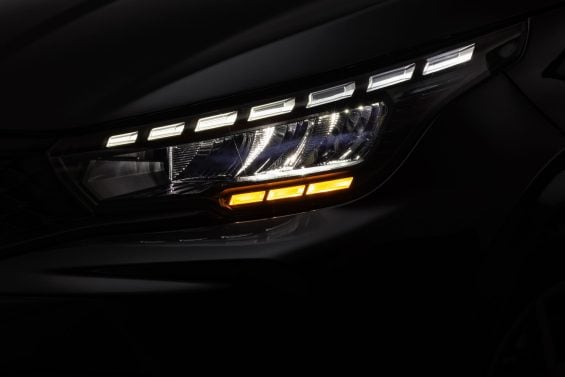
Overall, the model leaves the factory with full LED headlights, tire pressure monitoring, air conditioning, electric front windows and locks, switchblade key, alarm, cruise control and steering with electric assistance.
To be more stuffed, you need to resort to the S-Design package, which costs R$ 4.090. It adds a reverse sensor, electric mirrors with tilt down function, rear electric windows, LED fog lights, face-to-face key with push-button start, darkened 15″ alloy wheels and safety handles on the roof.
For those who want a used one, there is the Argo Drive 1.3 manual already mentioned, year 2022. It comes with basically the same standard items as the 0 km – it must one or another equipment – and, according to KBB Brasil, has an Average Dealer Price of R$ 64.654 (values calculated in April 2026).
Fiat will launch a new compact with the look of a tall SUV and based on the European Grand Panda later this year. The model is already treated as the new generation of the Argo to fight precisely in the hatchback segment.
However, the current Argo can continue in line. The expectation is that Fiat will keep the current hatch in a basic version with a 1.0 engine to bridge the gap between the Mobi and the new model.
The warranty is three years. The maintenance plan for the automatic Fiat Argo Drive 1.3 provides for fixed-price revisions every 10 km or 1 year, with regular values (calculated in April 2026). Check it out:
For those going by Argo Drive 1.3 manual used, an overview of the average prices of the parts:
In forums about the car and on the Reclame Aqui website, many Fiat Argo owners complain about problems with the steering box. Reports even speak of the need to change the part in models that are not well run.
Versions with start-stop also usually have defects and failures in the system. Be aware: there are still unusual noises coming from the rear suspension and alarm that goes off on its own for no reason.



