The third largest federal road in Brazil has a troubled history and crosses a scenario that was not made for vehicles
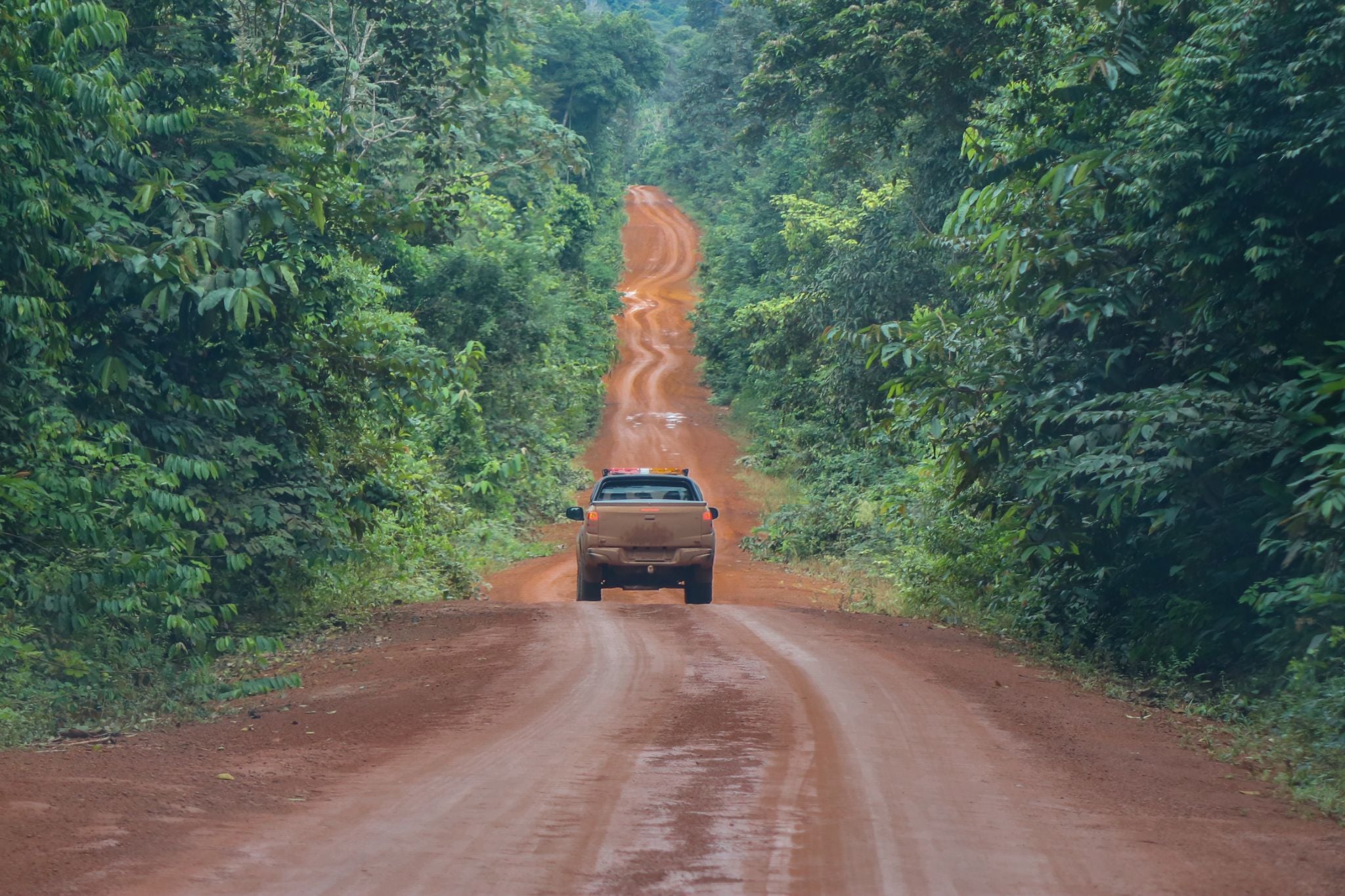
The BR-230, also known as the Trans-Amazonian, became a topic on social networks due to an expedition made by influencers. It is headed by mechanical engineer and preparer Ricardo Freitas, known as Ricardinho ACF, who is behind the wheel of a Triton Savana supplied by Mitsubishi itself.
The journey is broadcast live on the ACF channel and, with that, many Brazilians discovered what the Trans-Amazonian highway is really like. They also traveled along the BR-319, which connects Manaus (AM) to Porto Velho (RO).
SEE ALSO:
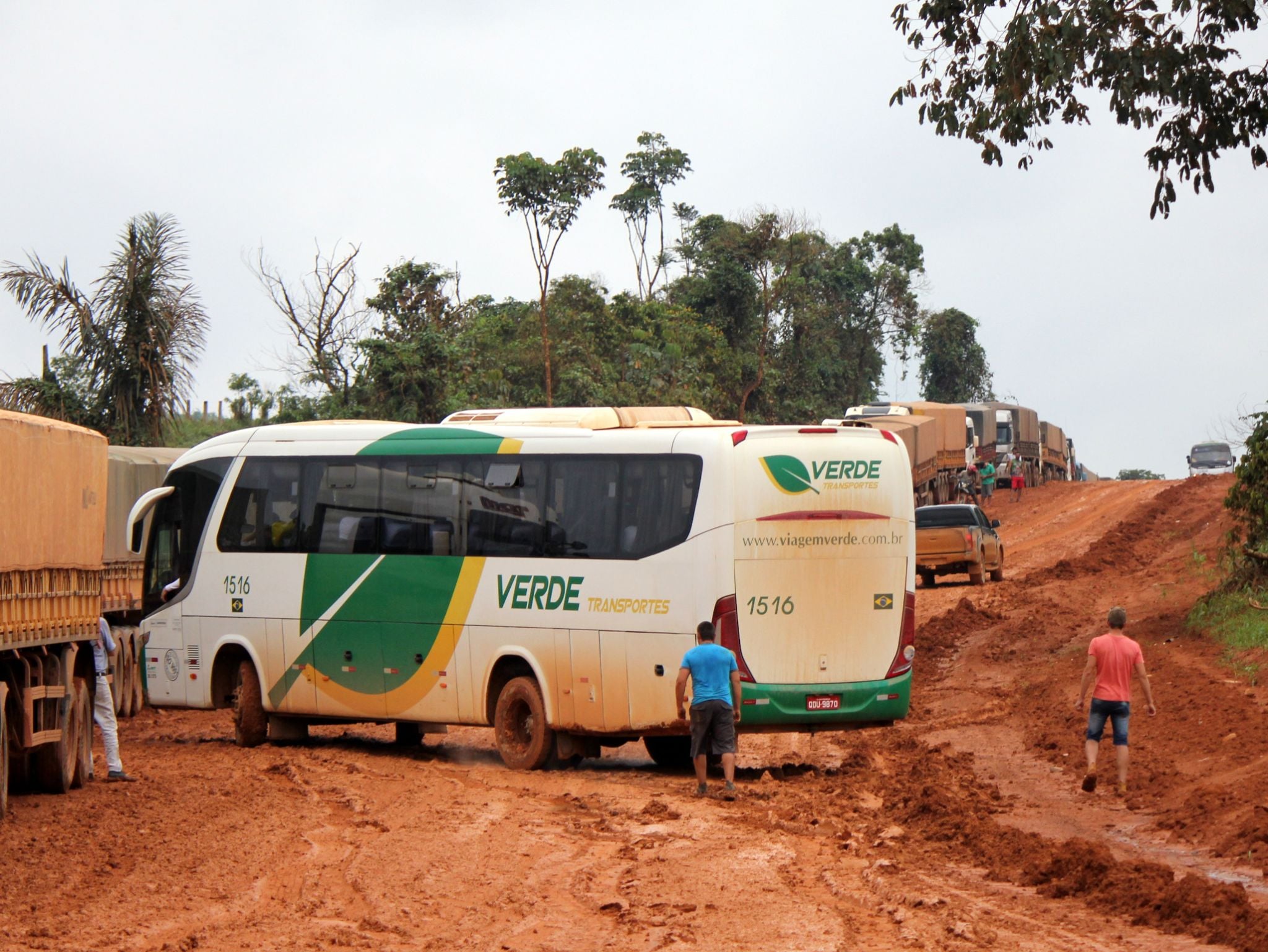
Although the expedition uses 4×4 pickup trucks and a UTV, the daily life of the Trans-Amazonian is similar to that of ordinary highways: many trucks, buses, small cars and motorcycles run there to carry cargo and people. The lack of asphalt makes everything difficult and makes travel more difficult.
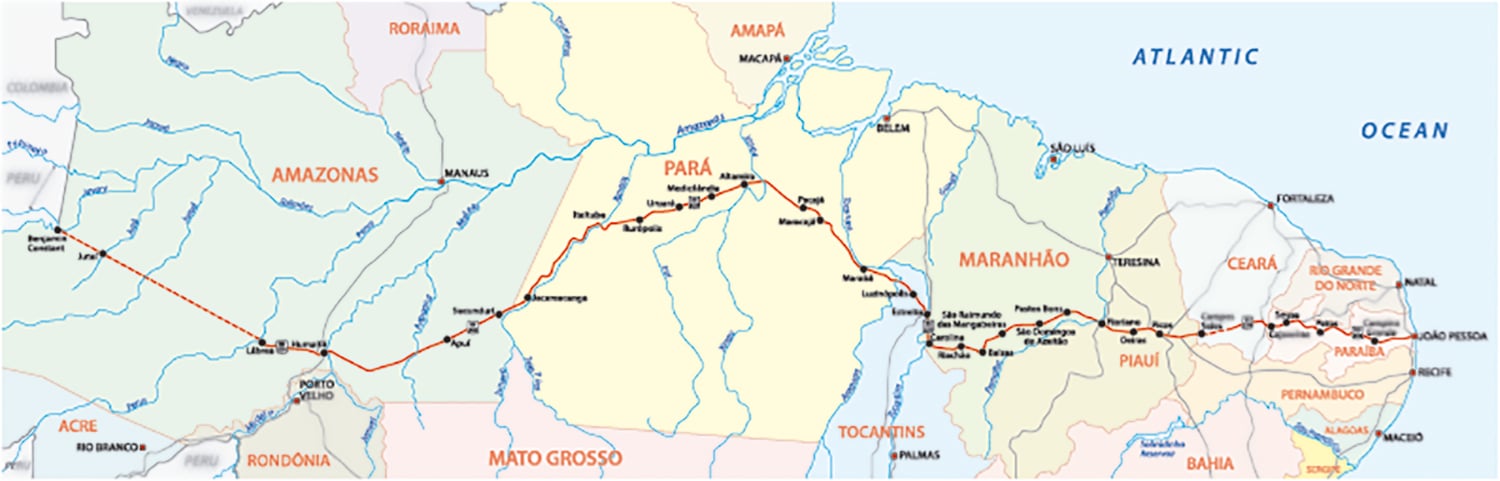
The Trans-Amazonian highway begins in Cabedelo, Paraíba, and ends in Lábrea, Amazonas. In its 4,260 km of extension, a considerable part is paved, but we are talking about the part that cuts through the Northeast.
In the state of Pará, it begins to cut through the Amazon rainforest and loses its pavement. The reason for this lies in the characteristics of the region’s soil: it is unstable and with large areas of flooding. When it rains, it turns into thick clay.
There is also the local climate, where rainfall is constant in the period between December and May. Outside this time the soil becomes drier and traffic is less complicated.
The same goes for BR-319. The Minister of Infrastructure of Jair Bolsonaro’s government, Tarcísio Gomes, even announced the asphalting of sections of this highway in 2020. However, the service has not yet been done and is still the subject of discussions about feasibility.
The Trans-Amazonian highway was one of several works carried out during the military regime with the National Integration Program. The then president Emílio Garrastazu Médici believed that the road would encourage the development of the northern region and solve the problem of drought in the northeast.
The project was troubled because there was no consensus even within the military government. There were generals who warned about the risk of deforestation and asked for more detailed planning.
In the end, the Trans-Amazonian highway was almost built “by force”. The works were carried out by the military, who had no experience in road construction, deforestation occurred in the surroundings to establish agricultural projects, local communities were forcibly displaced, and native species were killed.
Nowadays this highway is still criticized, because instead of bringing progress it ended up facilitating clandestine mining and deforestation in the region. The promised development has not yet arrived, it may have been bogged down by the trucks.



