Check out what the blind spot is, where it happens and tricks to reduce it and prevent traffic accidents
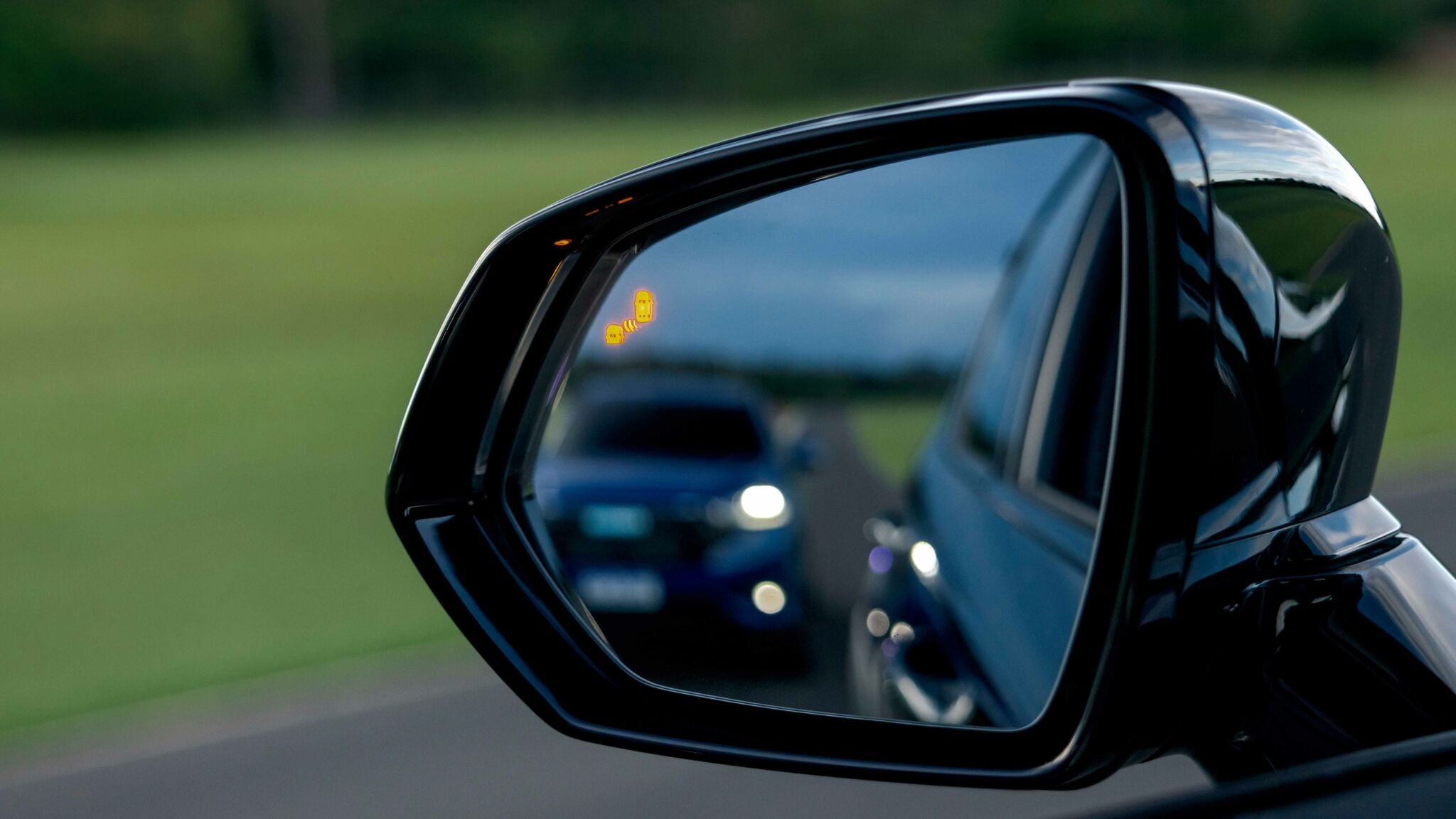
The blind spot is among the factors that most cause scares and light collisions in traffic. This is because cars, motorcycles, bicycles or pedestrians can occupy these areas around the vehicle without the driver noticing, as they do not appear in the mirrors, even when they are correctly adjusted.
Therefore, especially during maneuvers and lane changes, it is important to be attentive, to know how to identify where these areas are and to adopt basic precautions to preserve safety.
SEE ALSO:
The blind spot corresponds to the region around the vehicle that cannot be directly seen by the driver, that is, it is not possible to see it only through the mirrors. It is present in all cars, regardless of size or model, and is usually concentrated on the rear sides, precisely areas where other vehicles can approach without being noticed.
This limitation stems from both the human field of vision and the position of the mirrors themselves. Even with proper adjustment, there will always be a small band out of visual range. The Minas Gerais Fire Department was able to exemplify in a very didactic way the parallel between the driver’s vision and the vehicles that can occupy blind spots.
For this reason, knowing these areas and adopting habits that compensate for this natural limitation is essential to drive more safely.
Some simple and practical measures of conscious driving help to considerably reduce the blind spot and increase traffic protection:
These precautions make a difference in the routine and allow you to anticipate risk situations, especially on roads with heavy traffic.
In larger vehicles, such as SUVs and pickup trucks, the blind spot areas tend to be larger due to the height of the body and the design of the rear pillars.
Although the driver’s elevated position favors frontal vision, it can make lateral and rear perception difficult — especially when parking maneuvers or lane changes.
To minimize this effect, it is recommended:
In addition to representing a point of attention, as they easily hide in areas that are not visible, motorcycles also have blind spots thanks to two complicating factors:
The blind spot is an inevitable limitation, but it can be managed with attention and good practices behind the wheel. Taking the measures mentioned above, maintaining proper posture and constantly observing the surroundings are simple attitudes that reduce the probability of collisions and increase safety.
In addition, in the latest models, technology can also be of great help. The blind spot alert emerges as an ally: through sensors, the system identifies the approach of vehicles in non-visible areas and issues visual or audible warnings.
However, this device should not be a ‘crutch’ for the driver, but act only as a complement and never as a substitute for attention.



