In 2027, Brazilian emissions standards will become more demanding and electrification will be the solution for combustion cars

The Vehicle Emissions Control Program (Proconve) entered the eighth phase in January 2025. Its regulation contains even lower limits that will come in every two years until 2031. To meet them, many national cars will need to become hybrids.
Brazilian legislation stipulates maximum limits for emissions of corporate pollutants. That is, an average is made among all cars considering the sales volume. This means that not everyone needs to be hybrid.
SEE ALSO:
The second phase of Proconve L8 comes into force in 2027, the third will be in 2029 and the fourth will be in 2031. With this, we will see a staggered growth in the supply of national hybrid cars.
The simplest way to fit these requirements is with mild hybrid systems. They are simpler than a full hybrid and already alleviate the combustion engine situation.
In the long run, the only difference for the owner is the exchange of a small lithium-ion battery. In full or plug-in hybrids there are more changes and a larger battery.
There is no standardization in mild hybrid cars, each brand sees it in a different way. Fiat has a simpler 12-volt system, other brands will use a 48-volt one. In the latter, one or two electric motors can be used, there are cases where the battery takes care of the peripherals to relieve the combustion engine.
We will bring here the cars that are most quoted or confirmed to become hybrids in the near future. Most will arrive in 2027 with the new standards, or will be brought forward to take advantage of face-lifts and year/model changes.
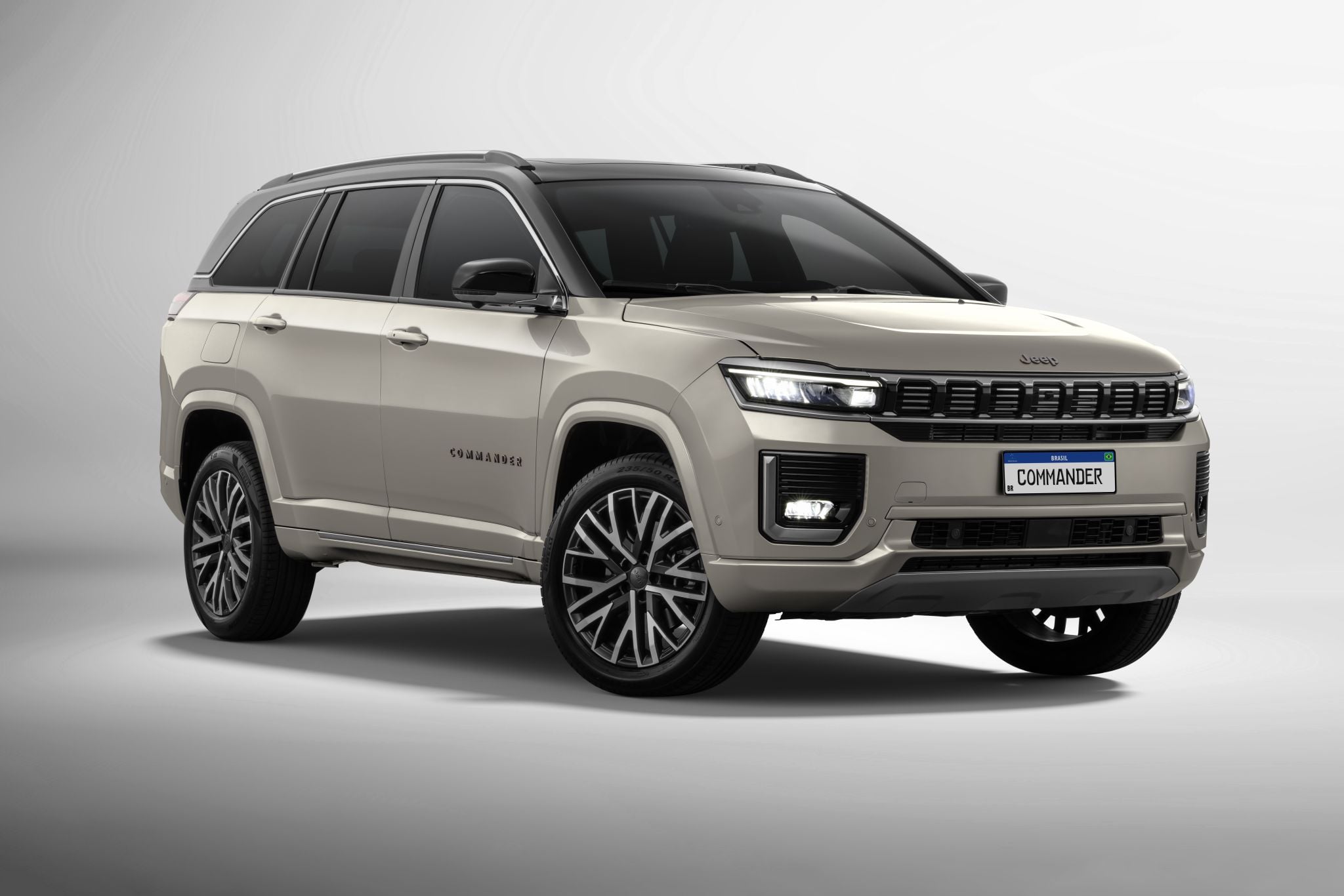
While cars with a 1.0-liter turbo engine from Stellantis are receiving the 12-volt mild hybrid system, those equipped with the 1.3-liter turbo will have a 48-volt one. The operating principle is similar, but the more powerful battery will allow greater assistance.
This electrification is expected to debut soon with the restyled Jeep Renegade and will be extended to the Compass and Commander brothers. At Fiat it will be adopted by Toro, Fastback Abarth and Pulse Abarth.
The 12-volt mild hybrid is already used by the Fiats Pulse Fastback and the Peugeot 208 and 2008. In the next few years, Stellantis will launch the Jeep Avenger and the new generation of the Fiat Argo with the same mechanics.
The Autos Segredos portal found that they will have the 1.0 turbo recalibrated to 116 hp. In addition to reducing emissions, this power fits them into the Federal Government’s sustainable car program, which grants a discount on the IPI.
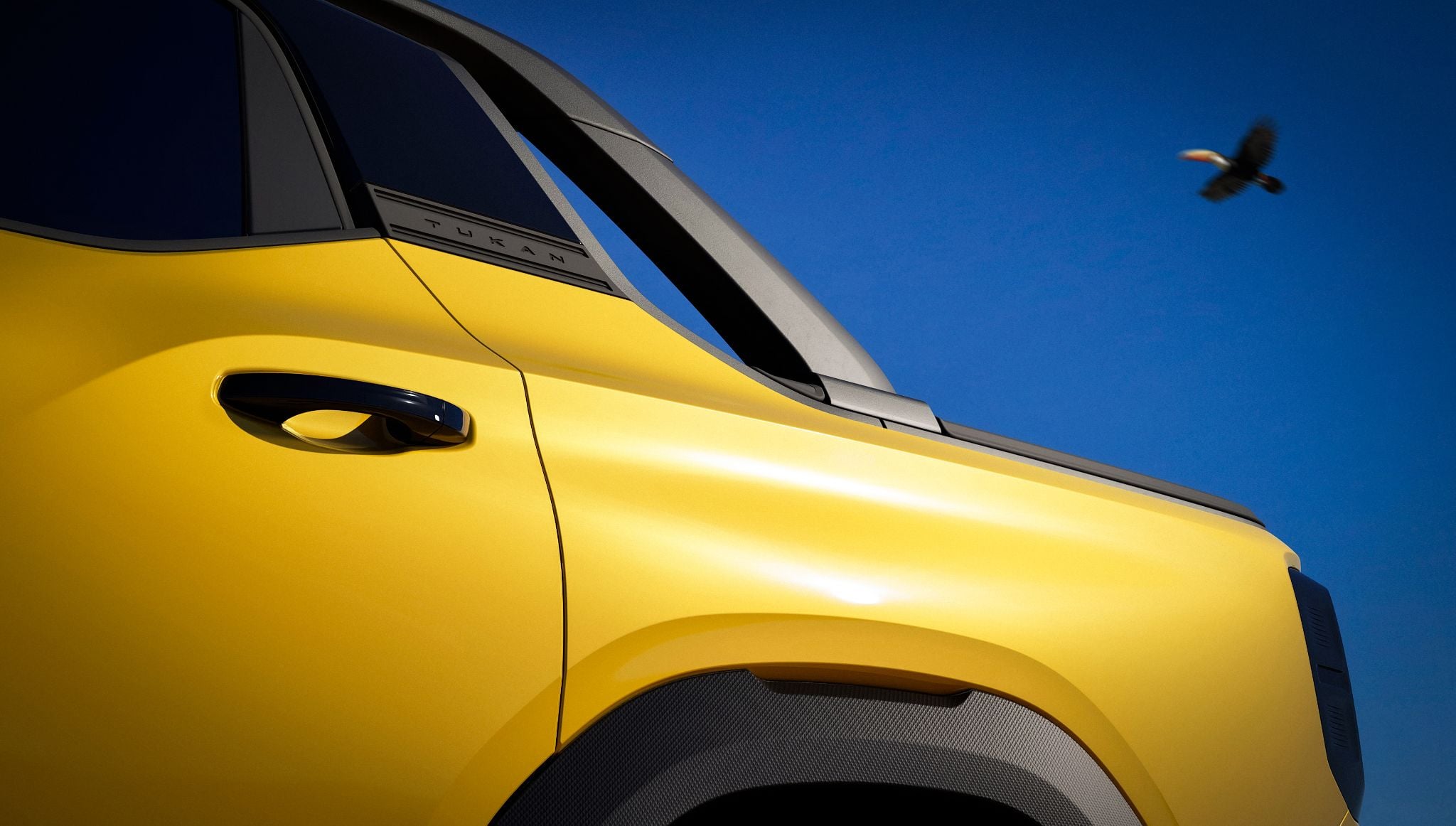
Volkswagen has confirmed that its first national hybrid will be the Tukan pickup. The brand says that the model’s nationalization rate will be 76%, suggesting that part of the electrification components will be local.
For now, the brand does not want to give more details about what its Brazilian hybrids will be like. Autos Segredos found that the Tukan will be a 48-volt mild hybrid helping the new 1.5 TSI.
This engine is an evolution of the current 1.4, with improvements to be more efficient. The brand’s mild hybrid set is highly praised in Europe, as it uses two electric motors and achieves averages close to those of some full hybrids.
The first engine sits next to the crankshaft, replacing the starter and alternator. The second goes with the DSG gearbox and has 20 hp. In some situations the 1.5 TSI is turned off and the stronger electric motor maintains speed.
Volkswagen will also have full hybrids, starting with the new generation of the T-Cross. The operating principle is similar to that of the Toyota Corolla Hybrid, with an electric traction motor and another as a generator. The new generation of the Nivus will come later, also electrified.

Renault did not change the CVT for the dual-clutch gearbox just to give better performance to its cars. The choice for this type of gearbox was thought of in the electrification of the national line.
During the launch of the Kardian, the brand confirmed that this gearbox is ready for electrification. She did not give details, but we believe that this dual-clutch gearbox could receive an electric motor inside like the one used by VW in the eTSI.
Renault’s first national hybrid in Brazil will be the unprecedented Niagara pickup, which will come to compete against Fiat Toro. It will have the set that is already used by the Dacia Duster in Europe, baptized as E-Tech Hybrid 4×4.
The front axle is driven by the 1.3 turbo in a 48-volt mild hybrid version. The rear axle will be driven by a 31 hp electric motor that has an integrated two-speed gearbox, to operate at speeds of up to 140 km/h as well as off-road.
In some situations it can drive the car by itself, turning off the 1.3 turbo flex. In others it can be decoupled through a clutch.
The Kardian and Boreal will be 48-volt mild hybrids in 2027, with the turbo engine assisted by an electric dual-clutch transmission. In Europe there is a mild hybrid with manual transmission, so an electrified entry-level Kardian is not ruled out.
General Motors tried to jump from combustion car to electric at a global level, without the transition from hybrids. This strategy went very wrong and required a course correction.
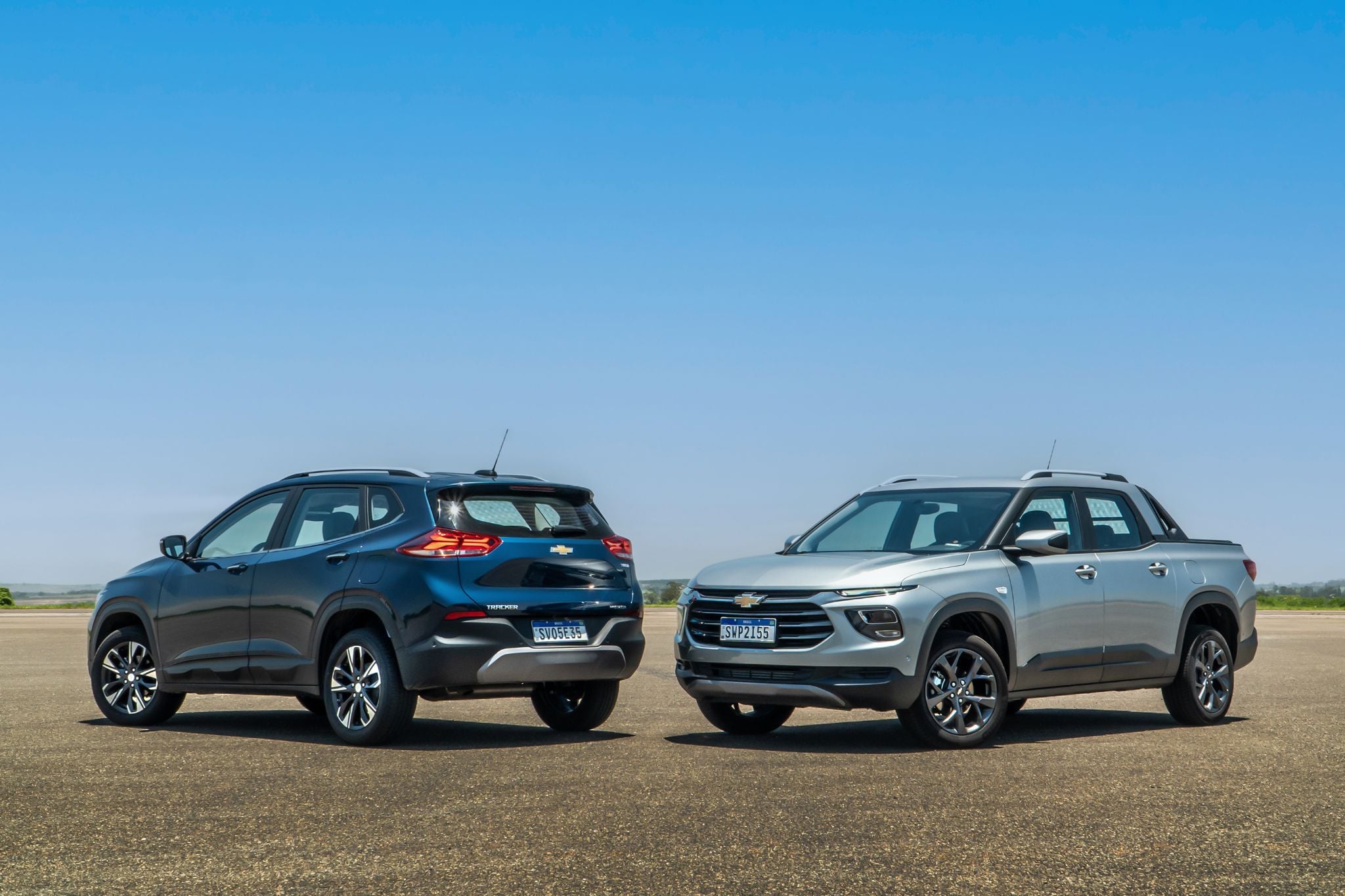
The group is developing a 48-volt mild hybrid system for the three-cylinder turbo engines of its Brazilian line. It will debut with the 2027 line of Montana and Tracker.
According to the Autos Segredos portal, the electric motor that assists the 1.2 turbo flex will have 10,8 hp and 4 kgfm. This technology will also be applied to the 1.0 turbo, and may arrive later in the Sonic. The strategy will be similar to that used by Stellantis, starting with electrification in top-of-the-line models.
Among the imported ones, we will also have the new Captiva in a plug-in hybrid version. The car has already been spotted in tests and may be launched already produced in Brazil under the CKD regime, at the PACE plant in Ceará.
Honda announced that it will invest R$ 4.2 billion in Brazil by 2030 after the start of the Mover Program. The first fruit of this investment has already reached the market, it is the WR-V, but the contribution also includes flex hybrid technology.
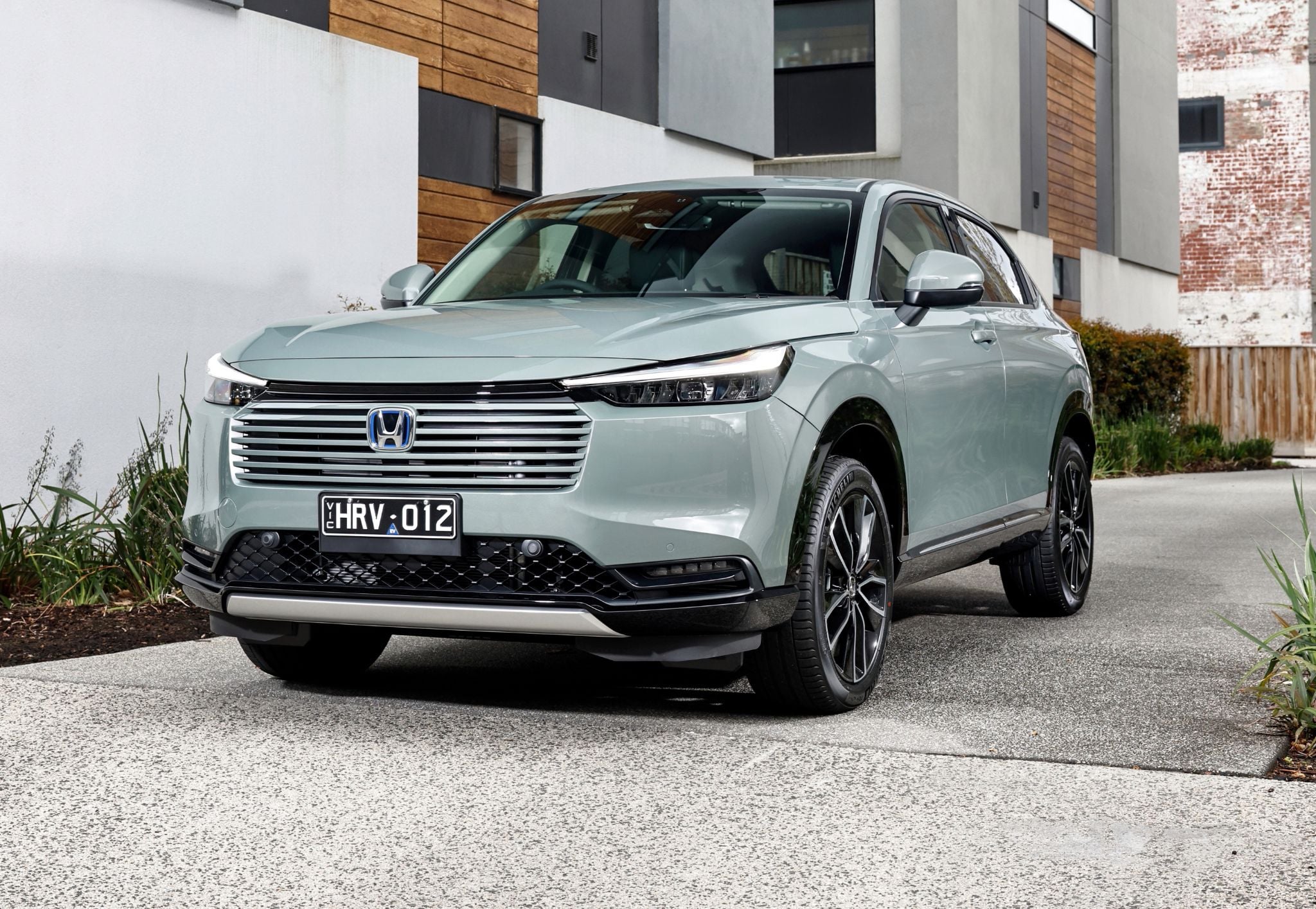
According to Autos Segredos, the first national hybrid Honda will be the next generation of the HR-V, which will arrive at the end of 2027 or 2028. And unlike most on this list, it will be a full-fledged hybrid.
Honda is making a flex version of the E:HEV system, which we already have in Brazil in the Civic, Accord and CR-V. In the national line, the combustion engine will be a 1.5 flex, not the 2.0 of the imported ones.
In the European HR-V, the 1.5 working in the Atkinson cycle yields 106 hp and works with an electric motor of 131 hp and 25,8 kgfm. Honda’s hybrid system prioritizes the electric motor at low speeds, with the combustion engine acting as a generator.
At higher speeds, where the electric is less efficient, the situation is reversed. The 1.5 comes in to drive with a direct gear, eliminating the need for a gearbox and the mechanical losses of this component.
This set with the 1.5 is used abroad by the HR-V, the City and the Fit. It is even more economical than the most powerful used by larger cars, and can make the Honda line the most economical in the country.



