Replacement of the nomenclature, which is already provided for in the Traffic Code and ABNT, draws attention to road safety
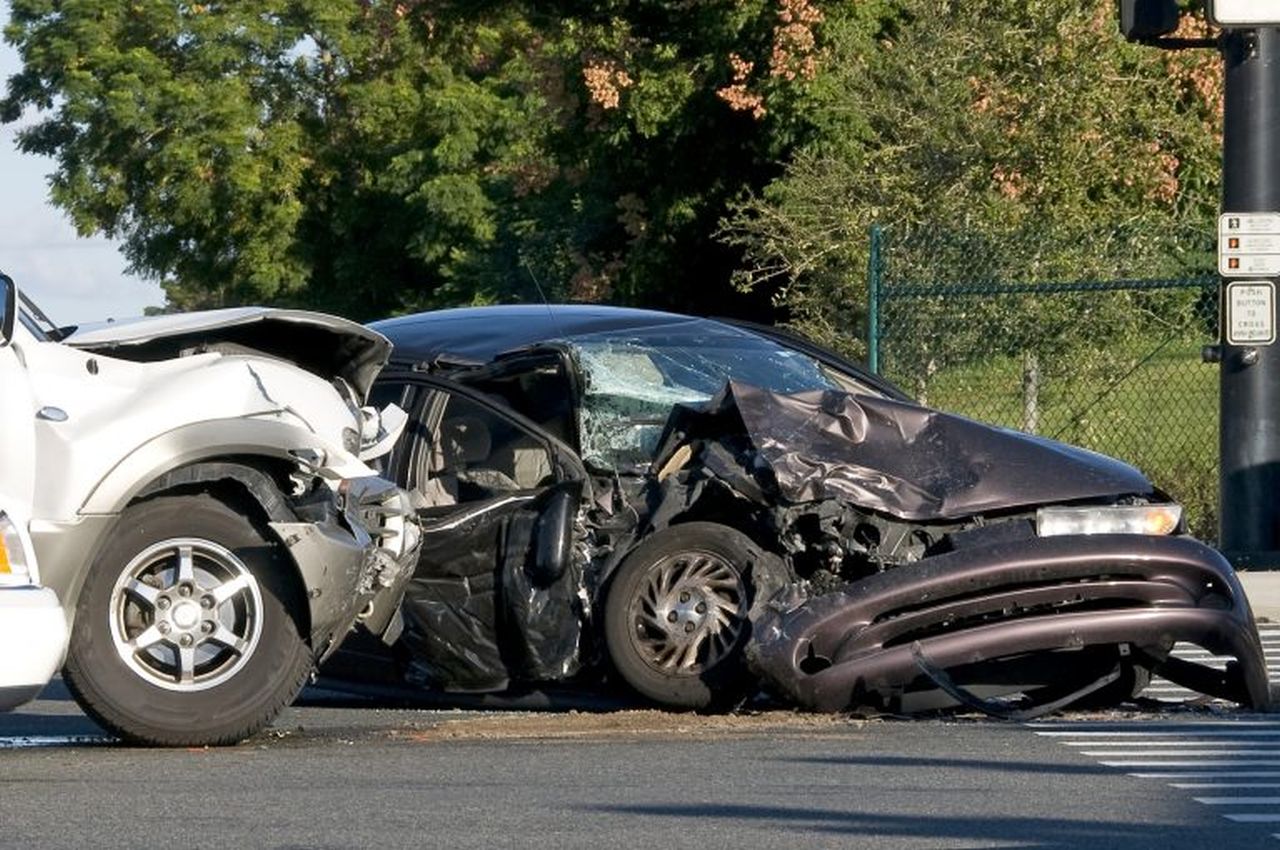
When there is a collision, run over or other type of occurrence involving vehicles, people usually call the situation a “traffic accident”. Despite being the most used and well-known term, now, the most appropriate is to use “traffic accident”. This change goes beyond language and reflects a new way of looking at road safety in the country.
The change began in 2020, when the Brazilian Association of Technical Standards (ABNT) published the revision of NBR 10697/2018. The organization redefined the technical terms related to traffic, making the replacement, which at the time was celebrated by the Brazilian Association of Traffic Medicine (Abramet).
SEE ALSO:
The medical association stressed that the adoption of the term claim and the requalification of this rule would be an important victory for actions and policies aimed at preserving life in traffic. Then, in 2023, Law 14,599/23 amended the Brazilian Traffic Code (CTB) to replace the term “accident” with “accident” in the legal text.
The main objective of this change is to encourage a more critical and responsible view of occurrences on the roads. Over the years, the use of the term “accident” has been questioned by experts and organizations dedicated to road safety.
The substitution begins with the definition, since the use of the old nomenclature conveys the idea of inevitability, as if the facts could not be prevented. Unlike “accident”, the term “accident” covers all events that result in material damage, injuries to people or animals, and possible damage to the environment or road structure.
The definition includes, for example, collisions, fires, robberies, and even occurrences caused by natural phenomena, covering a broader and more technical concept. In addition, the expression reinforces that many of these episodes can be avoided through safer traffic behaviors.
However, replacing the term “accident” with “claim” is not just a semantic issue, but rather a paradigm shift in the way traffic incidents are viewed. By adopting a more precise and conscious language, it is possible to contribute significantly to the reduction of accident rates and to the promotion of safer traffic.



