Several features that we have in national cars appeared for the first time a few years ago as great novelties
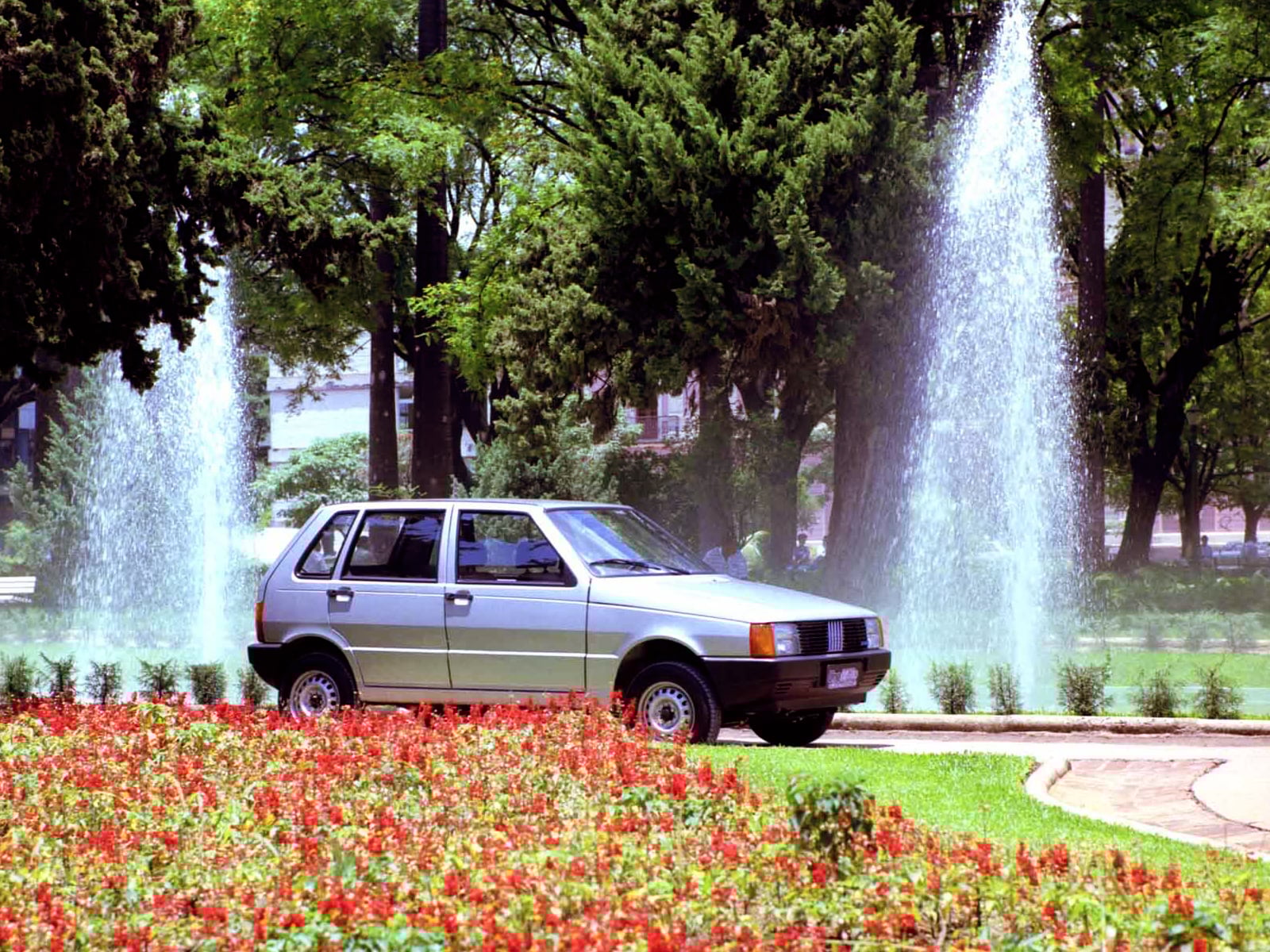
The Brazilian automotive industry is about to celebrate 70 years. Our market has always been slow to receive news due to the conservatism of the public and the years of closed market for imports, innovations appeared sporadically in cars.
But while a brand brought something completely new, the competition sold dated cars with high volume. Fortunately, this has changed in recent decades, with the arrival of more manufacturers and a more eager public for novelties. See which are the most innovative cars in Brazil.
SEE ALSO:
Today all compact and medium cars have a transversely mounted engine and drive the front wheels. This scheme was born in the 50s with the Mini and makes the mechanics take up less space.
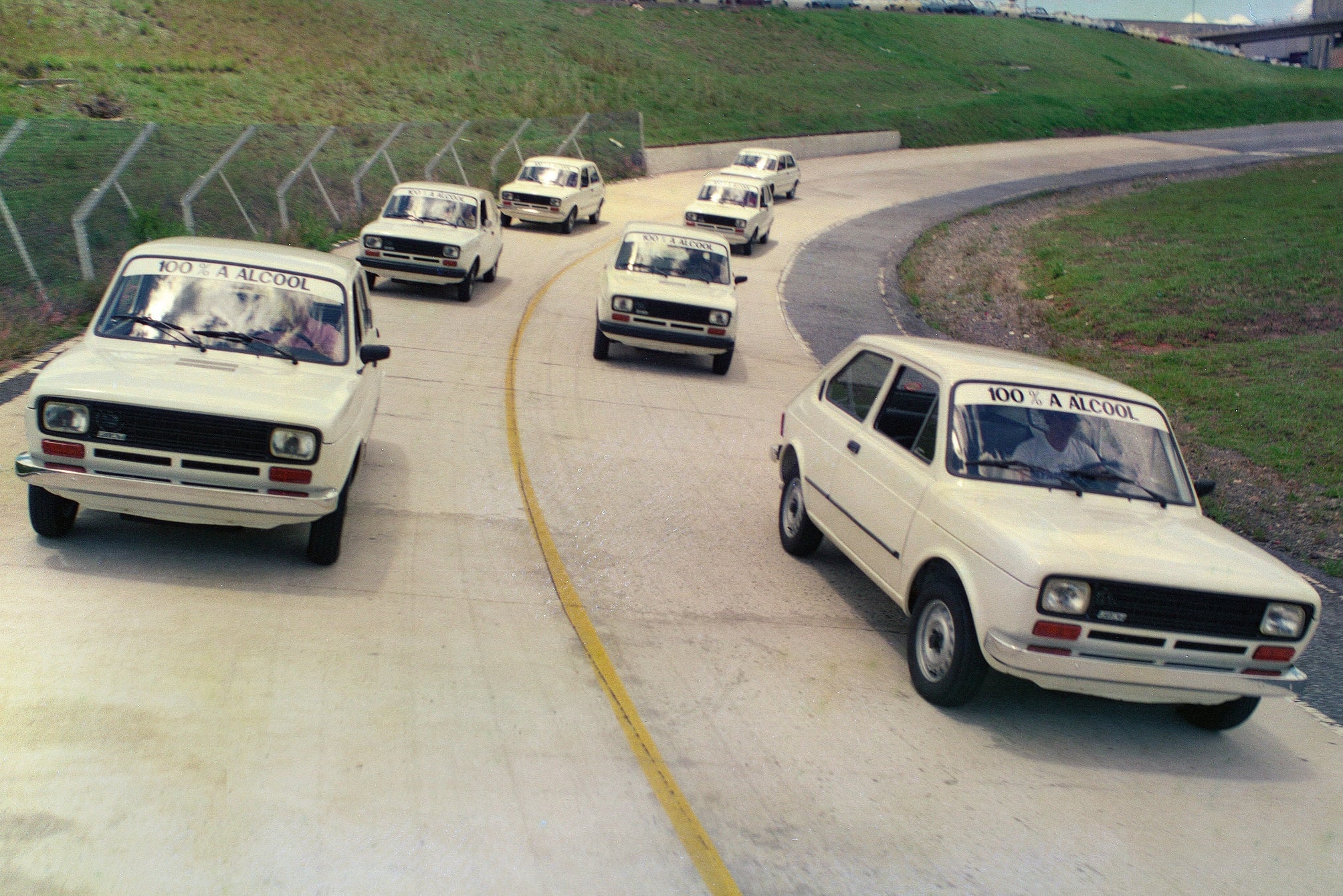
In Brazil, the compact car market had models with a rear engine or a longitudinal front engine, pulling in front or rear. Who brought the modern layout was the Fiat 147, launched in 1976.
It marked Fiat’s arrival in Brazil, already establishing the reputation of being an innovative brand. The 147 was the first alcohol-fueled car and also gave rise to the City pickup, which created the compact pickup truck segment.

The National Motor Factory (FNM) was a company with a 53% state participation that was inaugurated in 1942 to produce aeronautical engines, refrigerators and trucks. She made Italian models under license in Xerém (RJ).
Her first passenger car was the 2000 JK, which was an Alfa Romeo 2000 made under license. The Italian design came along with several innovations, such as the five-speed gearbox (all synchronized), double overhead camshaft, hemispherical combustion chambers, cooling system with thermostatic valve, hydraulic clutch and radial tires.
The JK was not the biggest car sold in Brazil, but it was certainly the most sophisticated at the time. It was also the first sports sedan in the country, with the 160 hp TIMB version.
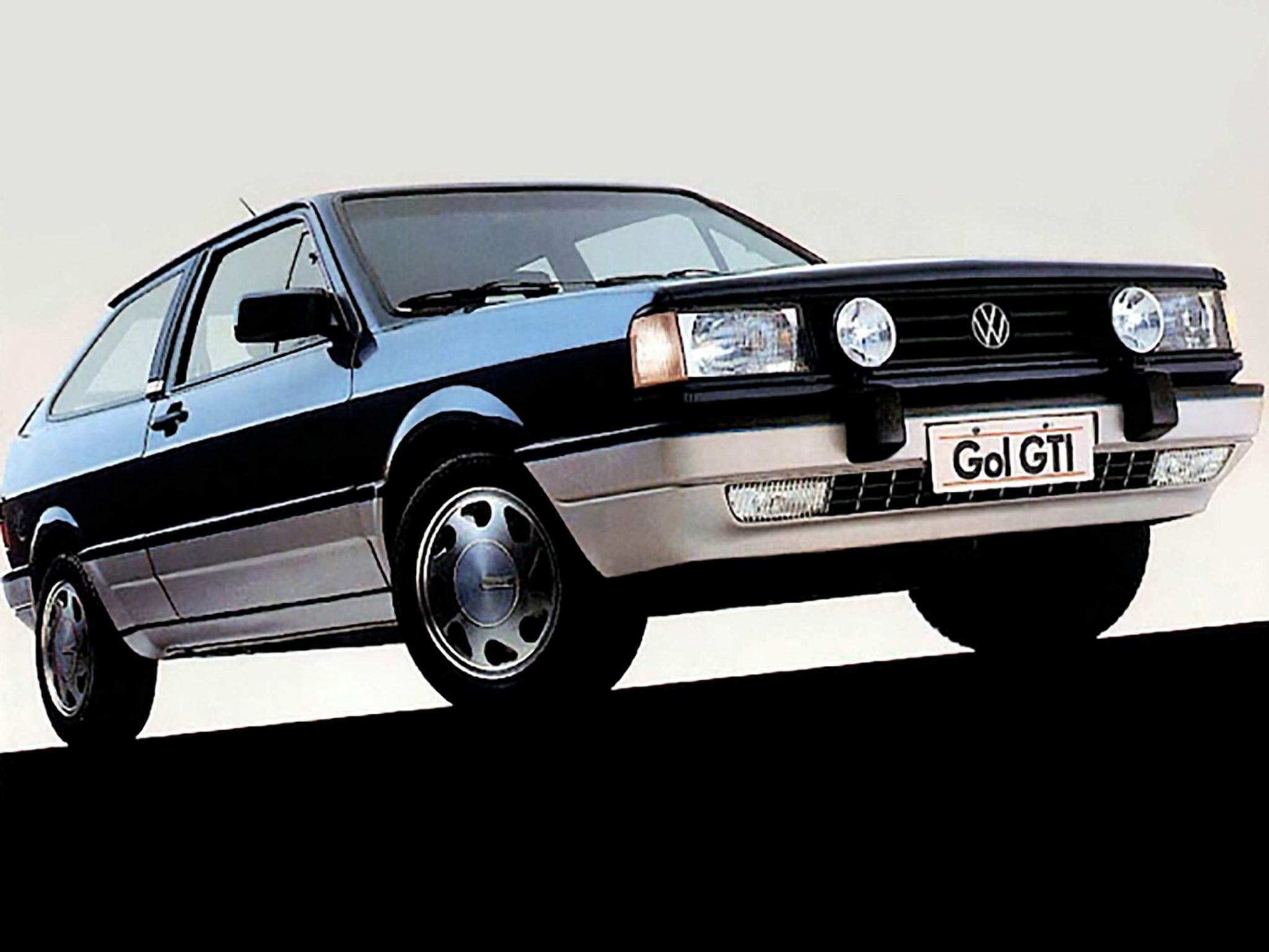
The Gol em was the opposite of innovation. Volkswagen simplified the Passat platform and made a compact with a longitudinal engine, a concept that the brand itself was abandoning in Germany with the Polo and Golf. To top it off, it used the old air-cooled engine of the Beetle.
The Gol became an innovative car in 1989, when the GTi became the first national car with electronic injection. This sporty version also innovated later with the 16v engine imported from Germany, which had high specific power.
Another innovation that debuted in the Gol was the 1.0 turbo engine, in the third generation. In 2003 he made history again with the flex engine, which allows the use of gasoline, ethanol or any mixture between fuels.
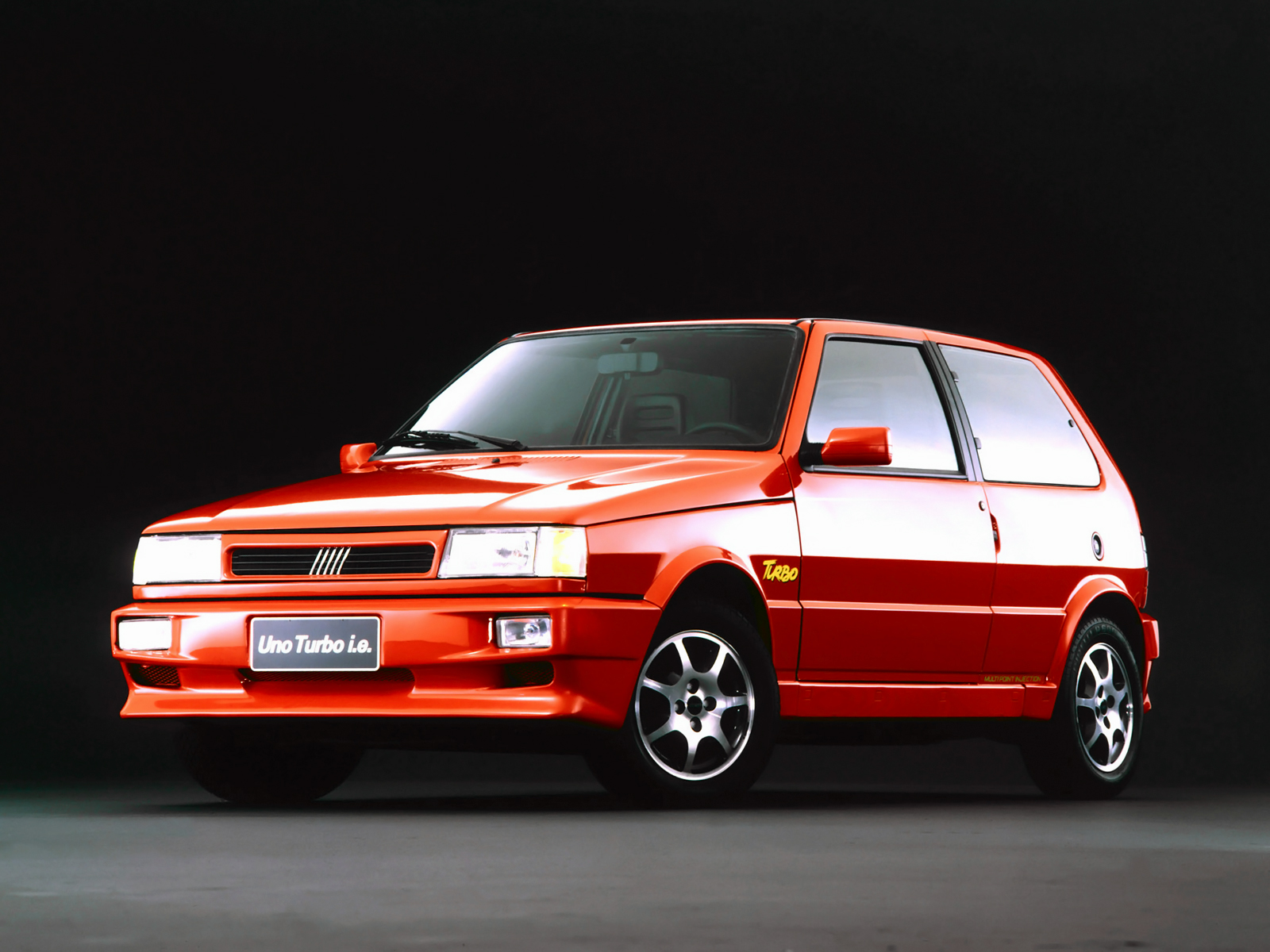
The Fiat Uno was the successor to the 147 and also had a prolific family with sedan, station wagon, van and pickup. It had a modern design signed by the genius Giorgetto Giugiaro and a low drag coefficient.
But he didn’t innovate right away in his debut. The Uno Mille, from 1990, was the first modern 1.0 car, launched months after the government launched the popular car program. In 1994 he brought another innovation: the turbo engine. And so it became the fastest car in the country.
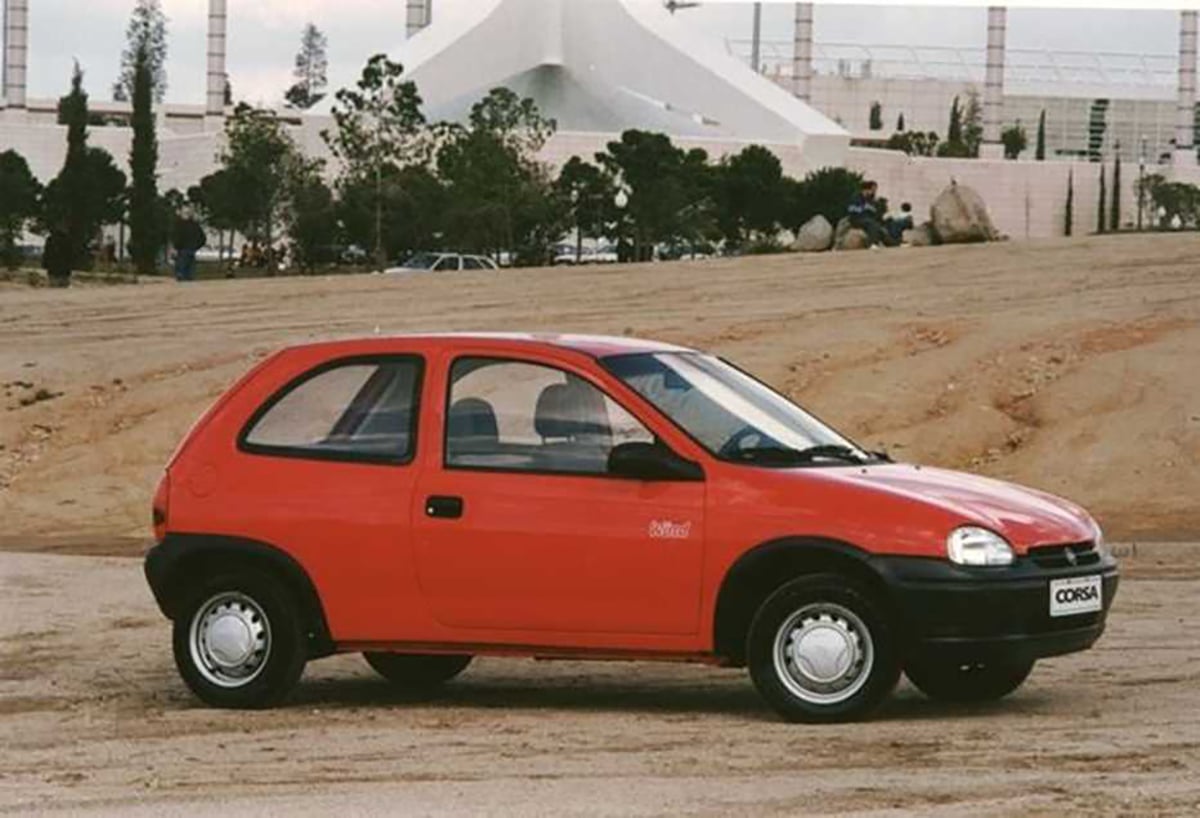
With the opening of imports, Brazilians saw how much national cars were outdated. The entry-level segment had three cars from the early 80s, Ford Escort, Fiat Uno and VW Gol. But who stood out negatively was Chevrolet, with the Chevette launched in 1974 and with rear-wheel drive, a less efficient layout for weak engines.
GM rectified this in a big way by launching the Corsa. It arrived just a year after the global launch in Europe, equipped with the most current Family 1 engine design and with electronic injection in all versions, while rivals still used carburetors.
The Chevrolet Corsa was something so remarkable that it generated long waiting lines at dealerships, as the factory could not meet the demand. Over time, the public saw that this compact was also robust, so much so that its engine is in line with the Spin and with many fans.

Today it is impossible to leave home without seeing several compact SUVs on the streets. 25 years ago, having an SUV meant owning a large and heavy truck derived from a pickup truck or having a jeep like the Suzuki Vitara.
The Ford EcoSport was an innovative car created in Brazil as a family alternative to the Fiesta. The original project was to launch the Fusion minivan, but the local branch saw room to use the base of the hatch for a more adventurous car.
It seems that Ford took competitors by surprise, as the answer only came 10 years later with the Renault Duster.

The Mercedes-Benz A-Class showed that Brazilians buy cars in the subway. The public prefers a larger car, even if simpler, to a sophisticated compact.
The Renault Logan pioneered the modern formula of low-cost cars. It had the size of the Toyota Corolla of the time, but it was simple inside and competed with compact sedans.
This bet on a low-cost car ended up working for Renault, which failed to score with the Clio. Today the brand has turned the key and dropped this family of simple cars, starting to focus on more sophisticated models again.
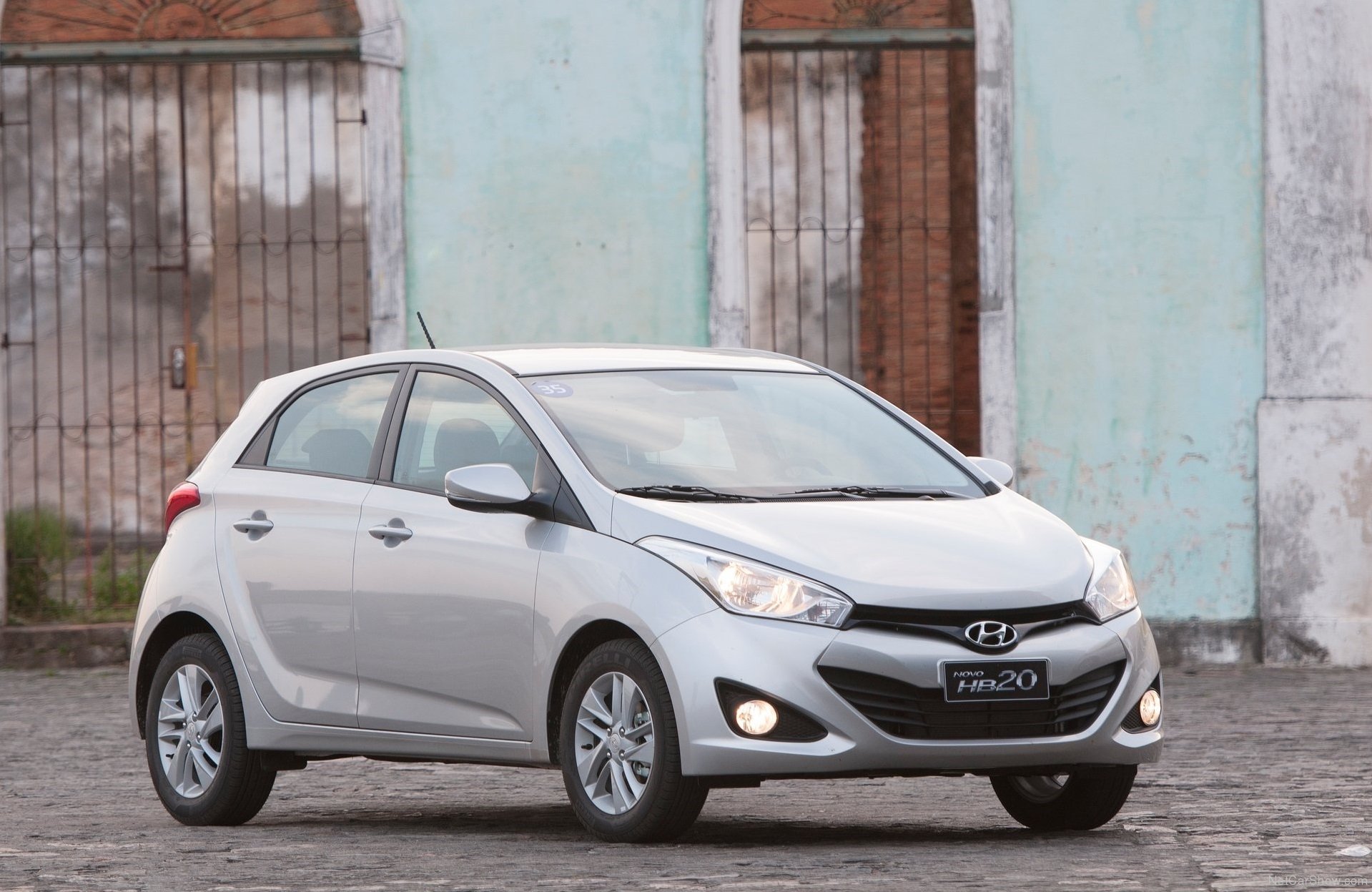
While the Logan showed that simple and large cars had their space in Brazil, Hyundai went the opposite way. The first car of the Korean brand designed for Brazil was a more sophisticated popular car, which already came with air conditioning, electric steering and radio in all versions.
The build quality and safety level were also above average. Under the hood were modern engines made of aluminum and with variable timing. The innovation of the HB20 was to bring a better standard to the entry-level segment.

Toyota is a brand known for being conservative and the Corolla is proof of that. It never brought major advances, the success came from the balanced set and reliability of the model.
But it was an innovative car in Brazil for being the first hybrid produced in the country. In addition, it had the world primacy of combining electrification with a flex engine.
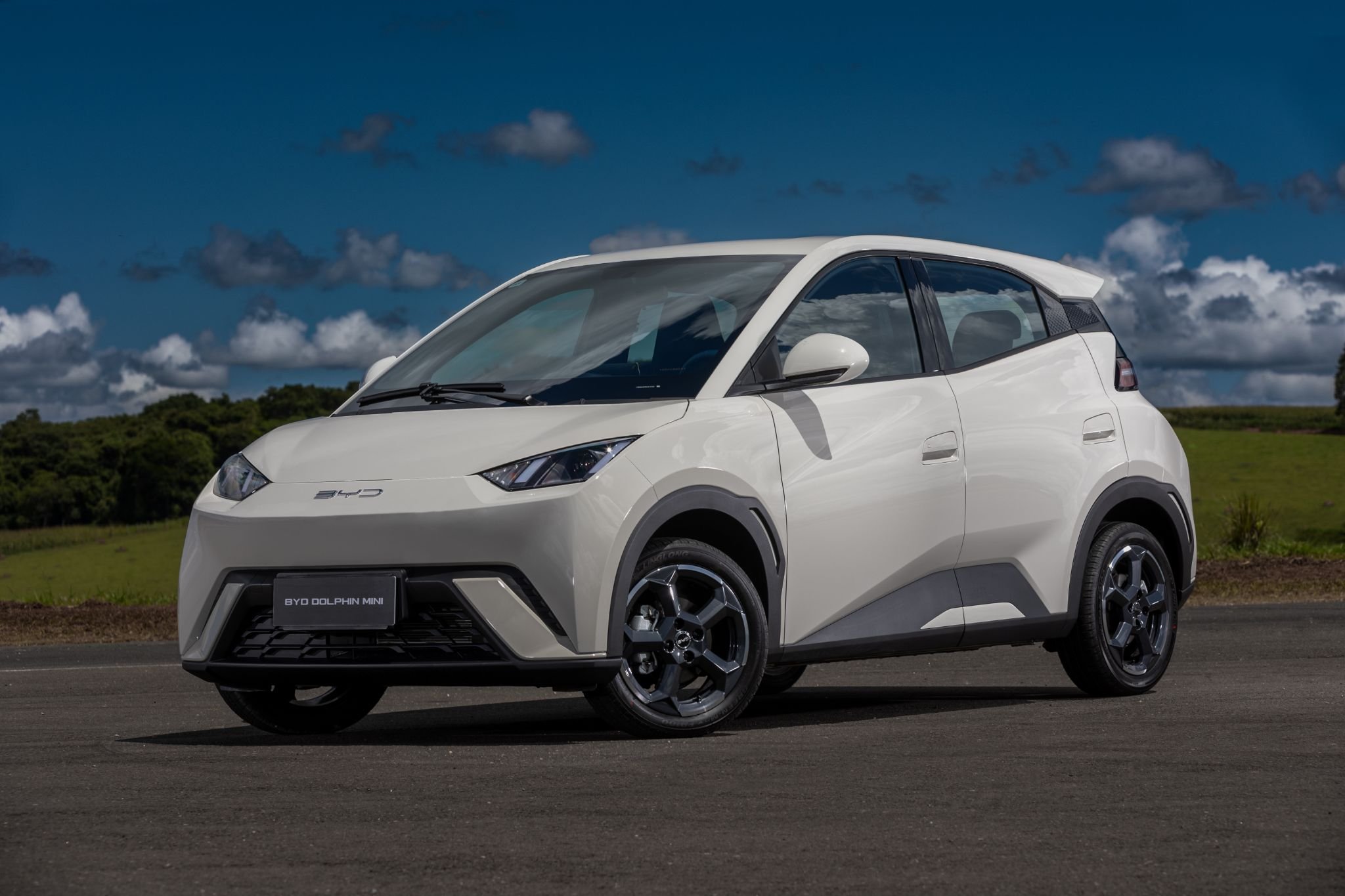
After several postponements and controversies, BYD inaugurated its factory in Camaçari (BA). There she SKD the Dolphin Mini, the first modern electric car assembled in Brazil.
We said modern electric car because Gurgel had already tried to do this in the 70s with Itaipu. It only made 100 units of electric vehicles, with only one sold to private consumers and the rest to government fleets.
Returning to the Dolphin Mini, it cannot be considered a car manufactured in Brazil because it is made in SKD. The car arrives disassembled in kits, the factory just puts the parts together. The bodywork is already painted and the tires are already full, but there is a promise of nationalization of the components.



