Hyundai Group's luxury brand studies off-road supercar with 1,100 hp V8 engine, extreme torque and proposal aimed at high-performance enthusiasts
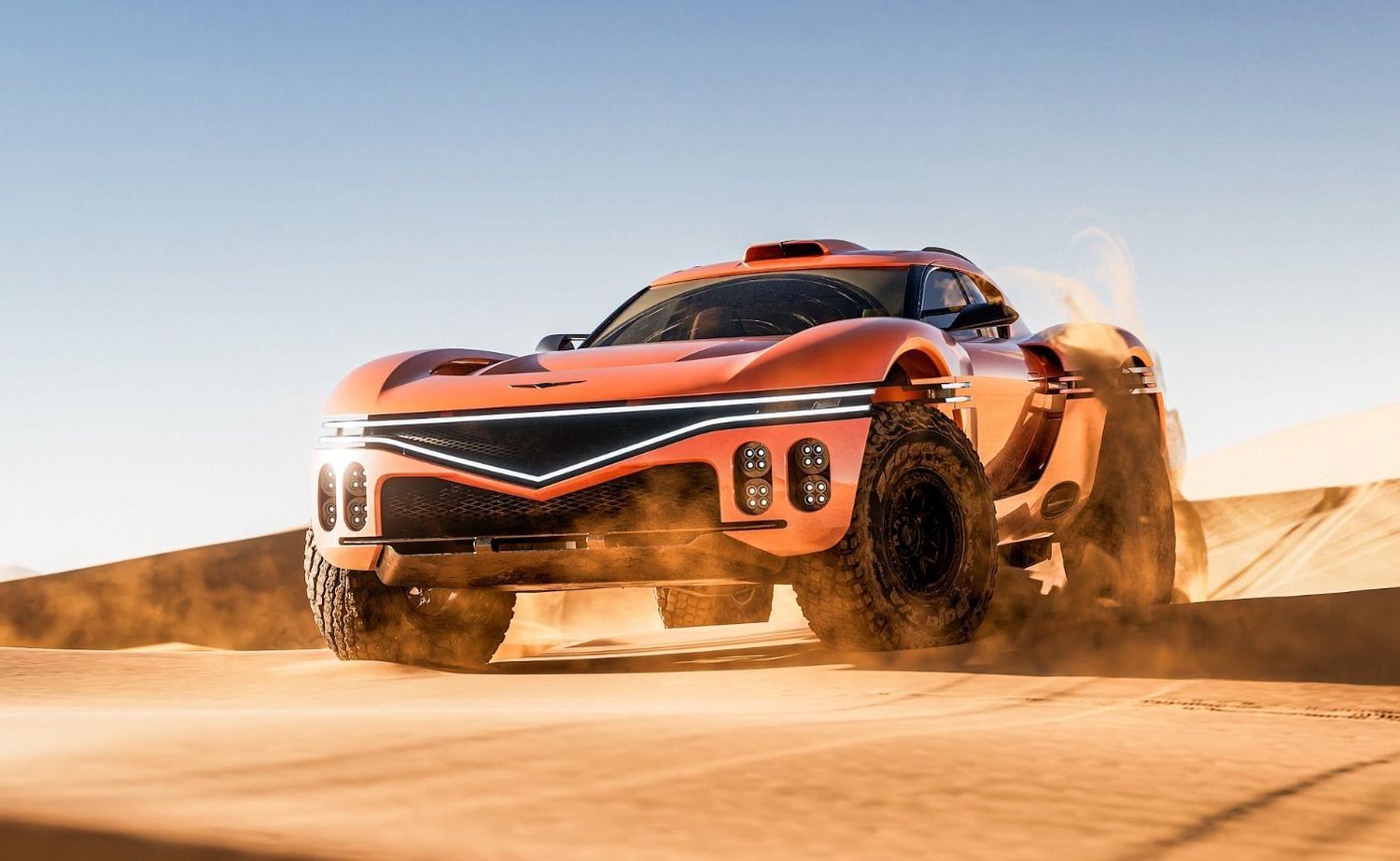
Genesis, founded in 2015, is the luxury brand of the Hyundai Group, which includes Kia. Despite the continued interest in electric and hybrid vehicles, concentrated in countries with higher purchasing power, there is still room for mind-blowing power and torque in internal combustion engines. The proposal is only at the level of intent and was discovered by the British magazine Autocar at the end of last January.
SEE ALSO:
Before, the revelations in sequence of the G90 Wingback station wagon and the X Gran Equator luxury SUV gave the clues. Now the X Skorpio (in English refers to the word scorpio, scorpion, symbol of Stellantis’ Abarth) presents the South Korean brand’s vision of a supercar “built to conquer difficult terrain”. It is a coupe SUV for extreme use and a V8 engine with no less than 1,100 hp! Power greater than a Ferrari 849 Testarossa.
Impressive torque: 117 kgfm. It would be able to rival in performance with cars from the Dakar Rally. There are typical off-road patterns such as wheels with 40-inch diameter tire bead locks, Brembo brakes and a set of suspensions with extreme ground clearance, in addition to very generous entry, exit and ramp transposition angles. Highlight for the light signature formed by a double LED strip around the car.
Genesis creative director Luc Donckerwolke has positioned the X Skorpio as the latest in a series of concept cars designed to reinforce the brand’s enthusiast-driven premium appeal. He says he is about to launch next year the GV60 sports car, the first car in his new sub-brand dedicated to high performance, Magma. This line is intended, as early as next year, to challenge brands in the range of BMW M and Mercedes-AMG.
Timid growth in sales of new cars and light commercial vehicles (2.5% and 3%, respectively), in 2025 compared to 2024, contrasted with the robust percentages of the used market. Devaluation was reduced and indicated a year of heated demand. Figures collected by the Webmotors Index based on sale and purchase announcements. Of all the segments monitored by the specialized website in 2025, used electric vehicles was the one that represented the highest negative change, ending with a devaluation of 11.95% compared to the previous year.
Used hybrids of all three types registered -9.02%, a reduction of 0.77 percentage points compared to -9.79% in 2024. Models with combustion engines represented the best result: they depreciated 3.94% against 4.11%, in the same comparison interval.
According to Eduardo Jurcevic, CEO of Webmotors, “the behavior recorded by the automobile market in 2025 indicates greater consumer confidence and a more favorable economic scenario compared to the year 2024. There was a consistent improvement in the indexes. Hybrids stood out, which presented a lower level of devaluation. This indicates a growing interest from consumers and their growth potential in the country. Other alternatives offer infrastructure challenges.”
The executive was discreet, however the obstacles mentioned refer to the difficulties of setting up a network of charging stations in a country of continental dimensions, such as Brazil. Without this infrastructure on the roads that depends not only on technical but also economic feasibility, it is difficult to travel carefree and without unpleasant surprises such as queues or chargers with maintenance failures. This is the explanation for such a high devaluation.
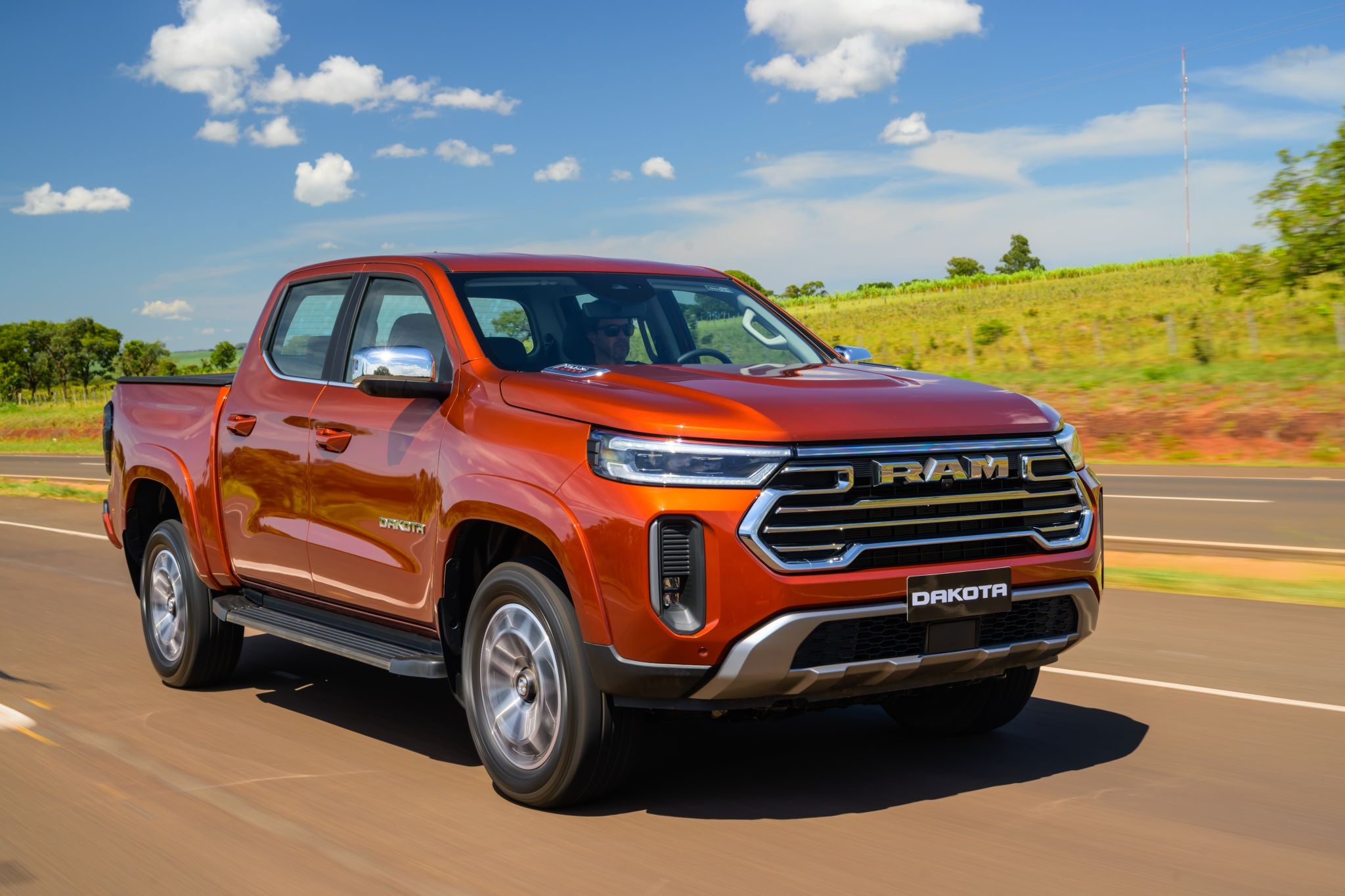
Produced in Córdoba, Argentina and located between Rampage and Ram 1500, the new Ram Dakota has a stringer chassis and architecture shared with the Fiat Titano, which indicates structural strength and capacity for severe use. In addition to its visual identity, the finish is refined and receives a technological package in line with the brand’s standard. The name Dakota has already been used by Chrysler, with the Dodge brand, between 1998 and 2001, at the Campo Largo plant, in the metropolitan region of Curitiba.
Dimensions draw attention to the 5,537 mm length and 3,180 mm wheelbase. The 2.2 L, 200 hp and 45.9 kgf·m diesel engine handles a running mass of 2,150 kg. Epicyclic automatic transmission, eight gears. 80 L tank and consumption (Inmetro) of 9.7 km/l, urban and 10.8, highway. Two versions, Warlock and Laramie.
During four days of evaluation, about 1,100 kilometers were covered by the Pantanal (MT and MS). Warlock is aimed at off-road. Higher tire profile contributes to the absorption of irregularities on unpaved roads. Suspensions filter out small imperfections well. On the asphalt, expected behavior due to high-profile tires. Engine delivers a good level of power from 1,500 rpm, which favors overcoming obstacles and resuming slippery terrain.
4×4 traction with reduced, activated by electronic control, responds quickly. There is a mechanical rear differential lock and four driving modes: Normal, Sport, Snow and Sand/Mud.
Laramie version prioritizes highways and urban commuting. Low-profile tires allow for more precise handling. Electro-assisted steering is faster and the body leans less in curves, conveying a greater feeling of stability. Acoustic insulation, one of the highlights. Reduced rolling noise makes the interior environment quieter: engine sound noticeable only at the most demanding accelerations.
Pre-sale prices: R$ 289.990 to R$ 309.990.
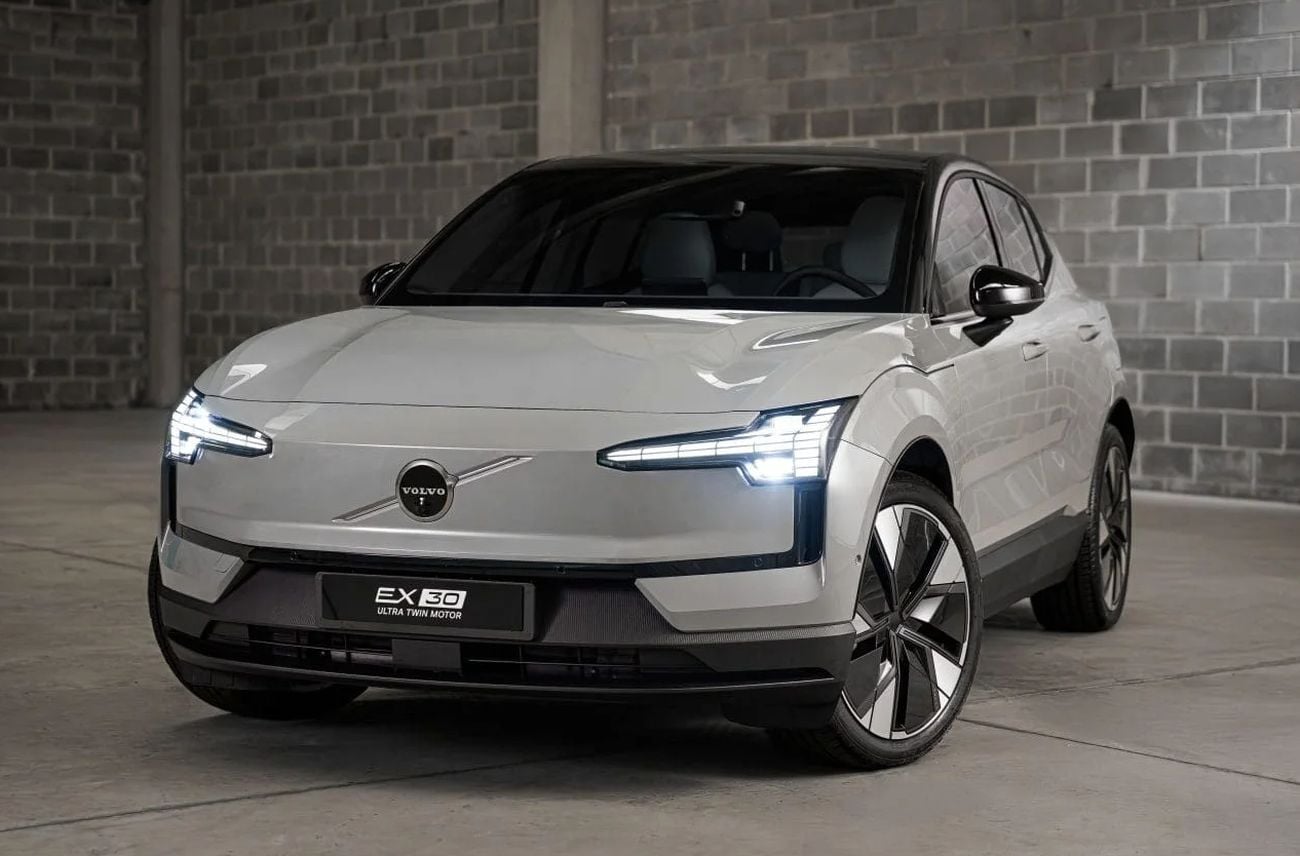
This version has a simpler look than the well-known Cross Country, for those who don’t need to indicate a preference for appearances. But the Swedish brand was careful to keep the roof painted black and 20-inch wheels. also with black appliqués. There is no shortage of power and torque with an electric motor on each axle: 428 hp and 55.3 kgf·m. One of the highlights is the 69 kWh battery that allows an average range (Inmetro) of 316 km or 7% below the EX30 with just one motor.
Main dimensions (mm): length, 4,233 and wheelbase, 2,650. So the interior is a bit cramped especially for legs in the rear seat. The finish is very good and recyclable seat coverings look good, but far from genuine leather. There’s also a powerful Harman Kardon sound system (nine speakers). On the other hand, there are limitations in the trunk volume of 318 L and a symbolic 7 L front compartment does little to help.
What really doesn’t please is the vertical multimedia screen, despite being a reasonable 12.3 in. Inspired by Tesla’s solutions, from opening the glove compartment to adjusting the mirrors, they depend on button-free commands. There is a connection for Apple CarPlay, but no provision for Android Auto, although the traditional Waze and Google Maps are available through Google Built-in (paid). Even to check the speed, you have to look away from the screen (removing the instrument panel).
Positive points, no discussion: strong acceleration from 0 to 100 km/h in 3.6 s, firm suspensions and adjustable load on the steering wheel. 4×4 traction includes torque vectoring that brings more confidence in corners, as well as safe performance on slippery surfaces.
Price: R$ 309.950.



