A year ago, 220 Chinese were found under slavery at the BYD factory in Bahia. Since then, the automaker has continued to accumulate conflicts with workers
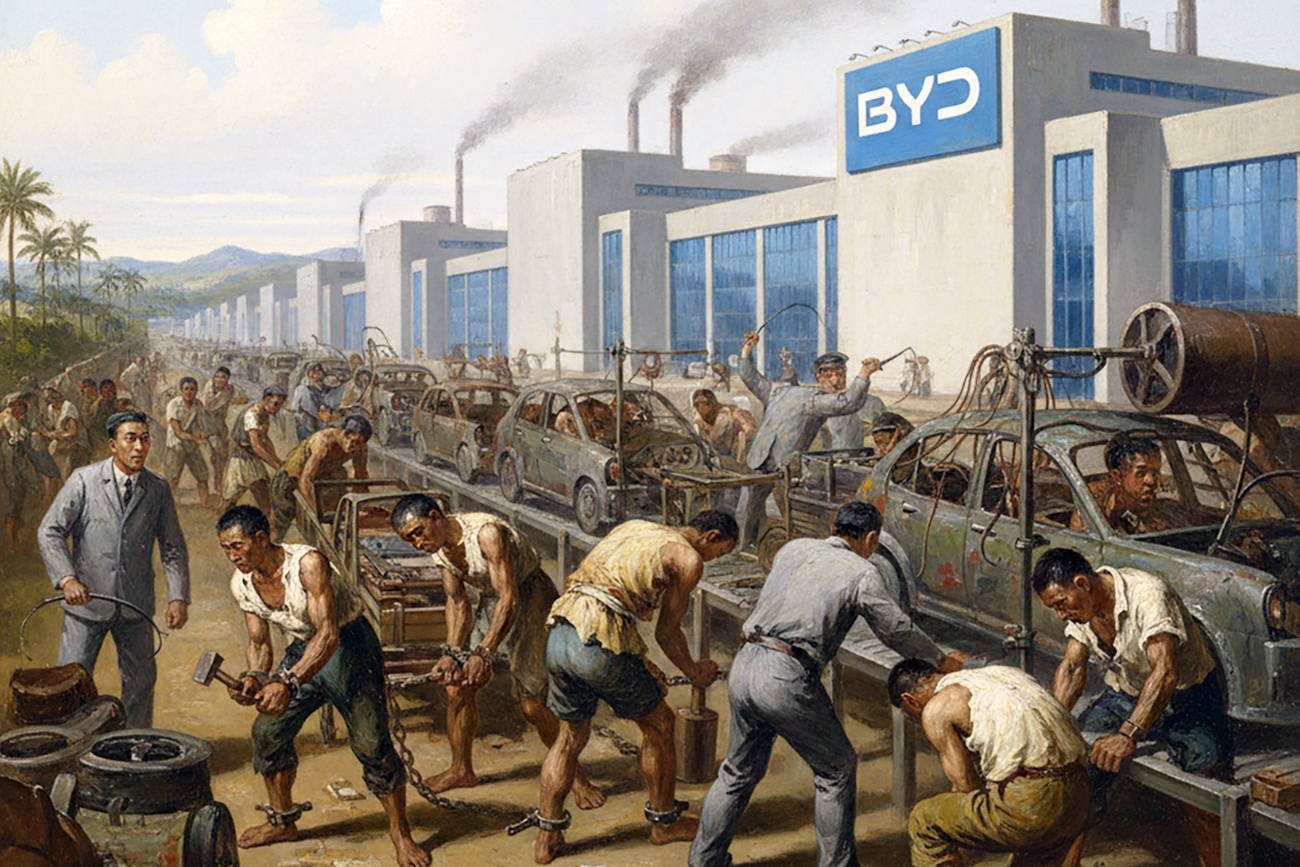
The legal doctrine adopted in Brazil understands that the various human rights must coexist with each other and with different people, without greater importance to one or the other. This, however, has an exception: the prohibition of slave labor, which has no ‘excuse’ in any case.
This is because, in the understanding of jurists, forced labor is an intolerable degradation to the human condition under any hypothesis. This degradation, however, was found at the BYD plant in Camaçari (BA), a year ago, on December 23, 2024.
SEE ALSO:
On that day, a task force of the Public Ministry of Labor (MPT) and the Ministry of Labor (MTE) and Employment caught a shocking situation: 220 Chinese workers living in precarious conditions, inside the automaker’s plant.
BYD was responsible for the biggest slavery scandal in Brazil of the year. “According to the inspection team, the finding was based on the identification of three main elements: forced labor, degrading conditions and exhausting working hours,” said the MTE.
The authorities’ findings included:
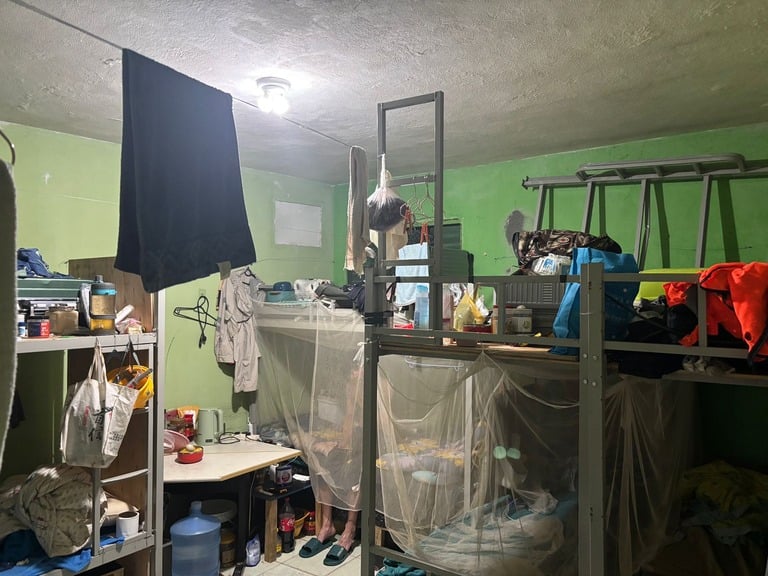
Aspects related to “debt bondage” were also found. In this modality, high amounts were charged for basic subsistence items, so that BYD slaves had to work to pay their own bosses.
All this with passports retained to prevent escapes from “captivity” – which were watched, according to the MPT, by military police officers who illegally acted as private security guards.
According to sources heard on condition of anonymity by AutoPapo, the dimension of the scandal has even generated diplomatic repercussions.
This is because the Chinese enterprise in Bahia has always been one of the main flags of the peaceful relationship between Brazil and China.
What was found in Camaçari, however, went against one of the main banners of the Workers’ Party, which found itself in a tight spot against its Asian partners.
However, none of this prevented labor conflicts from continuing to occur there.
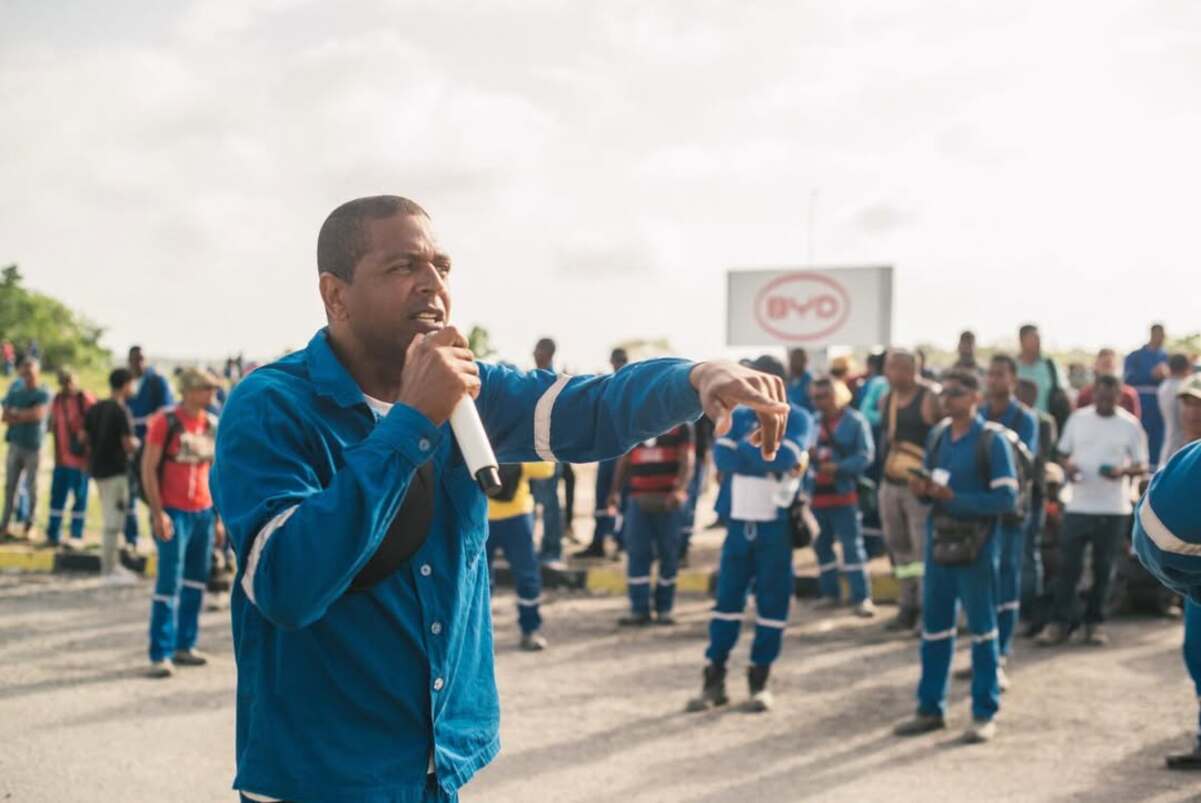
In the end, BYD tried to blame the outsourced company, which had the contract terminated. The labor inspectors, however, stated that this was just an excuse.
According to the inspectors, “the existence of an employment relationship was characterized” with the automaker, which could not blame third parties. In addition, there were indications of fraud with the Brazilian migration authorities and “strong evidence” of international trafficking in persons, according to the Public Prosecutor’s Office.
The MTE issued more than 60 infraction notices on behalf of BYD, which had part of the Bahian factory interdicted. The MPT also filed a public civil action in the amount of R$ 257 million. Finally, BYD signed a Conduct Adjustment Agreement to resume operations at the site.
“Slavery constitutes such a serious violation of human rights that its prohibition is considered imperative. (…) Slave labor, therefore, violates one of the most basic fundamental rights provided for in the Constitution: the Dignity of the Human Person,” said the MPT, in the civil action against BYD.
BYD did not respond to requests for comment until the publication of this article.



