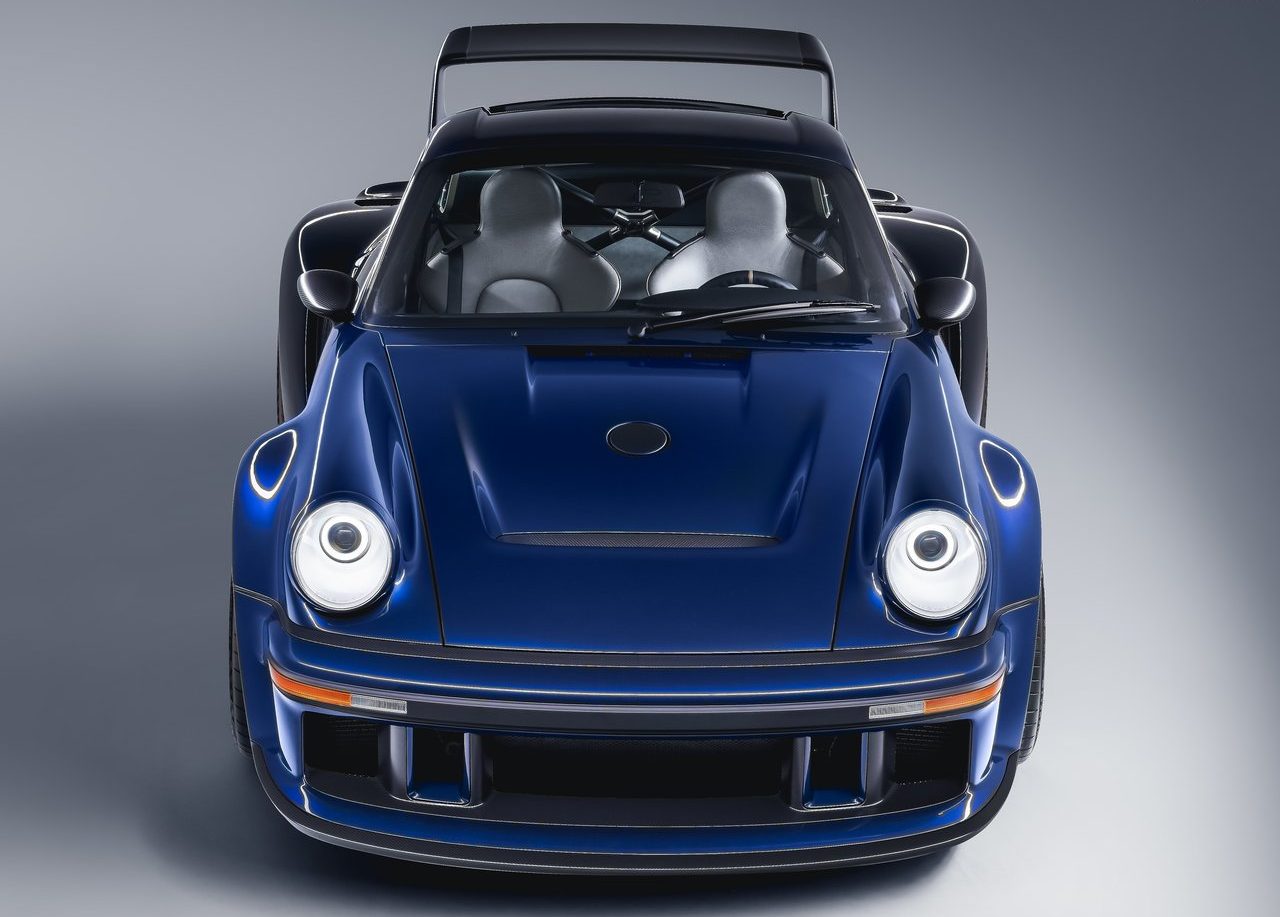
Singer DLS Turbo Sorcerer combines the Californian preparer's highest advance with one of Porsche's most iconic bodies
The 1970s marked the definitive consolidation of Porsche as a reference in touring car competitions and long-distance races. After the technical and sporting impact of the 917 at Le Mans, the German manufacturer has expanded its operations into different categories, creating a family of racing models derived directly from production cars.
SEE ALSO:
The starting point of this strategy was the launch of the Porsche 930 in 1973, the second generation of the 911. With the introduction of the Turbo version, characterised by the widened body on the rear axle and the extensive use of supercharging, the 930 became the technical basis for a series of racing projects that would shape the motorsport of the decade. Among them, the 934, the 935 and, especially, the 934/5.
Produced in just ten units, the Porsche 934/5 occupies a unique position in the history of the brand. Presented on January 22, 1977 to compete in Group 4 of IMSA (the entity that regulates motorsport in the United States) the model represented a hybrid solution, created to exploit loopholes in the North American regulations. It combined the front section of the 934 with the rear of the 935, incorporating more aggressive aerodynamic solutions, better thermal management, and advances in traction and stability. In practice, the 934/5 anticipated concepts that would become standard in Porsche racing cars, functioning as a technical link between two established projects.
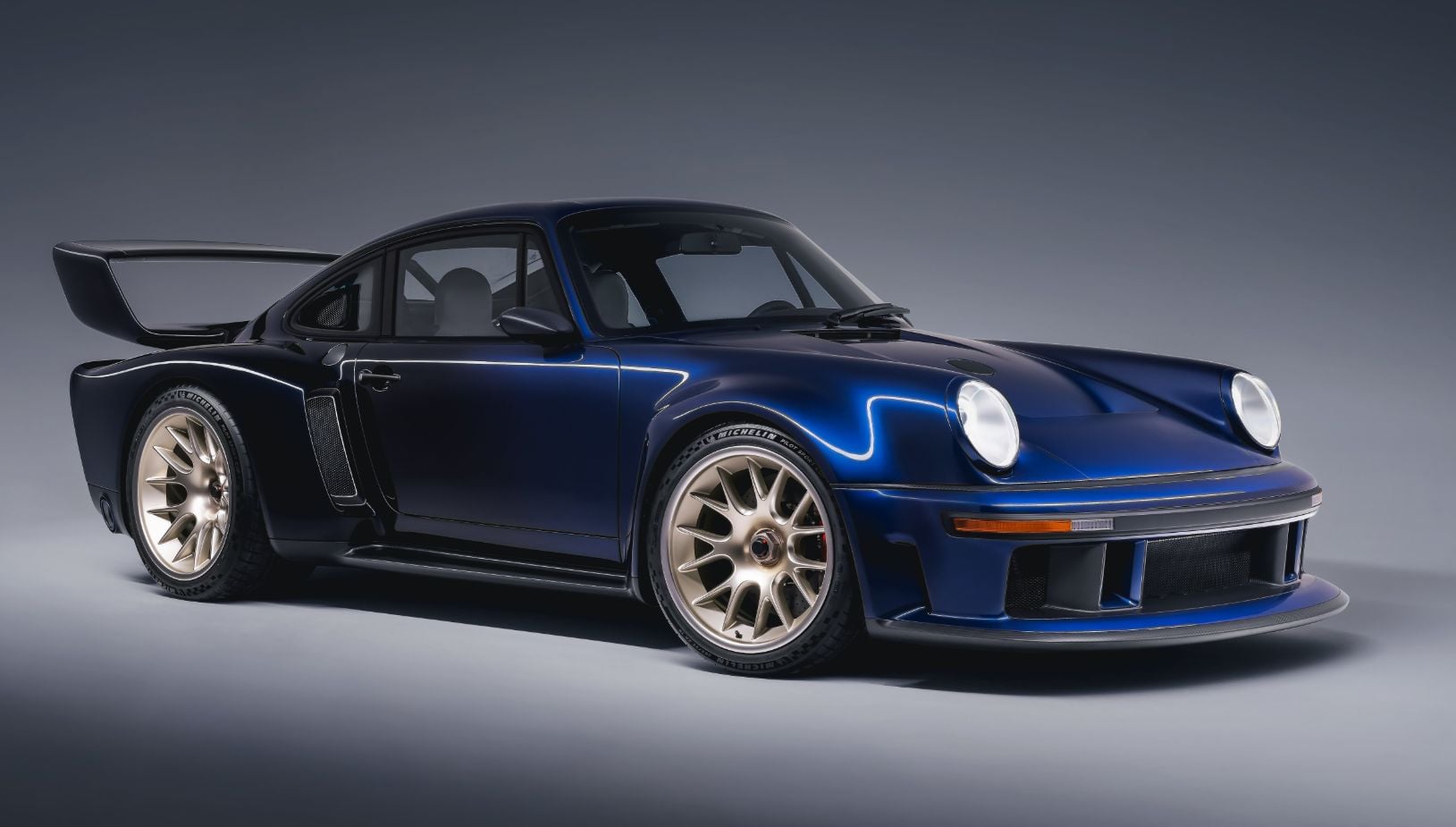
Nearly five decades later, that legacy is back in shape with the DLS Turbo Sorcerer, presented by Singer Design. Recognized for reinterpreting classic Porsche models from a contemporary perspective, Singer is directly inspired by the experimental spirit of the 934/5 to inaugurate the DLS Turbo program, an evolution of the Dynamics and Lightweighting Study project.
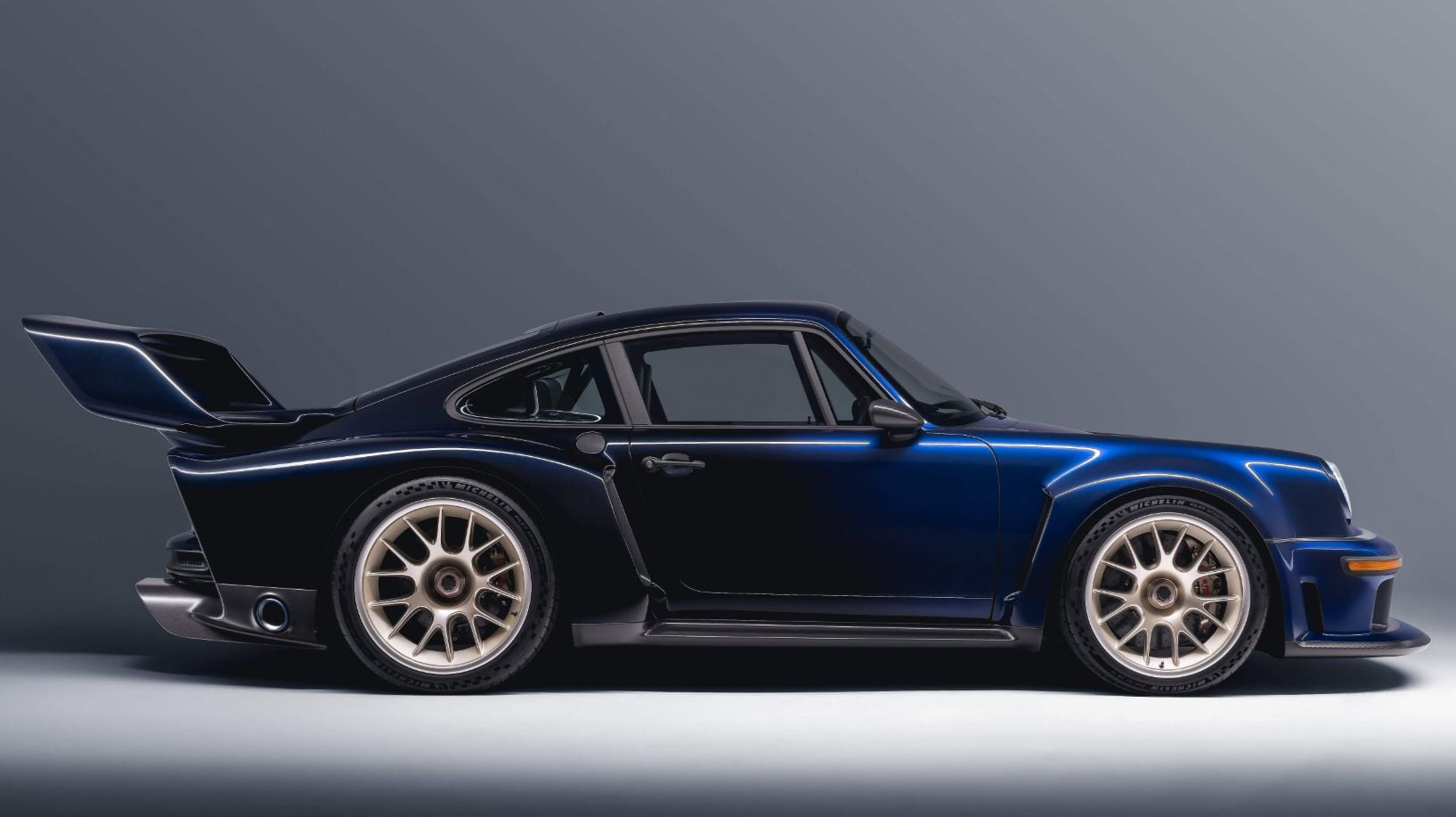
Based on the Porsche 911 of the 964 generation, produced between 1989 and 1994, the DLS Turbo Sorcerer starts from a car supplied by the customer and undergoes a complete reconstruction. The proposal preserves the analog driving experience, but incorporates modern engineering solutions, especially in the use of turbocharging, a central element both in the original 934/5 and in this contemporary reinterpretation.
The engine is a 3.8-liter opposed six-cylinder with two turbochargers, developed from the mechanical basis of the 964. The hybrid cooling architecture (water-powered cylinder heads and air-cylinders) refers to the search for thermal efficiency under high loads, a challenge already faced in the racing cars of the 1970s. The power exceeds 700 hp, with torque close to 76 kgfm and revs above 9,000 rpm. The transmission is a six-speed manual, with rear-wheel drive.
The bodywork uses carbon fiber panels on a reinforced steel frame. The aerodynamic development uses computer simulations and brings direct references to the Porsche 934, 935 and, above all, the 934/5, both in terms of airflow management and cooling solutions. The front suspension adopts a double-wishbone architecture, with redesigned components also on the rear axle.
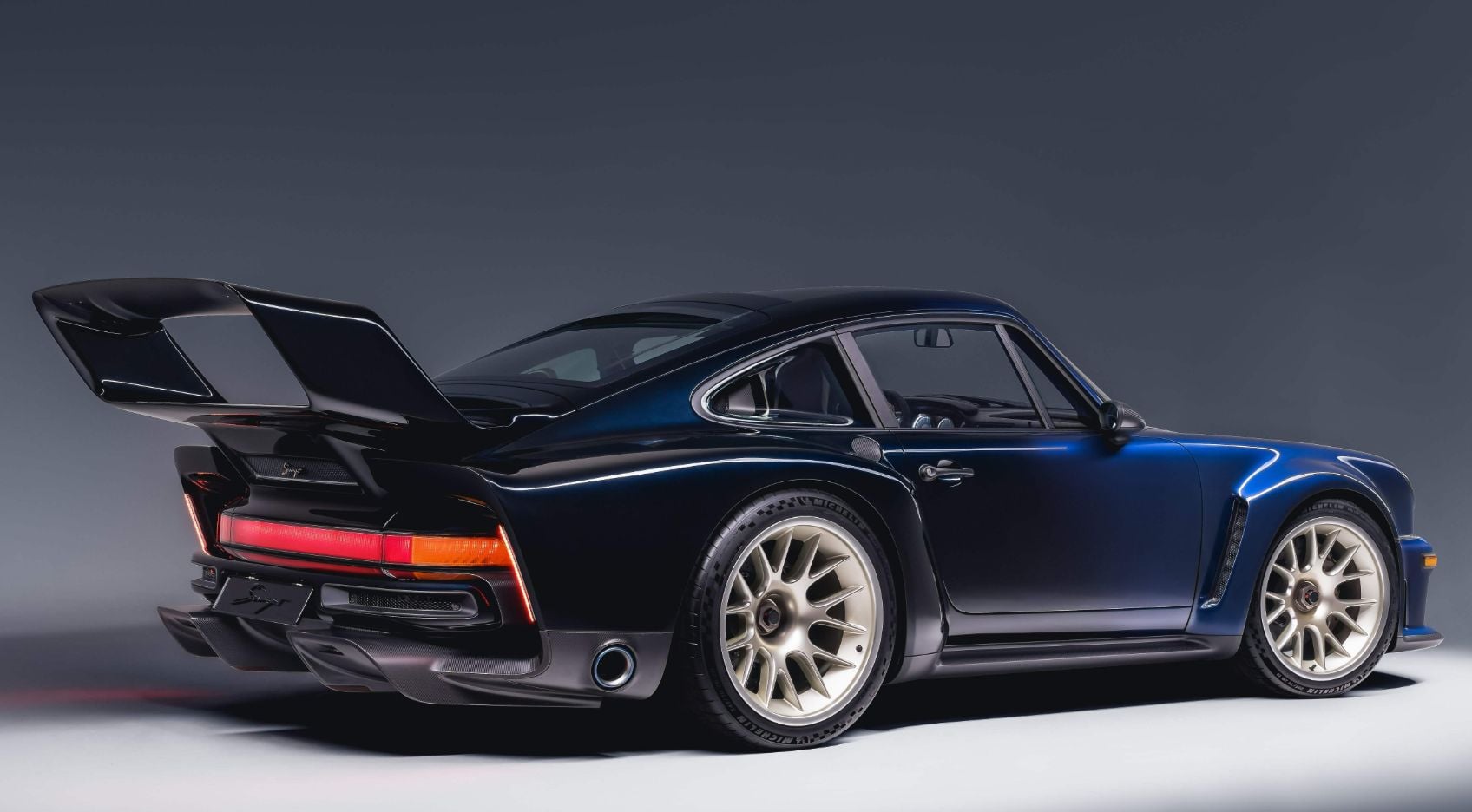
Functional details reinforce the link with the historical model, such as the air collectors integrated into the spy windows. Unlike the competition car, which kept the turbines exposed, the Sorcerer uses lower extractors and positions the exhaust outlets laterally, evoking track solutions in a contemporary context.
The set is complemented by carbon-ceramic brakes, magnesium wheels and Michelin Pilot Sport Cup 2 tires. Electronic systems allow traction, stability and ABS adjustments, as well as a front axle lift mechanism for urban use.
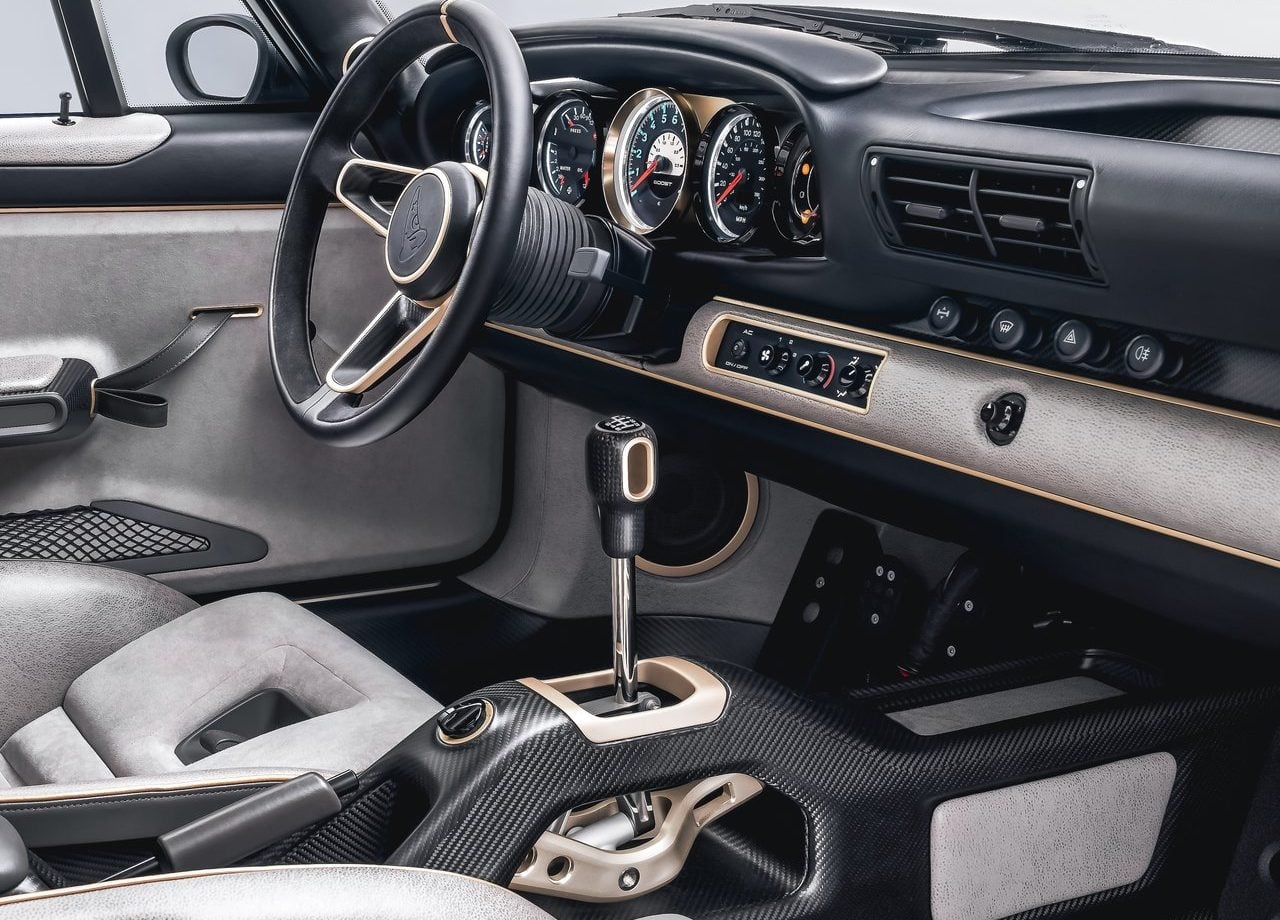
Inside, the handcrafted finish combines leather, Alcantara and carbon fiber, with redesigned analog instrumentation and discreet integration of modern features. What Singer does not reveal is the price of the joke or that it is the moneyed man who ordered the “sorcerer”.



