Electric SUV impresses with its size, the package of technologies, but the extended range of the ultra-hybrid version is more reliable
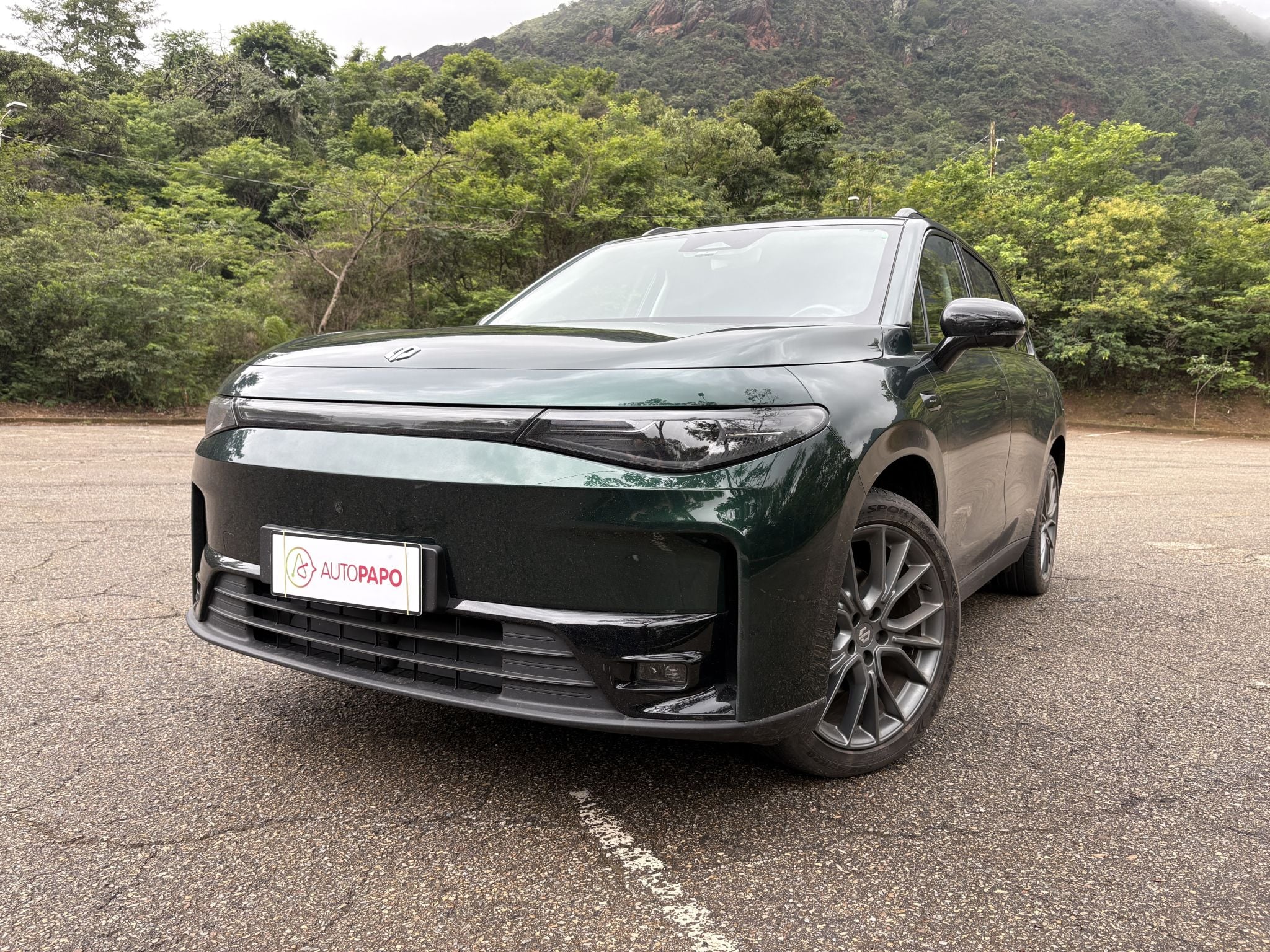
The electric car market in Brazil is experiencing a turning point. What was previously restricted to expensive, small models with limited autonomy, is starting to gain more rational, familiar and competitive options. One of the clearest examples of this change is the Leapmotor C10, a 100% electric SUV that arrives in the country for R$ 205 thousand, a price that puts it face to face with medium combustion SUVs — and even below many of them.
SEE ALSO:
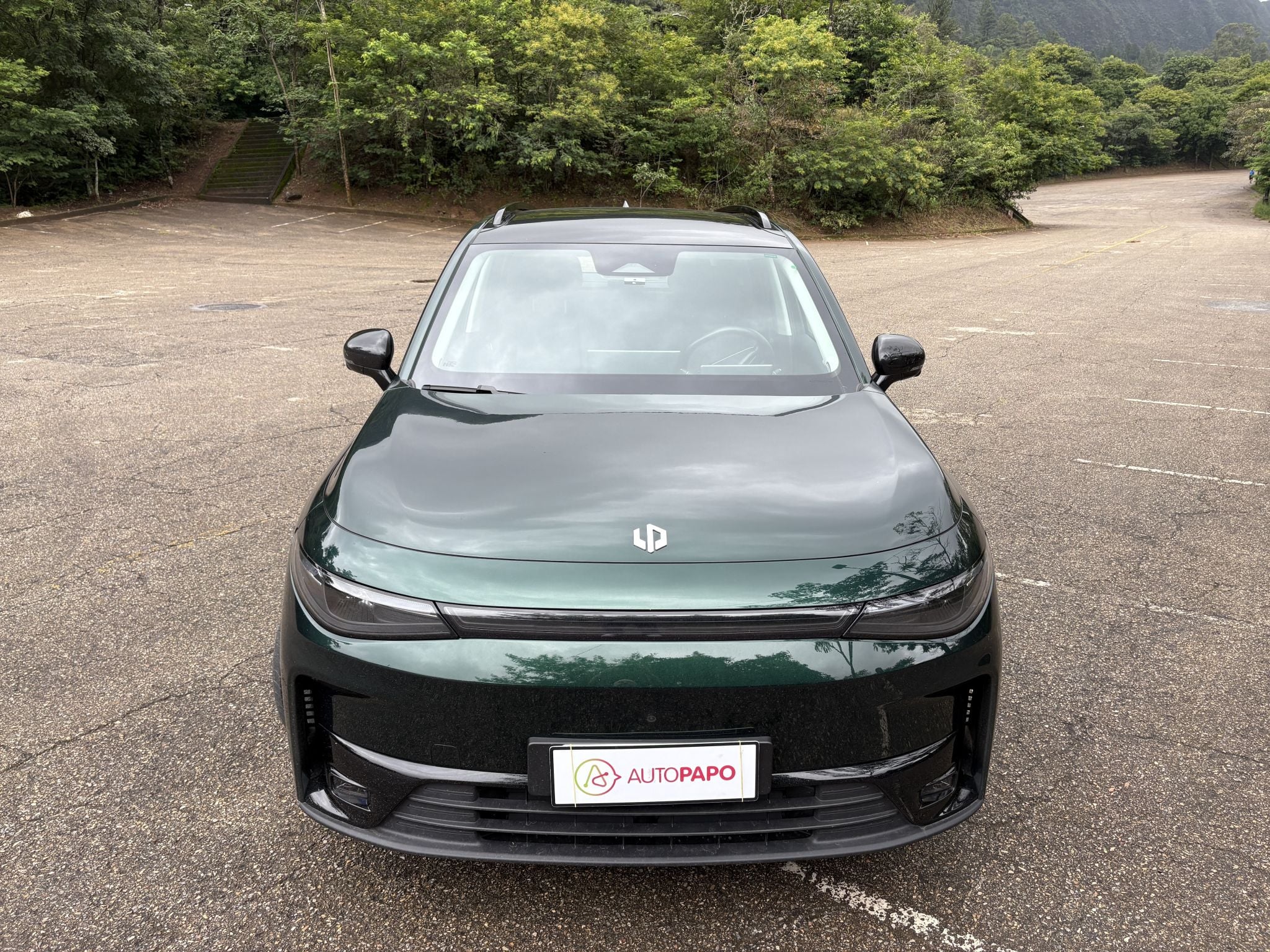
The Leapmotor C10 is not an entry-level electric. It has a large size, dimensions similar to those of SUVs such as the Jeep Commander, and a mechanical set typical of the intermediate segment. The electric motor, mounted on the rear axle, delivers 218 horsepower and 32,6 kgfm of torque, powered by a 70 kWh battery. The official autonomy varies according to the measurement cycle, but in practice it is around 350 km, a number that meets urban use and daily commutes well.
It is precisely the autonomy that concentrates the main dilemma of the C10. For those who drive mostly in the city, have a charging point at home or at work and make predictable routes, the range is sufficient and does not compromise the routine. For those who travel long distances frequently, recharge planning becomes indispensable. Not by chance, the brand also offers a version with extended autonomy, using a combustion engine only as a generator.
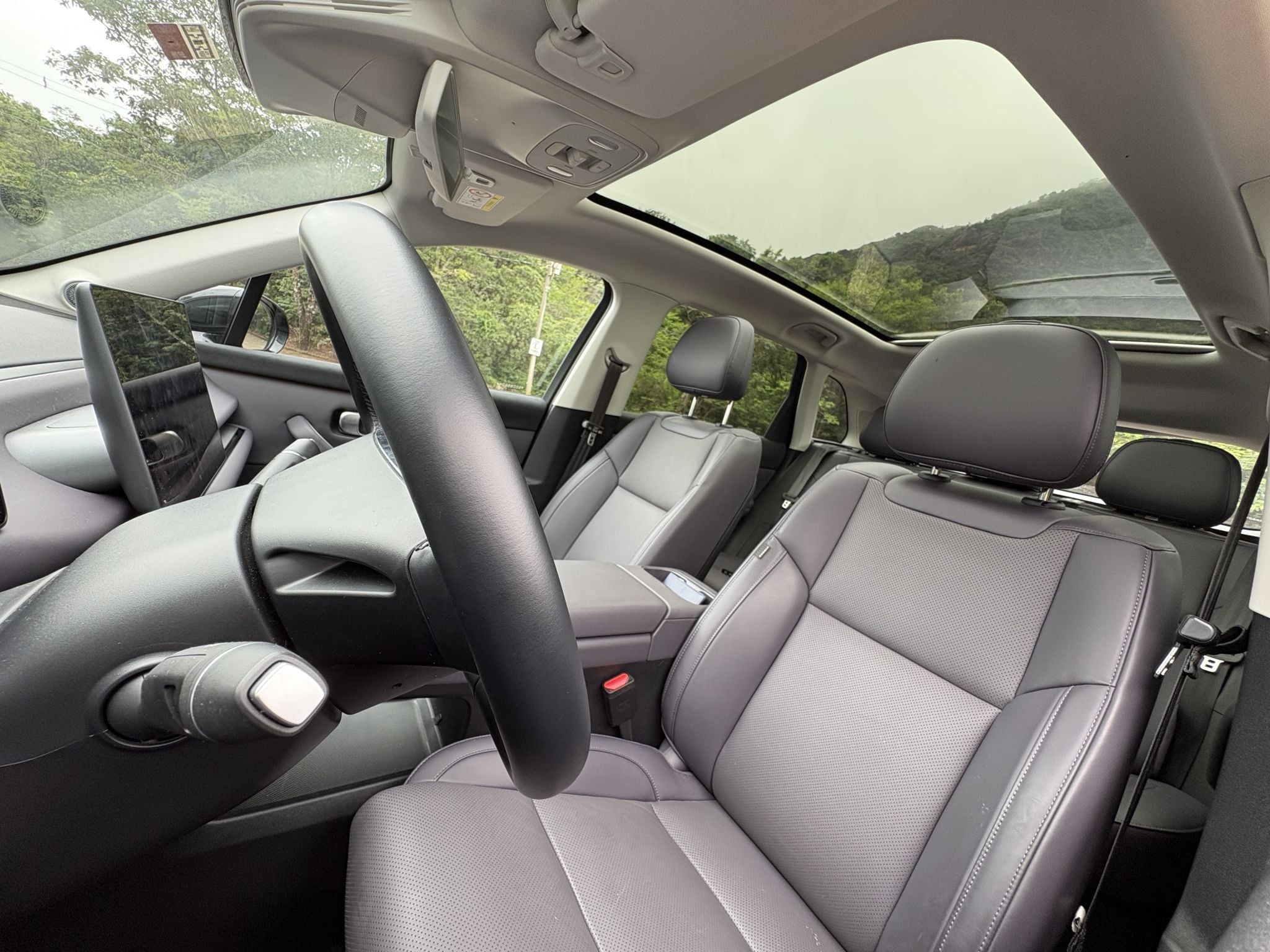
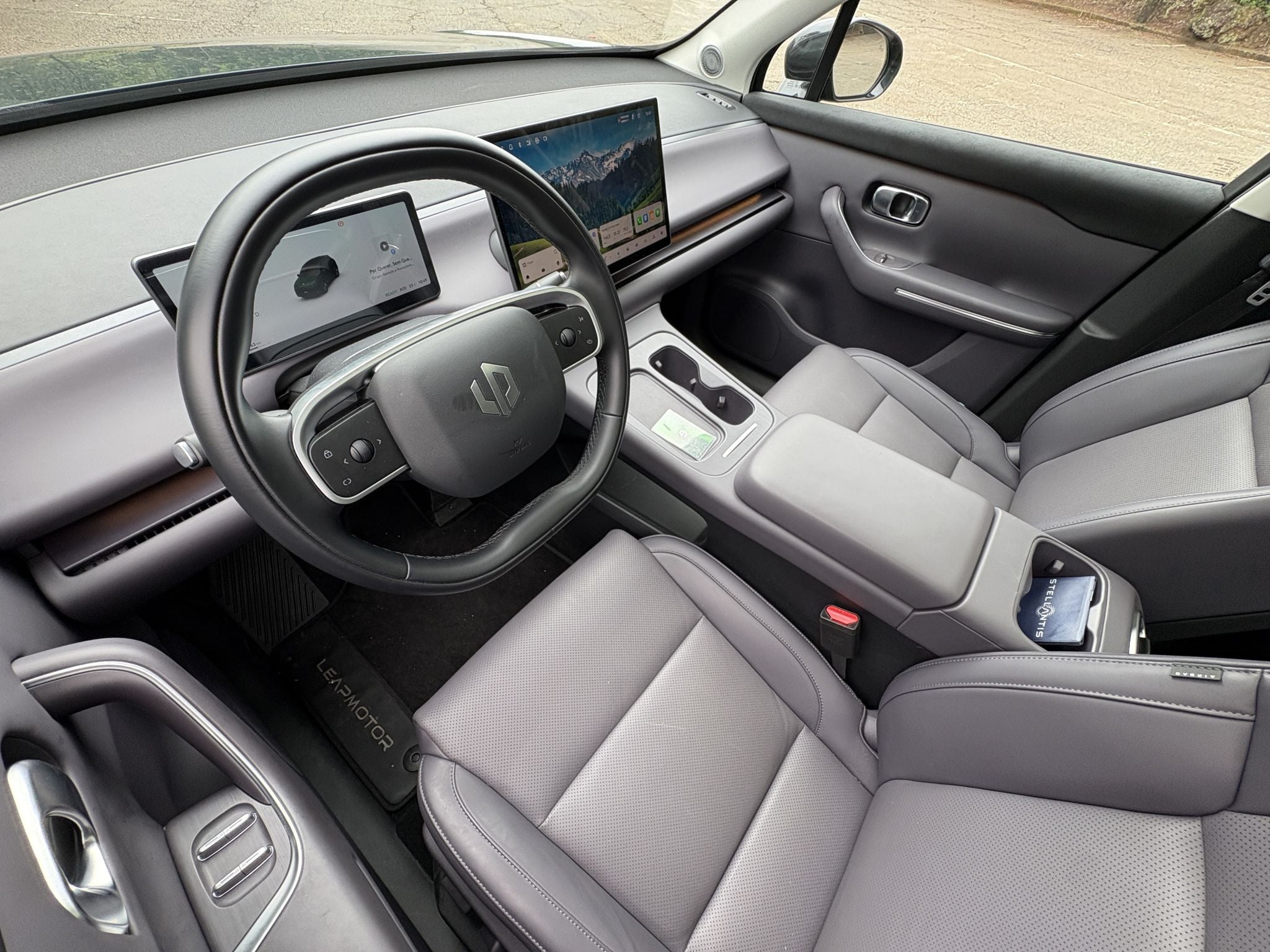
Inside, the Leapmotor C10 bets on a radically minimalist concept. Almost all of the car’s functions are concentrated on the central screen: air conditioning, mirrors, trunk opening, driving modes and general adjustments. Physical buttons practically do not exist. The look is impressive and reinforces the feeling of modernity, but requires a period of adaptation, especially for those who come from traditional cars. After the initial relearning, the use becomes simple and fluid.
Another strong point is the technological package. The C10 features ADAS level 2, with adaptive cruise control, lane keeping assistant and automatic emergency braking. Added to this is an advanced 360º and 540º camera system, which creates a virtual view of the surroundings and even the ground under the car, in addition to the possibility of recording the route, as an integrated dashcam.
Safety and driving assistanceThe technological package is one of the great assets of the model:
At this point, the C10 delivers content worthy of much more expensive cars.
In the market, the Leapmotor C10 faces rivals such as the BYD Song Plus EV and the GAC Aion Y, but stands out for its balance between size, technology and price. It’s not the most powerful or the most efficient, but it delivers a lot of content for an aggressive price.
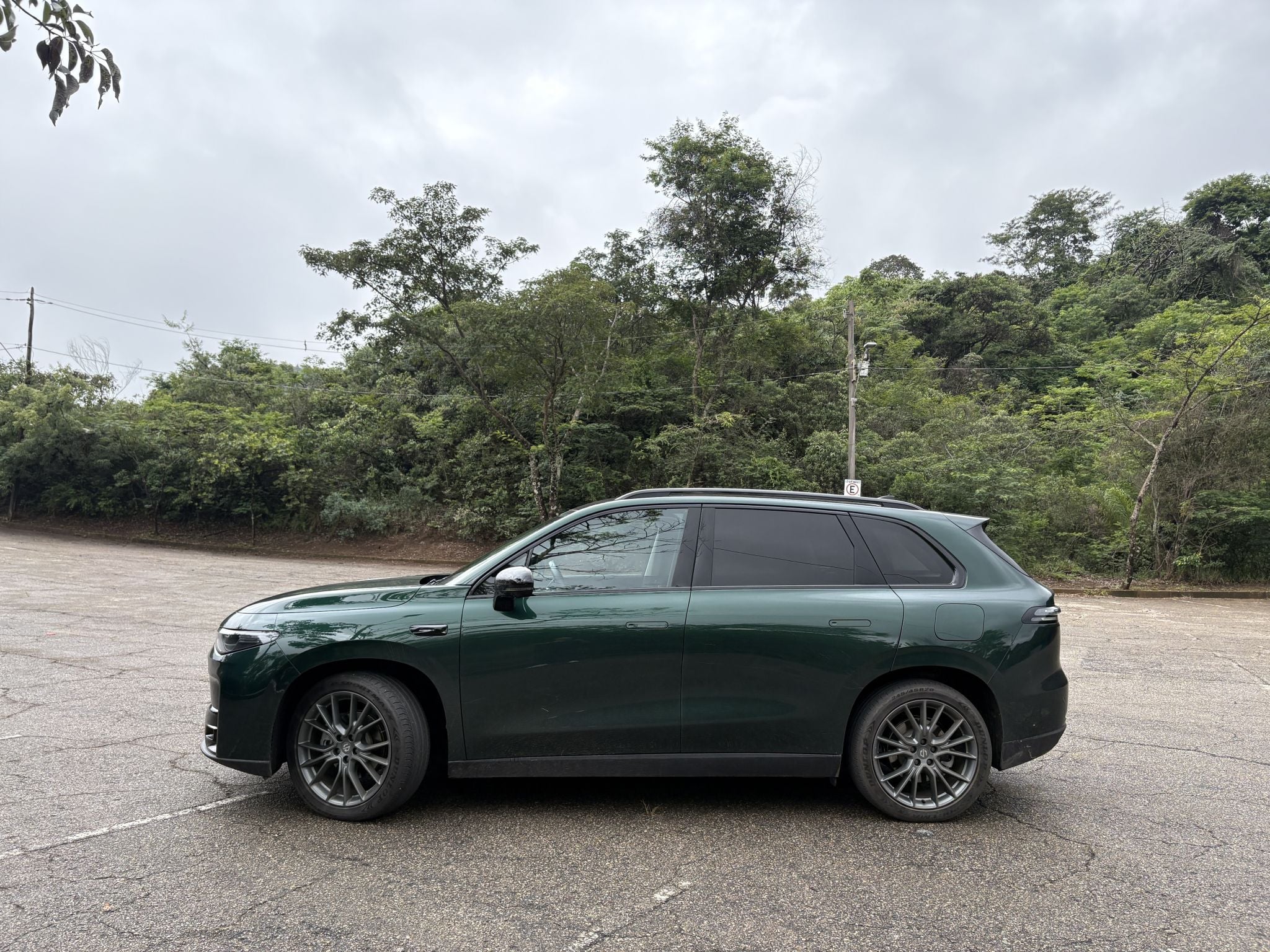
Even with a rear engine, the interior space surprises. The trunk exceeds 400 liters, there are extra compartments under the floor and the space for passengers is ample, reinforcing the family profile of the model. The suspension setup is also worth mentioning: firmer than the Chinese standard, it was calibrated for the conditions of the Brazilian asphalt, ensuring comfort without excessive roll in curves.
In everyday use it is a car that pleases by offering comfort, depending on the driving mode it is possible to extract more vigor from the electric motor. But remember that it will charge in autonomy. A point that requires improvement is the lack of connectivity with Android Auto and Apple CarPlay. The native browser tries to fulfill the function, but without the same precision as applications such as Waze and Google Maps. Stellantis says it will release remote update soon to allow access to Google and Apple systems.
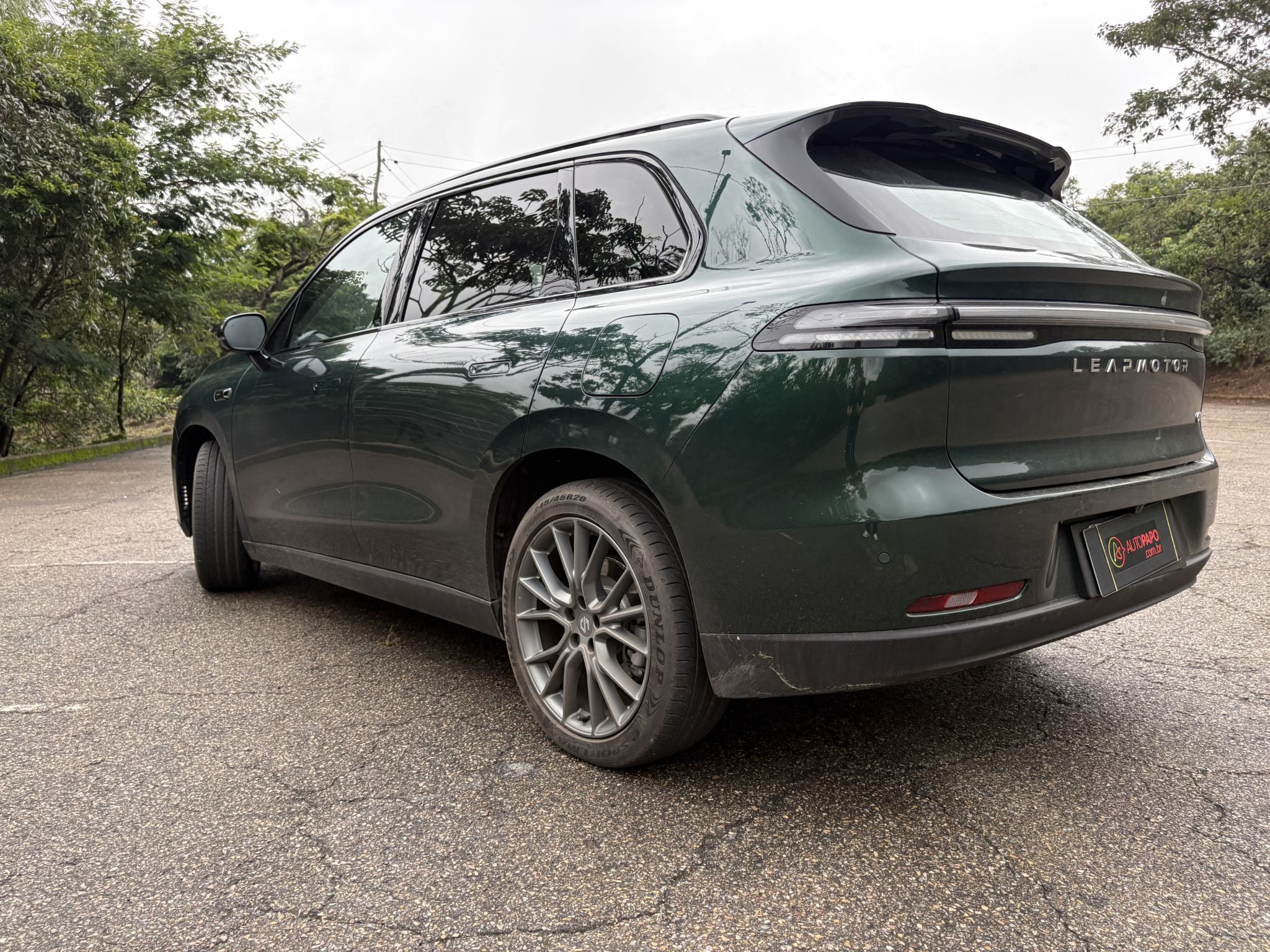
The C10 is a car that impresses with its size and contents. A very sophisticated car that is positioned in a price range of much less refined and smaller models. The problem lies in the limited autonomy, which can be a complicating factor for those who bet on a family car other than because it goes too far from home. However, Leap’s solution costs about R$ 15 thousand more, the REEV version, acronym for ultra hybrid, which has a combustion engine that increases the range to more than 900 km.



