GWM's seven-seater SUV delivers a rich package of technologies and the diesel engine that the Brazilian consumer values so much
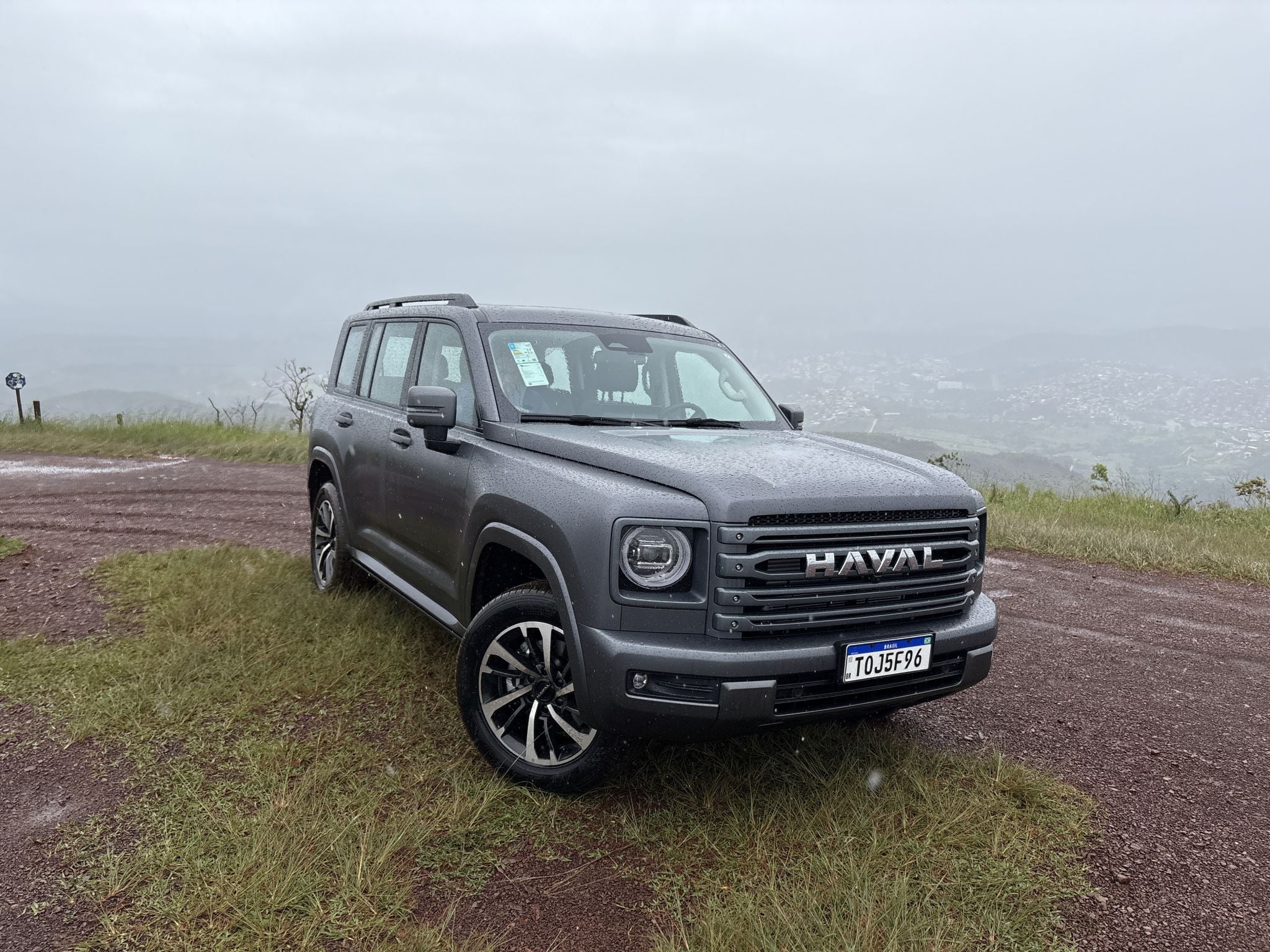
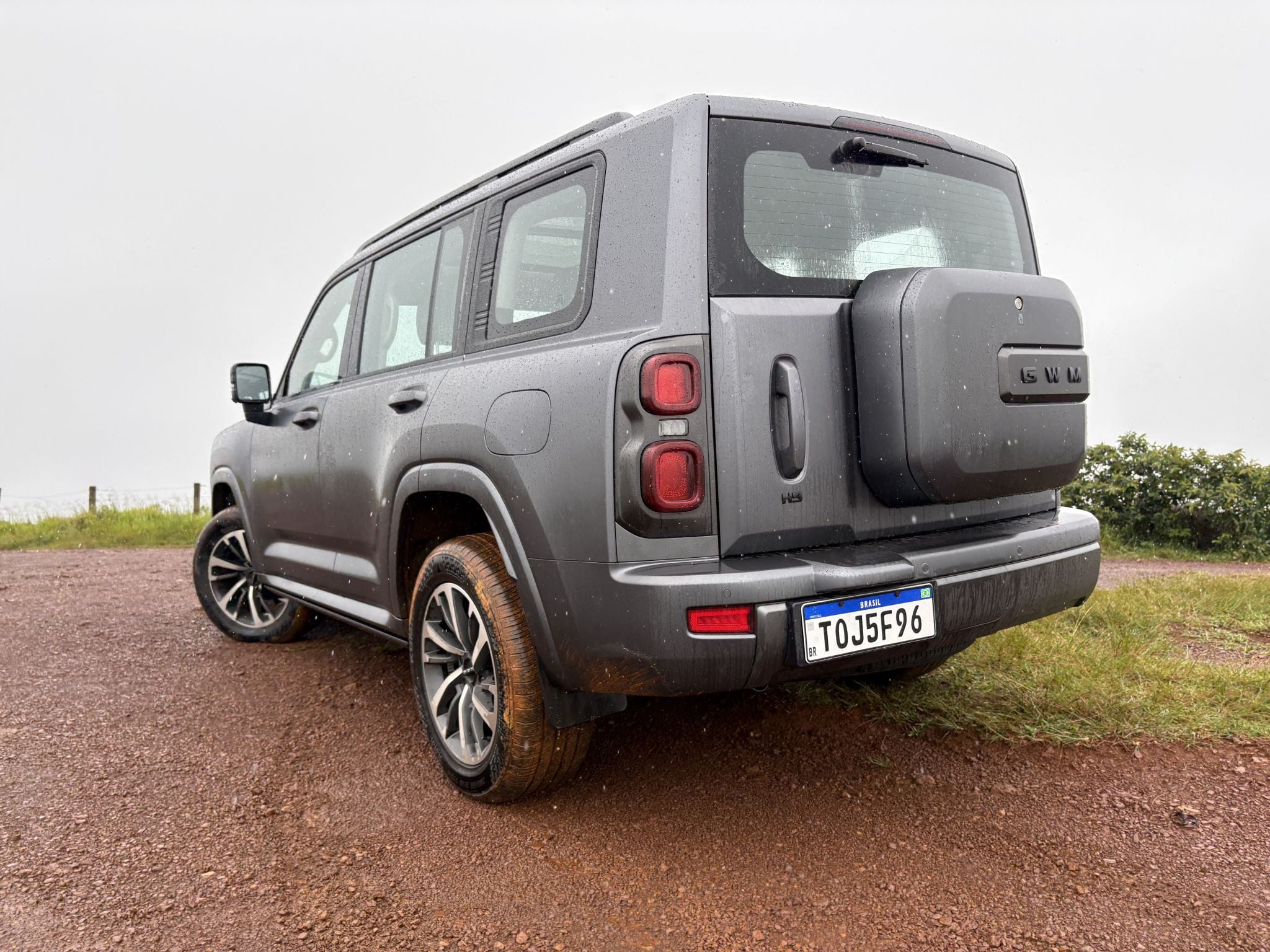
The GWM Haval H9 marks the Chinese manufacturer’s definitive entry into the segment of large SUVs, with a structure derived from a pickup truck, in Brazil. Unlike the other GWM models sold in the country, the H9 bets on a traditional architecture, with a chassis separate from the body, diesel engine and 4×4 traction with reduced, positioning itself directly against Toyota SW4, Chevrolet Trailblazer and Mitsubishi Pajero Sport.
The proposal of the Haval H9 is clear: to combine structural robustness, real off-road capability and a high package of technology and comfort, something that has historically always been a strong point of Japanese brands in this segment.
SEE ALSO:
The GWM Haval H9 uses a platform derived from a pickup, with a stringer chassis and a body mounted on the frame. This solution ensures greater torsional resistance, better off-road capability and greater tolerance to severe use, especially on trails, dirt roads and uneven terrain.
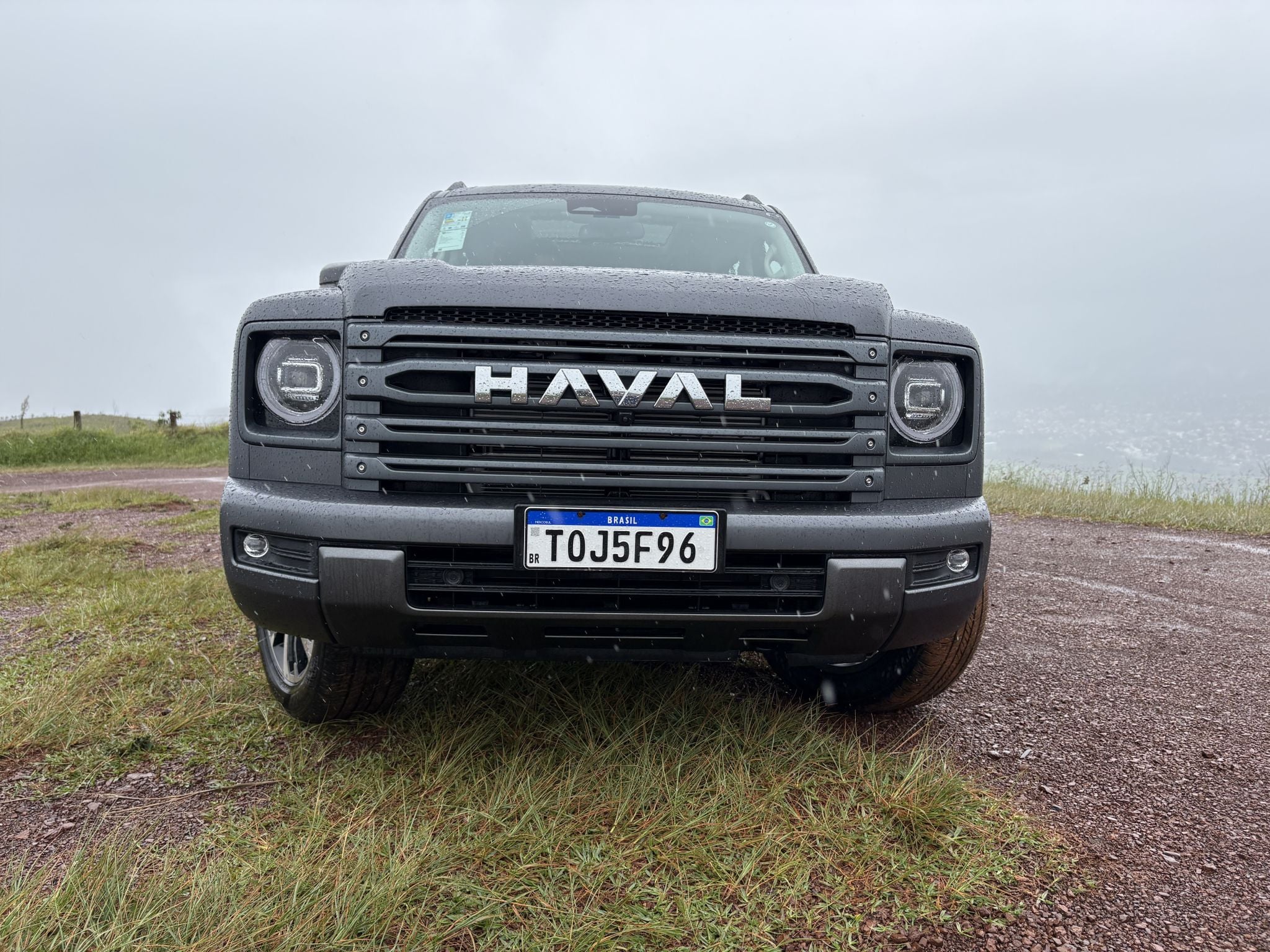
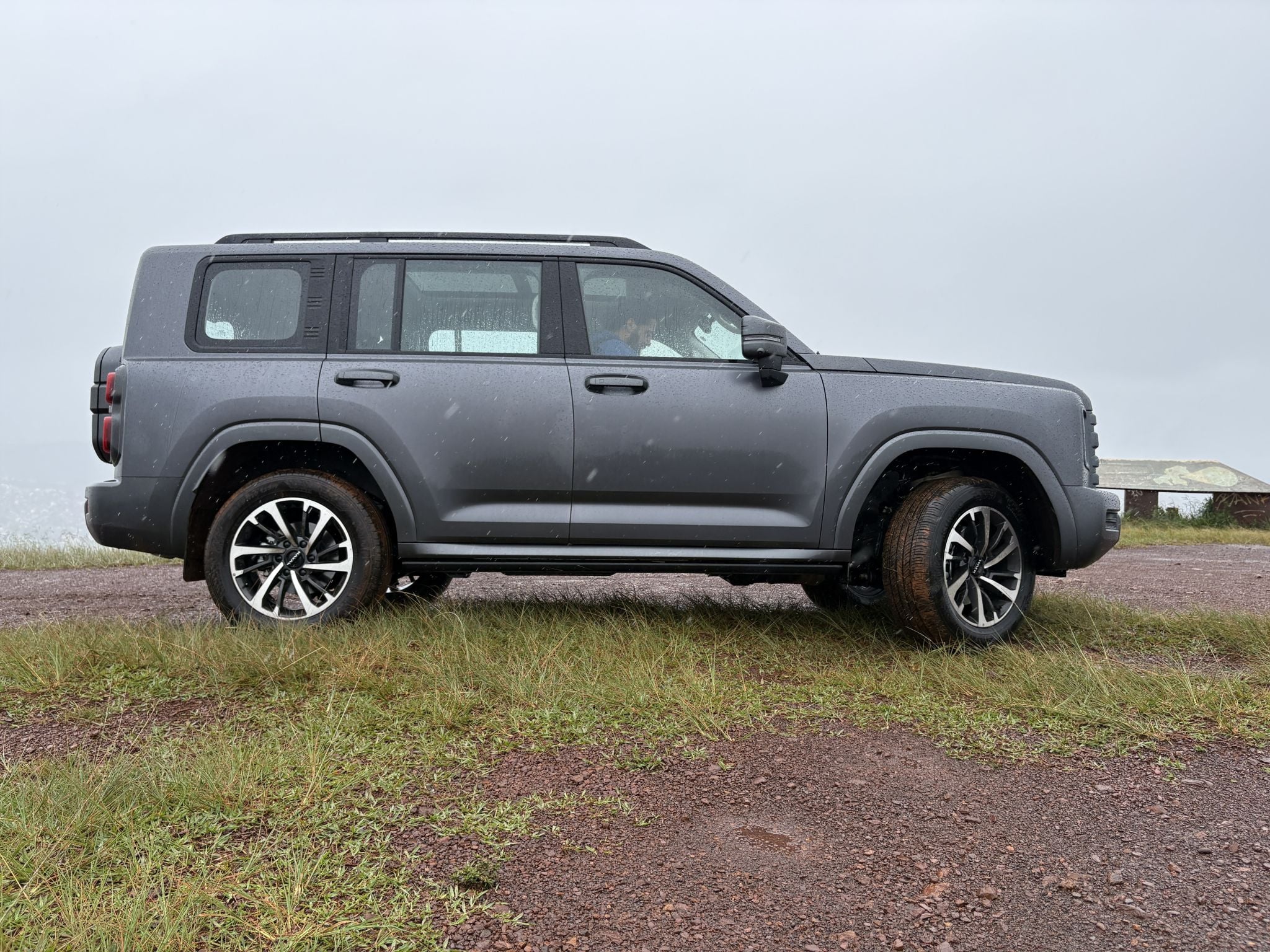
It is a large, wide and tall SUV, with a size similar to that of the main rivals. The generous wheelbase allows it to accommodate up to seven occupants, with good space in the second row and a third more suitable for children or short trips, as is already common in this type of vehicle.
Under the hood, the Haval H9 features a 2.4 turbodiesel four-cylinder engine, delivering 185 hp of power and approximately 49 kgfm of torque. The set is coupled to an automatic transmission and a 4×4 traction system with reduced option.
In absolute numbers, the H9 is below some direct competitors, such as SW4 and Trailblazer, which already exceed the 200 hp mark. In practice, this translates into slightly more progressive responses on the asphalt, especially in resumptions and overtaking, something expected considering the high weight of the vehicle.
On the other hand, the abundant torque at low revs favors off-road use, allowing you to overcome obstacles with ease and without the need for excessive acceleration.
The main differential of the GWM Haval H9 is in the off-road package. The SUV offers 4×2, 4×4 high and 4×4 reduced traction, as well as front and rear differential lock. There are also specific driving modes for mud, sand and snow, which electronically adjust torque delivery, throttle response and traction management.
During the evaluation on trails with mud, loose stones and steep slopes, the electronic system showed efficient performance, distributing torque automatically and avoiding excessive slippage. Even without activating the reduced in some sections, the H9 maintained good progression, stability and control, showing a solid set-up between mechanics and electronics.
The long-travel suspension contributes to the absorption of irregularities, without reaching the stops even on heavily punished terrain.
Despite the robust construction, the Haval H9 has balanced behavior on asphalt. On urban roads and highways, the SUV absorbs potholes, patches and undulations well, reducing the transfer of impacts to the interior of the cabin.
The set-up favors comfort, without excessively compromising stability, although extra attention is needed in winding and narrow sections, due to the width and length of the vehicle.
The interior noise level is very satisfactory, with great sound insulation and you barely remember that it has a diesel engine under the hood.
The interior of the GWM Haval H9 follows the standard of sophistication already seen in other models of the brand. The SUV features a digital panel, large multimedia center, smartphone connectivity, premium sound system and a wide package of driving assistance.
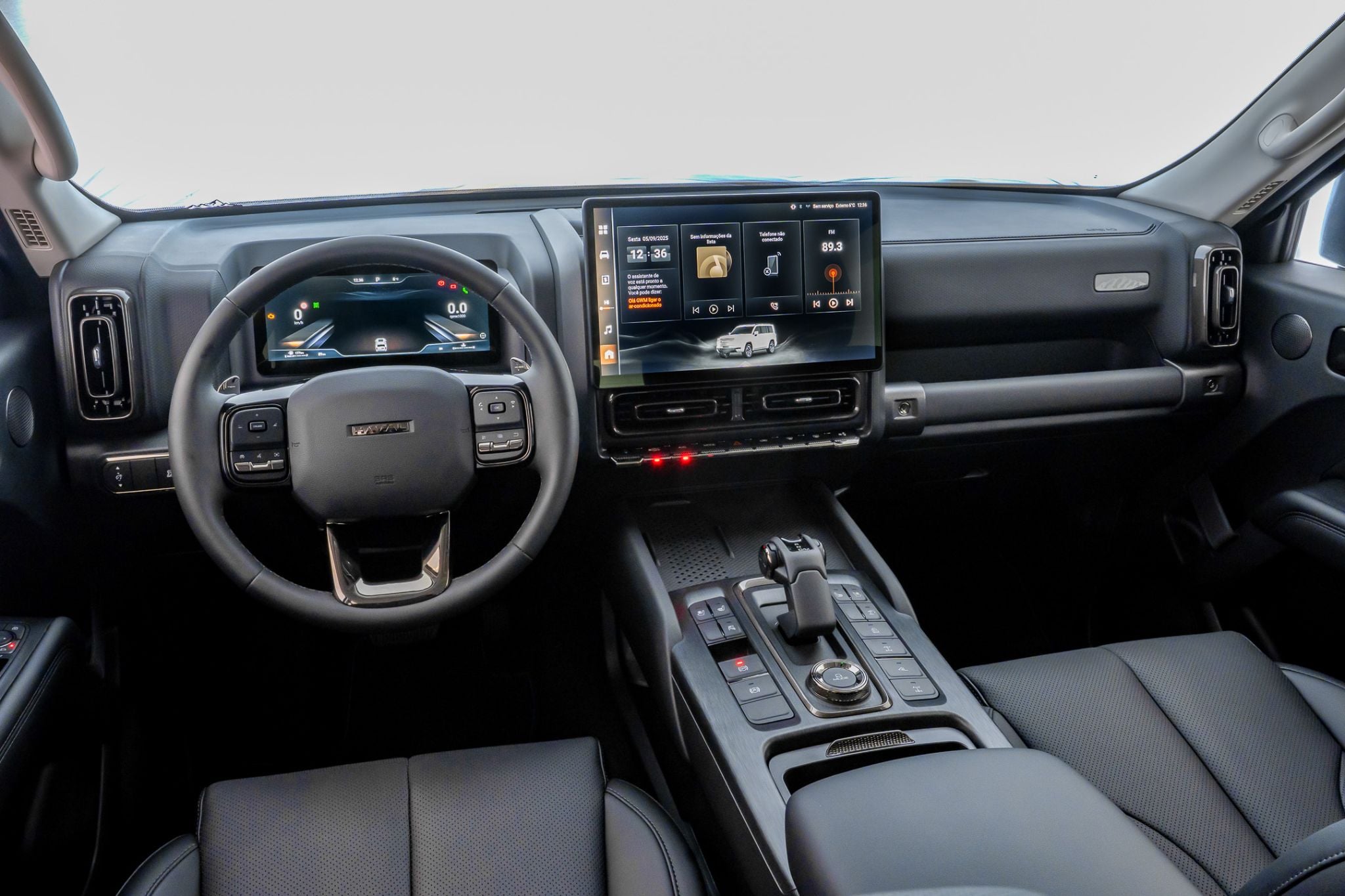
One of the highlights is the climate control system with independent control for the three rows, including roof outlets for the second and third rows, something that is not always efficient in direct competitors, but which in the H9 has good practical performance.
Despite the heavy use of on-screen commands, GWM kept physical buttons for essential functions, such as climate control, better meeting the preferences of the Western market.
The safety package includes ADAS level 2 driving assistants, with lane monitoring, adaptive cruise control, collision alerts and a system that reads the vehicle’s surroundings in real time.
According to data from Inmetro, the GWM Haval H9 has averages close to 10 km/l in combined use, a number compatible with large diesel SUVs and separate chassis. For a vehicle of this weight, size and proposal, the numbers are considered adequate.
The GWM Haval H9 arrives in the Brazilian market with a price of around R$ 330 thousand, positioning itself below top-of-the-line versions of the Toyota SW4, which are already close to R$ 450 thousand. The brand’s strategy is clear: to offer a diesel SUV from scratch, with broader technological content, for a lower price than traditional competitors.
Despite the aggressive price, the H9 has a winding path ahead of it is to convince the Brazilian consumer that its SUV has attributes that surpass the powerful SW4. After all, the ballast of the emblem is often decisive when closing the deal.



