Partnerships between China and Westerners are positive, with mutual learning and agility in development processes
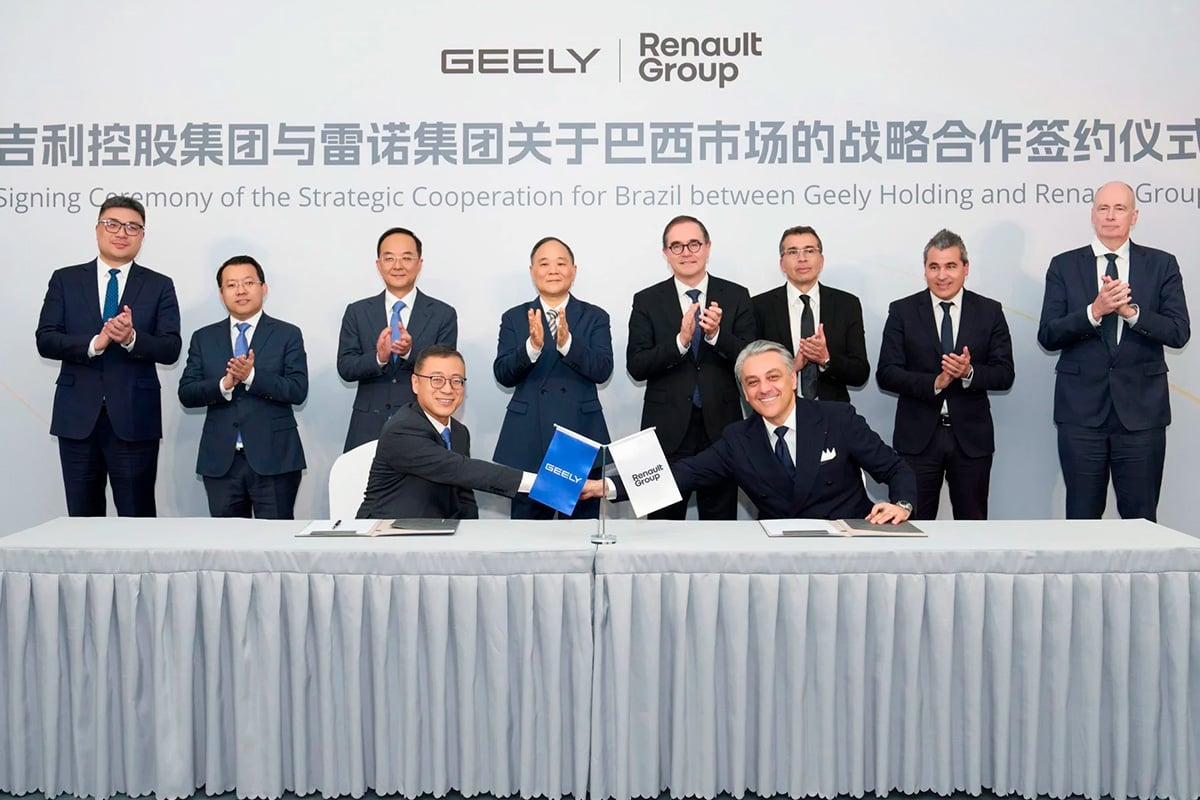
The advancement of Chinese brands within the world’s largest vehicle market (their own) was the result of planning and strategic decisions. One of them, the state incentive to develop electric cars. Without taking away the merit of the choice, it should be noted that traditional engine and transmission (manual or automatic) are more expensive to develop and produce. On the other hand, they do not need large batteries and very high price. Electrics, in turn, have the simplicity of lighter, more compact and cheaper engines with power and torque in their favor. However, they require a vast and capillary charging network, which makes travel particularly difficult. This last problem led to its disappearance about a century ago.
SEE ALSO:
In a recent interview with the Autocar magazine website, Thierry Charvet, Renault’s executive responsible for Product Quality, was assertive and direct. “We are learning from new rivals in terms of software development and reducing the number of parts on their cars. But we can teach valuable lessons to Chinese competitors when it comes to manufacturing,” he said.
The strategy of the French group that has an alliance with Nissan and Mitsubishi, as well as the owner of Dacia, Alpine and Renault Korea (formerly Samsung Motors), is to reduce the development time of new models to about two years. This is on par with Chinese companies that are expanding across the European Union (EU). But the Eastern companies are dedicated to specific products, with less equipment than their European competitors. Thus, the European brand gains in agility and serves customers with vehicles they are already used to.
Renault did not comment on this, but the average buyer on the continent also shows a certain pride in its national brands, although it is a deep-rooted habit in Germany and France, a little less in Italy and even less in Great Britain that is outside the EU.



