In a market dominated by automatic SUVs, the Kardian Evolution is a haven for consumers who prefer to change gears on their own
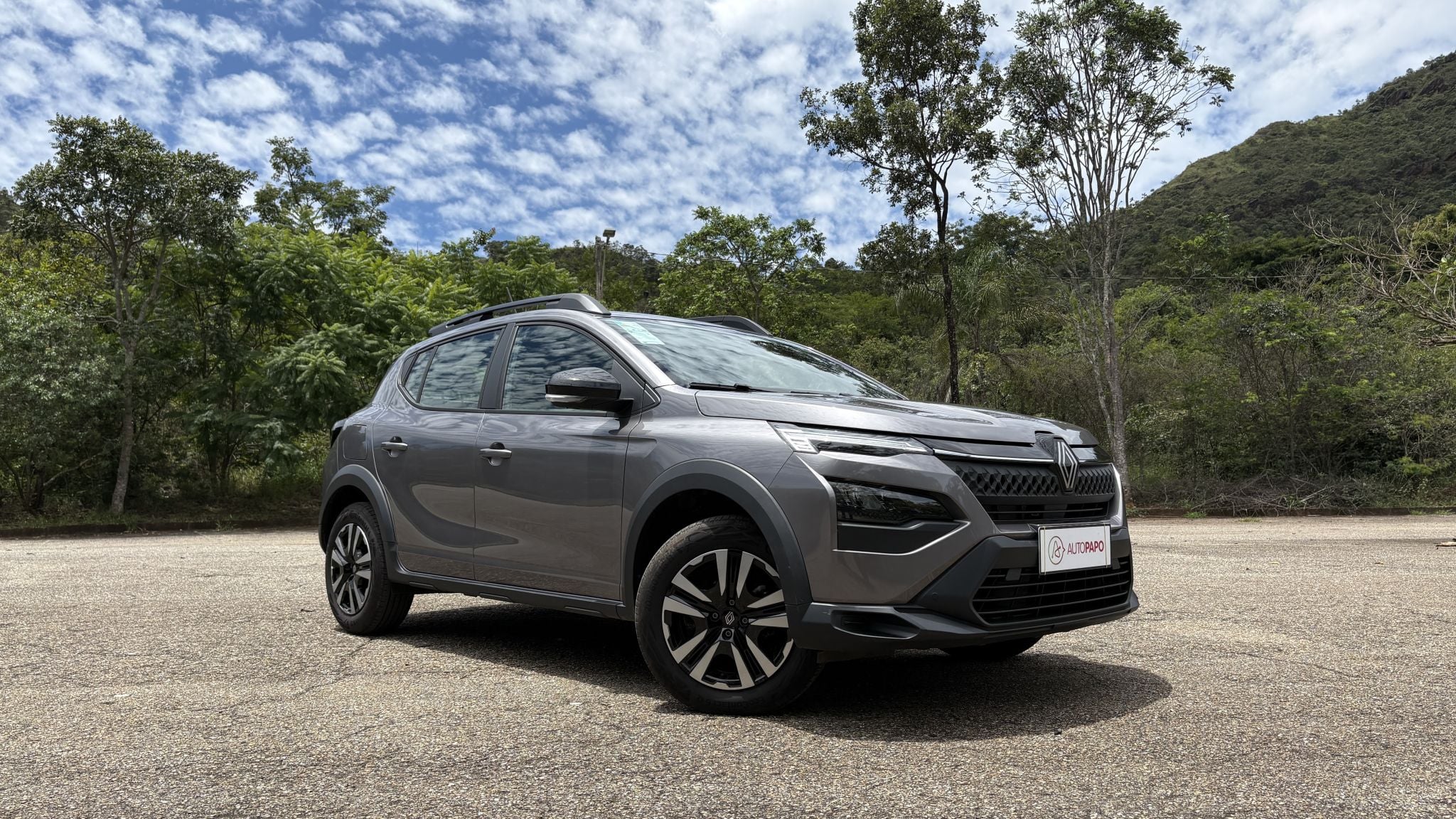
The Brazilian market has consolidated a clear trend: automatic SUV dominates sales. Today, most compact SUVs already adopt CVT, conventional automatic or dual-clutch transmissions. In this scenario, the existence of a compact SUV with manual transmission seems to go against the flow. This is exactly the proposal of the Kardian Evolution, the entry-level version of the line.
With a starting suggested price of R$ 113.690, the version is positioned as an access alternative for those who want an SUV, but does not insist on automatic transmission or a wide package of electronic assistance.
SEE ALSO:
The Kardian Evolution maintains the 1.0 TCe turbo engine with 125 hp and 22,4 kgfm of torque. It is a modern engine, with good delivery at low and medium revs. The relatively flat torque curve favors resumptions without the constant need for reductions, something that eases the routine of changes in urban use.
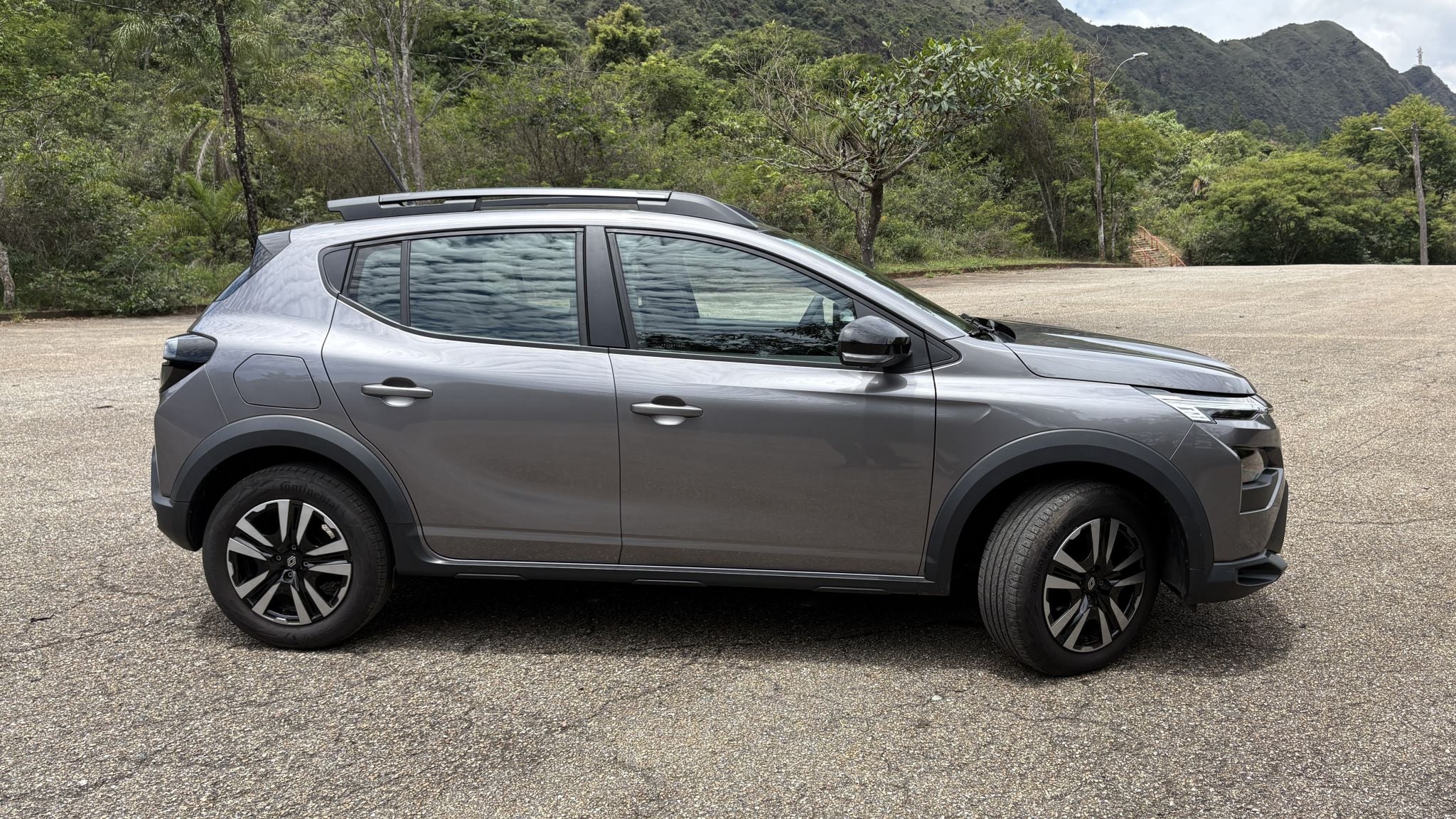
In practice, it is possible to drive in higher gears with the low rev without compromising the response so much. On the highway, sixth gear contributes to more contained revs and, consequently, balanced consumption.
The six-speed manual transmission, however, divides opinions. The couplings are firm and the lever travel has a rougher feel than expected for the segment. On the other hand, there is no inaccuracy: the gears enter correctly, without excessive clearance. It is a functional gearbox, but it could offer greater mechanical refinement.
In heavy traffic, the logic remains the same as in any manual: it requires constant use of the clutch. The positive point is that the pedal is light, which reduces some of the physical wear and tear in traffic jams.
With a length of 4.11 meters and a wheelbase of 2.60 m, the Kardian fits into the group of urban compact SUVs. The internal space serves couples or families with small children well, within the standard of the category.
The 410-liter trunk is in line with the versatile use proposal, allowing short trips without compromising cargo capacity. It is not an absolute reference, but it delivers competitive volume for the segment.
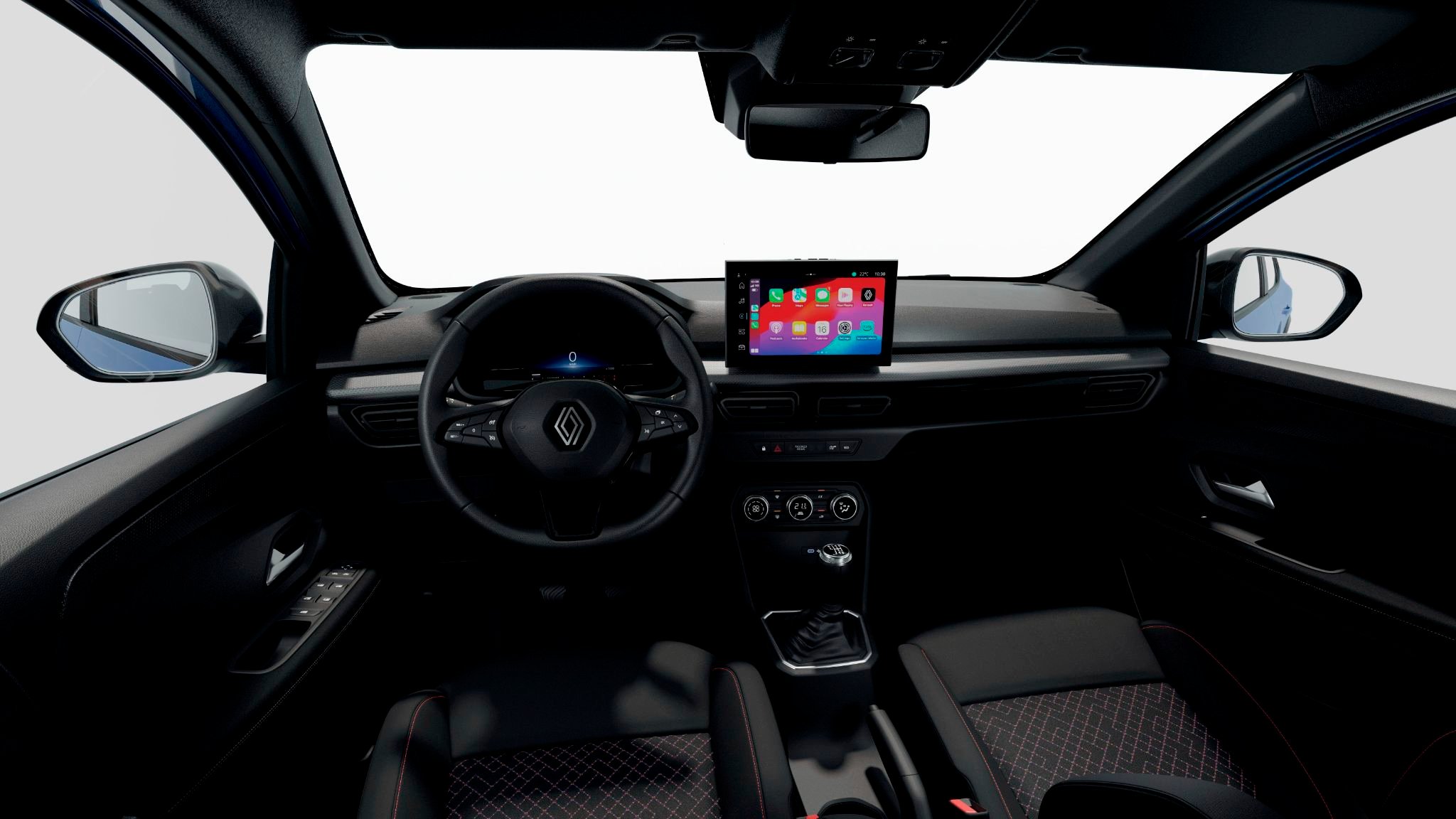
The Evolution version bets on a lean package. It features a digital instrument panel, multimedia center with Android Auto and wireless Apple CarPlay, one-zone digital climate control and USB connections. It fulfills the basics expected today.
On the other hand, it does not offer advanced driving assistance features. Left out are a blind spot monitor, forward collision alert, lane keeping assistant and autonomous braking systems. The absence of these items reinforces the positioning as an access version, with a focus on price and simplicity.
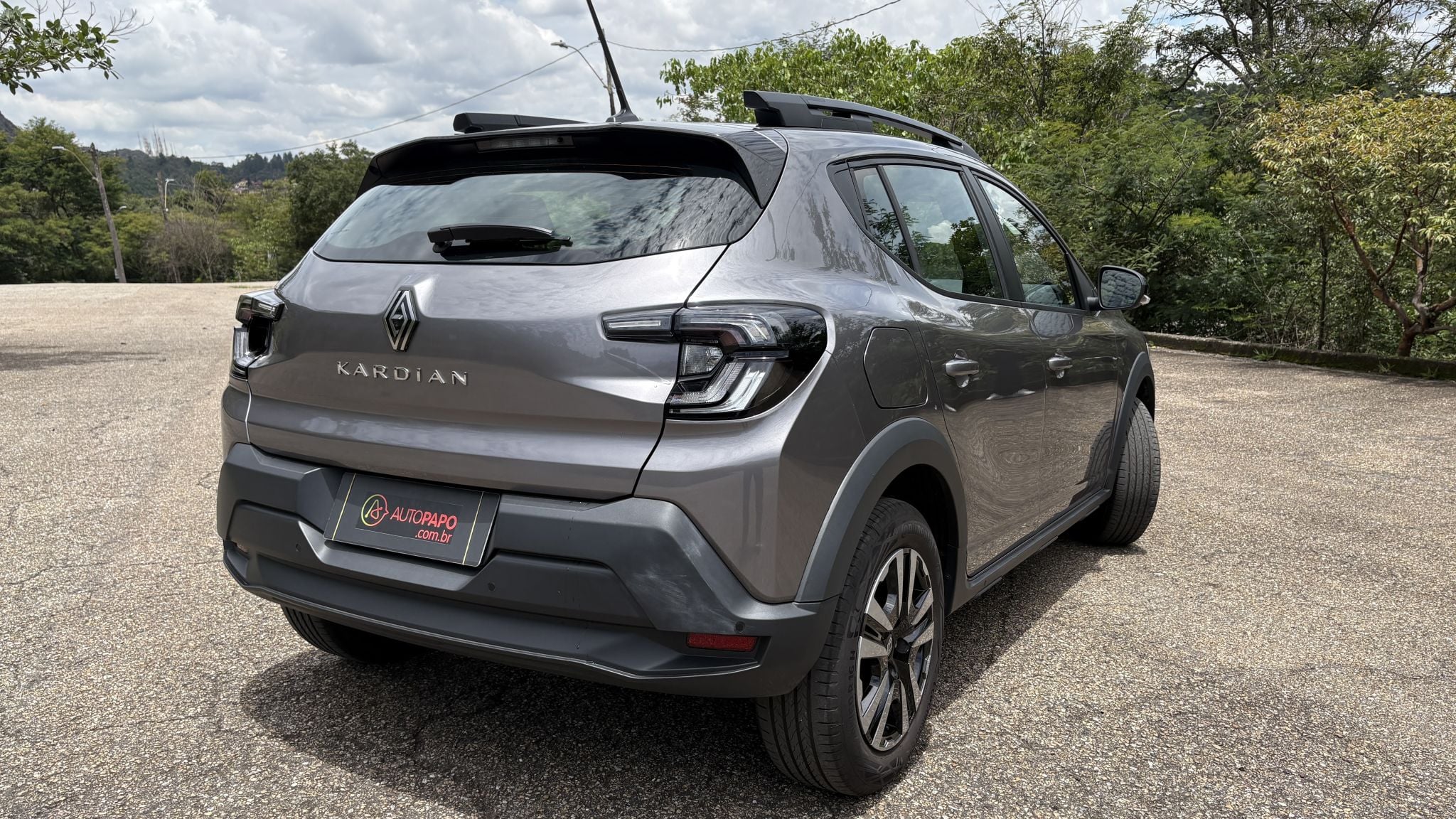
Externally, there is no relevant differentiation in relation to the other versions of the line. A symbolic detail is the use of steel wheels with stylized hubcaps, a solution that reduces production and replacement costs, although it limits the visual appeal.
The central discussion about the Kardian Evolution manual is not just in performance or equipment, but in context. In a country where the share of automatic vehicles grows year after year, launching — or maintaining — a manual version of SUV is a strategic decision.
For part of the public, the manual transmission still represents greater control over the car, lower potential maintenance cost and lower starting price. For another portion, the convenience of the automatic is already an indispensable item.
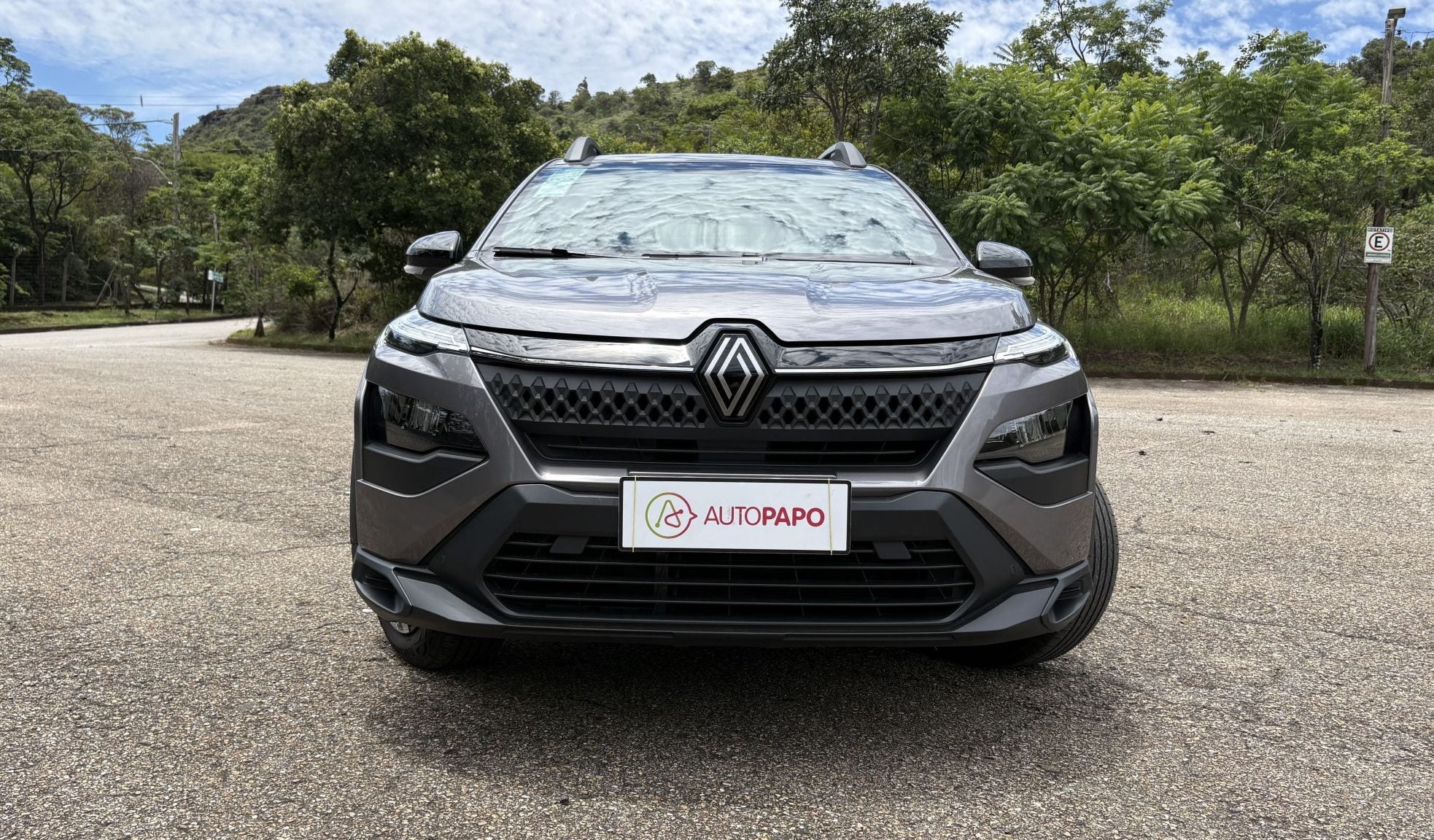
The manual Kardian Evolution occupies this particular niche: consumers who want a modern compact SUV with an efficient turbo engine, but who don’t see additional value in the automatic transmission or advanced assistance systems. It is a proposal for rationalization of the product within an increasingly sophisticated segment.



