Entered for the 1971 24 Hours of Spa-Francorchamps, the immense Mercedes-Benz 300 SEL was responsible for transforming AMG into a high-performance icon
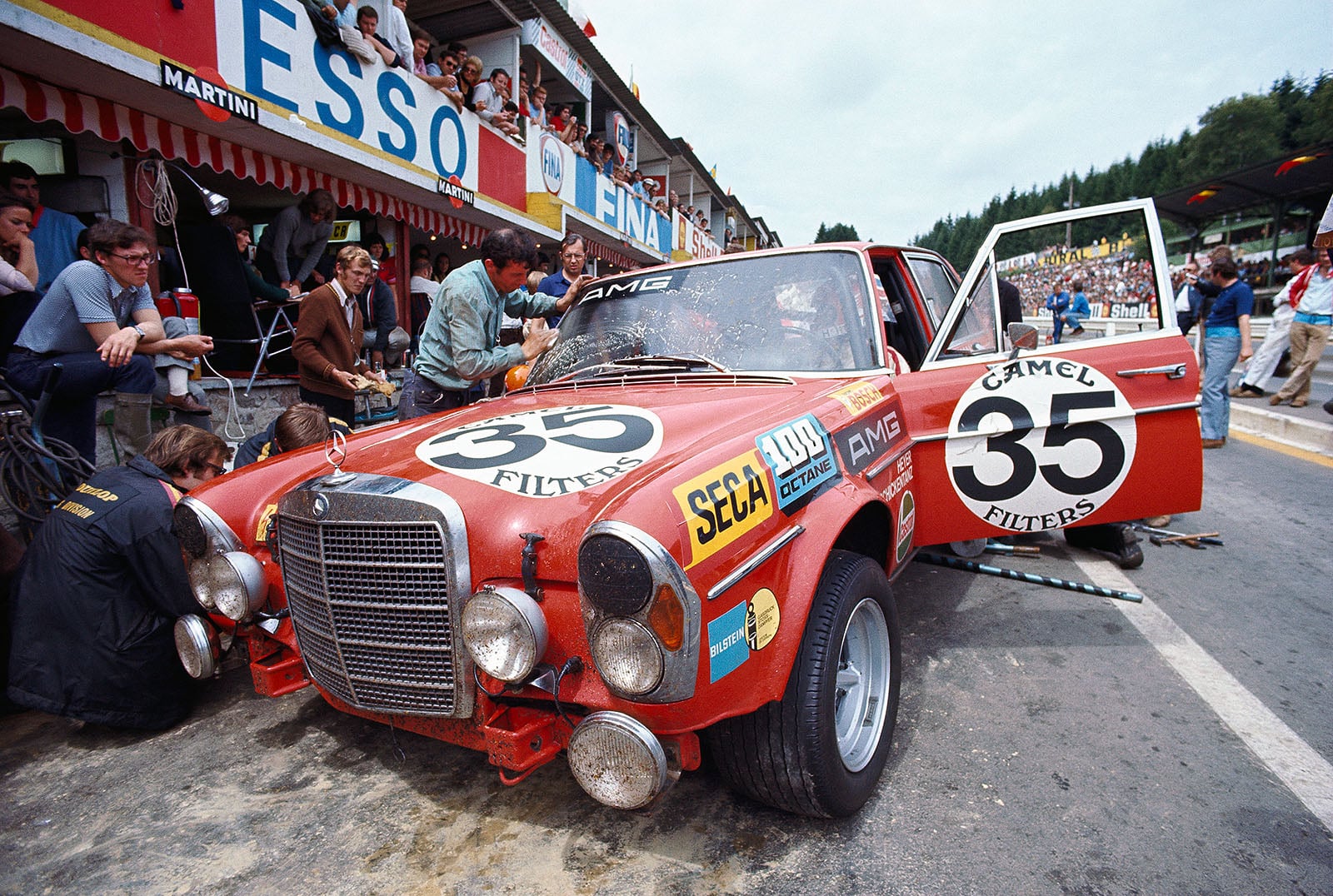
Motorsport is done with precision, conditioning and technique. Basically, a reliable and balanced car is an unshakable tool in the hands of a good driver. Just look at how racing cars are often similar in measurements, weight and even design. But for Clemens Schickentanz and Hans Heyer, the race is won with an unbreakable car and a lot of arm.
SEE ALSO:
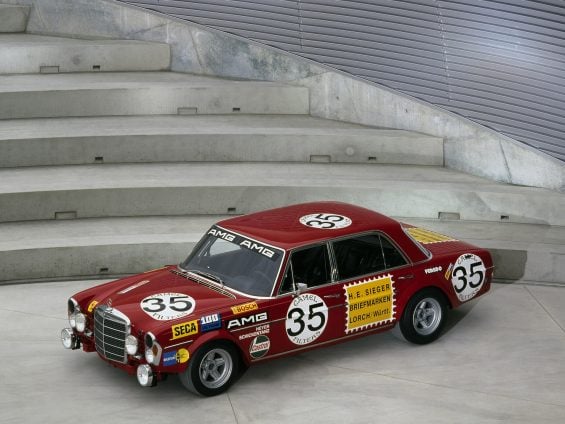
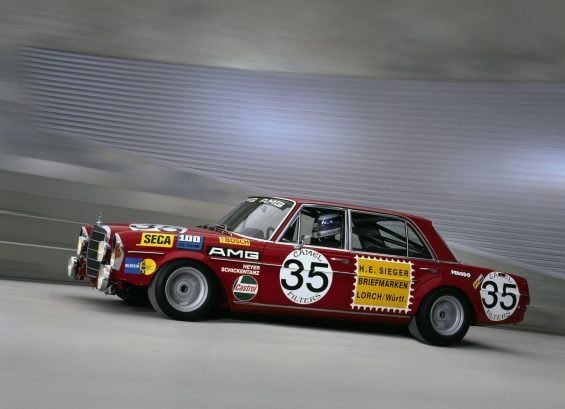
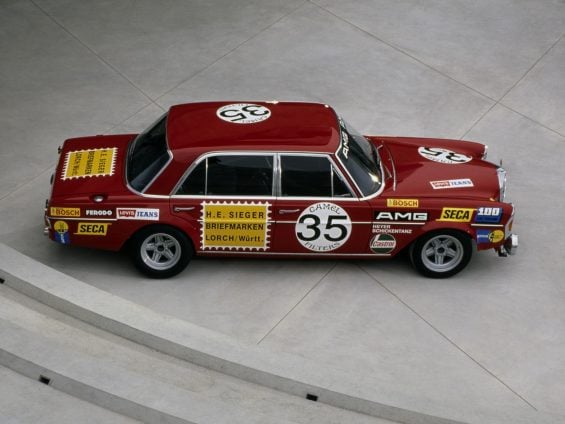
And this is more or less how the story of the Mercedes-Benz 300 SEL 6.8 AMG, known as Red Pig, begins, protagonist of one of the most emblematic episodes of European motorsport in the early 1970s. In an era marked by the dominance of lightweight coupes and compact sports cars in touring car races, the presence of a large luxury sedan on the grid seemed like a miscalculation. The result obtained at the 24 Hours of Spa-Francorchamps turned boldness into a historical reference.
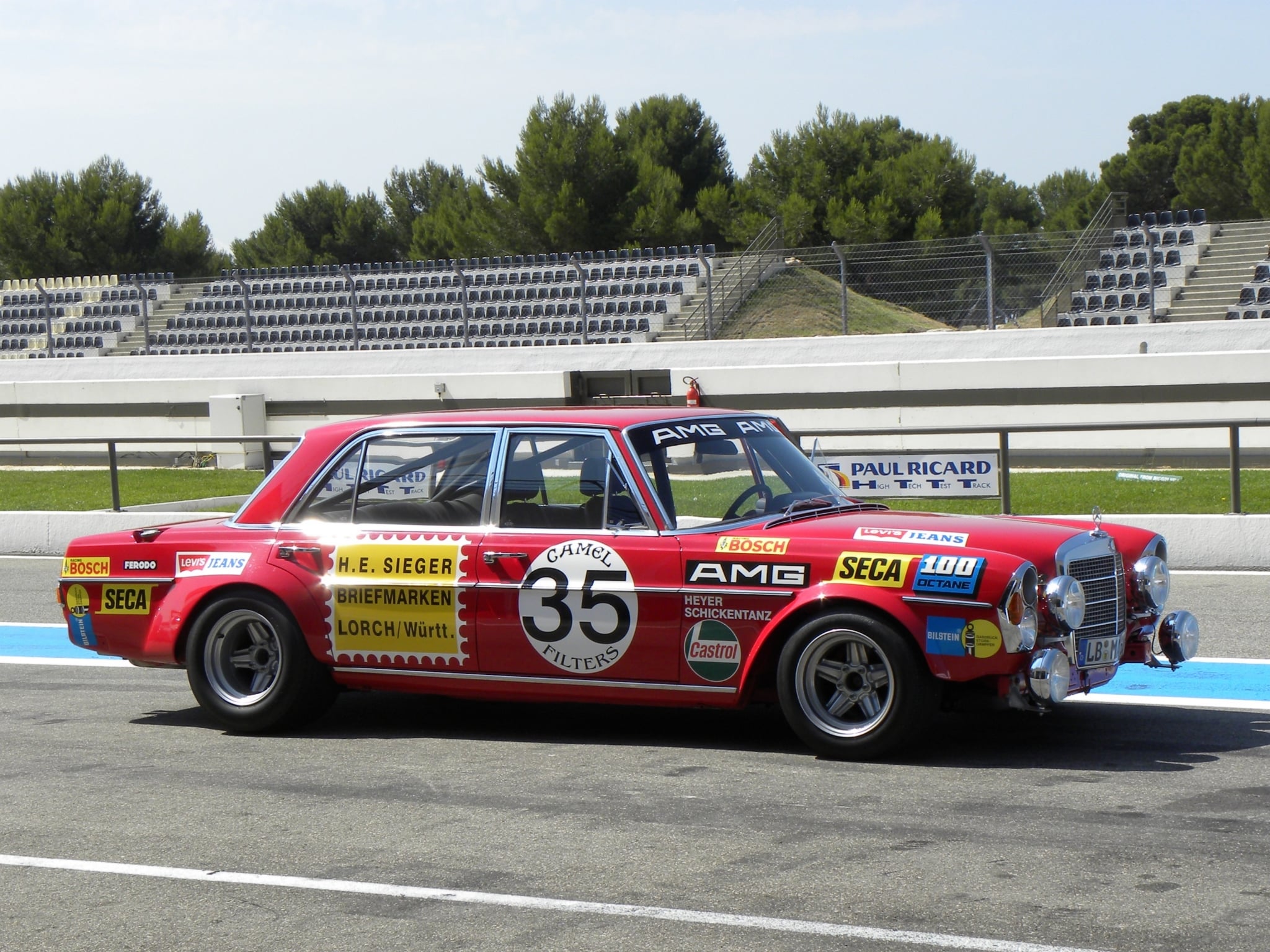
If AMG is what it is today, much is due to Red Pig. And in turn, the red Mercedes became immortal thanks to the audacity of the engineers of the Affalterbach preparer. Until then, AMG was just a Mercedes engine preparation workshop, founded in 1967 by engineers Hans Werner Aufrecht and Erhard Melcher, who brake on the three-pointed star mark.
The initiative came from drivers Clemens Schickentanz and Hans Heyer, who sought out the workshop to develop a competitive car from the base of the 300 SEL 6.3, for the race that would be held between June 24 and 25, 1971. The idea was a bit stupid, but if everything goes down minimally, it could be a good advertisement for the small company with only five years of activity. The initial proposal provided for the adoption of an even larger engine, but the gain in power would imply a significant increase in weight, compromising the power-to-weight ratio and durability in a 24-hour race.
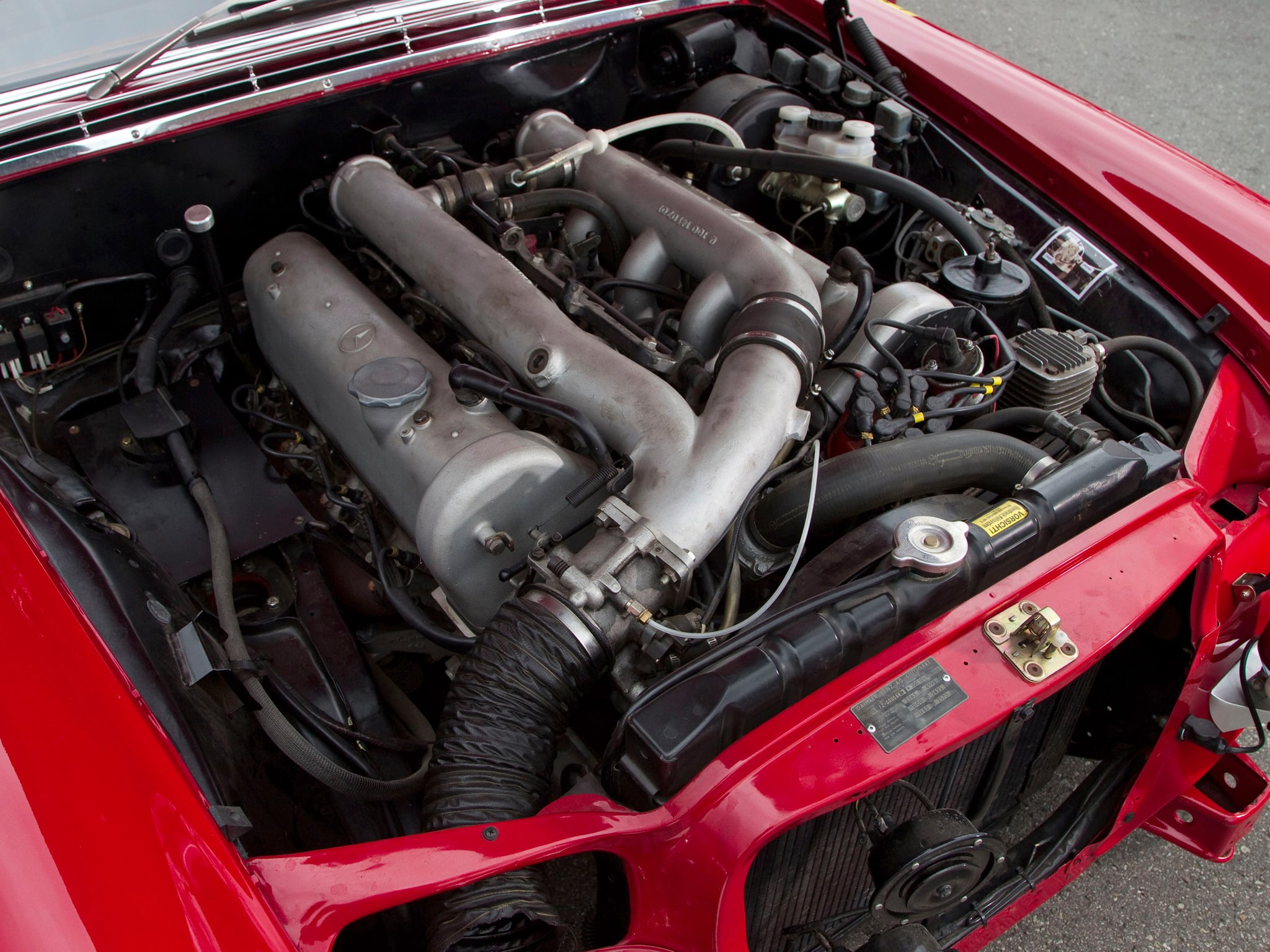
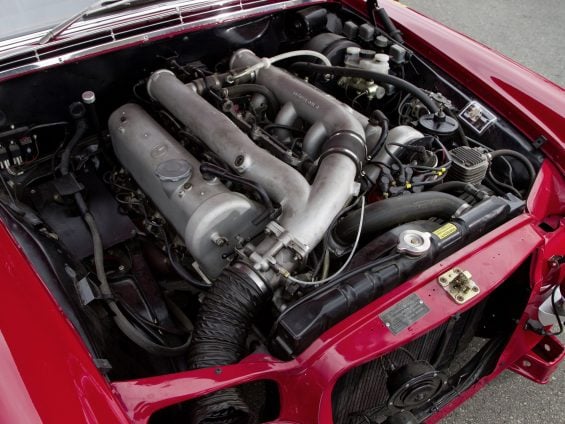
Aufrecht and Melcher decided to follow another path. The 6.3-liter V8 had its displacement increased to 6.8 liters, with internal modifications (which consisted of increasing the diameter of the cylinders) that raised the power from just under 200 hp to approximately 430 hp. AMG also replaced the camshaft, installed lighter connecting rods, increased the compression ratio (to compensate for the new diameter), installed new intake and exhaust manifolds, as well as a new intake throttle (double-body) and low-restriction exhaust system.
Completing the set were an engine oil cooler and a new crankshaft to withstand the increased pressure of the detonation of the chambers. The torque also grew substantially, around 62 kgfm, which gave speed to the acceleration of the almost two-ton pig. Being fast was key at the exit of Eau Rouge (the Kemmel straight), as well as on the parabolic stretch between Paul Frère and the Chinane at the finish line.
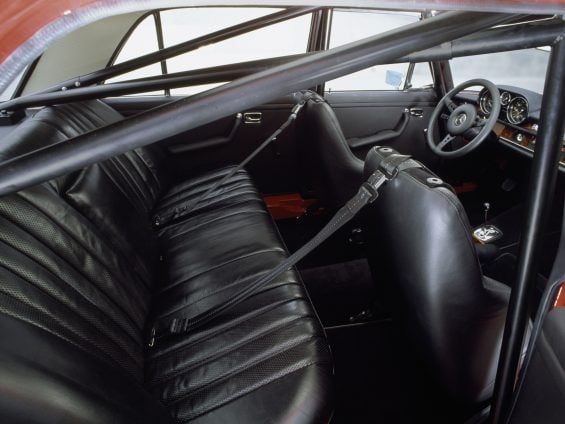
However, power alone would not be enough. The big limousine needed to lose mass. Components considered superfluous were removed, including interior finishes. All the luxury of that Mercedona was thrown away, it was not possible to tear off the wood finish of the panel, so as not to have to replace it with another material. For the rest, everything went to waste and the Red Pig, which still at 1.6 tons, was capable of reaching a maximum of 265 km/h, something remarkable for the time, especially for it.
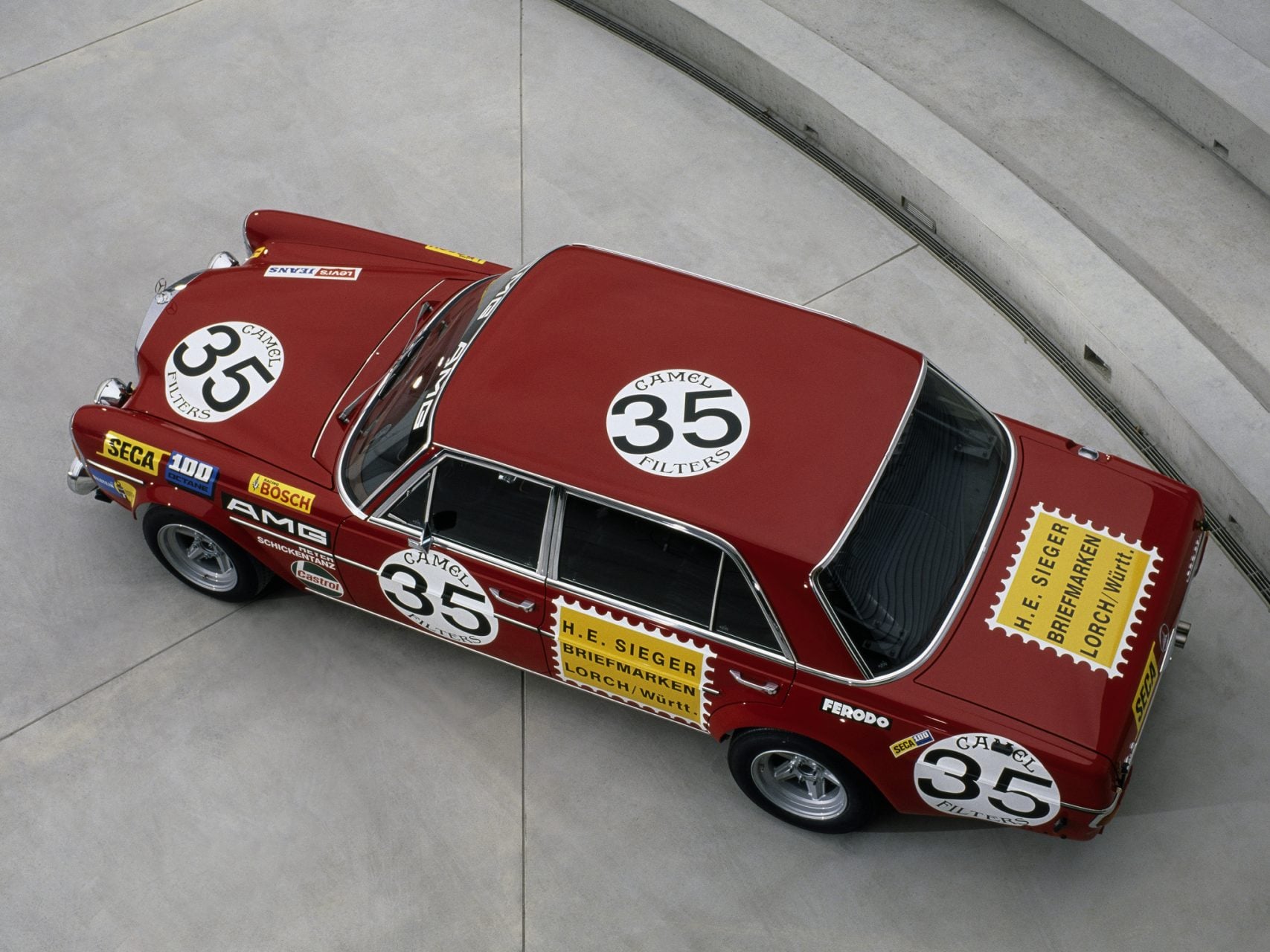
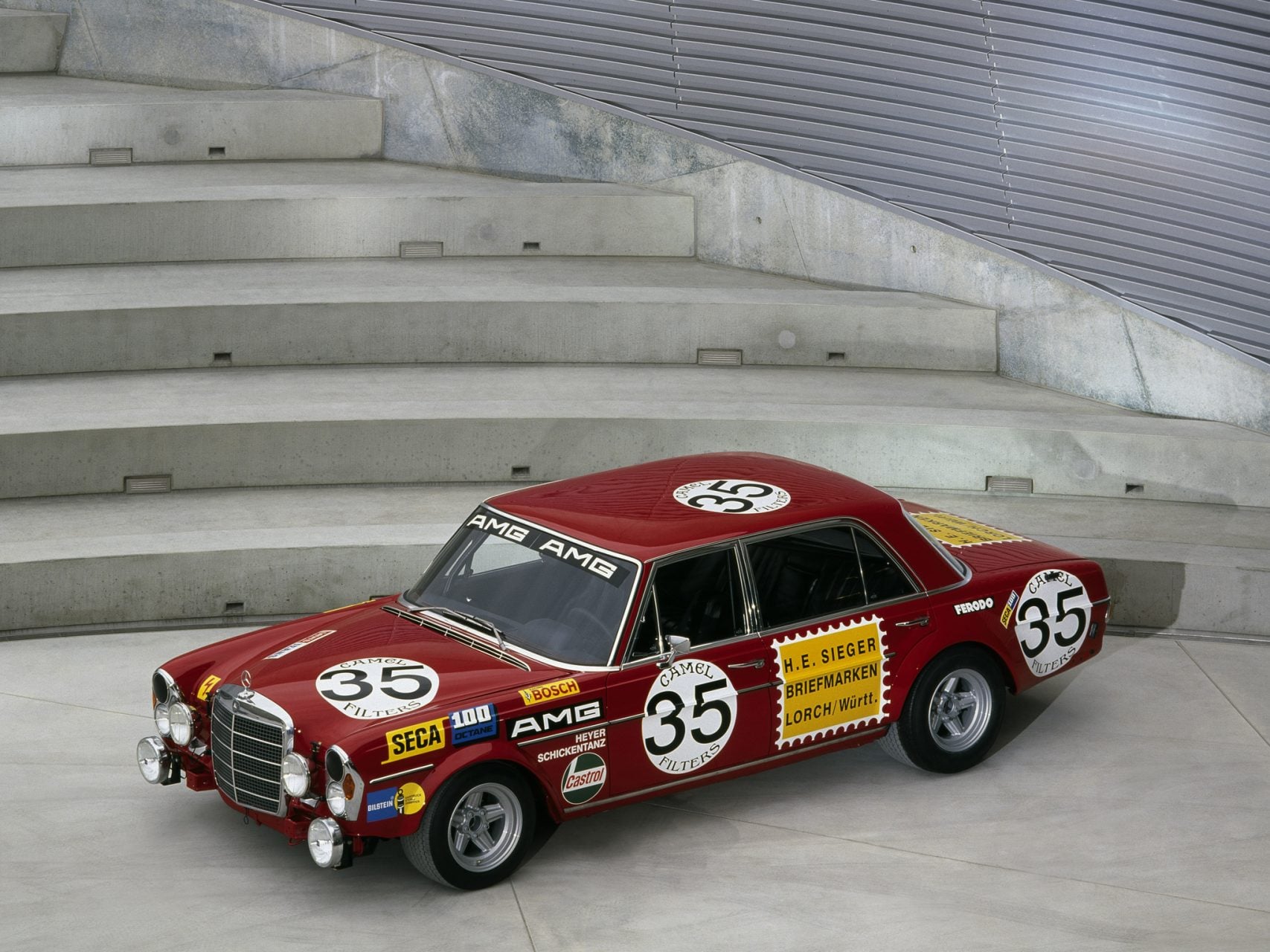
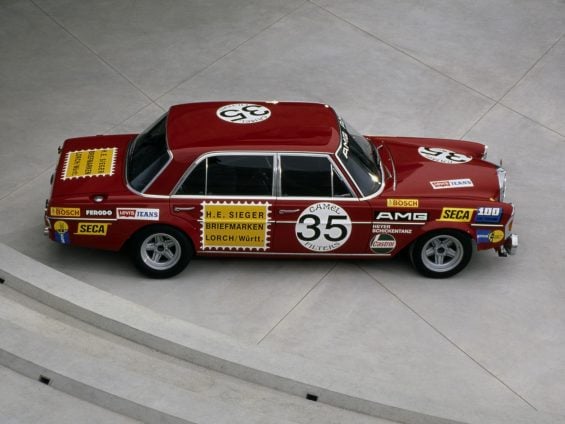
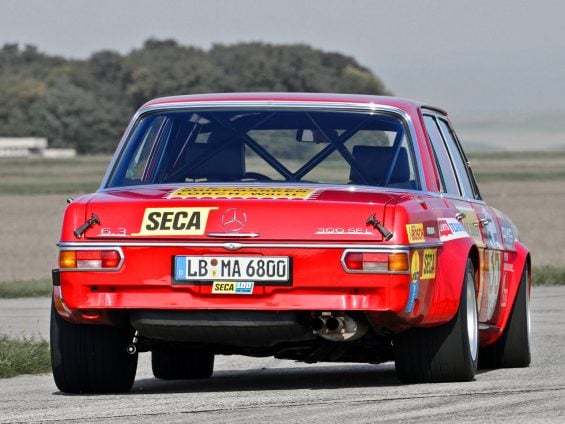
And even the bumpers were removed. After all, it would be useless in a collision at 200 km/h on the wall of Eau Rouge. It was just useless weight. The steel doors gave way to aluminum panels, and the body received functional adaptations.
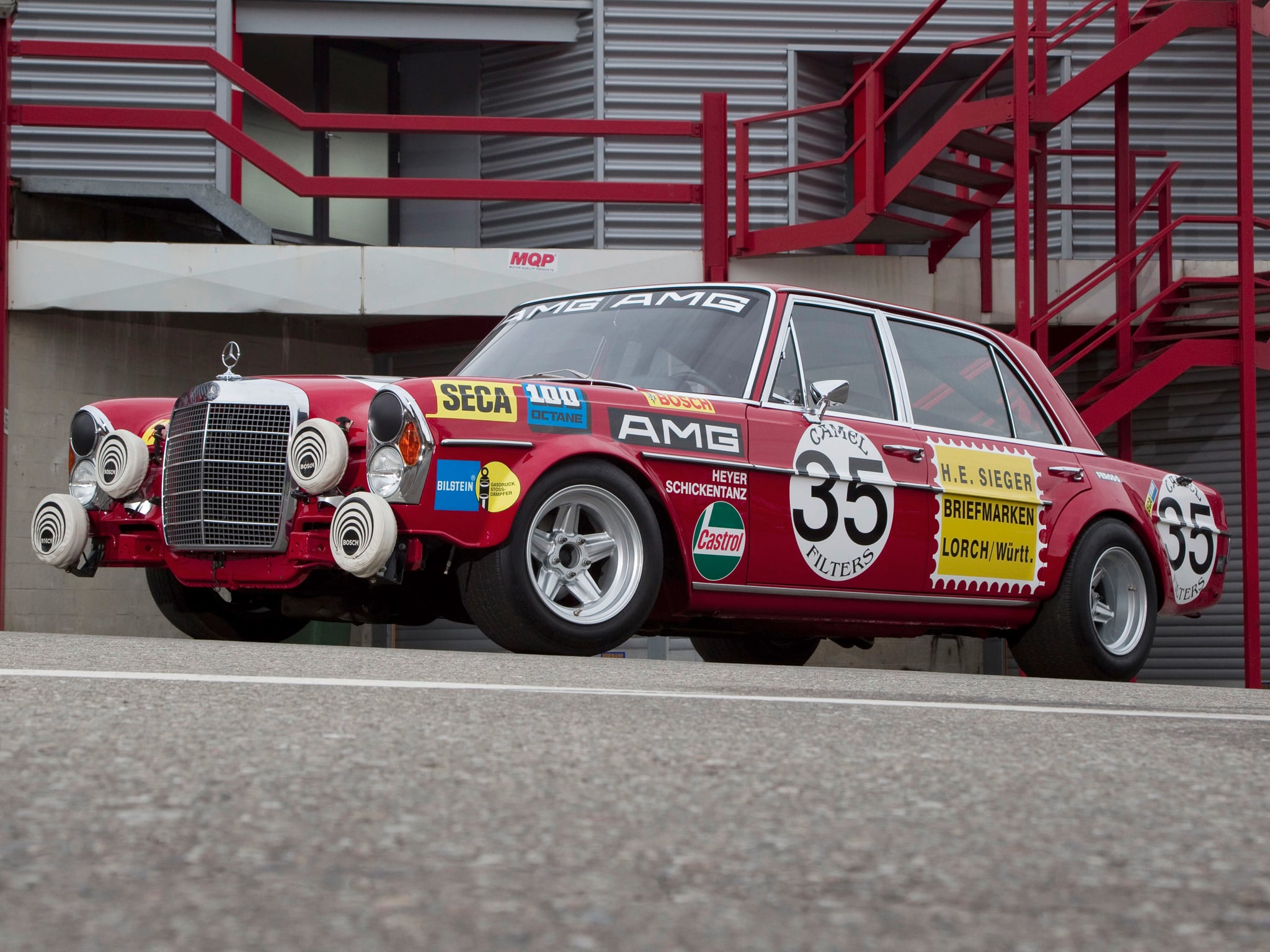
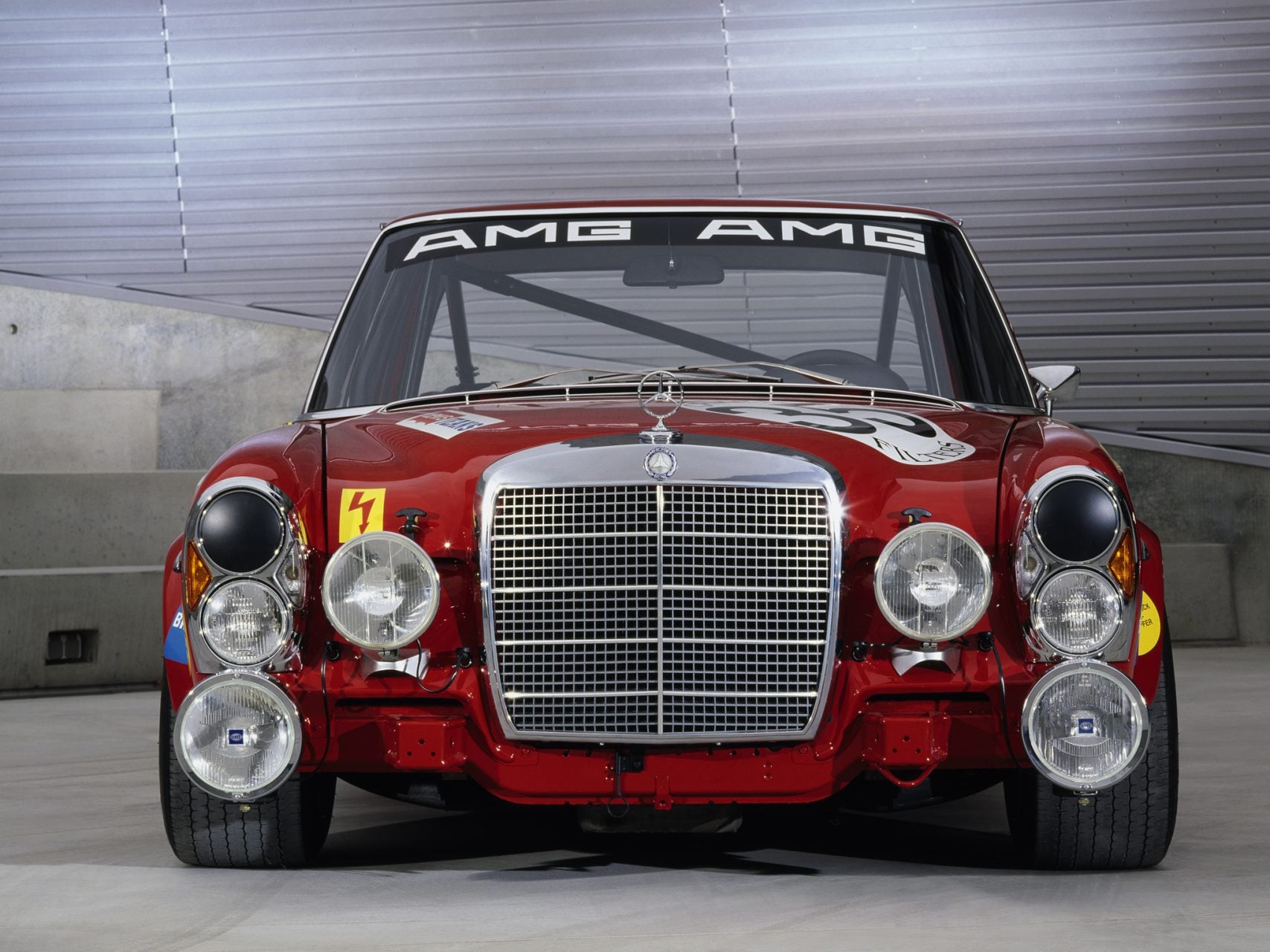
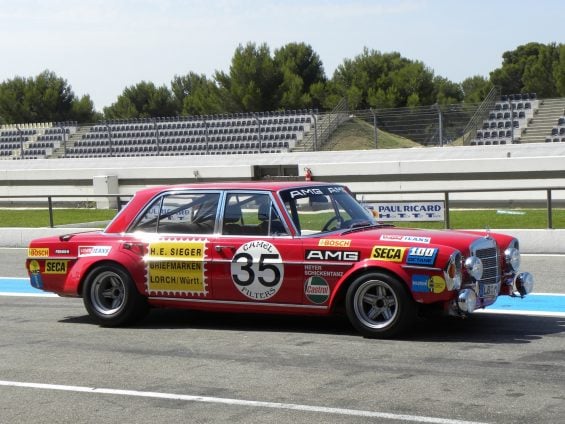
For the night stage, four auxiliary headlights were installed in an almost improvised way at the front, which ended up becoming the signature of the Red Pig, being reproduced in later customizations. The suspension assembly was replaced by a competition system, and wider wheels began to house high-performance tires.

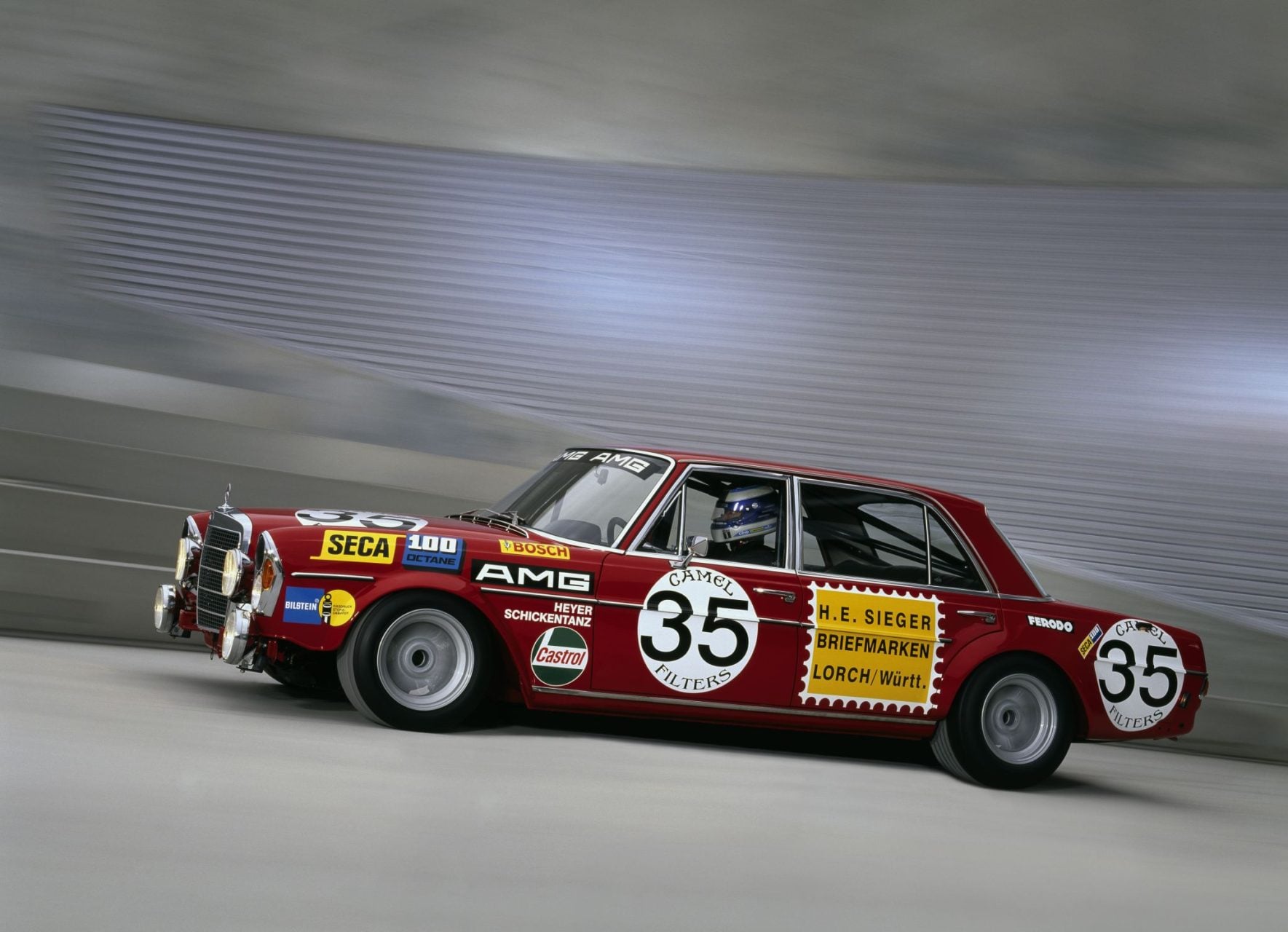
The visual result differed from the standard of touring cars at the time. Wide, long and with a prominent front grille, the sedan contrasted with more compact models. The nickname Red Pig appeared in the paddock, in reference to the size and red paint. Rivals would have treated the project with suspicion, but we can say that it was pure contempt.
On the track, the performance went against expectations. Despite the high weight, the combination of abundant power and mechanical robustness allowed the car to remain among the leaders. Of course, Schickentanz and Heyer knew that the chances of a good position were almost fanciful, but they didn’t give up on the endeavor.
At the end of the 24 hours, the 300 SEL 6.8 AMG crossed the finish line in second place in the overall standings and won its category. The absolute victory went to a Ford Capri RS 2600, driven by German driver Dieter Glemser and Spaniard Alex Soler-Roig. But the symbolic impact of the Red Pig’s result overshadowed the brilliance of the main trophy.
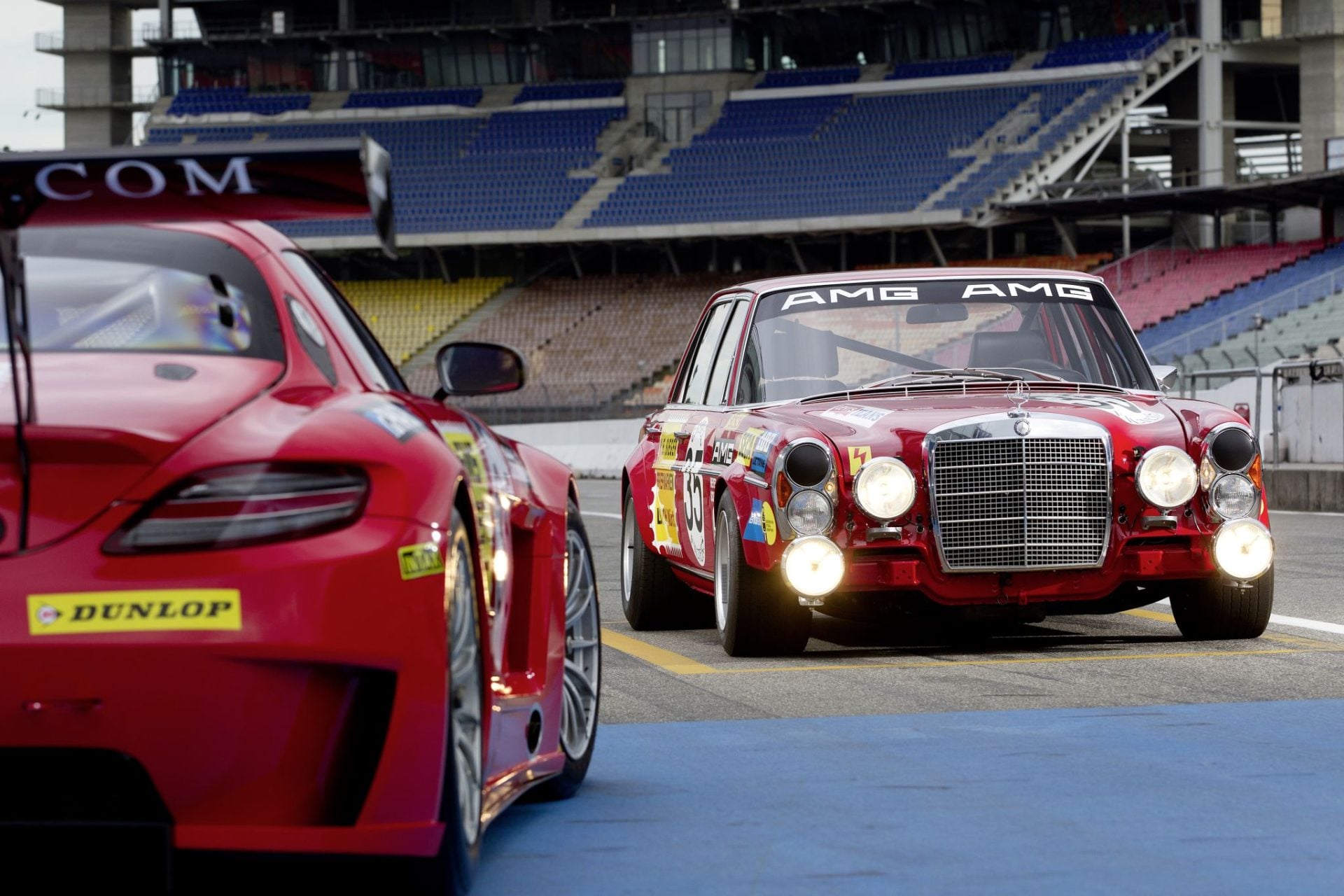
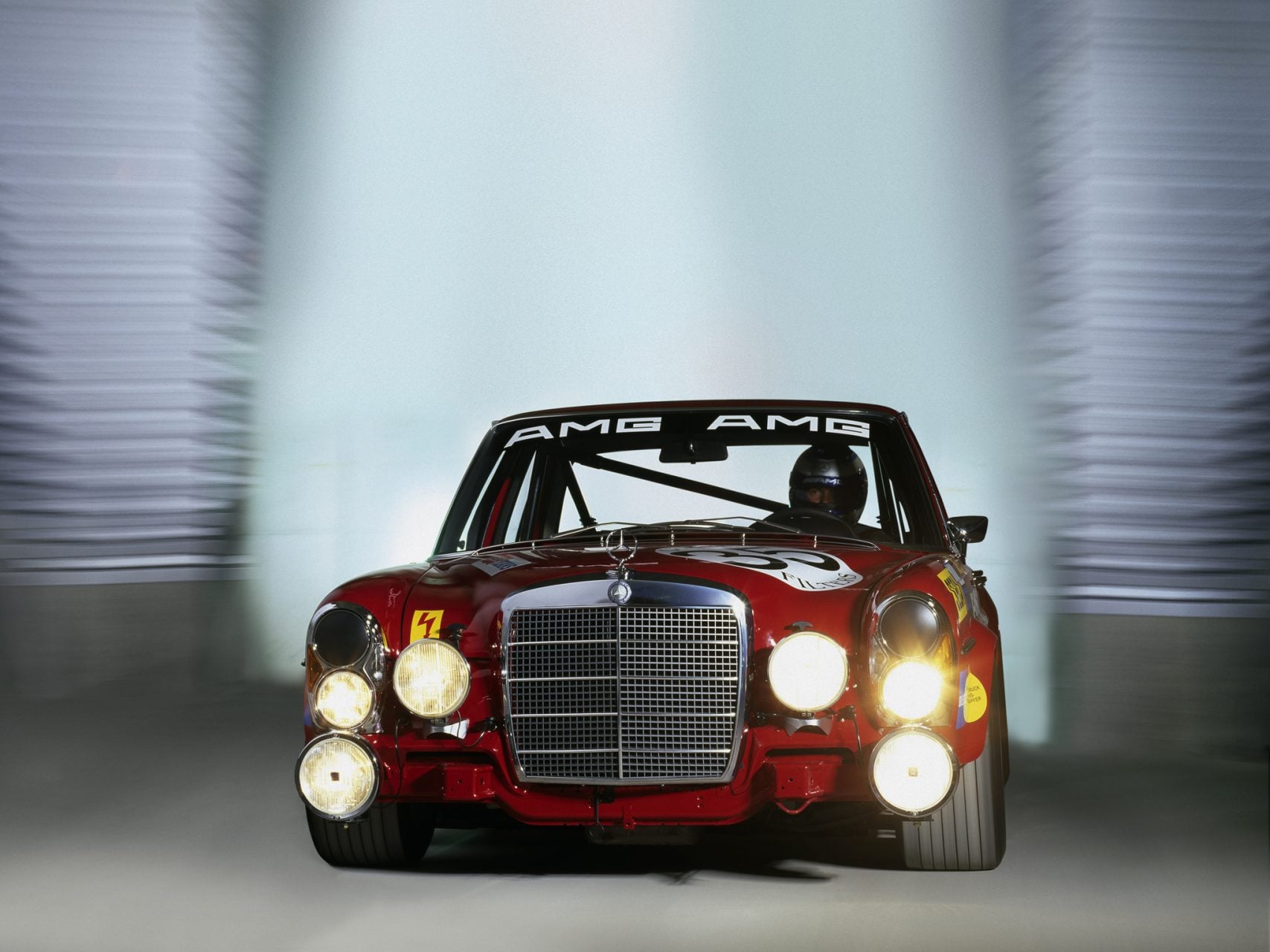
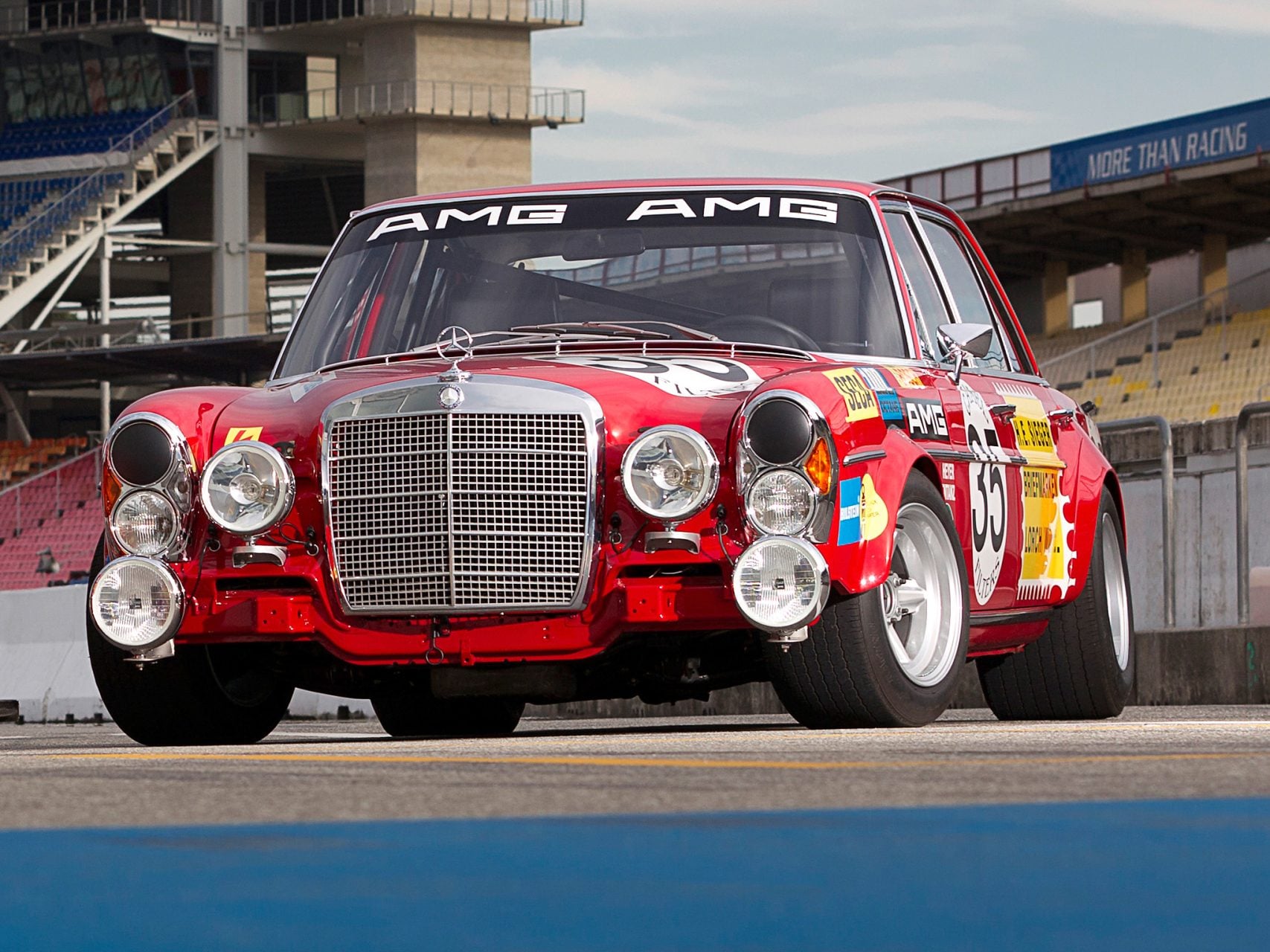
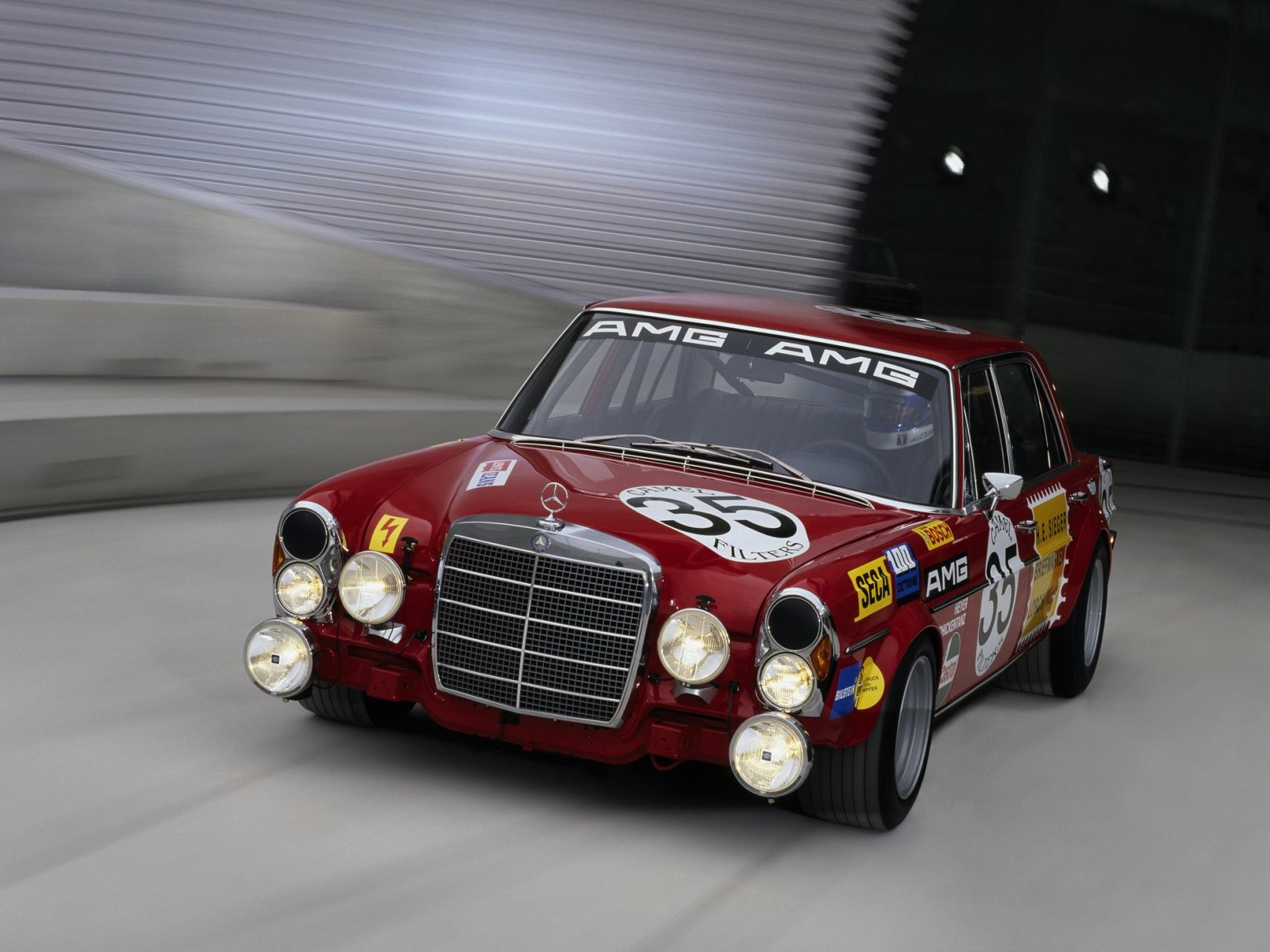
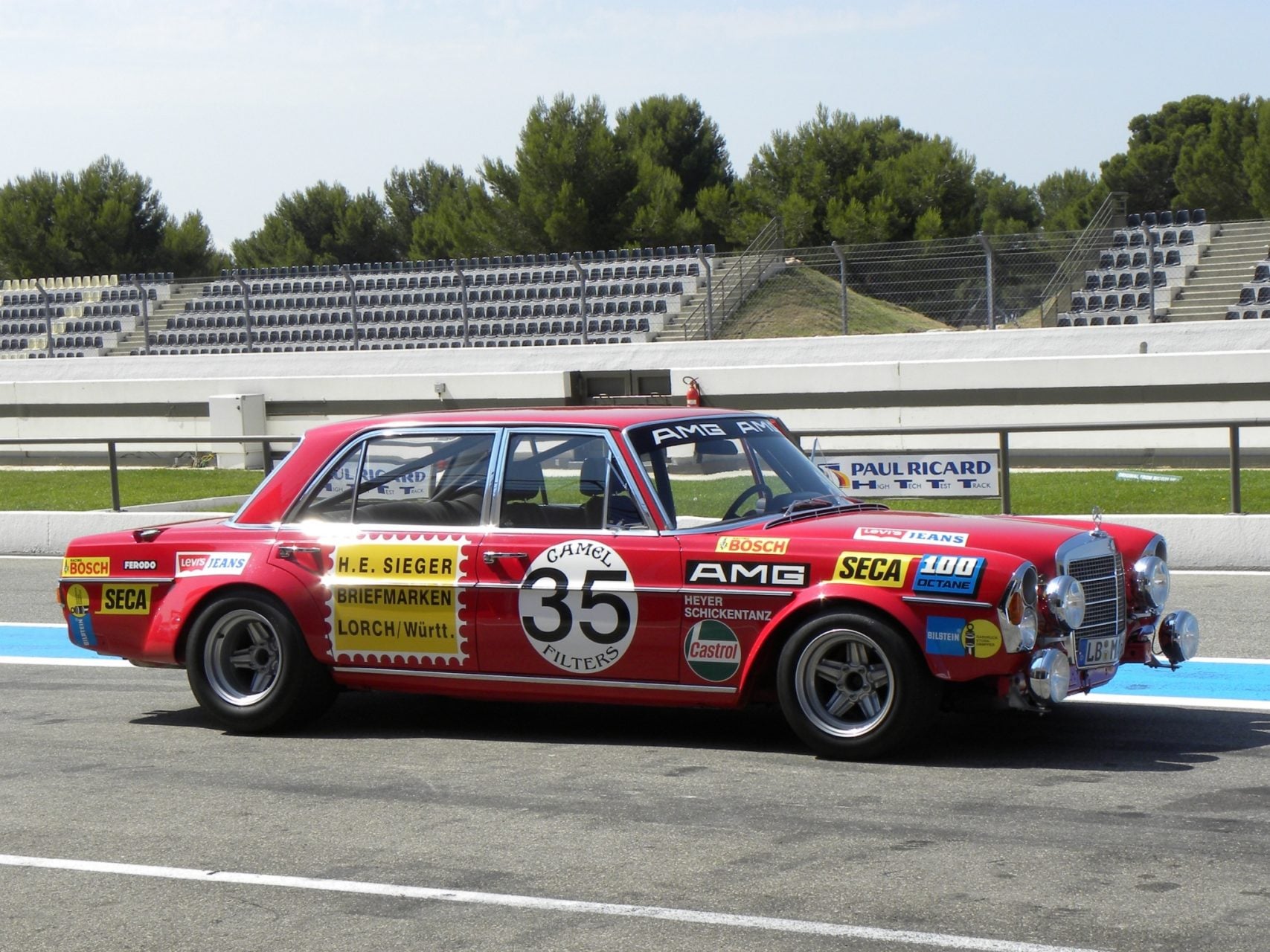
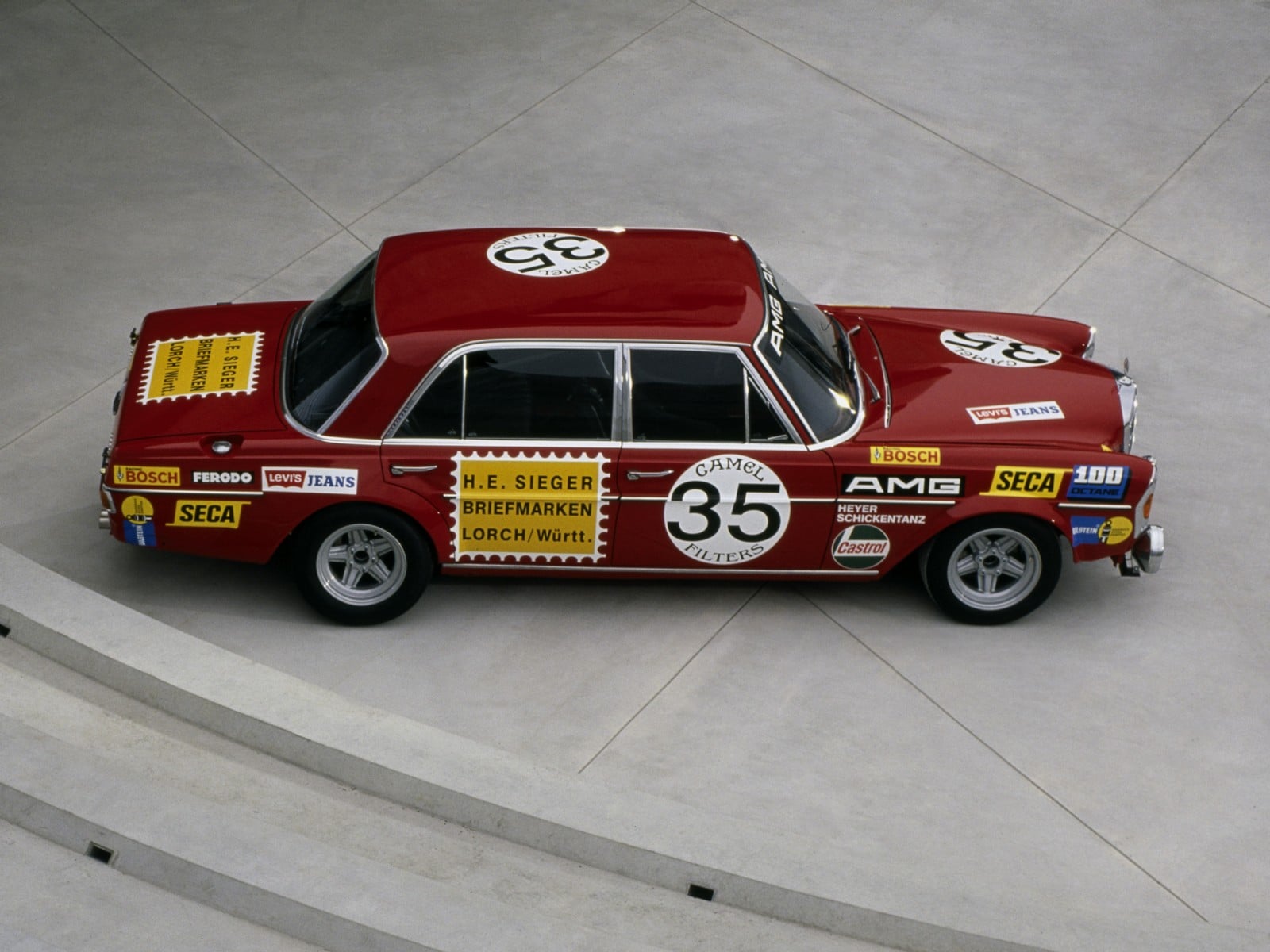
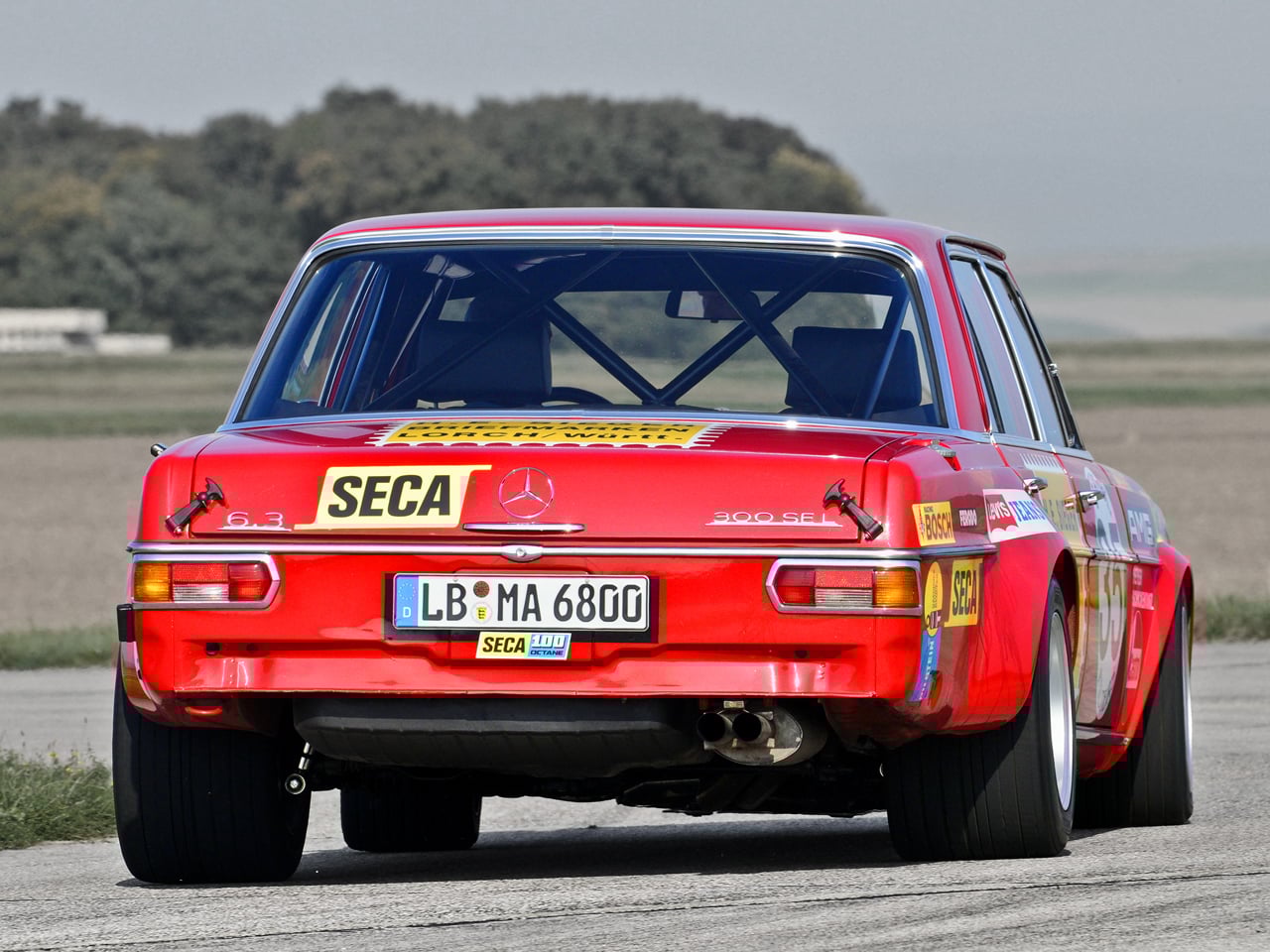
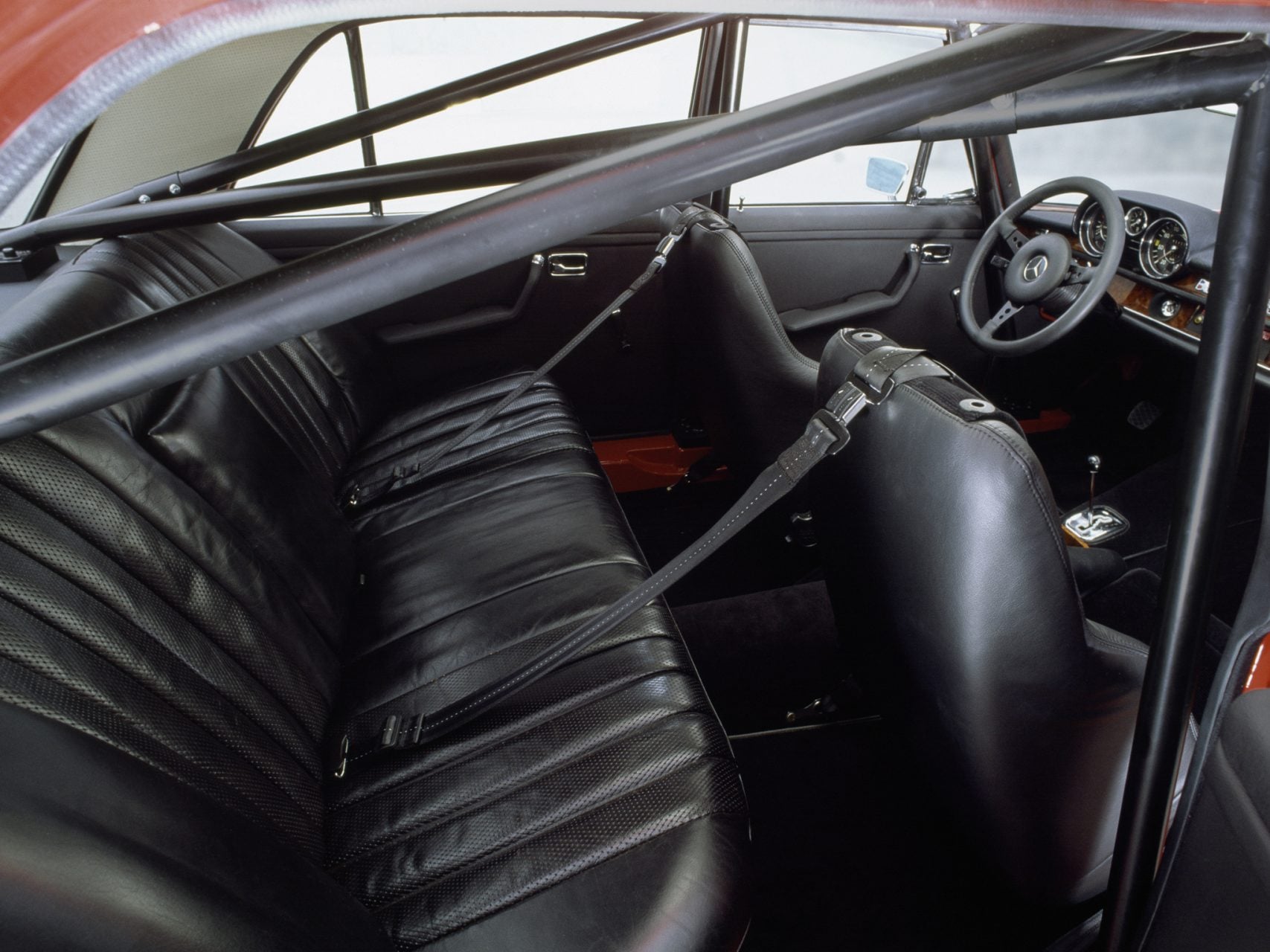
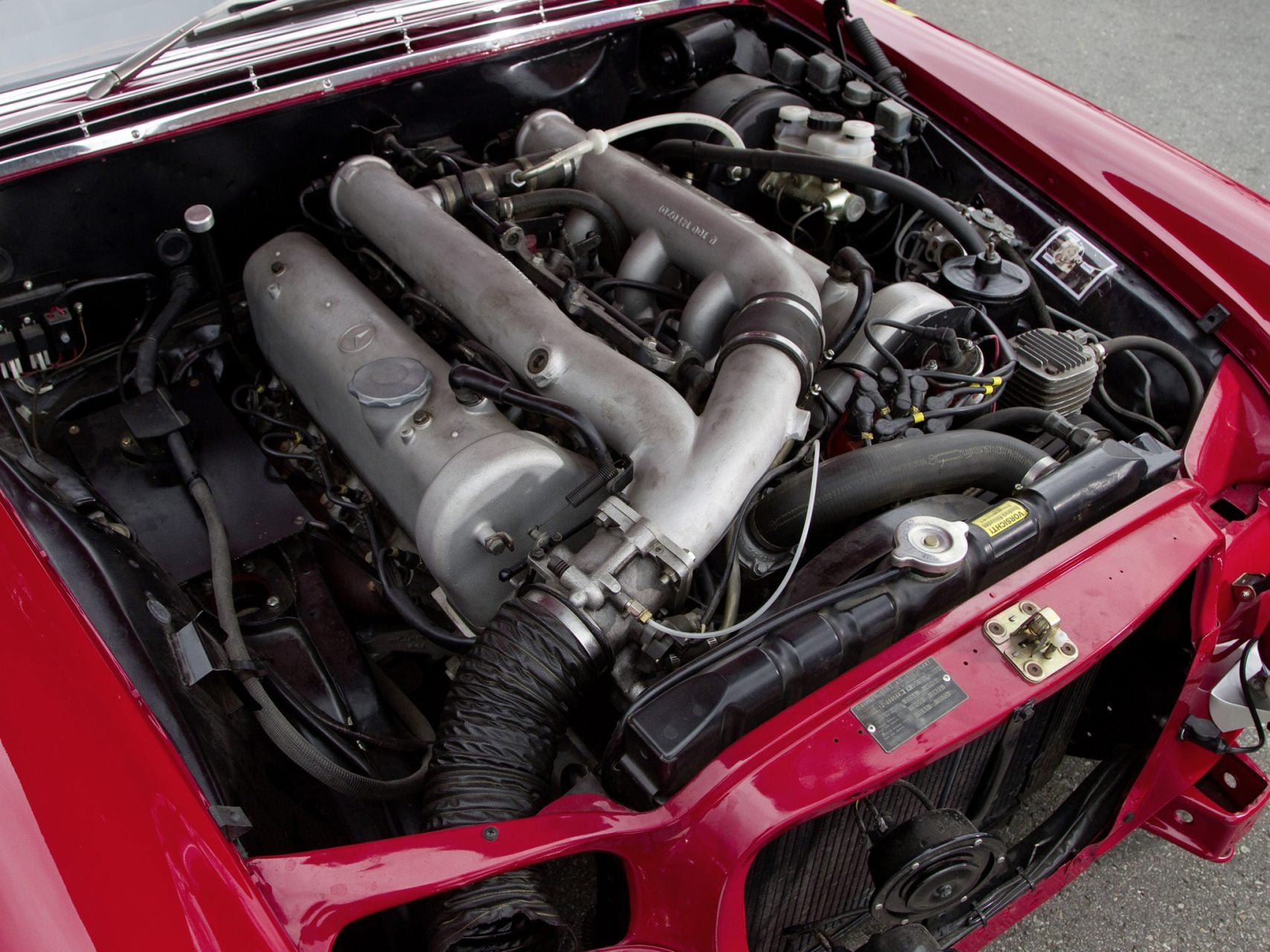
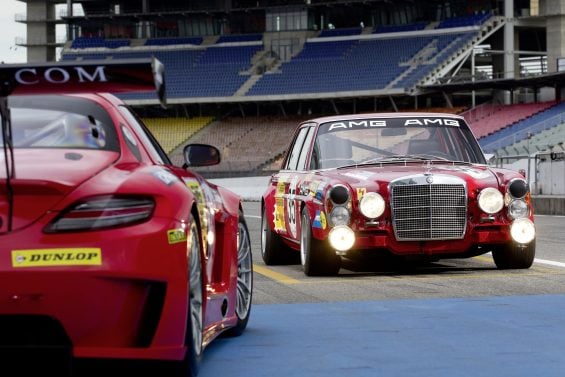
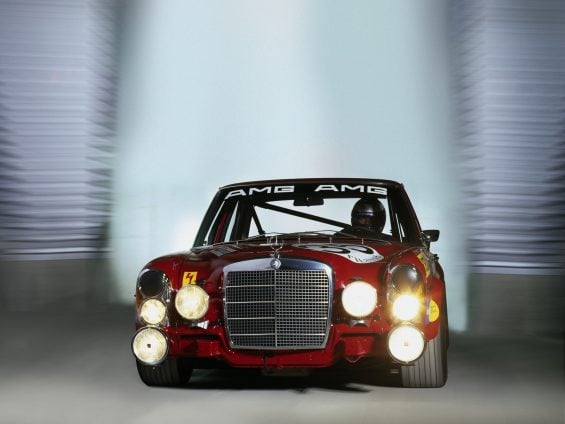
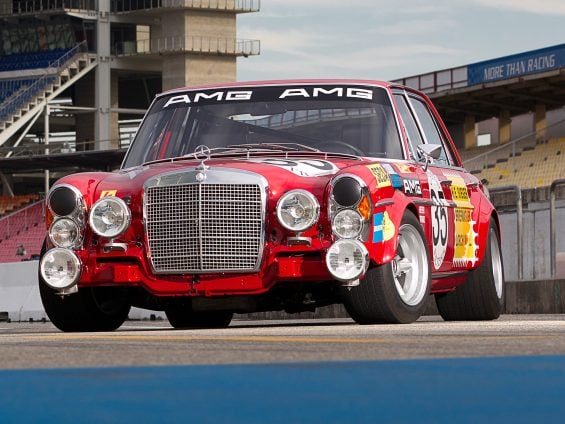
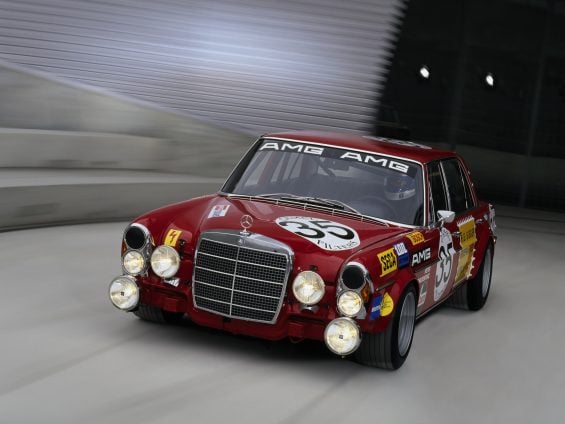
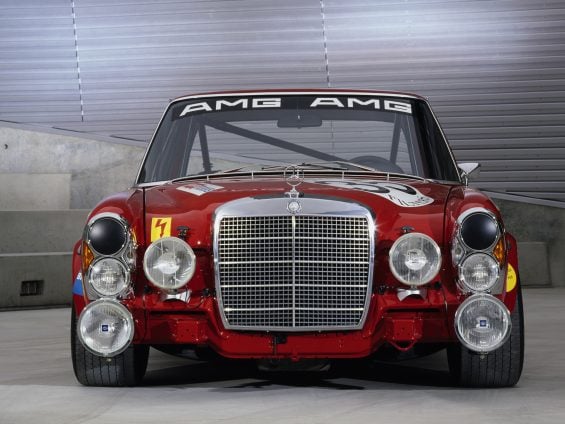
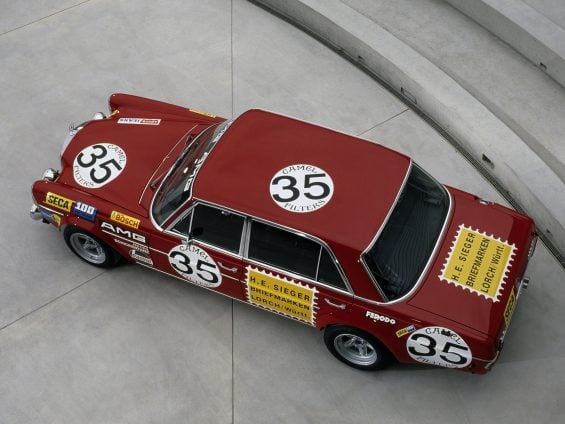
The performance at Spa consolidated the reputation of the German trainer and marked a turning point in her career. From that episode on, the AMG name came to be associated not only with street modifications, but with proven technical competence in competition, laying the foundations for the future official integration into Mercedes-Benz and its global performance in the high-performance segment.
The Red Pig, on the other hand, has become the materialization of that motorsport that there is no perfect car, but a car that reaches the flag. Given that the car has become a pop culture icon with replicas that are sold at absurd values, as well as miniatures, video games and other trinkets. Even Mercedes often pays homage to the flying limousine. Save the red pig!



