We tested the Ram Dakota on a route of more than 1,000 km with the most varied driving conditions to find out if the pickup can live up to its name
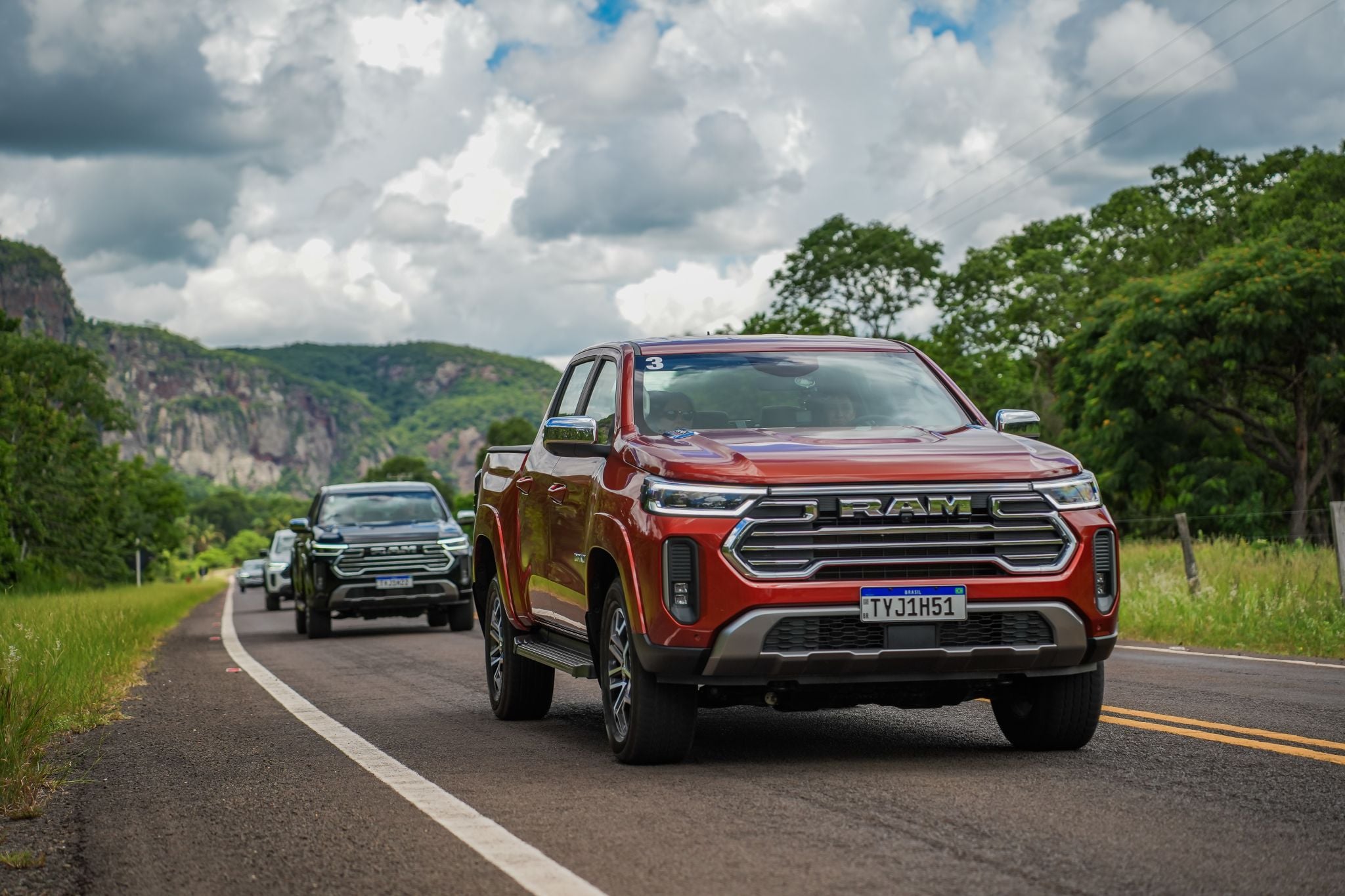
Stellantis has finally completed its ambition to enter midsize pickup retail. After a timid debut of the Titano, the group expanded the offer with the Ram Dakota 2026.
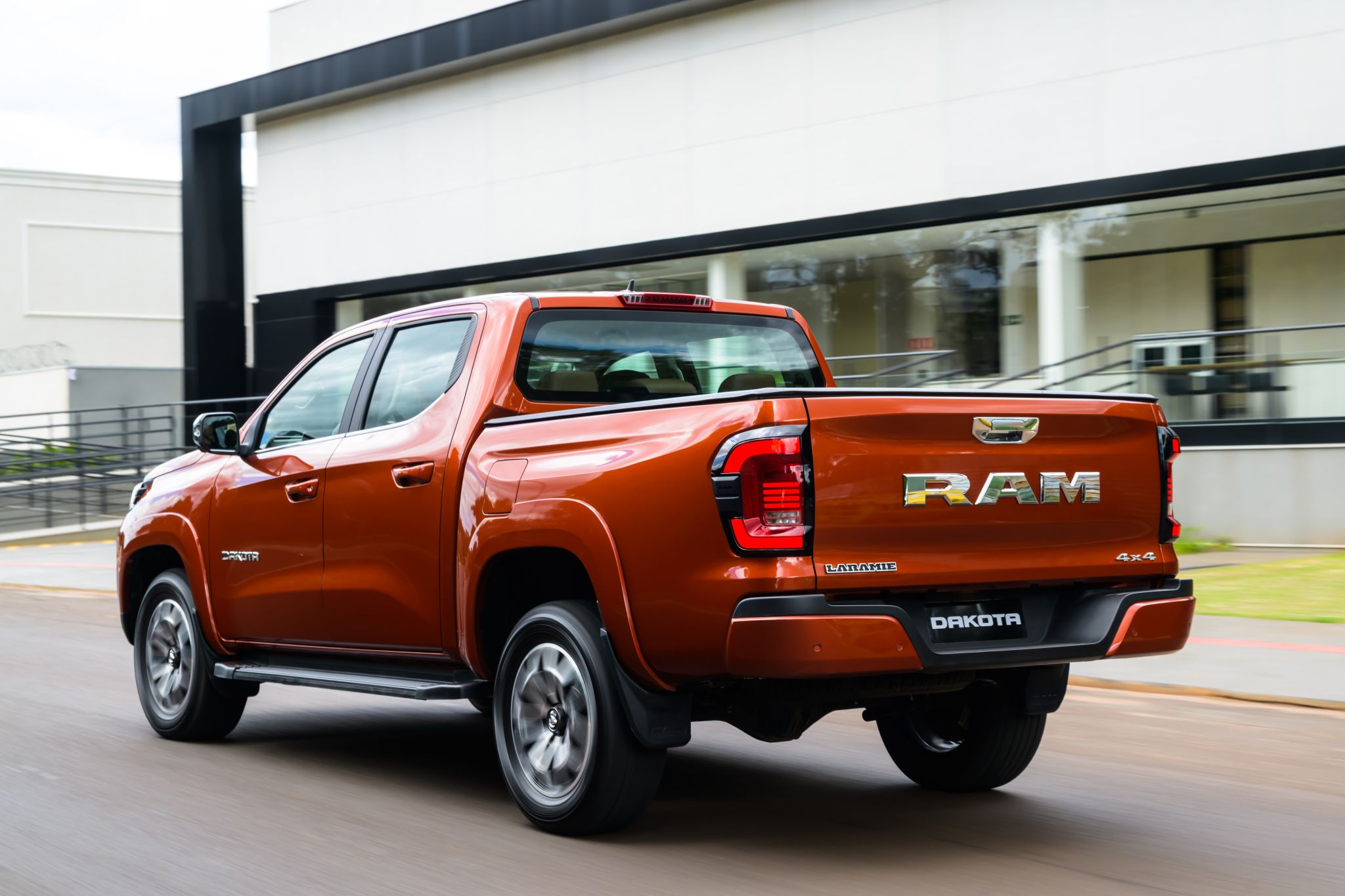
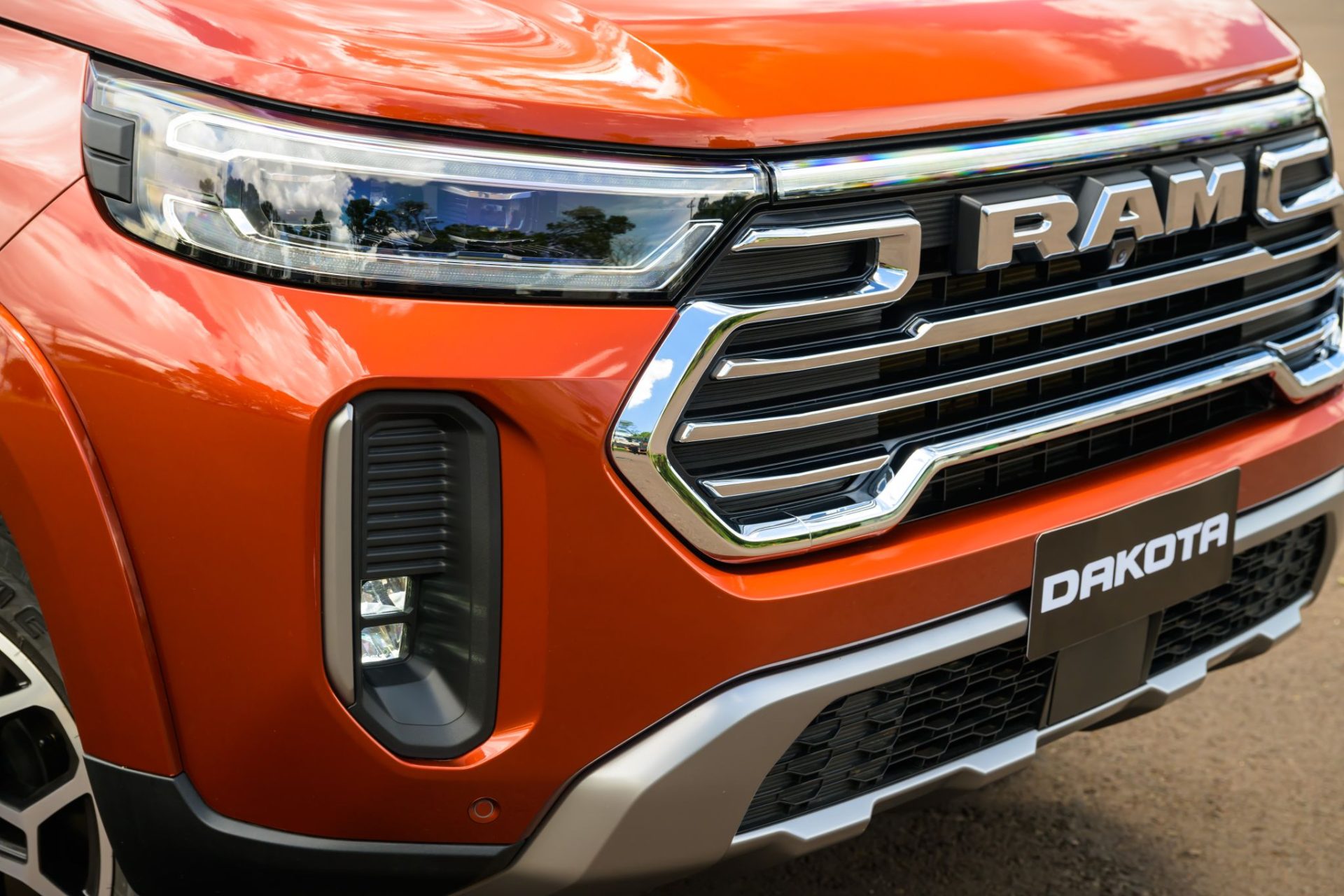
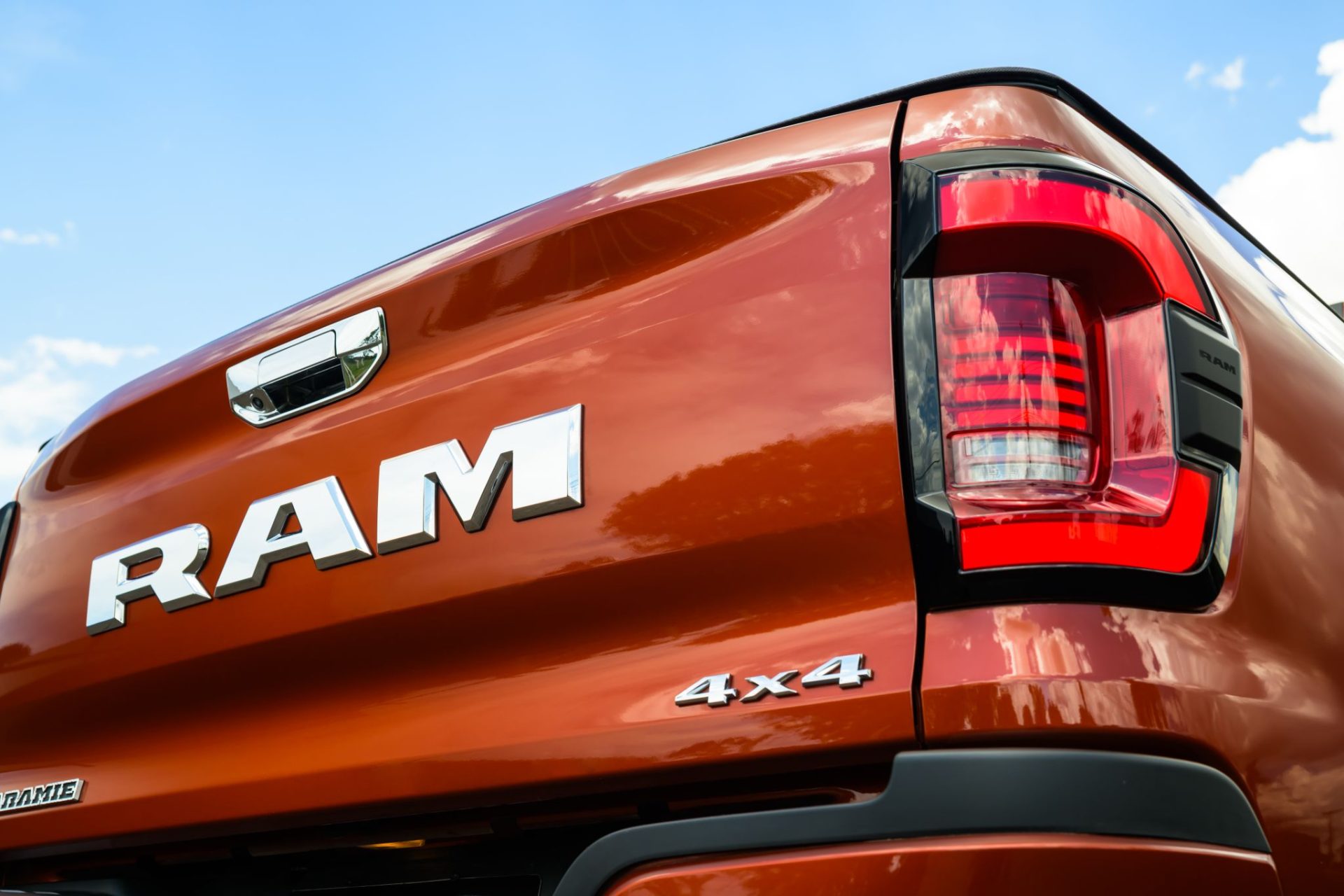
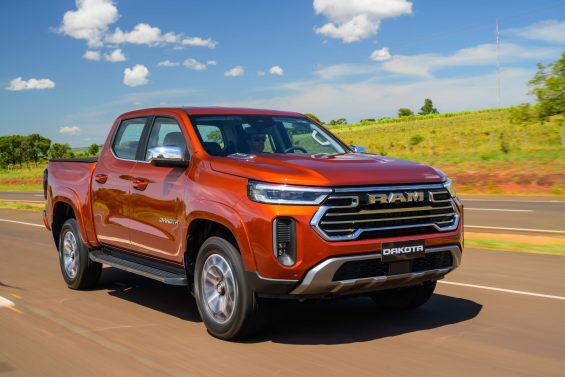
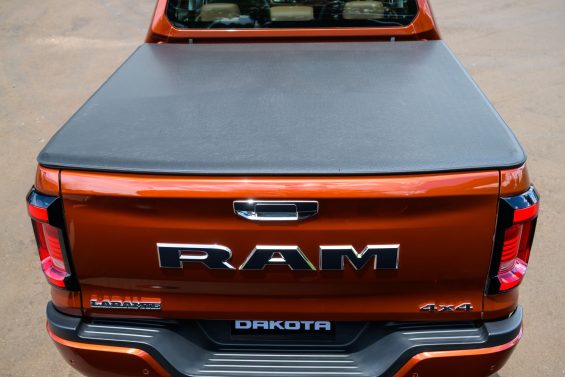
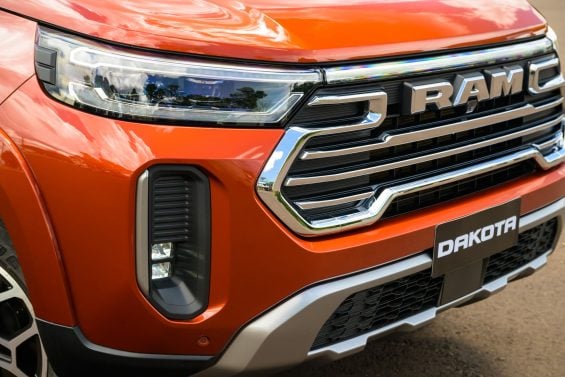
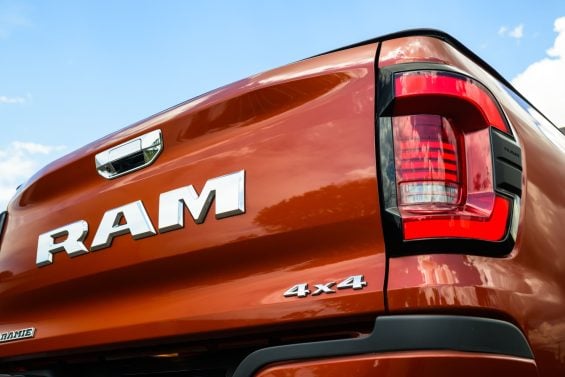
The model is practically a Siamese twin of the Italian pickup, but with improvements in finish and style. It received its own look, with headlights, taillights, grille and bumpers aligned with the brand’s visual identity. Very different from the Titano, which is a facsimile of the Peugeot Landtrek, only with changed emblems.
SEE ALSO:
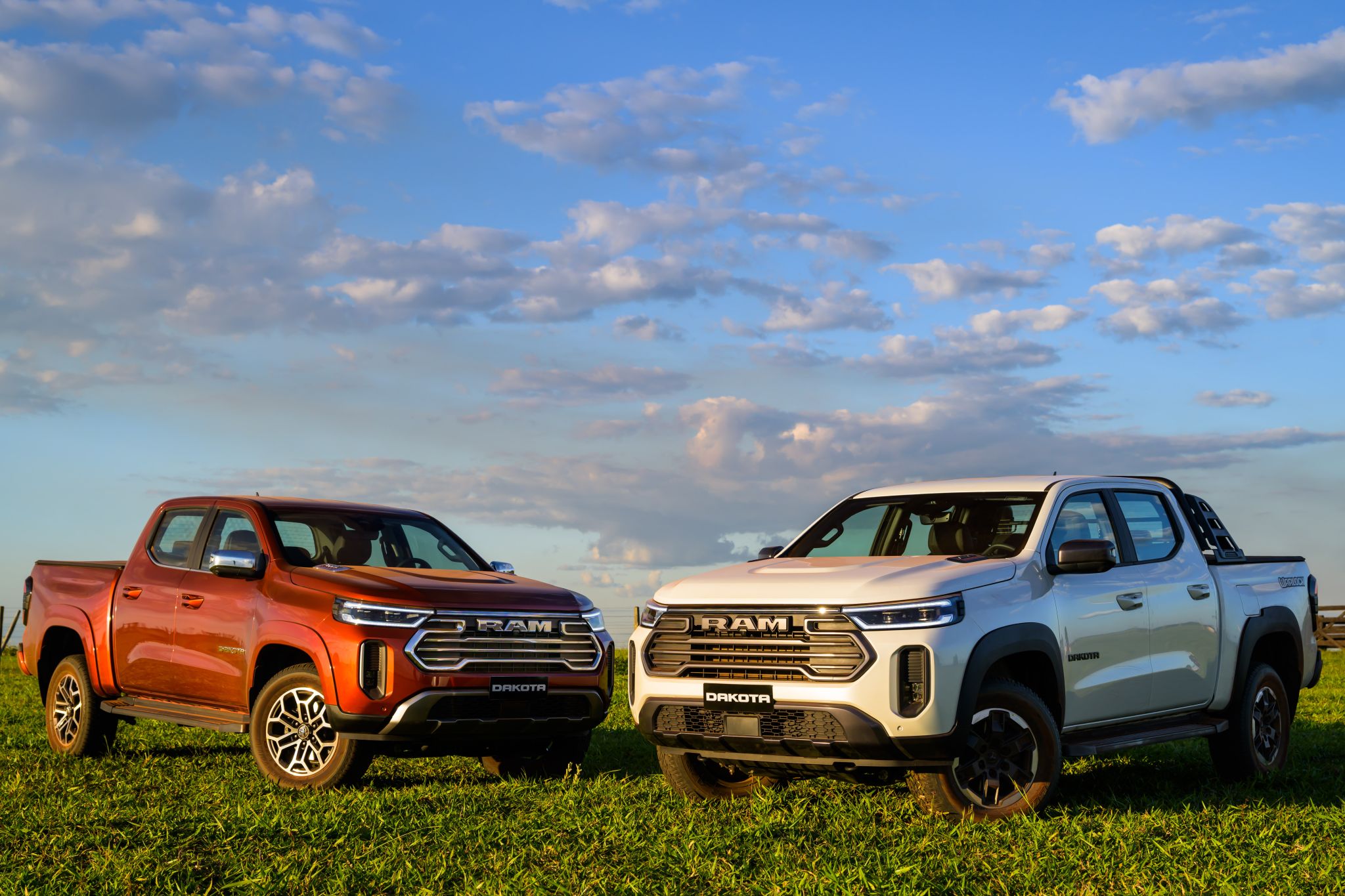
The Dakota arrives to position itself at the top of the segment, leaving the base to the Titano. It is sold in two versions: Warlock and Laramie, with prices of R$ 289.990 and R$ 309.990, in order. However, the values are for the pre-sale campaign. In other words, the trend is that it will be readjusted soon.
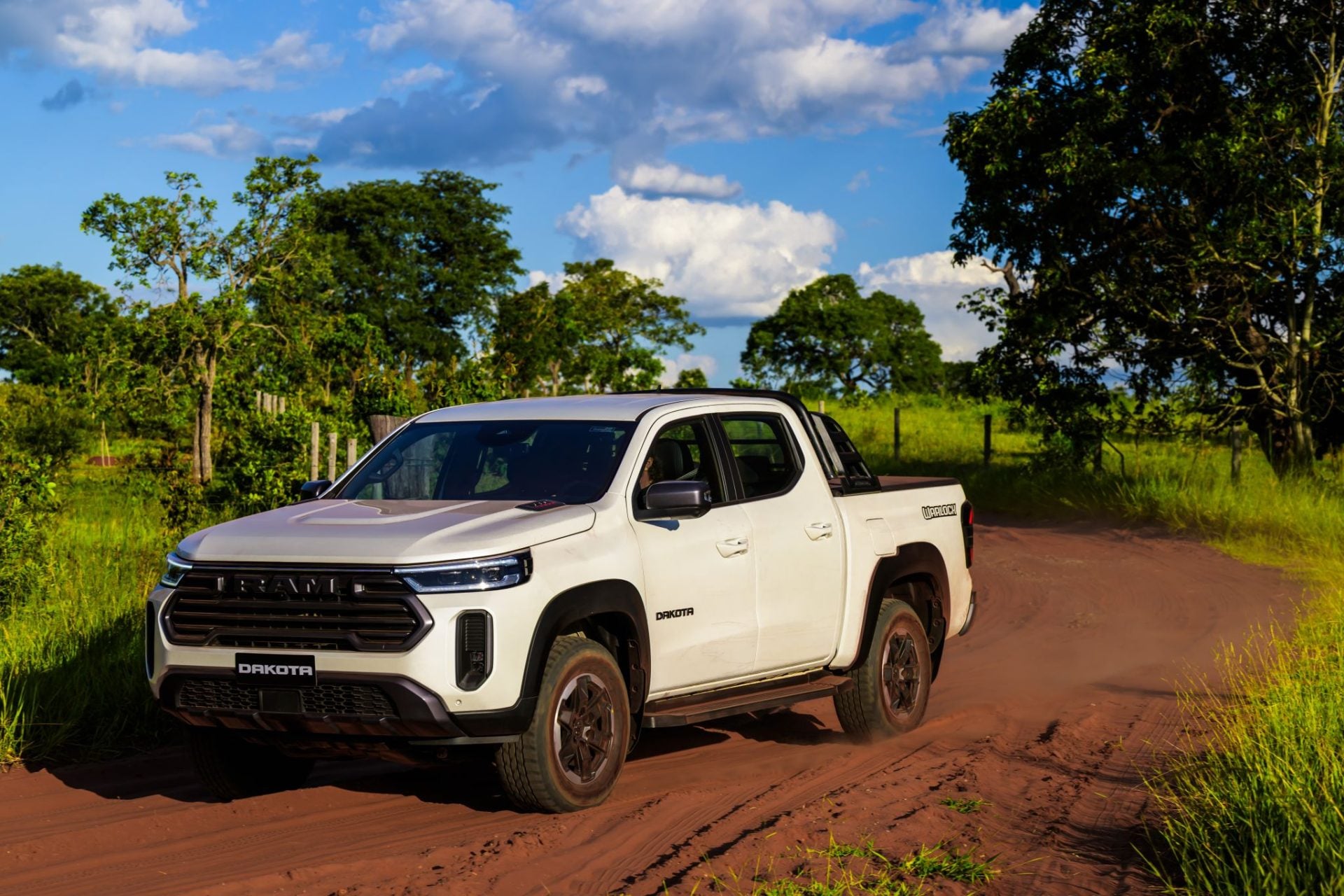
The two versions differ by style and a few contents such as 17 (Warlock) and 18 (Laramie) wheels. The top-of-the-line version has an LED bar that integrates with the signature headlights. And finally, the most refined pickup has a reverse cross traffic monitor, in the ADAS package.
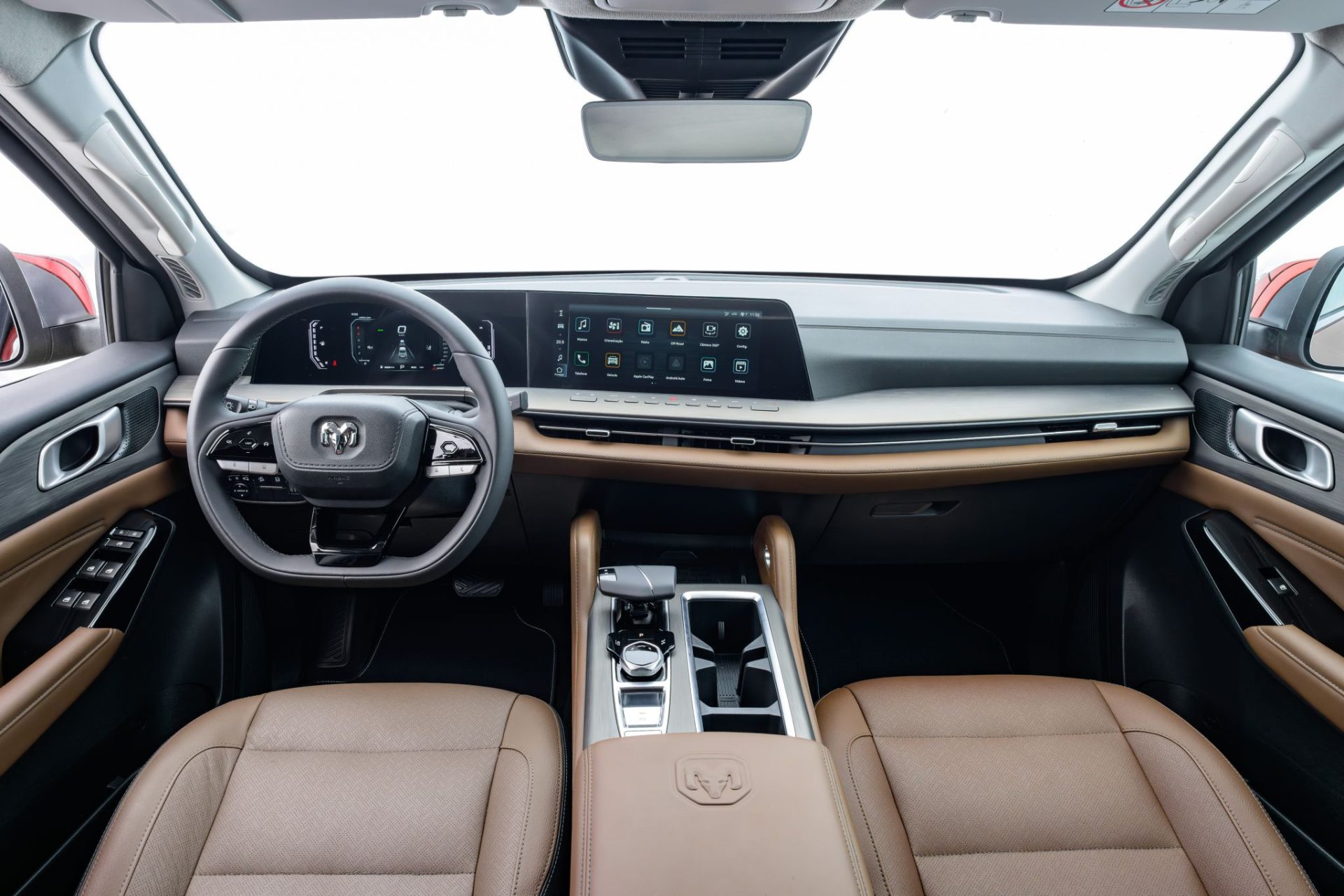
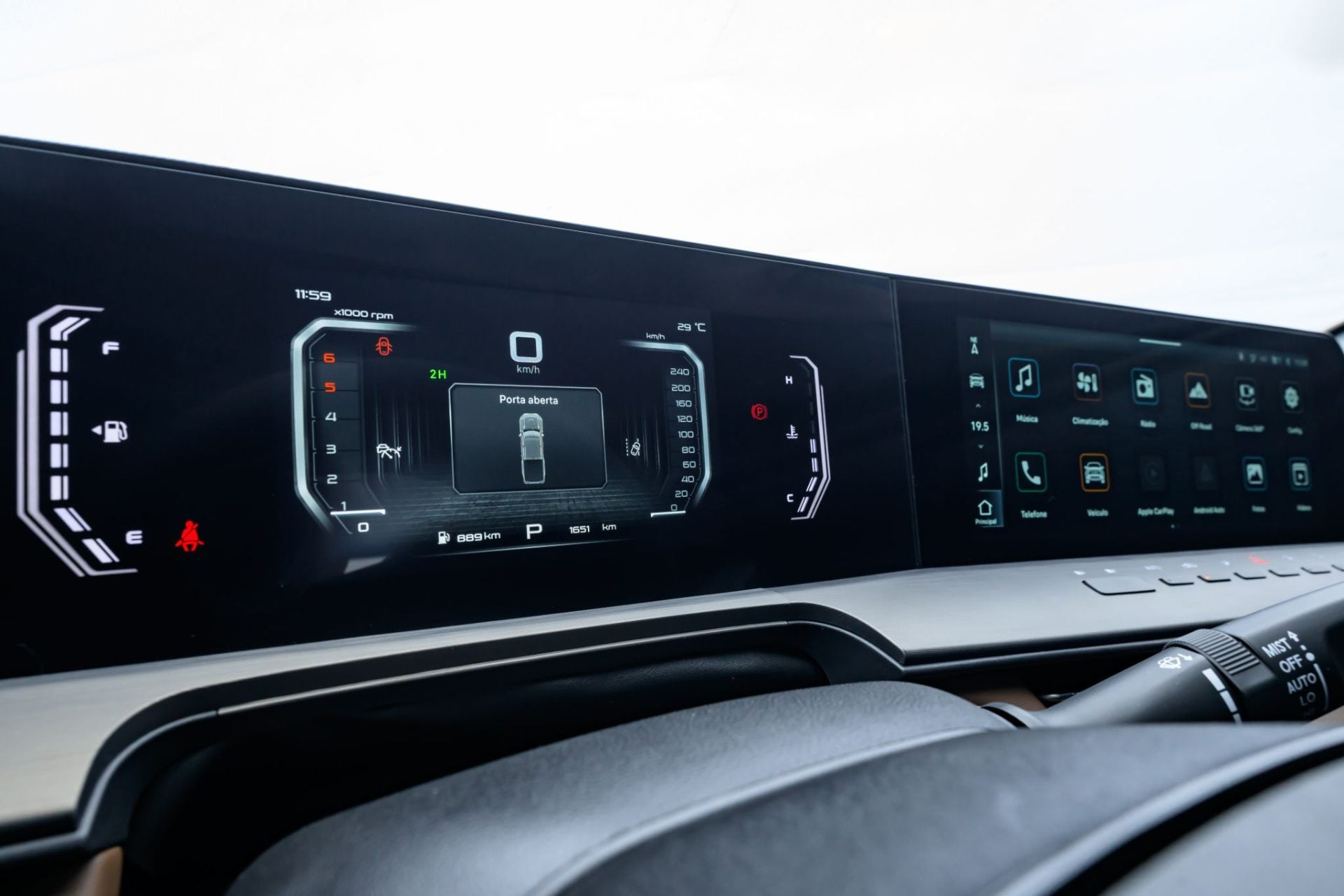
The content package is standard for both versions, with a digital instrument panel integrated with the 12-inch multimedia. The center aggregates all the pickup’s instruments, in addition to offering connection for smartphones and a 540-degree camera (it records images that emulate a camera under the floor).
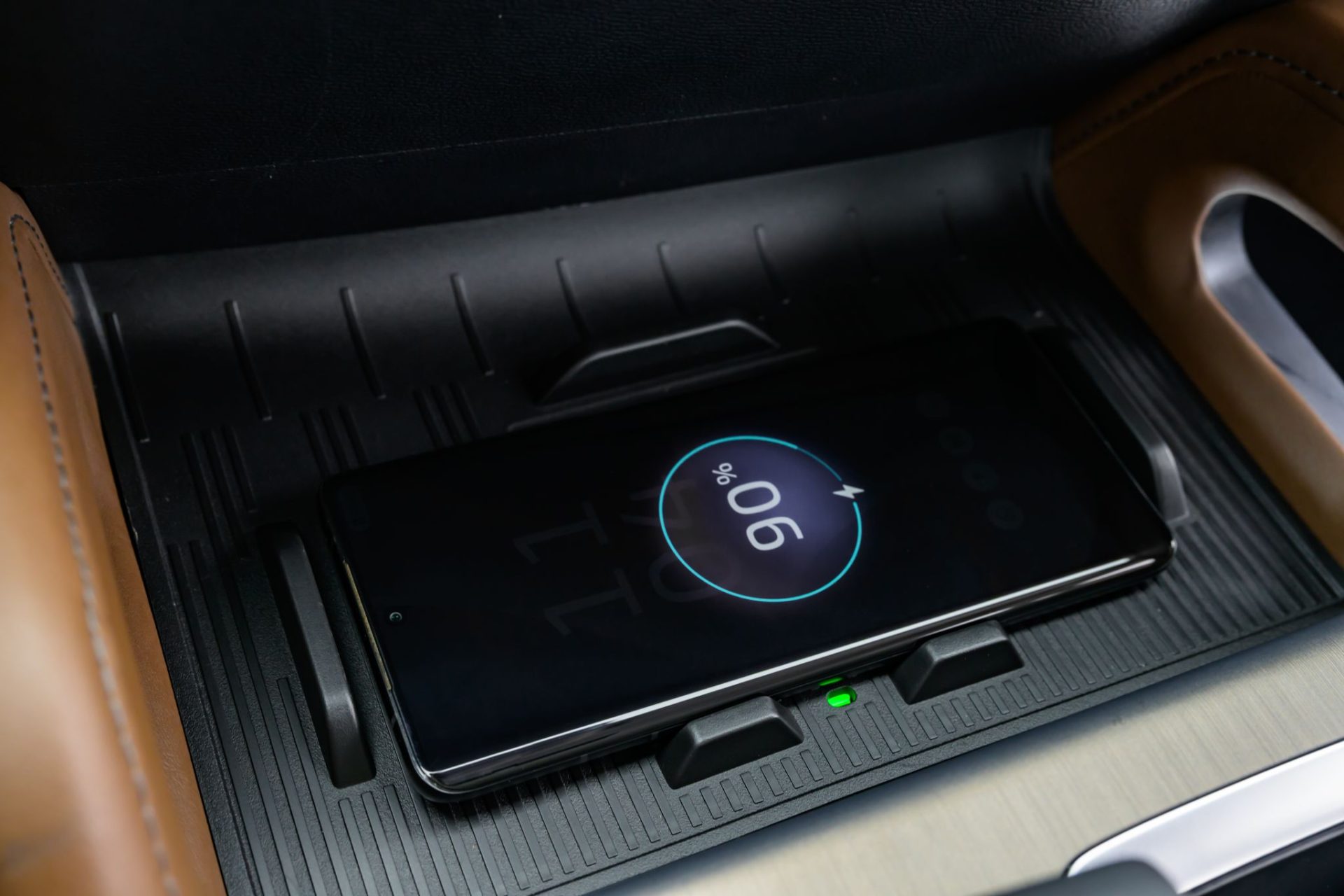
The pickup also offers induction charging (with cooling), electronic transmission selectors, driving and traction mode, electric parking brake, leather seats with electric adjustment for driver and passenger. Safety is ensured by the six airbags and the ADAS package that includes:
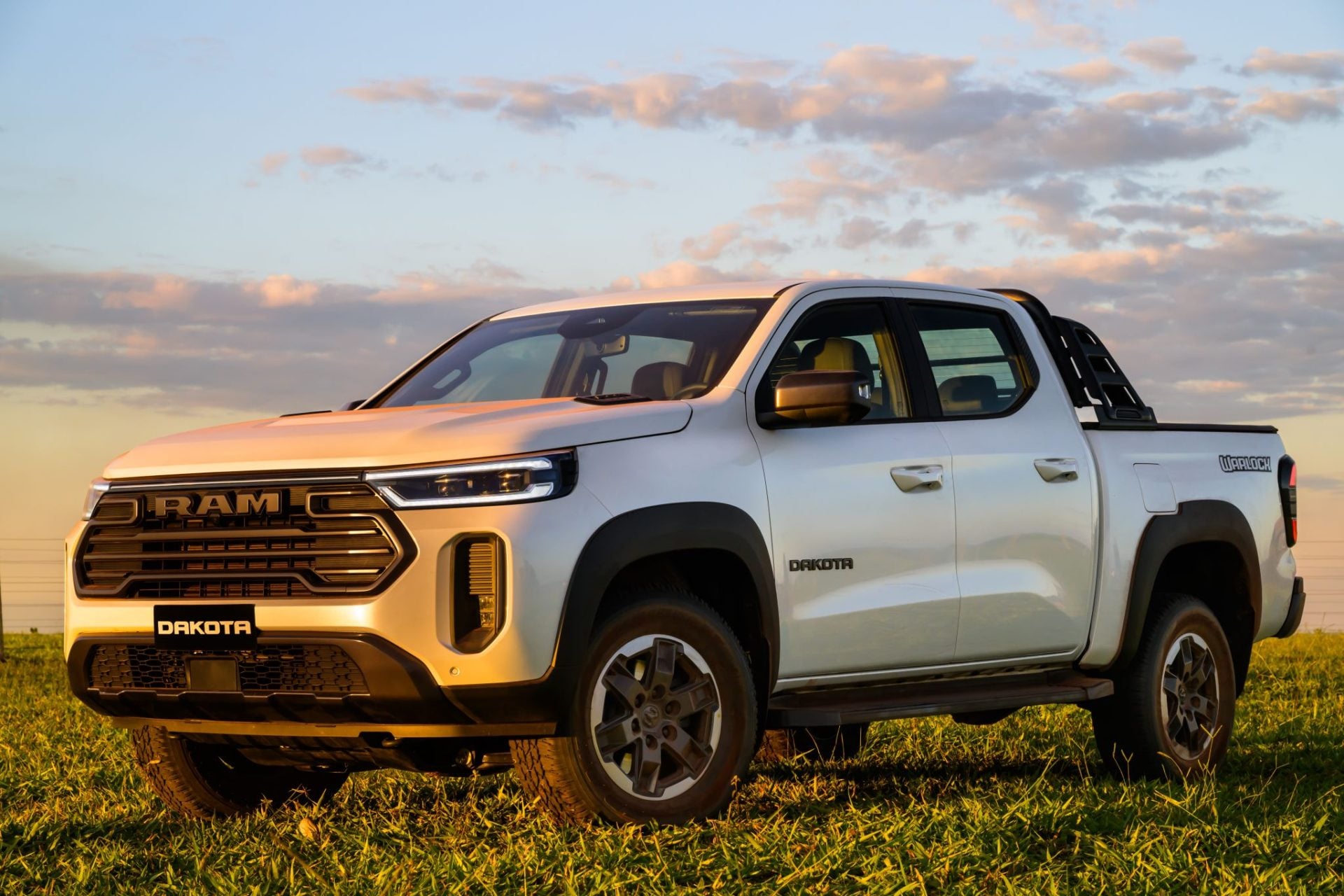
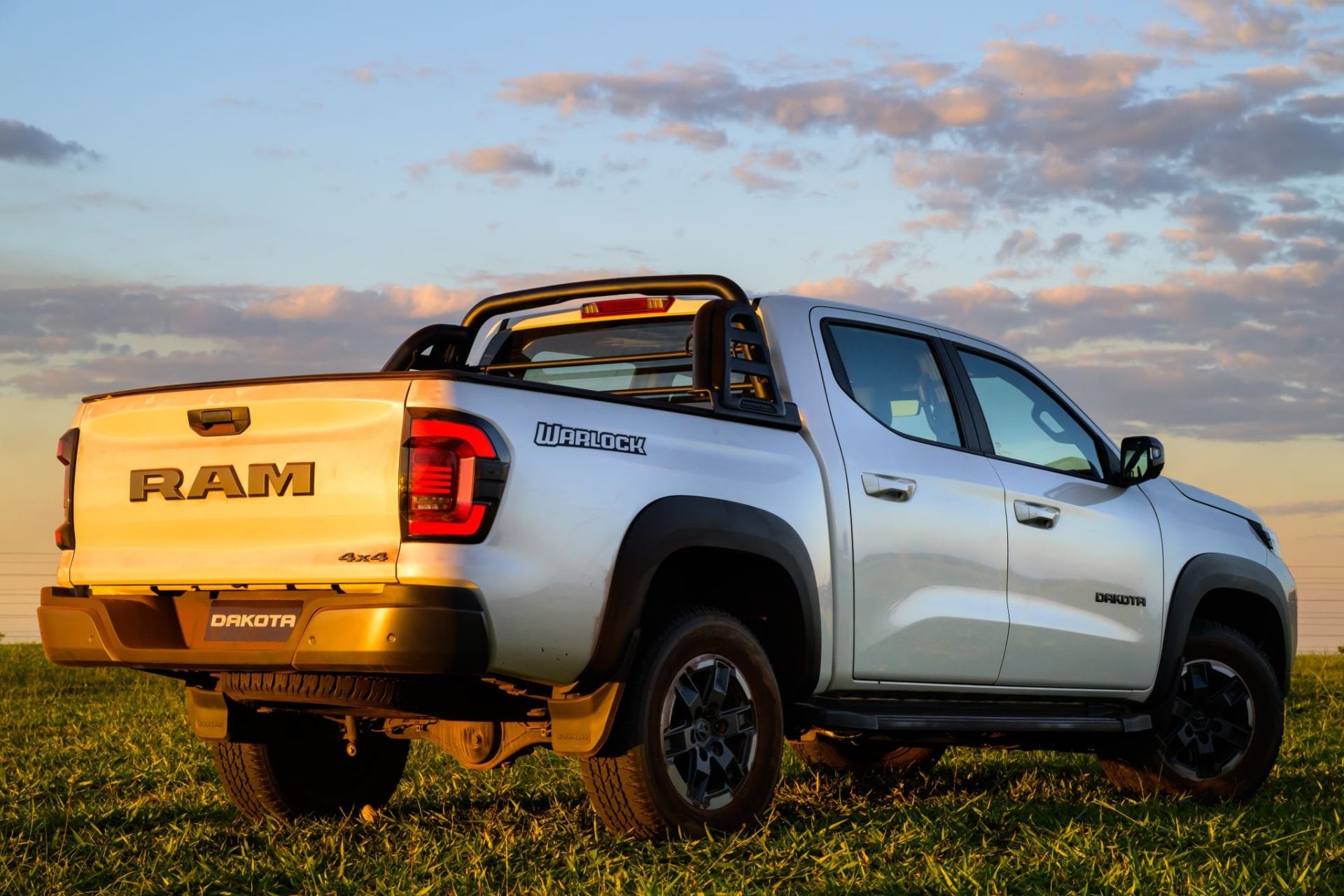
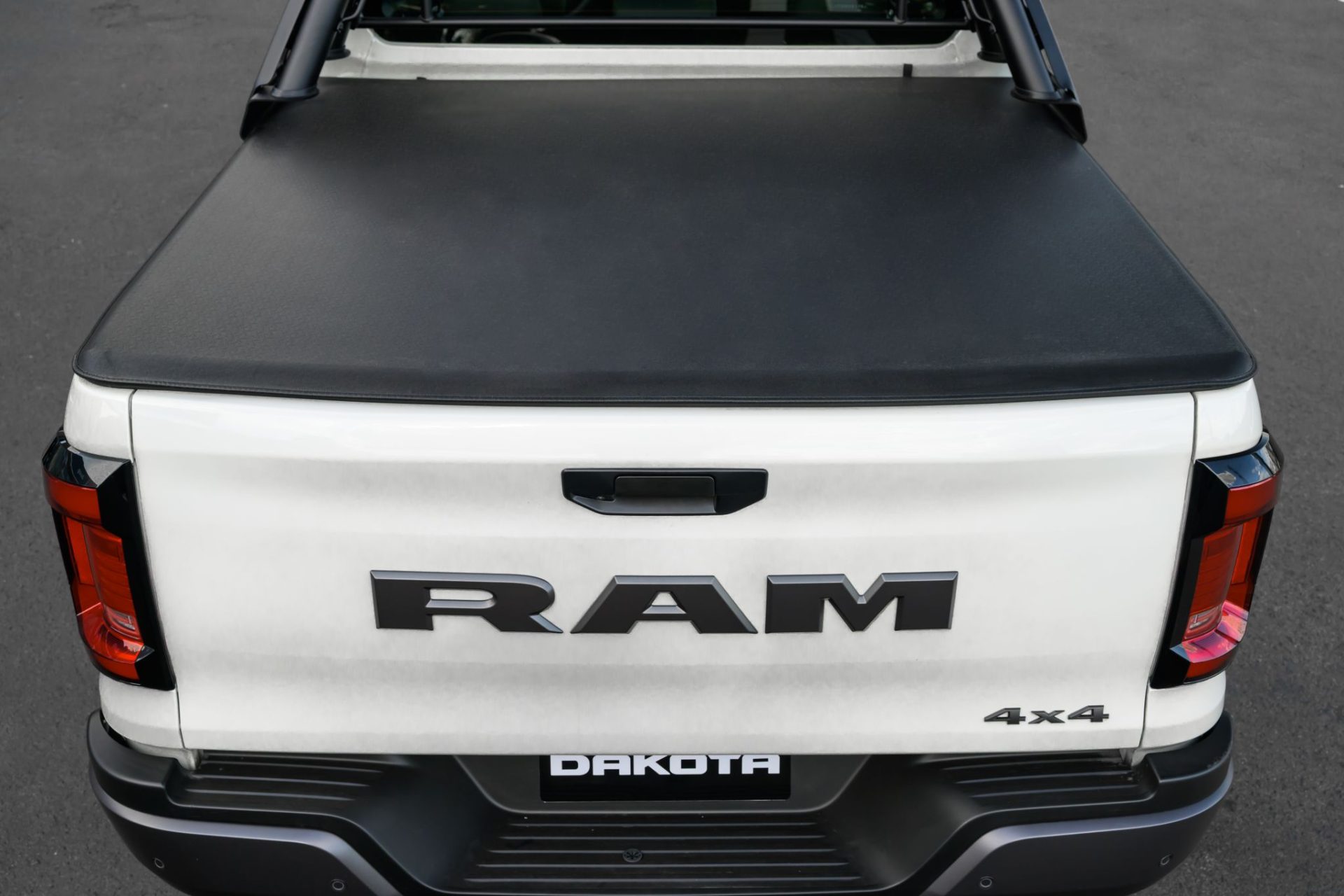
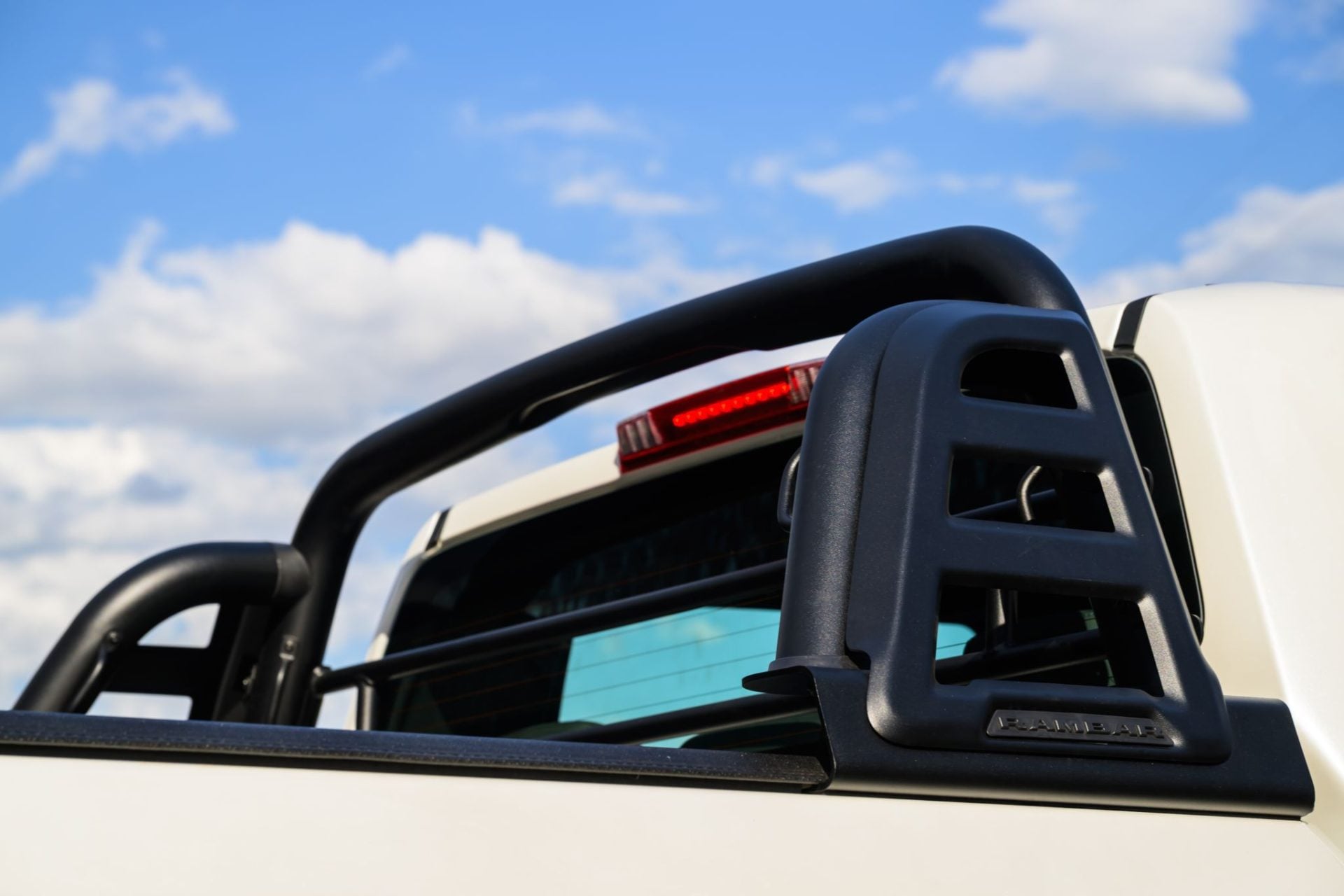
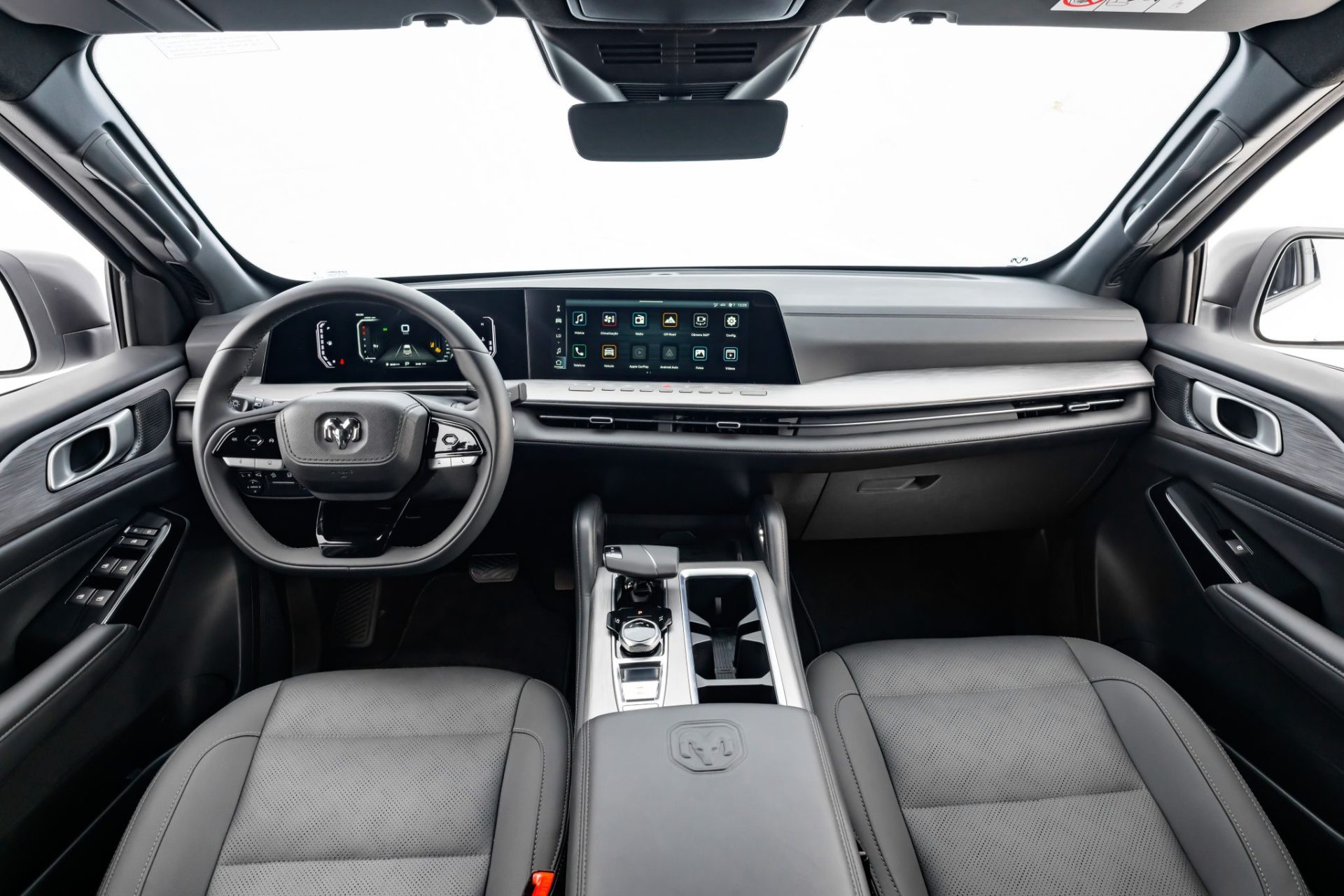
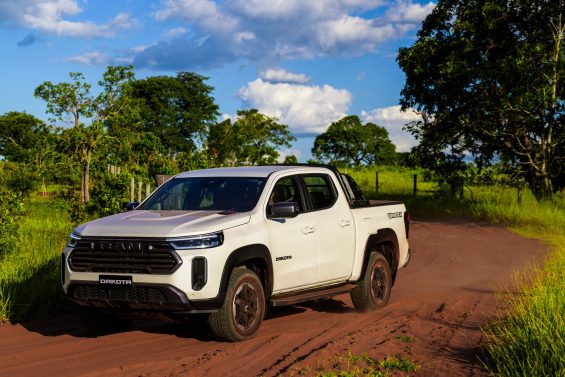
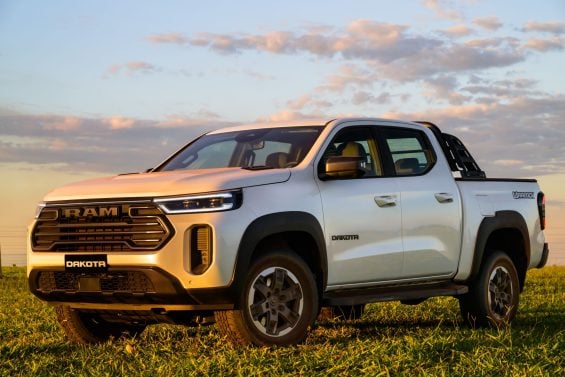
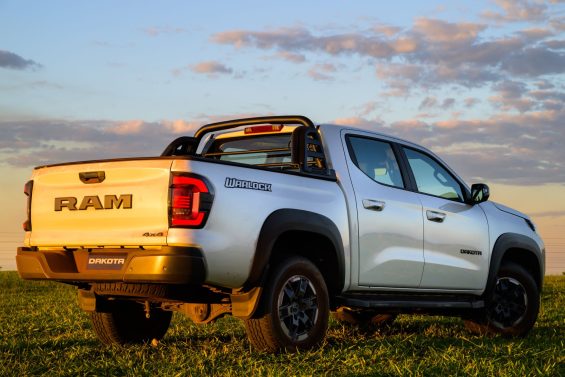
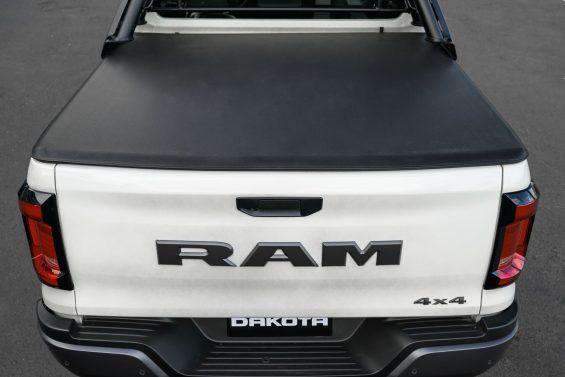
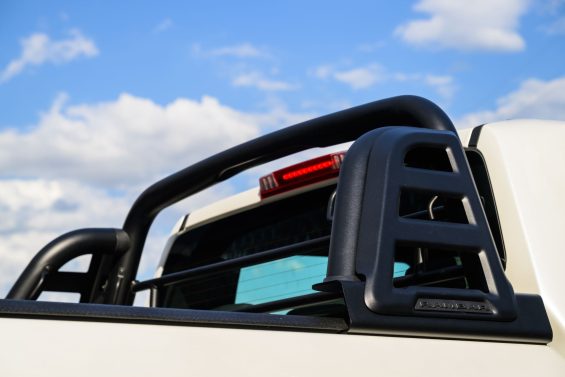
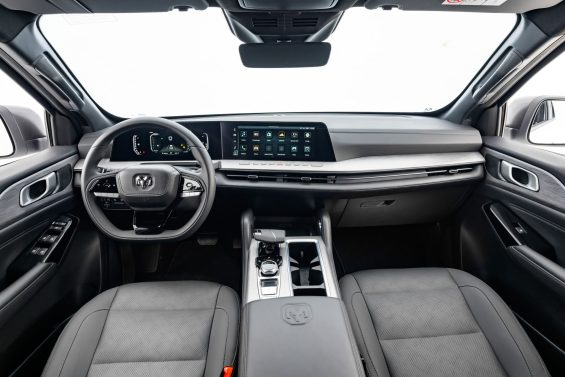
Dakota has a rich package of content, which goes beyond some rivals and brings it closer to the market reference, which is the Ford Ranger. Check it out.
Additional equipment – Laramie version
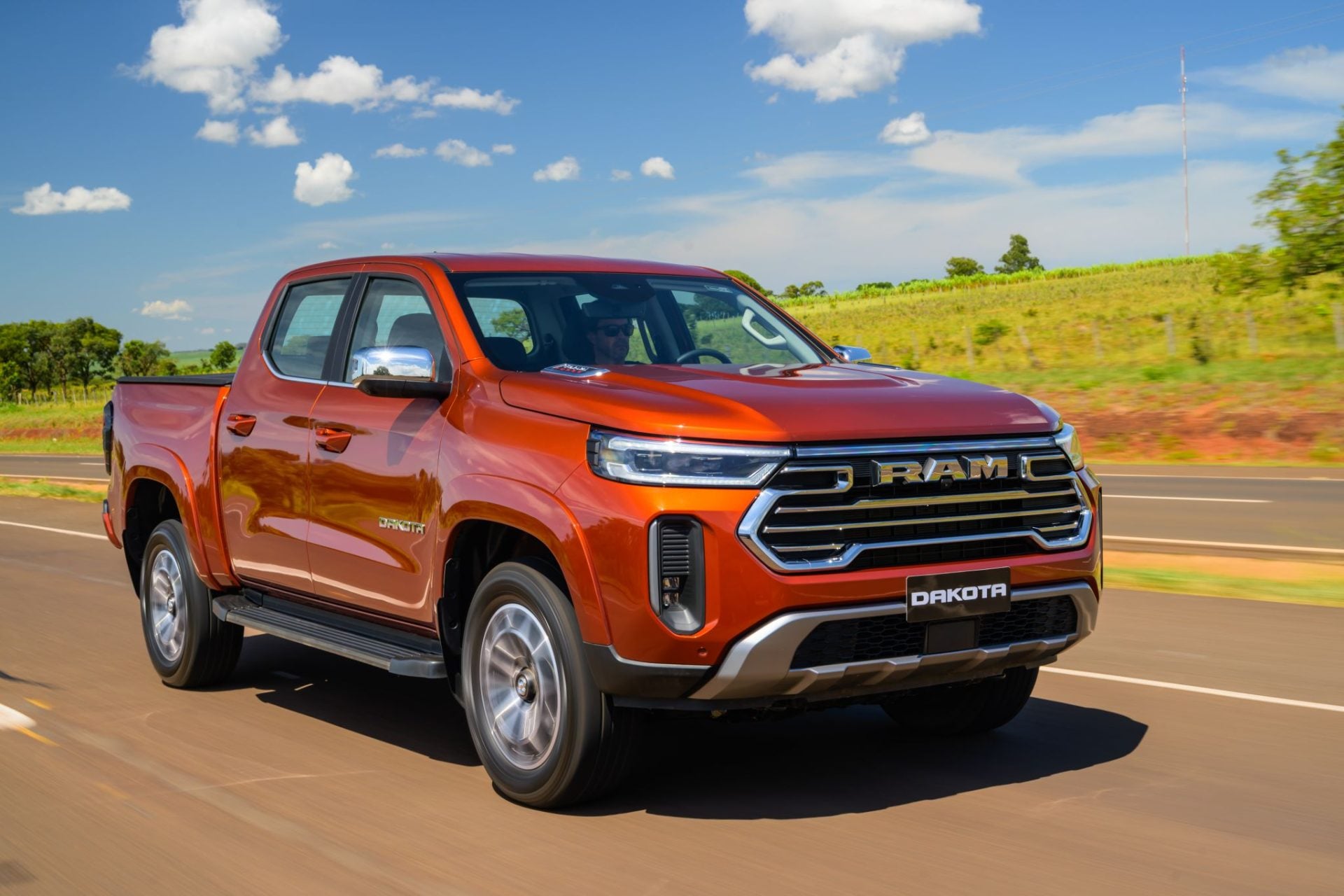
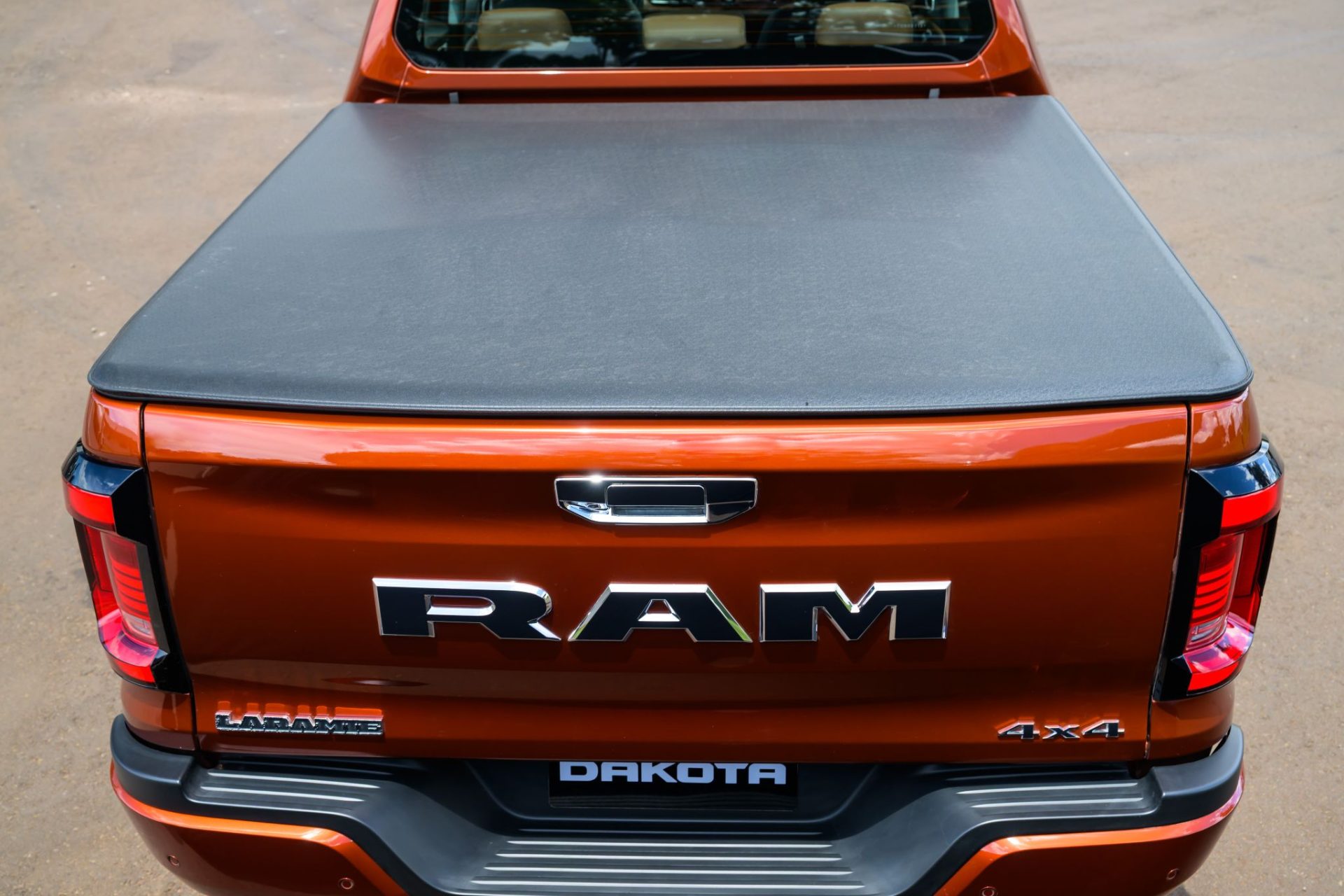
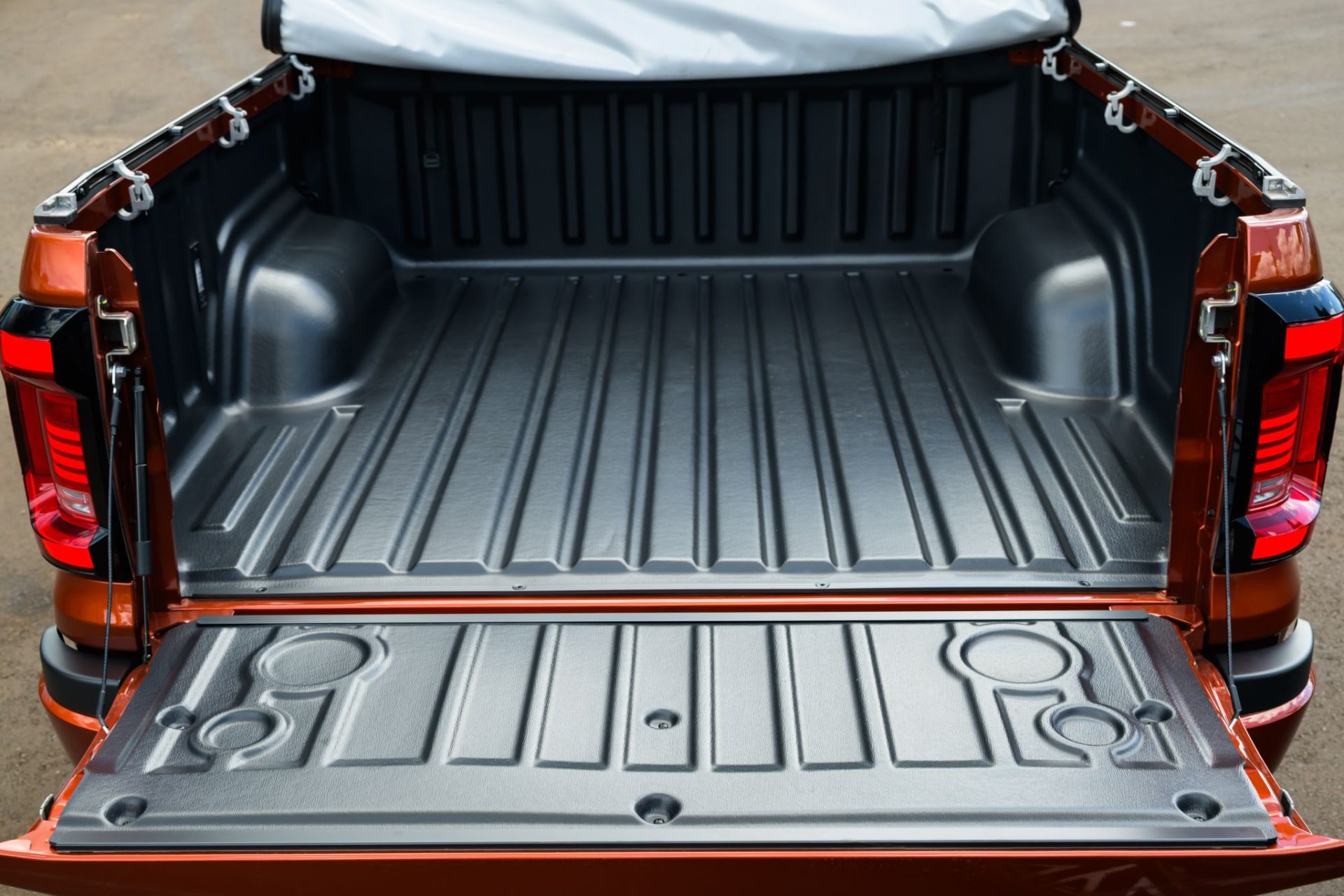
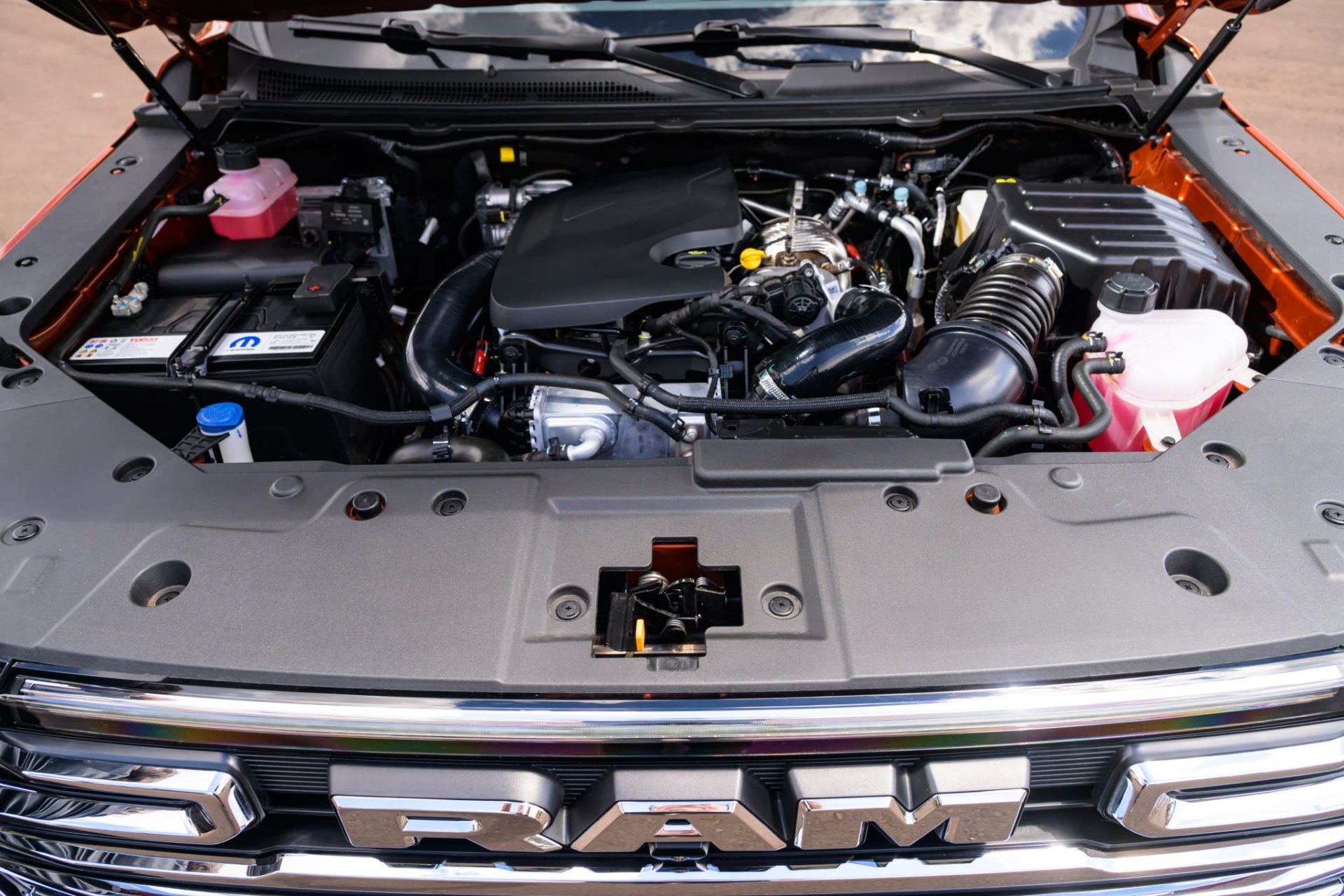
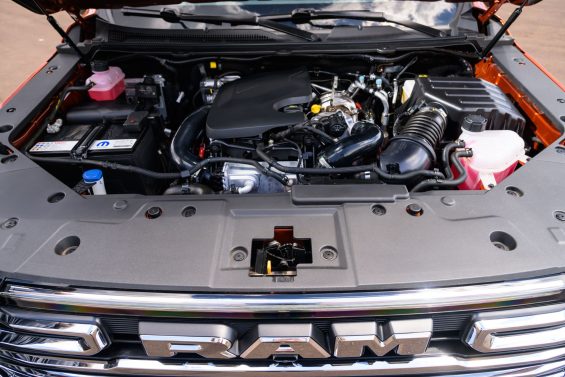
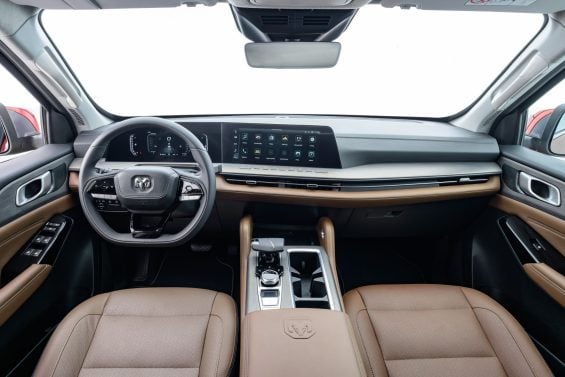
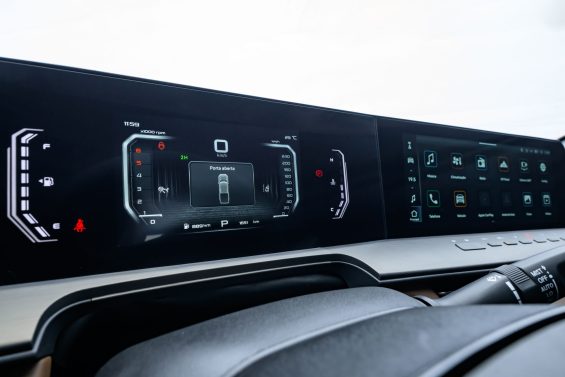
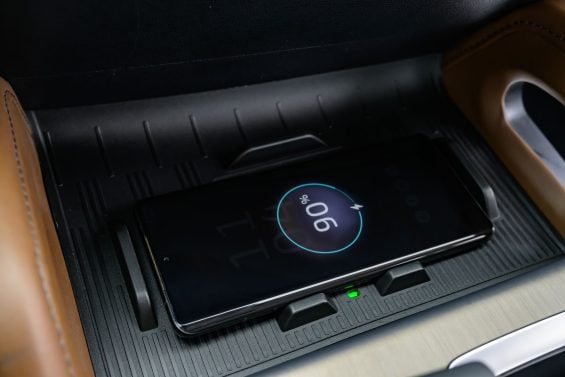
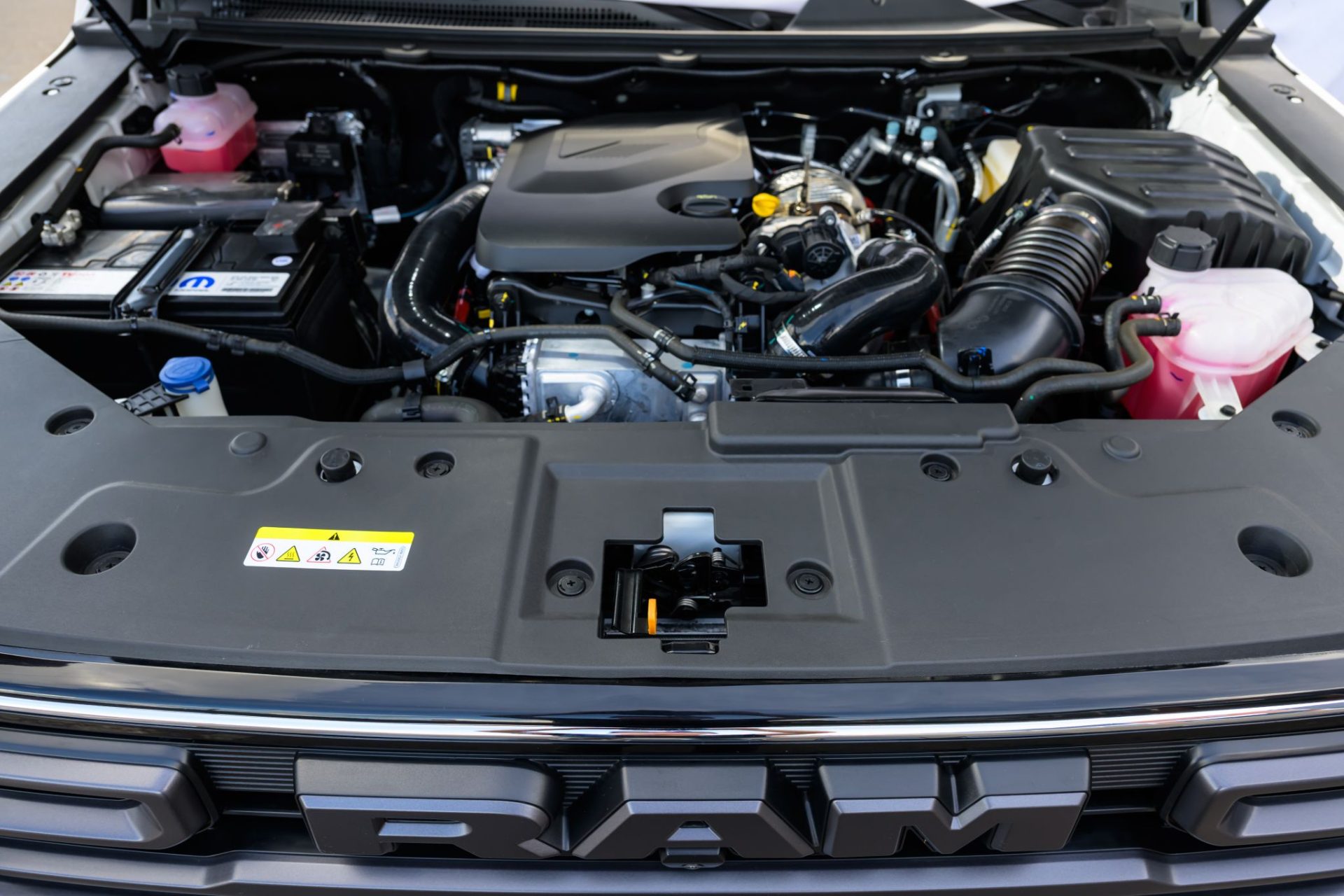
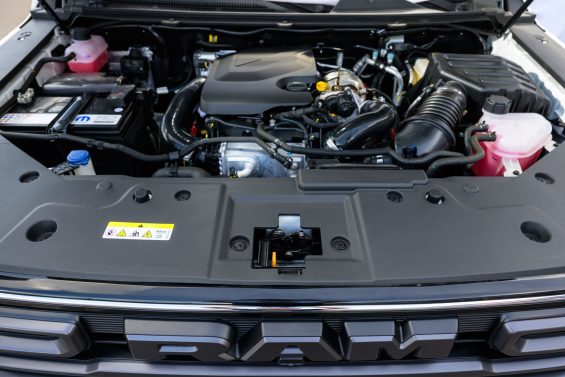
The Dakota is equipped with a 2.2 turbodiesel engine with 200 hp and 45,9 kgfm of torque, combined with an eight-speed transmission. It is the same engine that equips the relatives Toro, Rampage and Titano. It also has ventilated disc brakes on all four wheels.
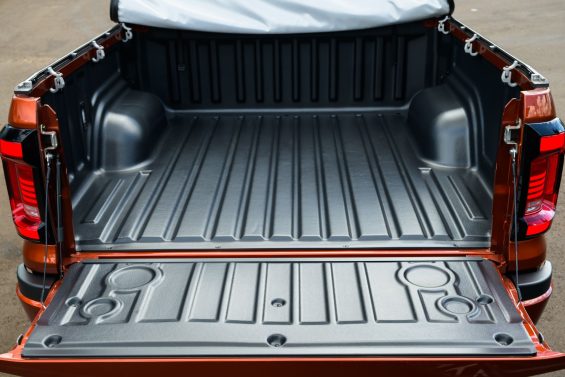
The Dakota is no different from most midsize pickup trucks on the market. It has a vigorous diesel engine, 4×4 traction, a load capacity of 1 ton and everything else that can be expected from a pickup truck in the segment.
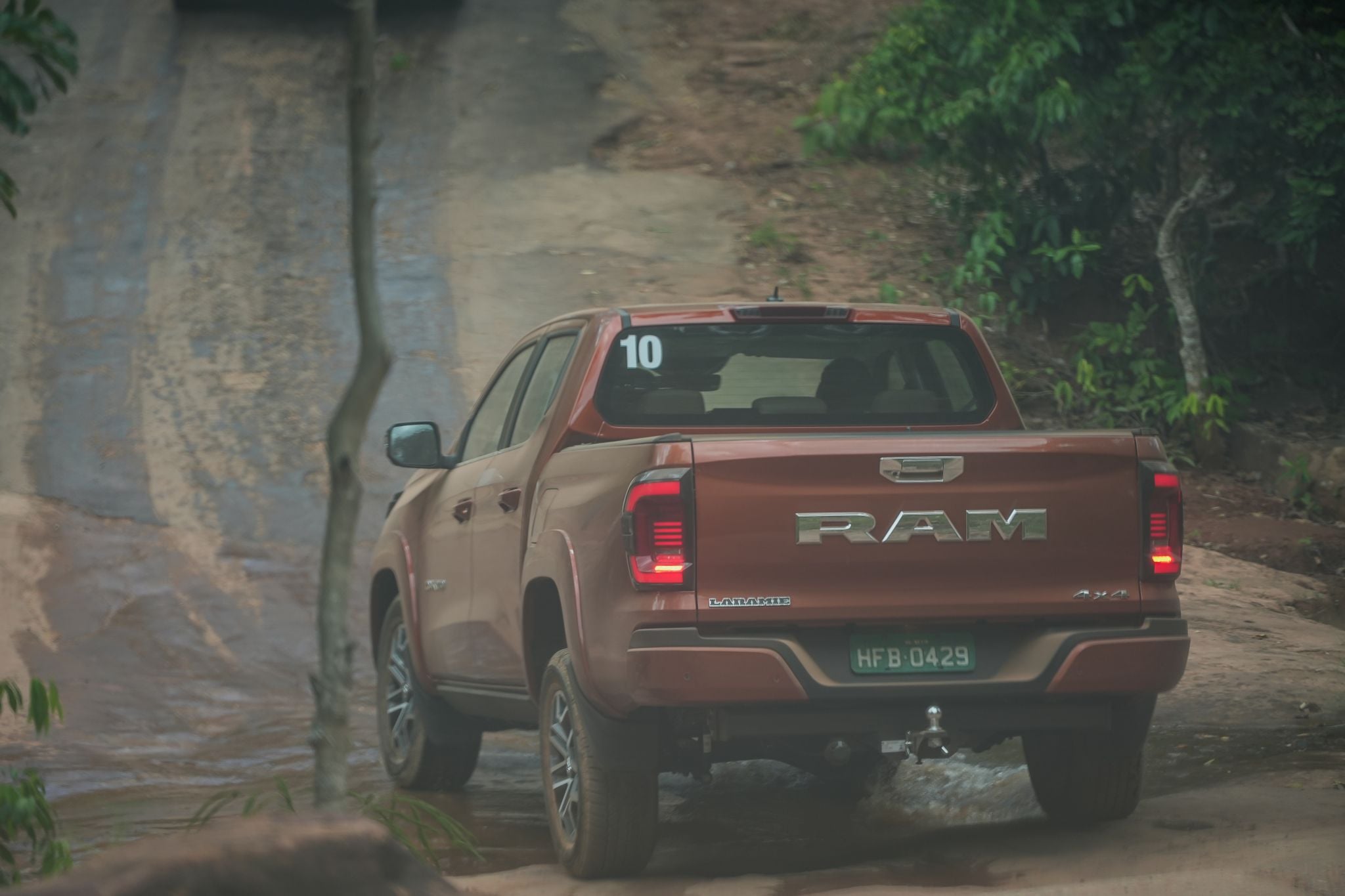
When you put the pedal to the metal, the Dakota responds, but not as fast as the Ford Ranger or VW Amarok, which are more powerful and with a greater offer of torque. Even so, it has a declared acceleration from 0 to 100 km/h of 6.5 seconds and a top speed of 180 km/h.
But what draws attention is the good setup of the suspension. Compared to the first line of the Titano (2024), the Dakota looks like a Bentley. Of course, it shakes on the roughest terrain and on speed bumps, but it doesn’t jump as much as the Uruguayan Italian vintage.
On the asphalt, the pickup sustains high speeds with good stability, without that feeling of a rear screeching. Off-road, the pickup ignores low grip, machetes or potholes. The driving modes (Mud, Sand, Ice and Sport) also facilitate the distribution of torque without risk of slipping.
After 1,200 km, the Dakota showed that it is on par with its competitors. It also showed that the adjustments made by local engineering were fundamental for its good behavior.



