These cars are strong in the Chinese market, in Brazil they do not have the same volume but they are growing little by little

It seems that every Chinese brand that debuts in Brazil brings with it a medium electric SUV in the range of R$ 200 thousand. They are not high-volume cars like compact hatches, but they serve as a technological showcase.
There are currently seven options with these characteristics, one of which comes through a traditional brand. All with a similar equipment package, power in the range of 200 hp and autonomy between 300 and 400 km. We list them using the price as a reference.
SEE ALSO:
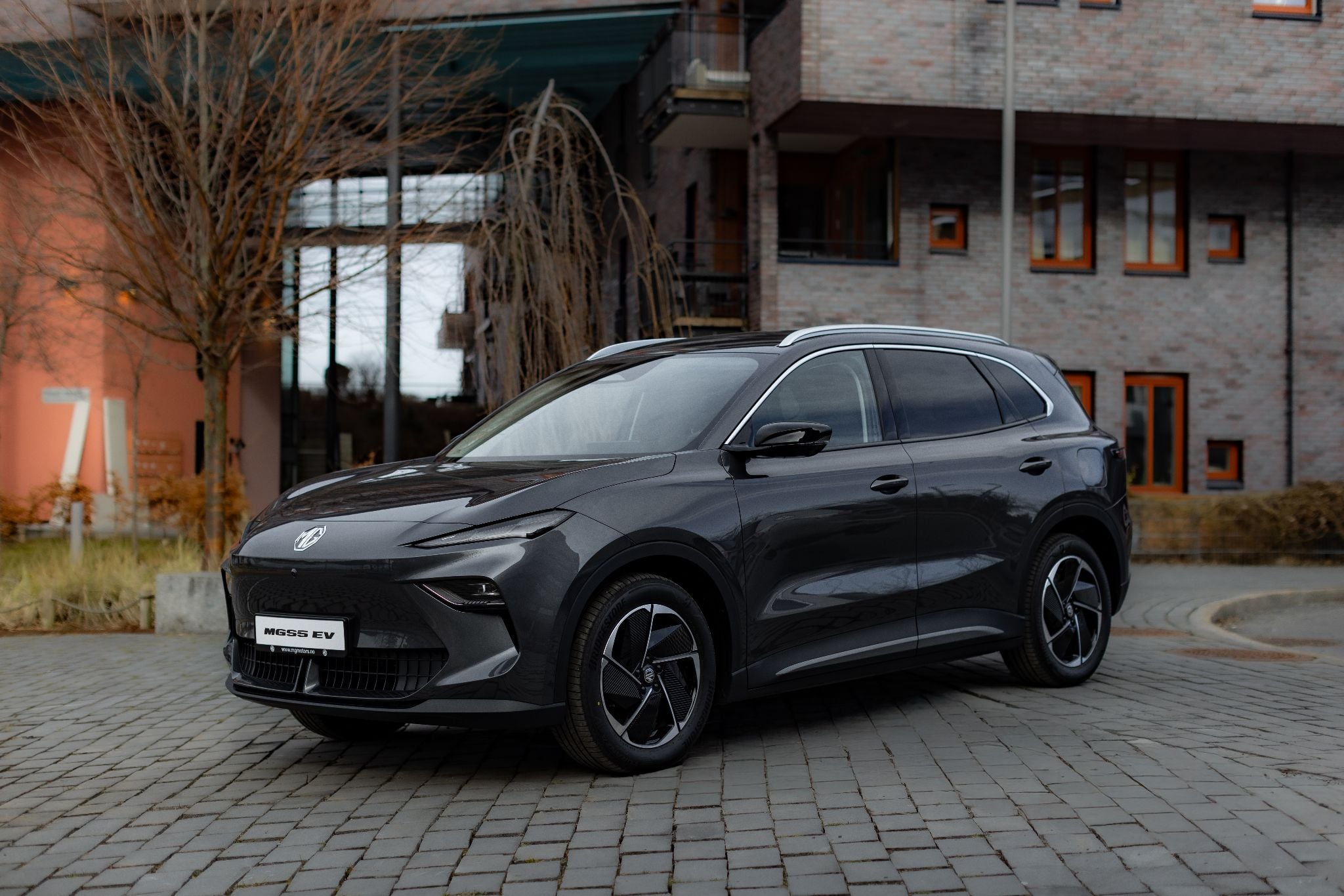
MG Motor debuted at the end of 2025 bringing the S5 only in the Luxury version, from R$ 219.800, the Comfort model debuted at the Motor Show with the lowest price in this segment.
The MG brand was born in England, but today belongs to the Chinese giant SAIC, which is the largest state-owned manufacturer in the country. The S5 is a recent model, which debuted in 2024.
Among Chinese electric SUVs in the R$ 200 range, the MG S5 is the fastest: it accelerates from zero to 100 km/h in 6.3 seconds. Its 205 hp engine is mounted on the rear axle, which allows for a smaller turning circle and helps with starts, especially on climbs.
The S5 in the Comfort version already features a multimedia center with Android Auto and Apple CarPlay, camera and reverse sensor and leather seats. The Luxury model adds ADAS package, 360° camera and larger diameter wheels.
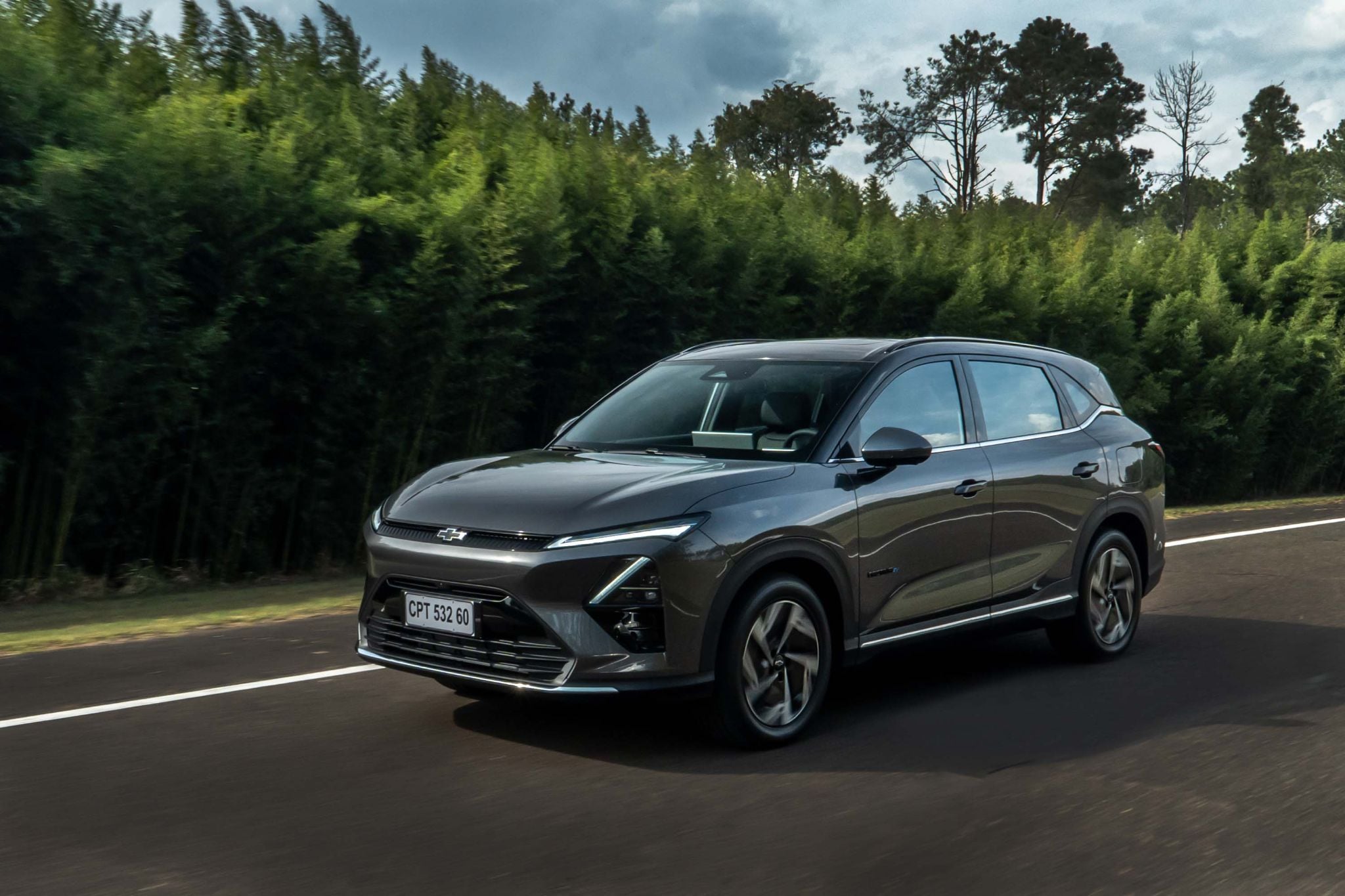
Chevrolet has gone after its Chinese partners to offer cheaper electric cars. The new Captiva EV is a Wuling Starlight S with a different design at the front, suspension adjustment made by Brazilian engineering and an exclusive equipment package.
The model has the advantage of being sold in 480 of the 600 Chevrolet dealerships across the country. It will be produced at the PACE factory in Ceará in 2026 to avoid rising import taxes.
The new Captiva EV brings an equipment offer in line with rivals, with some equipment such as two-zone air conditioning, trunk cover, induction charger, front parking sensor and electrochromic rearview mirror. But it has smartphone mirroring, ADAS package, panoramic sunroof with aperture and 360° cameras.
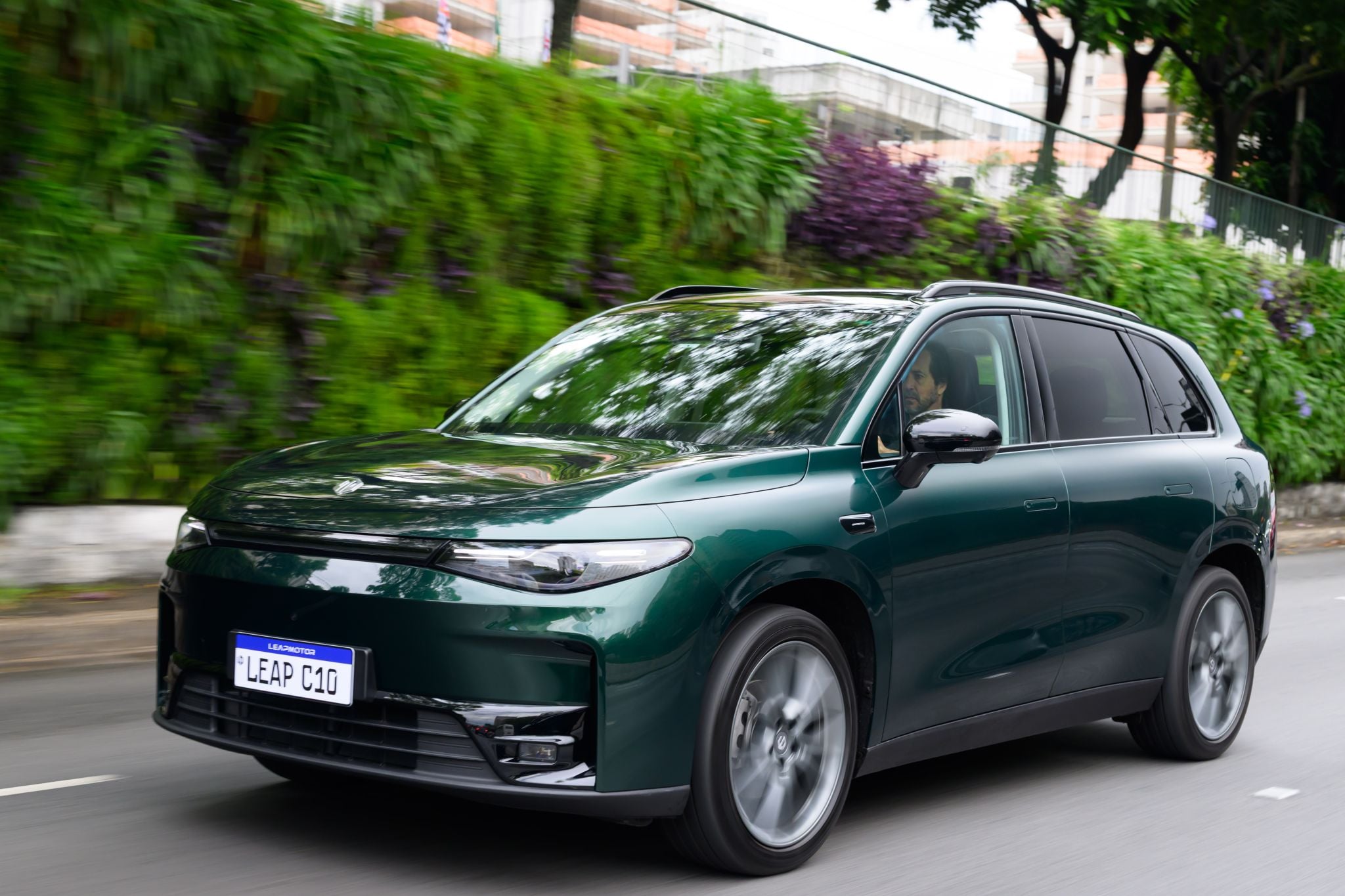
Leapmotor is a Chinese startup that was bought by Stellantis. It debuted in Brazil with the C10 in two versions, the electric BEV and the hybrid REEV. The latter uses the 1.5 gasoline engine only as a power generator for the batteries, resulting in more efficiency.
The Leapmotor C10 BEV is slightly above R$ 200 thousand. This electric SUV impresses with its larger size than its rivals, but the look is discreet.
Its traction is rear-wheel drive, a feature that is only shared with the MG S5, but the C10 has a 32-liter front trunk. The suspension adjustment made by the Brazilian engineering is very reminiscent of that of the Jeep Commander, combining stability in curves with a comfortable ride.
The Leapmotor C10 does not offer smartphone mirroring, forcing the driver to use native GPS. The model also does not have a key, you need to use an NFC card or download the app to use the cell phone as a key.
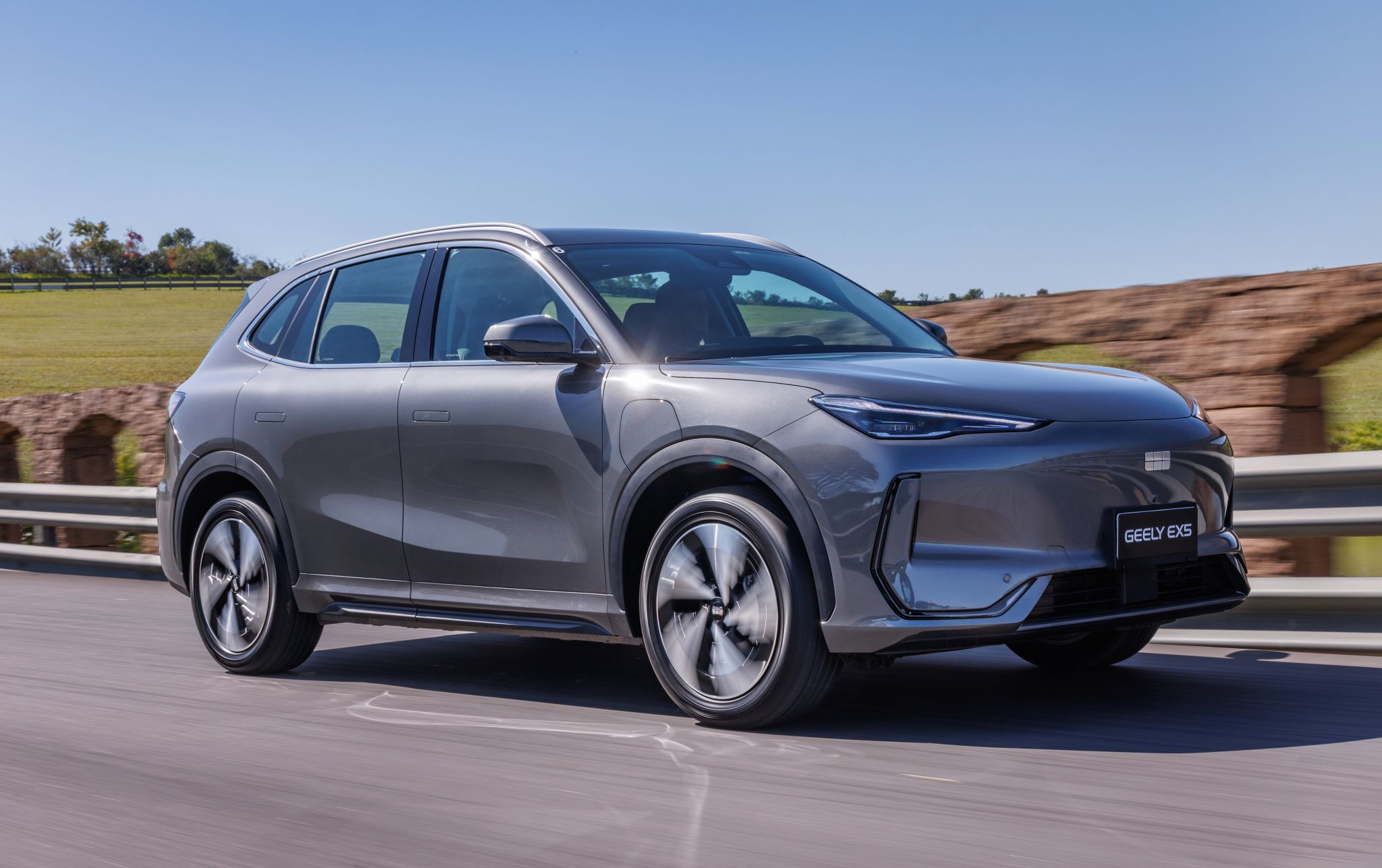
The Geely EX5 has the longest autonomy among electric medium SUVs in the range of R$ 200 thousand. There are 413 km in Inmetro’s pessimistic cycle for the entry-level version, the Pro, the top-of-the-line Max model was homologated with 349 km.
It is also the second fastest at zero to 100 km/h, with a time of 6.9 seconds for the Pro and 7.1 s for the Max. Interestingly, both have the same motor and the same battery, the weight difference is only 50 kg.
The Geely EX5 Pro already comes with electric driver’s seat adjustment, 360° camera, induction charger and electronic parking brake. The Max model adds the ADAS package, the massager in the front seats, the sunroof, premium sound system with 16 speakers and the front parking sensor.
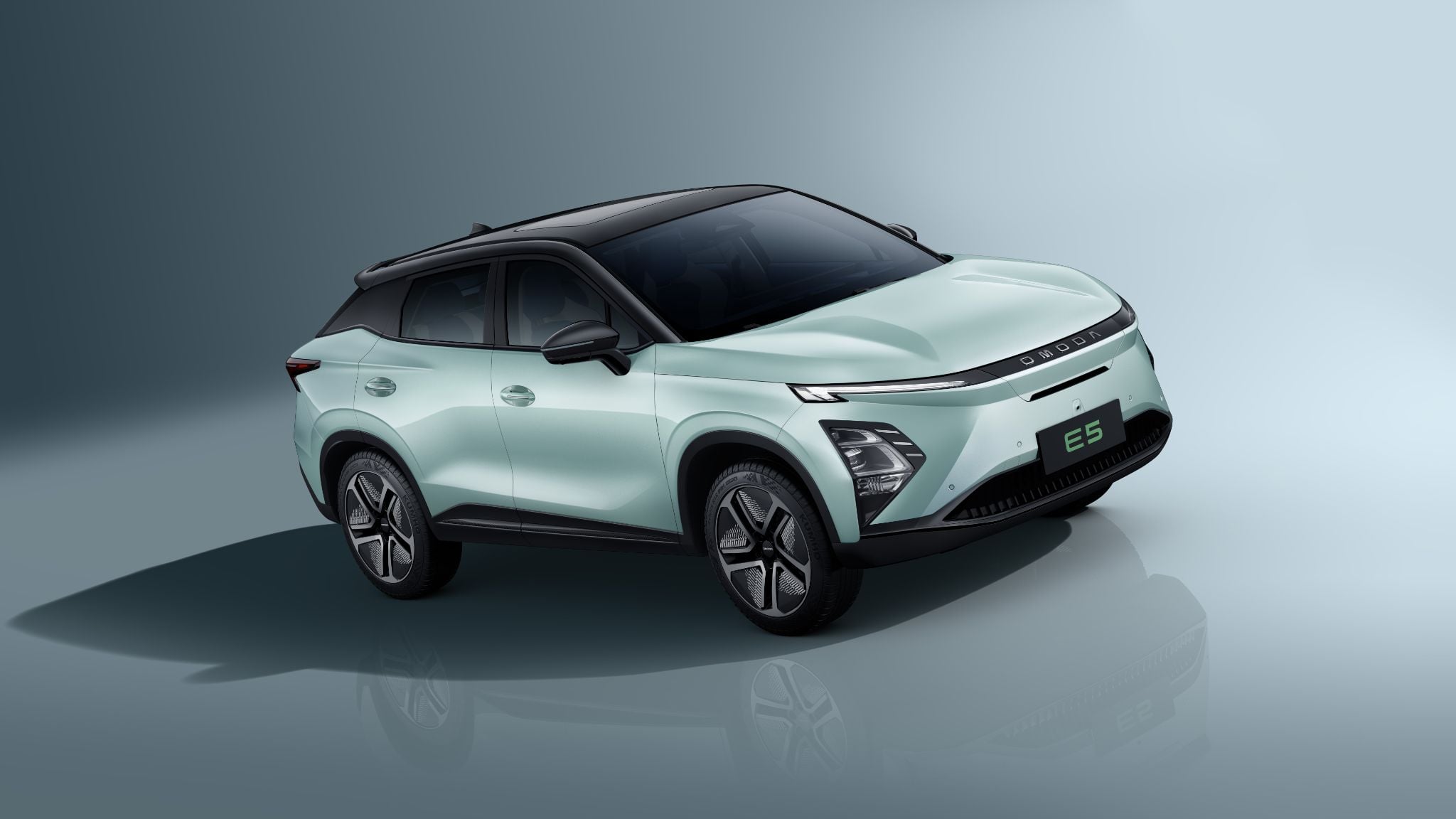
The Omoda E5 must be the least remembered car of Omoda & Jaecoo in Brazil. The electric version of the medium SUV arrived before the hybrid model, but it did not have the same success.
It is not as big as some of the rivals, but it offers a balanced set in terms of power and autonomy. Its design is the sportiest, with a coupe SUV format.
The only version of the Omoda E5 has a head-up display, 360° camera, two-zone air conditioning, electric trunk opening, induction charger with cooling, Sony sound system, ADAS package and ventilated seats.
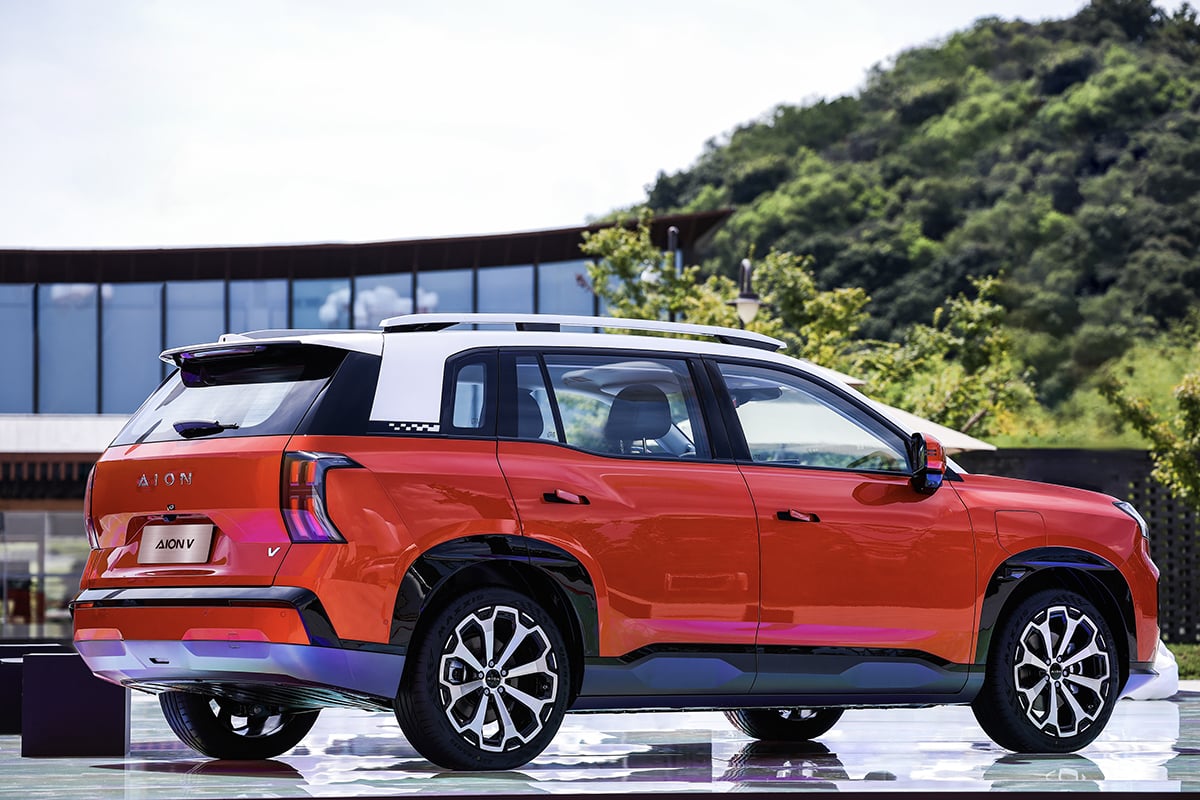
Among the electric medium SUVs in the range of R$ 200 thousand, the GAC Aion V is the one with the most different design. It followed a boxier style and with vertical taillights.
Its autonomy is the second longest on the list and the performance is good, even with the lowest torque. The Aion V proposal is more familiar, with rear doors that open at almost 90°, a table for the rear seat and a compartment in the console that can be cooled to -15°C or heated to up to 50°C.
The model comes in a single version, with an ADAS package, two-zone air conditioning, induction charger, 360° camera, reclining rear seat, electric adjustment in the two front seats and a sound system with 9 speakers.

The BYD Yuan Plus was the pioneer in this segment, but it arrived with a high price. It was repositioned to the current value of R$ 235.990, but does not get the same successor as the hybrid cousin Song Plus.
This is the electric SUV with the shortest range on the list, with only 294 km. It also has the oldest design on the list, but at some points that’s a benefit: its panel has more buttons and the door handles aren’t recessed.
The BYD Yuan Pro equipment package includes ADAS systems, a 360° camera, an electrically adjustable driver’s seat, a sound system with 8 speakers and a multimedia center with a rotating screen



