French hatch is one of the cars that suffer the most bullying in the market and on social networks, due to problems that are not always the fault of the car
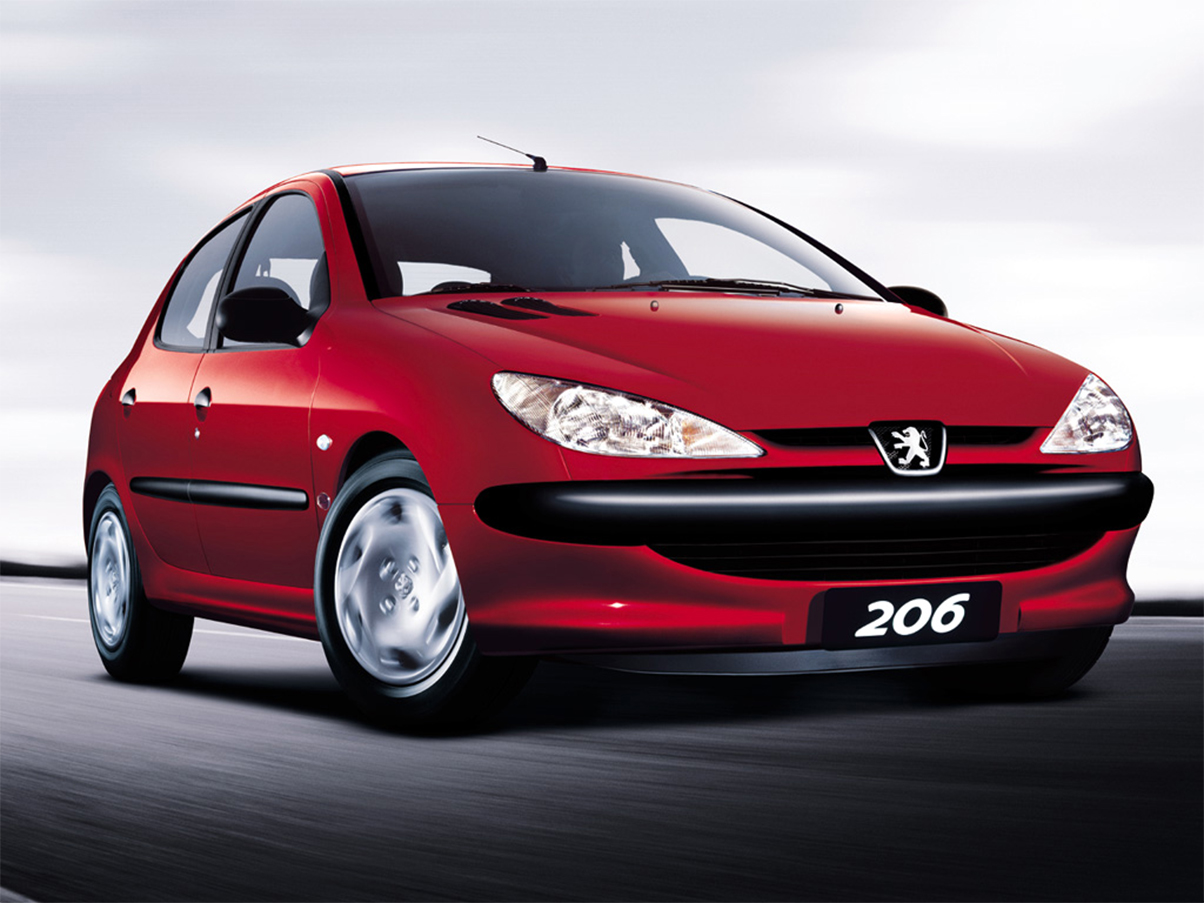
Just zap Instagram for five minutes and someone will appear making fun of the Peugeot 206. Not to mention the number of memes and stickers that “mock” the French brand’s hatch. Even in the Mini Mundo of Gramado (RS) they put the miniature of the compact being towed.
SEE ALSO:
Such bullying is due to the bad reputation of the Peugeot 206. Some chronic problems, fragile suspension, and recurring defects have shaped this reputation. But the car is, in fact, a wronged in most occurrences.
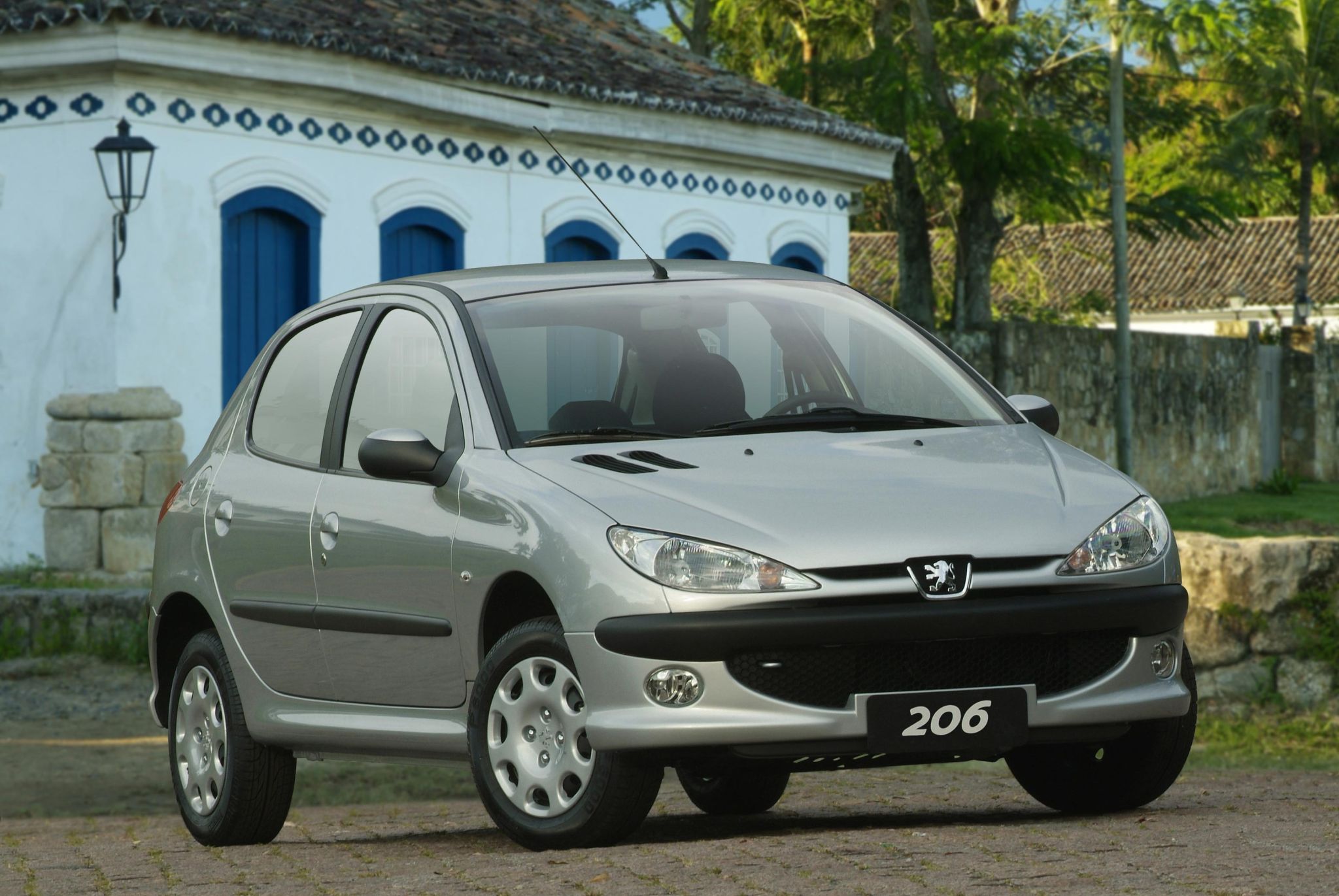
Much of the blame for this bad reputation lies with the owners themselves, who were negligent or careless with the maintenance of a model with a mechanical set even more sophisticated than most rivals in the segment at the time. Which resulted in defects and the hatch’s fame as a “bomb”.
Let’s now demystify some points about the Peugeot 206. Show the defects that are really the fault of the project, and others that are the responsibility of third parties.
First let’s tell you the story of the Peugeot 206. Replacing the 205, the compact was presented worldwide at the 1998 Paris Motor Show. It was launched in Brazil the following year, initially imported from France and then from Argentina, first with a 1.6 8V engine.
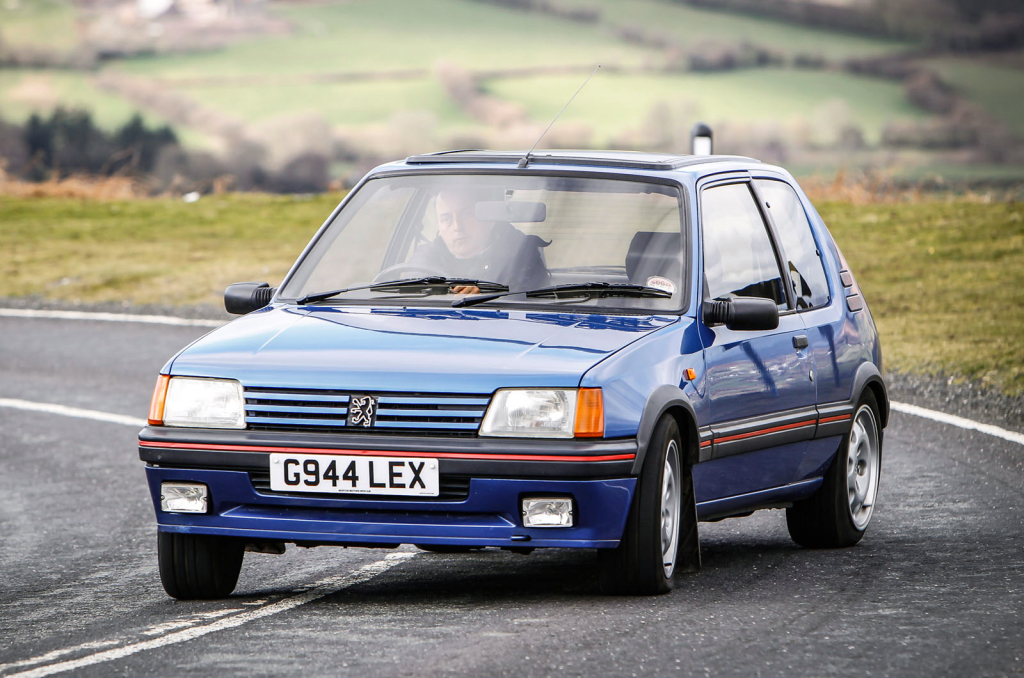
Production in Brazil began in mid-2001 and the 206 was the first product of the new PSA Peugeot Citroën plant in Porto Real (RJ). With that, versions with a 1.0 16V Renault engine debuted, while the 1.6 became 16 valves.
This same engine began to be manufactured at the Rio de Janeiro plant in 2003. In 2004, the 1.4 8V appeared and, a year later, this and the 1.6 16V received flex fuel technology. At that same time, Peugeot stopped using the 1.0 in the 206.
In 2007, the hatch started to have the option of a four-speed automatic transmission. The Peugeot 206 continued in line in Brazil even after the debut of the controversial Brazilian 207 (actually the old hatch with the shell of the European model), and only with a 1.4 engine.
Production ended at the end of 2009. In 10 years, the hatch registered more than 250 thousand units sold.
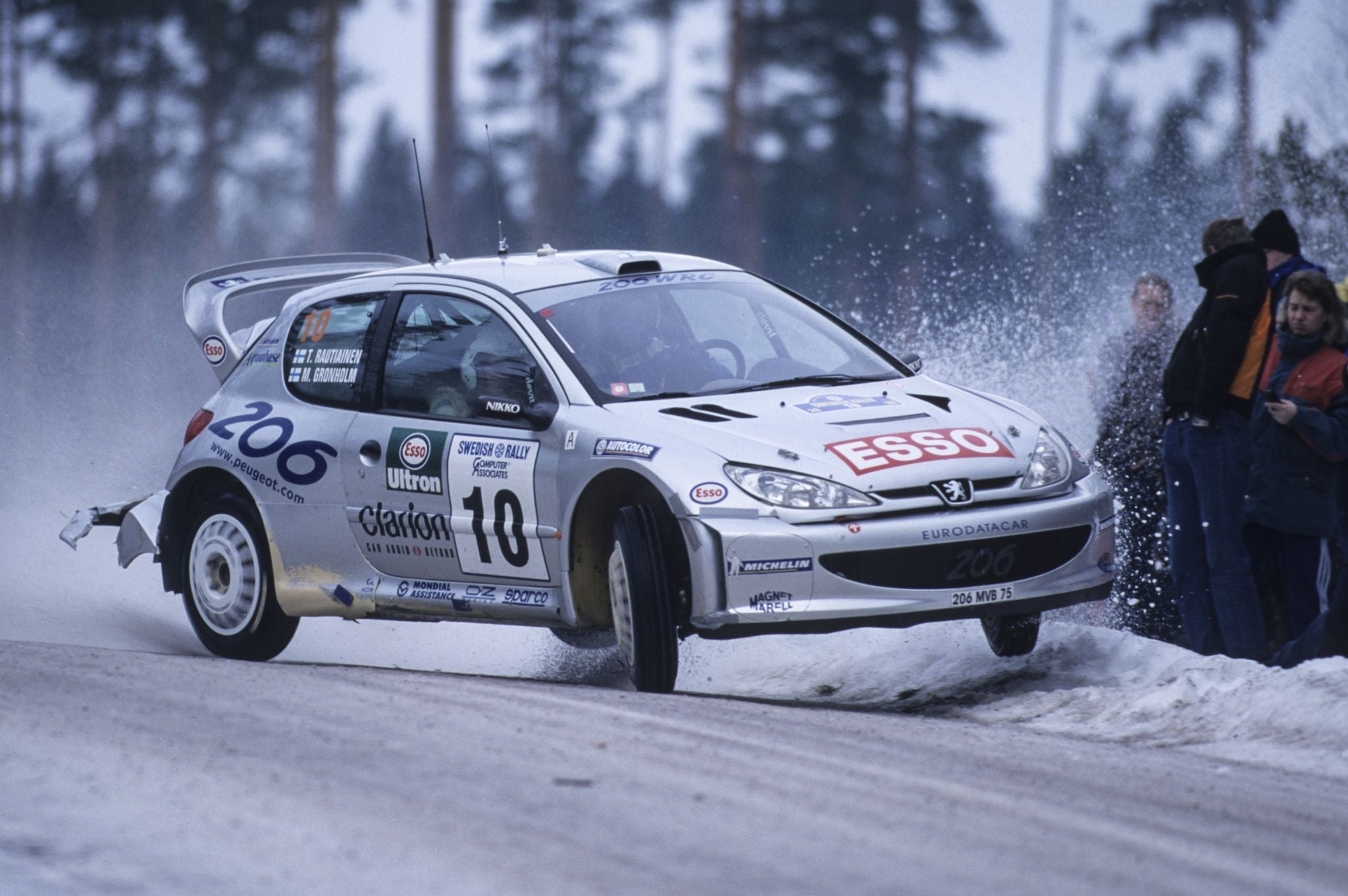
The French brand’s hatchback has a successful trajectory in the world’s main rally competition. The 206 gave Peugeot its third constructors’ championship (2000-2001-2002) and was champion among drivers in 2000 and 2002, with Marcus Grönholm.
The Peugeot 206 brought new parameters to the compact segment. Thanks to the more sophisticated and bold design that broke the round trend of the category. Not to mention the engines with aluminum blocks and heads and the style of the interior finish, far superior to rivals at the time.
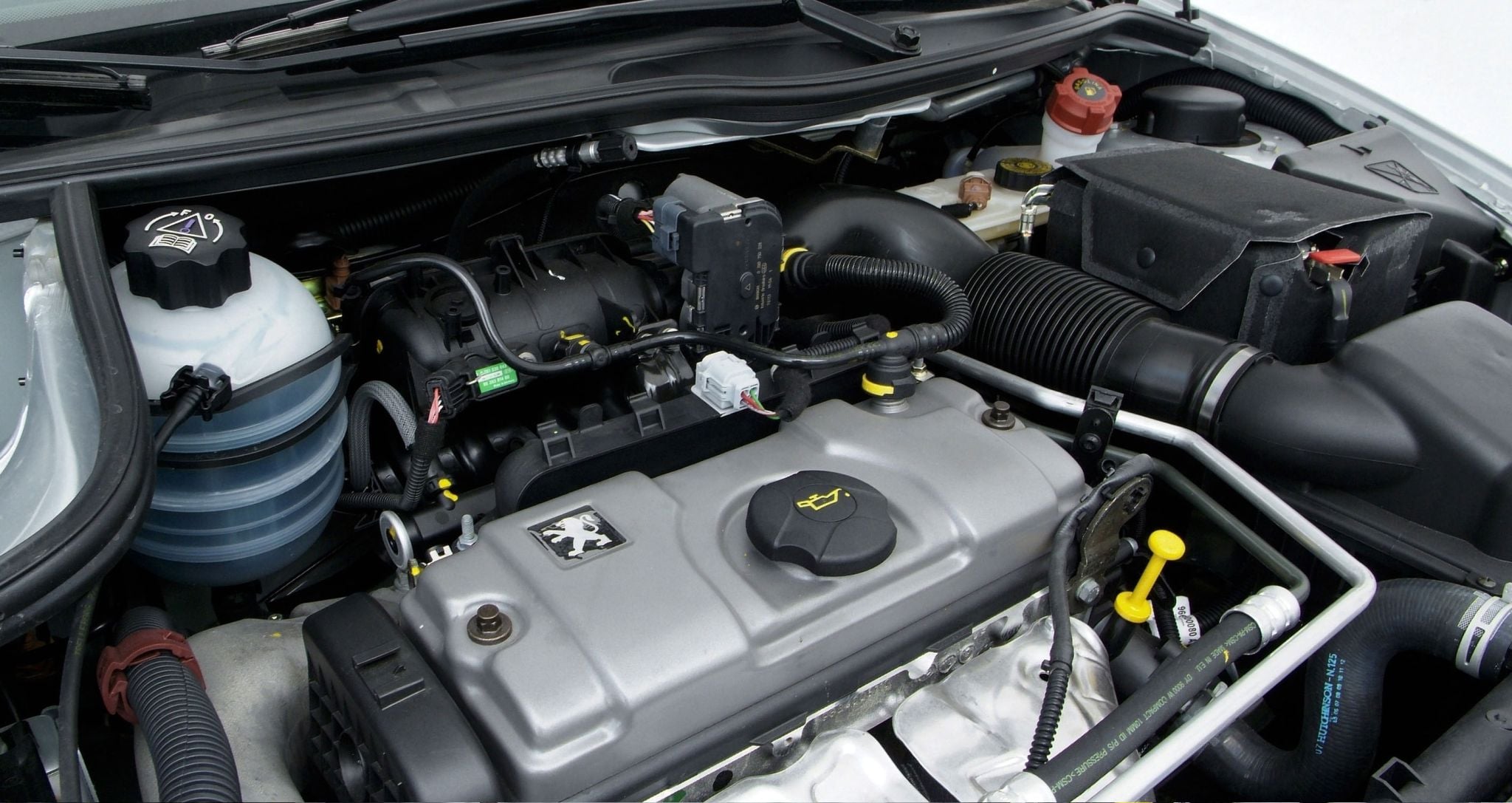
But the 1.4 engine that emerged to replace the 1.0 of Renault origin helped burn the film of the Peugeot 206. Literally. The set has a chronic problem of burning the head gasket, in addition to mixing water and lubricating oil.
Detail that this engine was updated at the launch of the first generation of the 208, already as 1.5, but reports of gasket burning continued.
PSA’s 1.6 EC5 has a good reputation. It equipped the most expensive versions of the Peugeot 206 and, despite being a drinker, guarantees very interesting performance to the hatch. With four cylinders, 16 valves, it had double camshafts, 110 hp of power, which went to 113 hp (with ethanol) when flex.
The AL4 box – which was offered in a few expensive versions – is another piece of equipment that contributes to the bullying of the Peugeot 206. An old design and with only four gears, the gearbox has too many jerks and inaccuracies, especially in the early years of the hatch – as it has been improved over time.
Another source of complaints from Peugeot 206 owners concerns the suspension, which they consider too fragile. This was another problem that affected the first years of the compact, especially due to the calibration of the shock absorbers, bushings, bearings and springs.
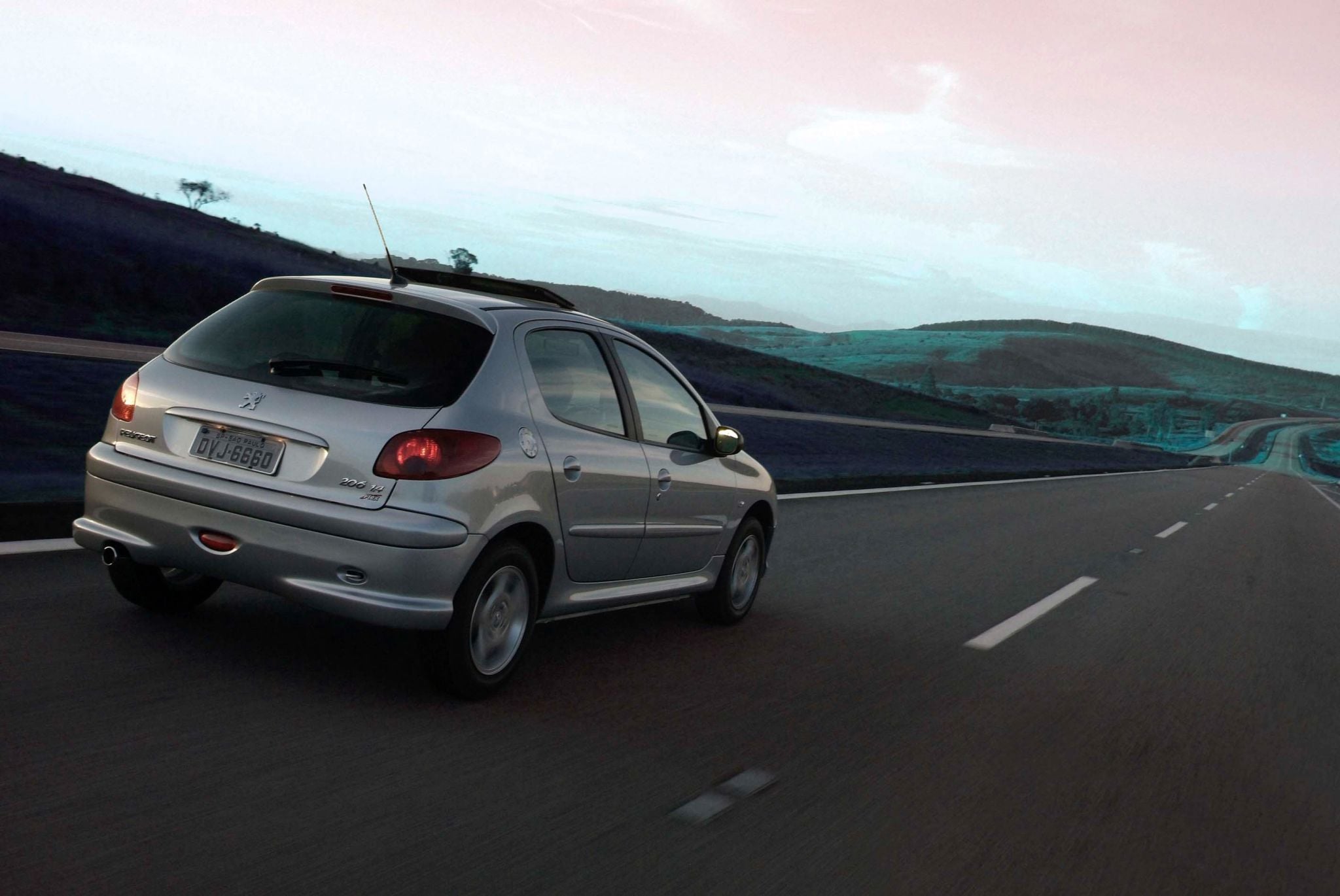
The exaggerated bad reputation for the Peugeot was more the fault of after-sales maintenance done by third parties. The French brand’s hatch had more onboard electronics and advanced mechanical assemblies, especially compared to the competition at the time.
It turns out that after-sales was expensive. Peugeot’s dealerships charged high for revisions, at a time when fixed-price maintenance practically did not exist in Brazil. This made many people flee from the authorized ones and then the problems began.
In the 1990s and early 2000s, cars with these more exquisite mechanics ended up in workshops without qualified labor or even appropriate tooling. On the basis of improvisation, those who paid the price were the cars, including the Peugeot 206.
Another point in relation to the 206 was the driver’s infamous mania of wanting to save on maintenance. In order not to pay more for the 10W-40 or 5W-40 lubricant recommended by Peugeot, the guy stopped at the gas station and was seduced by the lowest price of the “Gol oil” – a 15W-40 or a 20W-50.
There my friend, there is no miracle and not even the patron saint of engineering saves a car treated like this. The different specifications made the mechanical assembly of the 206 work under high temperatures and with greater friction from the metal components. Over time, this lubrication error caused the formation of sludge and breakage of the Peugeot’s engine throughout the country.



