Specialist in Traffic Law highlights safety, use of helmet and mandatory registration in new criteria for mopeds
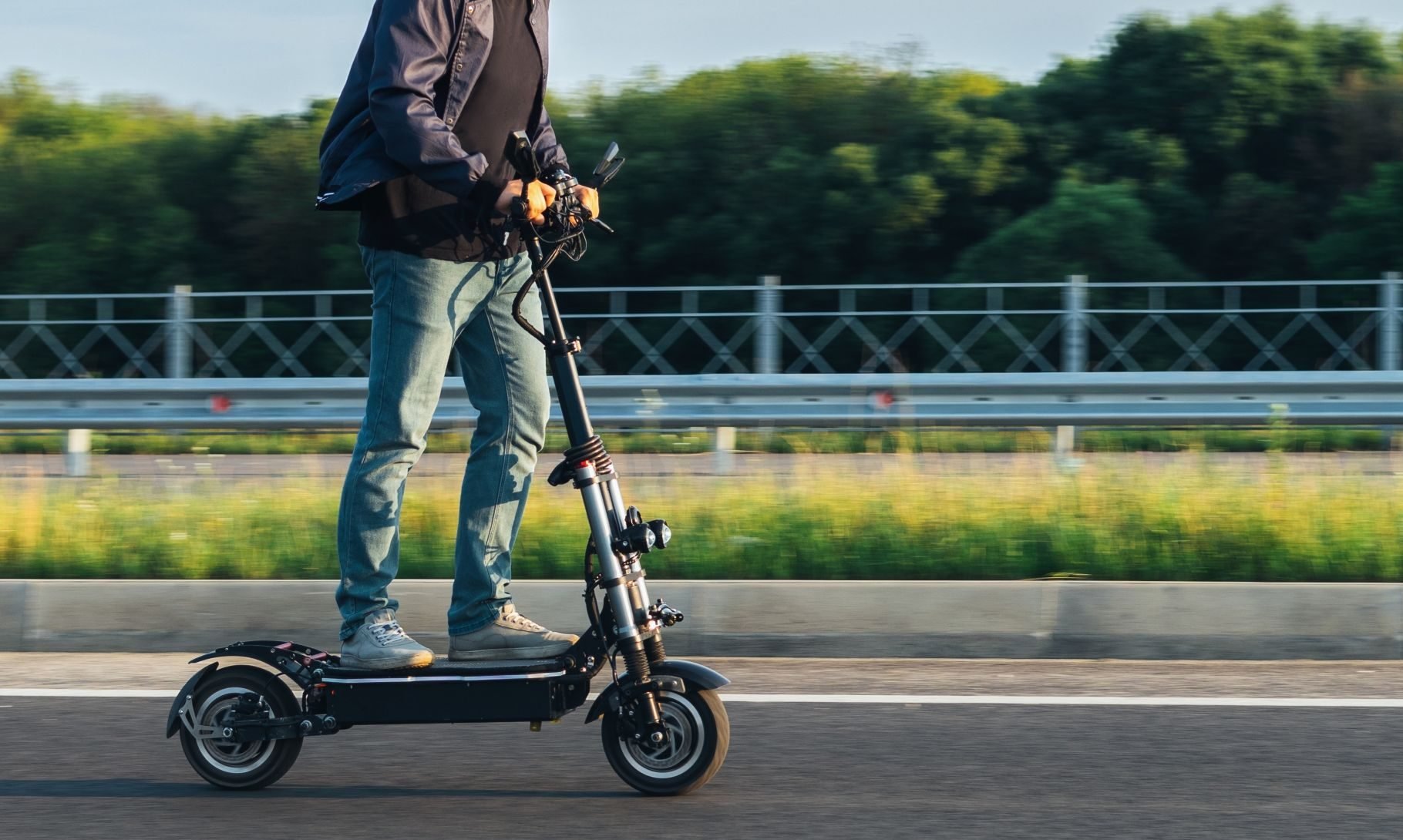
The regulation of mopeds in Brazil enters a new phase as of January 2026, with the requirement of registration, registration and specific qualification for this type of vehicle. The measure, defined by the National Traffic Council (Contran), resumes a debate that has gained strength in recent years in the face of the popularization of low-power vehicles and the confusion generated between electric bicycles, self-propelled bicycles and mopeds — a scenario often fueled by misinformation.
SEE ALSO:
As previously clarified, the legislation did not change the rules for collecting IPVA for 2026 nor did it create new fees for electric bicycles or self-propelled individual mobility equipment that are within the technical limits defined by Contran. These vehicles are still exempt from licensing, registration and taxation. What happens is that models that exceed these parameters are no longer considered bicycles or self-propelled and start to be classified as mopeds, scooters or motorcycles, being subject to the requirements provided for in the Brazilian Traffic Code (CTB).
In this context, Traffic Law specialist Laura Diniz, director of operations at SÓ Multas, evaluates that the new regulation corrects a historical gap.
“Mopeds have always circulated on the threshold of informality. By requiring registration, identification and specific qualification, Contran is not creating bureaucracy, but aligning these vehicles with the minimum rules of road safety”, says Diniz.
According to data from the National Registry of Motor Vehicles (Renavam), released in 2024, Brazil has 34.2 million motorcycles, of which about 504 thousand are registered mopeds. The number, however, does not reflect all vehicles in circulation, since many still run without any type of registration or identification.
According to the rules already established, mopeds — defined as two- or three-wheeled vehicles, with an engine of up to 50 km/h — must comply with requirements similar to those of other motor vehicles, including mandatory equipment, such as headlights, taillights, rearview mirrors, horn, speedometer and tires in good condition, in addition to the use of helmets and protective clothing. It is also mandatory to qualify in the ACC or A category.
For Diniz, the CNH requirement is one of the pillars of the change. “Today, many mopeds are driven by people without any training, which increases the risk of accidents and makes it difficult to be held accountable in case of infraction. The license ensures that the driver understands basic rules of circulation and coexistence in traffic”, he explains.
The accident numbers reinforce the concern. A study by the Rio de Janeiro Cycling Safety Commission points out that records involving mopeds in the capital of Rio de Janeiro jumped from 274 cases in 2023 to 2,199 in 2024, an increase of approximately 700%. For the specialist, the data highlights the relationship between the absence of effective regulation and greater risk on the roads.
“Clear rules, active inspection and licensed drivers are essential to reduce this scenario”, he analyzes.
The specialist also points out that inspection should not be seen only as punishment. With registration and registration, traffic agents now have instruments to identify irregularities, apply administrative measures and, when necessary, remove irregular vehicles from circulation. At the same time, Diniz defends that the change should be accompanied by educational actions.
“Any regulatory change needs to be clearly communicated. Formalization should be a project of inclusion, not of penalization,” he says.
According to her, the registration brings direct benefits to the driver. “With the documentation, the moped now has proof of ownership, can be insured and offers more legal protection, especially for those who use the vehicle as a work tool”, he concludes.
Thus, the regulation of mopeds does not change the rules applicable to electric bicycles and regular self-propelled bicycles, but reinforces the need for a correct classification of vehicles that, in practice, already circulate as self-propelled.



