In 1973 Ferrari launched a revolutionary model that paid homage to the French actress, but in a discreet way so as not to hurt the dogmas of Commander Enzo
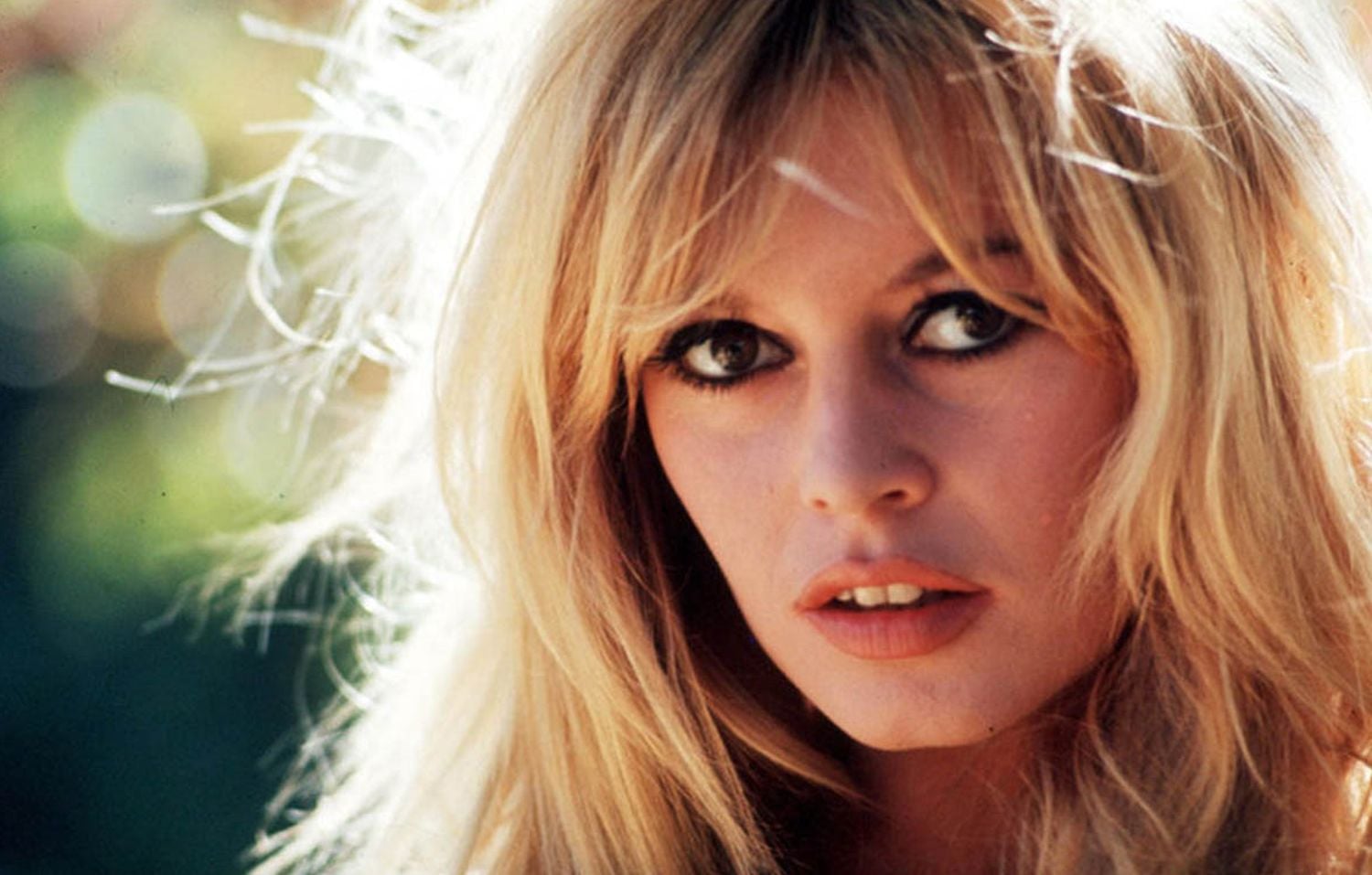
In the world of motorsport, names and acronyms usually follow a rigorous engineering or marketing logic. However, the Ferrari 512 BB, one of the most emblematic models of the 1970s, hides behind its letters a story of aesthetic admiration that breaks through the walls of the Maranello factory and reaches French cinema.
SEE ALSO:
Although the official catalog records that “BB” stands for Berlinetta Boxer, Italy’s most charming “jumping jack secret” confirms it: the car was a direct tribute to the beauty of actress Brigitte Bardot, who also routinely adopted the abbreviation BB.
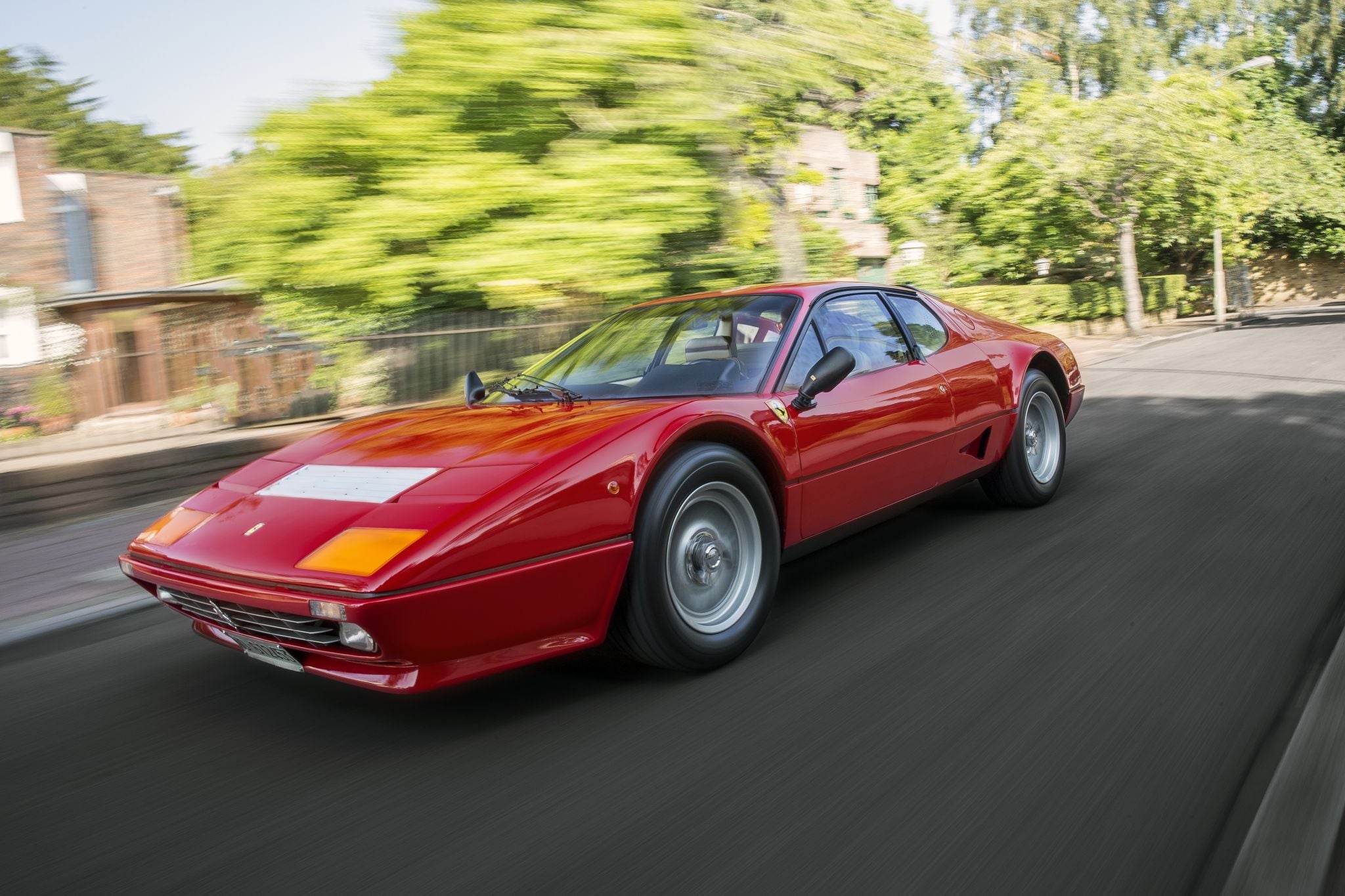
The story dates back to the development of the prototype in the early 1970s. Pininfarina’s designers, led by Leonardo Fioravanti, were so enchanted by the fluid, curved and sensual lines of the new project that, internally, they began to refer to the car only as “Brigitte Bardot”.
“It was impossible not to notice the similarity between the harmony of the car’s shapes and the silhouette of the biggest star of the time,” report historians of the brand.
For Ferrari, however, naming a supercar after a celebrity did not match Enzo Ferrari’s sober image at the time. The solution was a “creative adjustment”: keep the initials BB and create a technical meaning that would justify them.
The choice of Berlinetta Boxer for the official name is curious for two very different reasons. Starting with engineering. Technically, the 512 BB’s engine is not a legitimate “Boxer” (where the opposing pistons move in opposite directions simultaneously), but rather a 180-degree V12.
The second was convenience: the technical name served as the perfect “cover” to keep the tribute to the French actress alive among engineers, without hurting the company’s protocols. Thus, the car was presented at the 1973 Turin Motor Show with BB hiding the true meaning of the acronym.
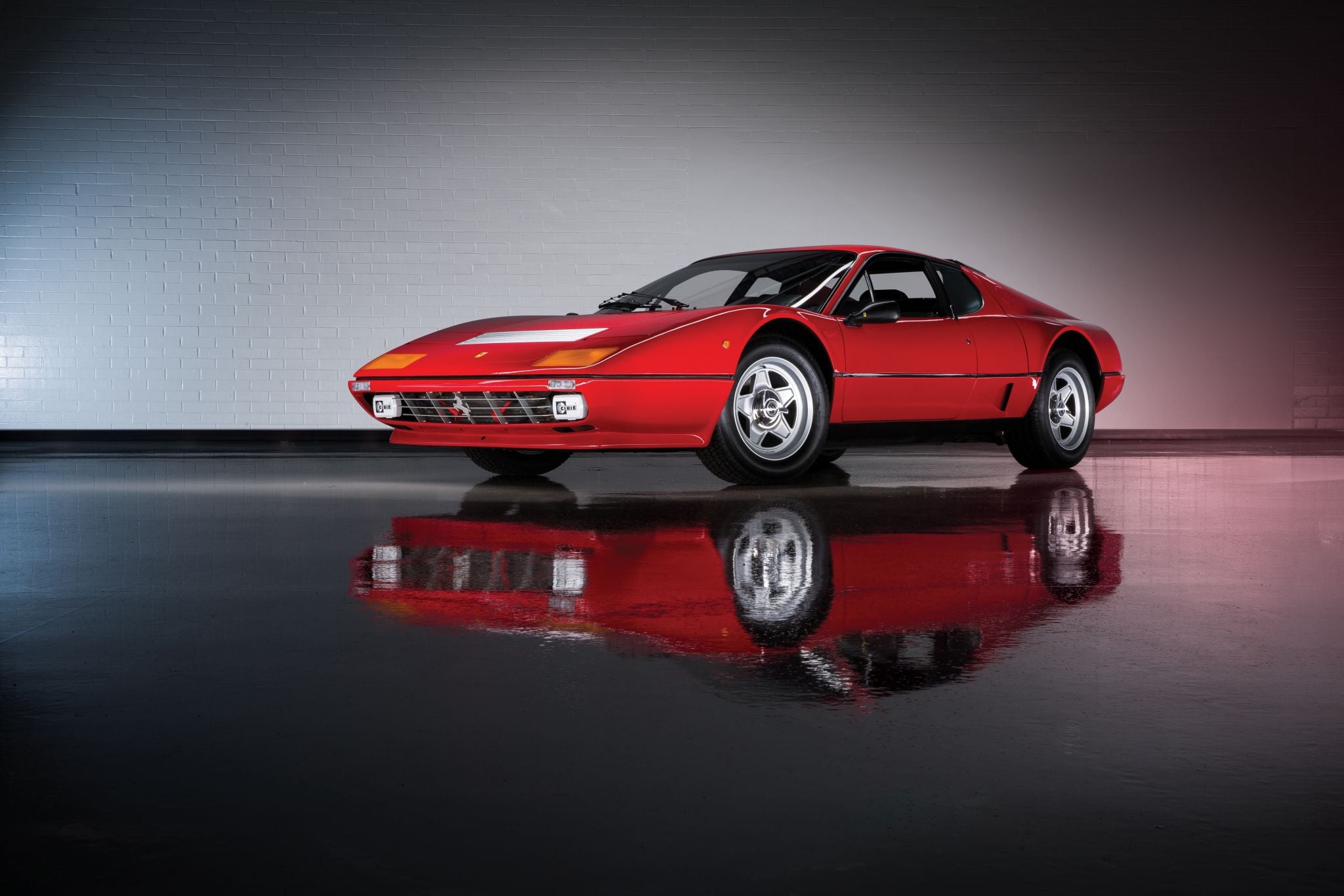
Originally launched as the 365 GT4 BB in 1973 and later evolved into the 512 BB in 1976, the machine boasted a 5.0-liter engine capable of taking the car to over 280 km/h. More than numbers, it represented a change of era: it was the first Ferrari street model to adopt the 12-cylinder mid-rear engine, abandoning the traditional front configuration.
Since 1947, Ferrari has always adopted numbers and letters to designate its models. The combination usually indicates the size of the engine (in liters), as well as the number of cylinders and the letters usually designate the car’s proposal or other technical references.
For example: the mythological 250 GTO has in the digits the displacement volume of each cylinder 0.25 liters that added together reach the 3.0 liters of its V12. The acronym GTO translates to Gran Turismo Omologato, as it is a GT made for competition homologation. Its successor, 288 GTO, had in the numbers the engine designation 28 (2,855 cm³) and 8 (the number of cylinders). The party maintained the same proposal.
Thus, people’s names are not common at Ferrari. The first model to receive a name was the Dino 206 GT, from 1966. The name is a tribute to Alfredo “Dino” Ferrari, the deceased son of Commander Enzo.
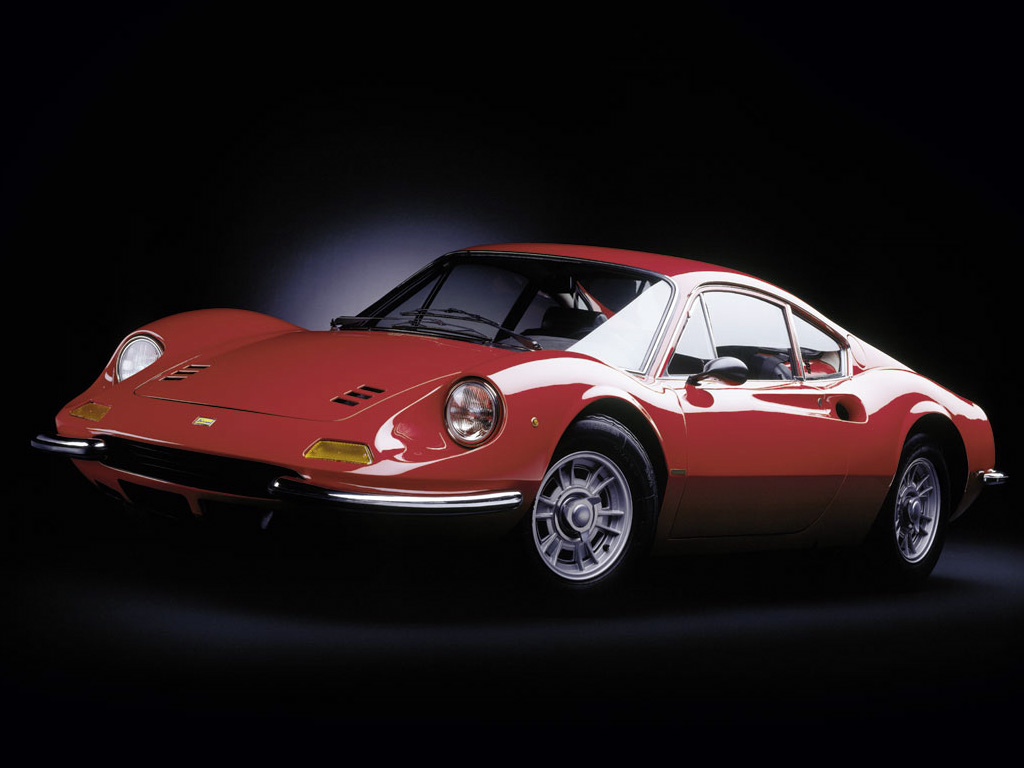
Although Dino is a reference to Ferrari’s V6 engine, which equipped single-seaters and prototypes, the nickname became known on the first rear mid-engine model for urban use. And even though it was rejected by purists, for having “less” cylinders, and even by Ferrari, which did not put its emblem on the car, this berlinetta was responsible for the lineage of V8 models with later engines that lasts until today.
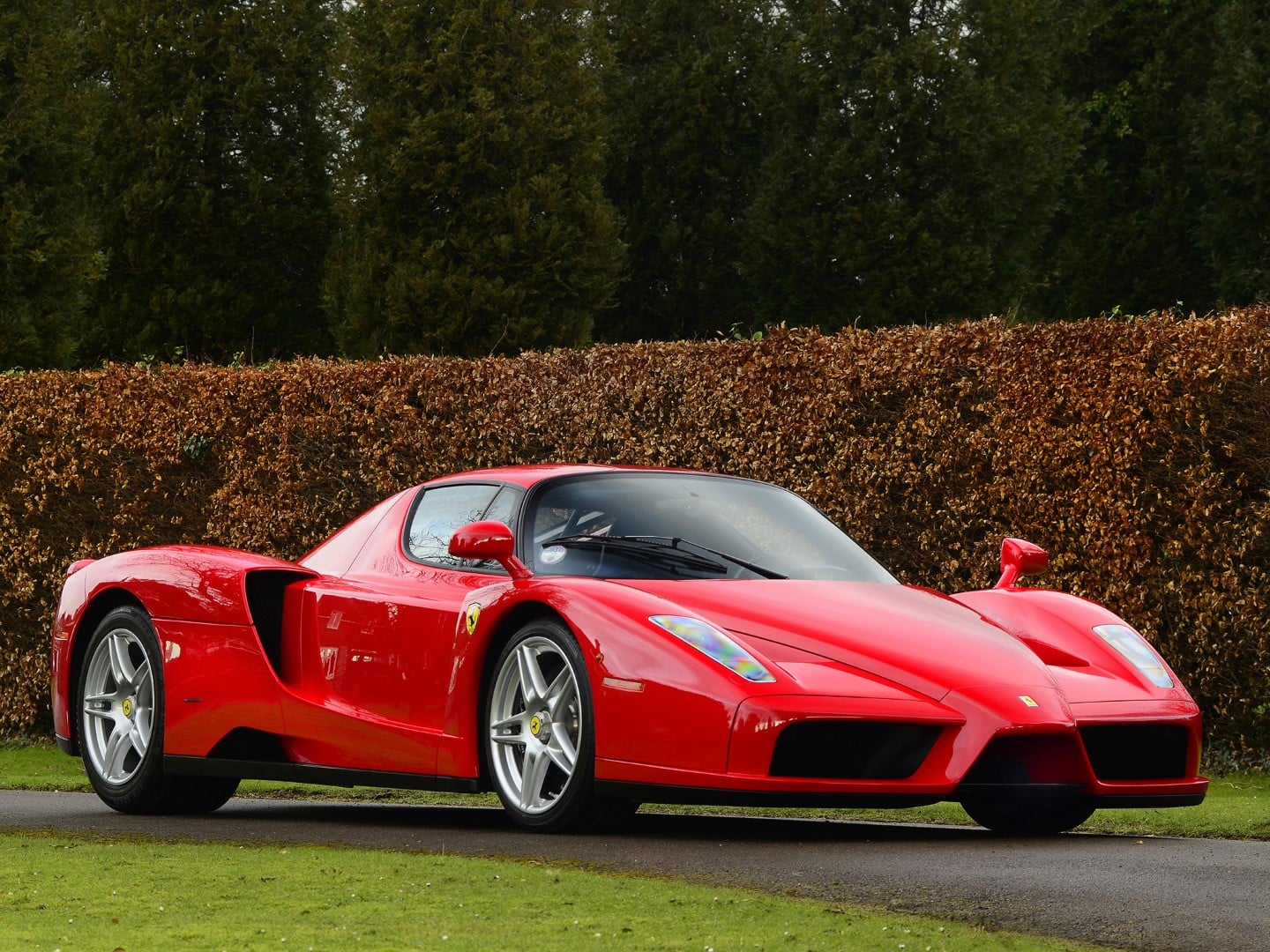
With the exception of the 512 BB, which secretly honored the French muse, Ferrari only adopted its own name again in 2002, with an honor to the brand’s founder. The Ferrari Enzo was the supercar that would replace the F50. It was basically a Formula 1 “dressed” as a passenger car. It brought engineering and aerodynamic solutions from the tracks to a road car, as well as a powerful 6.0 hp V12 with 660 hp.
Two years later, the brand renamed its cars with the 612 Scaglietti. The gran turismo 2+2 paid tribute to designer Sergio Scaglietti who gave life to models such as the 250 GTO itself. In 2015, the brand also paid tribute to the brilliant Sergio Pininfarina, with the Ferrari Sergio, with only six units produced.
In other words, not everyone has their name stamped on a Ferrari, but Brigitte did it.



