The segment has been growing by leaps and bounds since 2015, reaching a new record in 2025 with the capture of a large share of sales
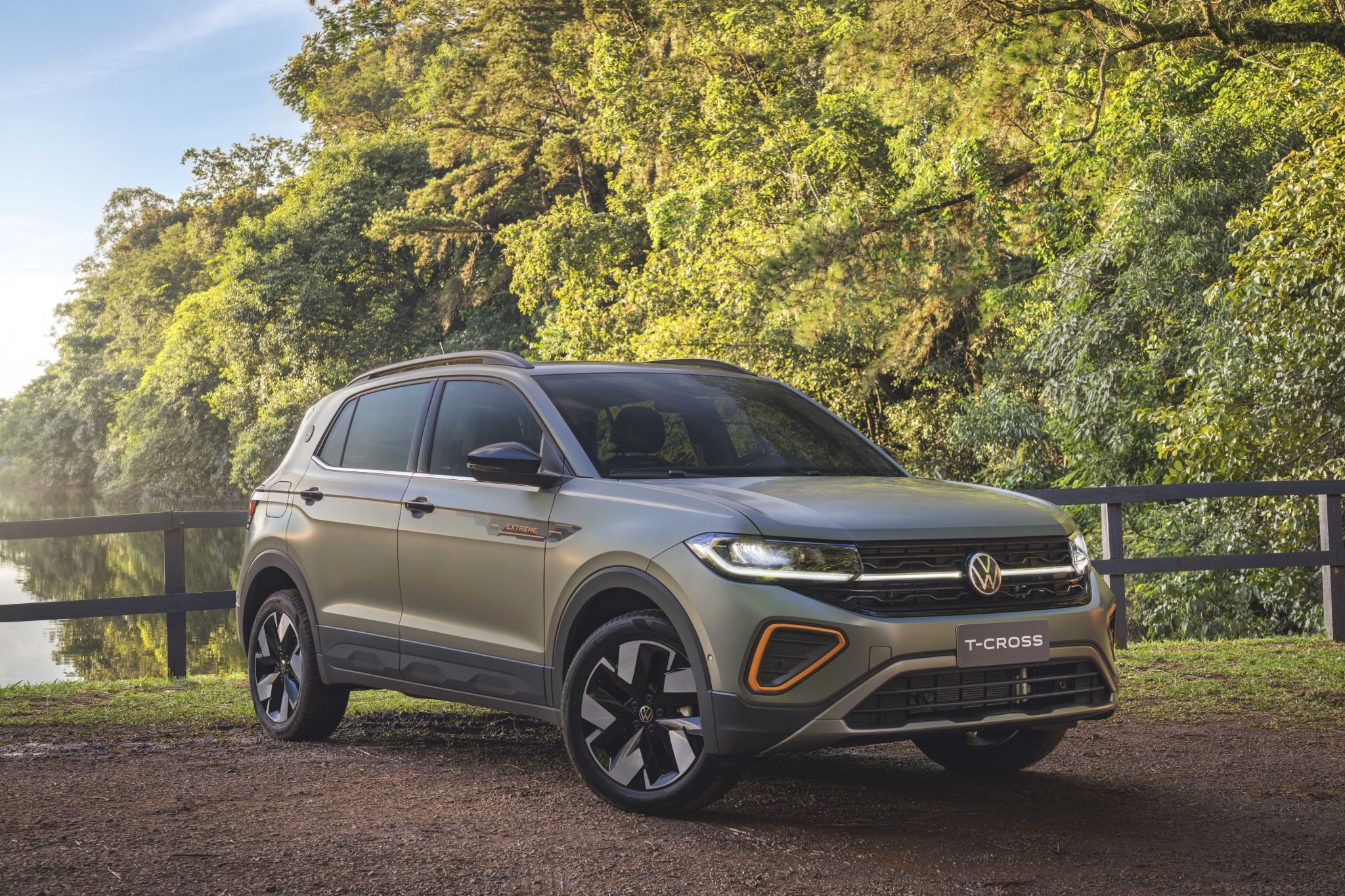
In 2020, there was a disruption in the Brazilian car market: SUVs became the best-selling type of car in the country, surpassing compact hatchbacks. This was a preview of what happened now in 2025, where they sold more than 1 million units for the first time in history, representing 54.89% of sales.
This movement to consolidate SUVs as the best-selling cars in Brazil began in 2015, when the Jeep Renegade, the Honda HR-V and the Peugeot 2008 were launched. They revolutionized this segment by making compacts more sophisticated and desirable, stealing sales from midsize sedans and reaping station wagons and minivans.
SEE ALSO:
Before 2015, the compact SUV segment only had the Ford EcoSport and the Renault Duster, which were more rustic models with an adventurous proposal. Above them were medium and large imported models.
The market share of SUVs in 2014 was 10.72%, while in 2015 it jumped to 14.82%. From then on, growth was accelerated, as the market received more cars in the segment. See the table below for the segment’s growth in 10 years:
| Year | SUV registrations | Market Share |
|---|---|---|
| 2015 | 306,146 | 14.82% |
| 2016 | 302,486 | 17.92% |
| 2017 | 414,547 | 22.34% |
| 2018 | 512,352 | 28.59% |
| 2019 | 600,140 | 26.59% |
| 2020 | 528,182 | 32.70% |
| 2021 | 668,345 | 42.90% |
| 2022 | 691,313 | 43.84% |
| 2023 | 782,349 | 45.46% |
| 2024 | 939,279 | 48.22% |
| 2025 | 1,095,642 | 54.89% |
The data we use in this article are provided by the National Federation of Motor Vehicle Distribution (Fenabrave), which considers only the registrations made. It puts all SUVs in the same category, without subdivisions as it does with hatches, sedans and minivans, but at least it doesn’t put models like the Renault Kwid and Citroën C3 in this category — despite being classified as utility vehicles by Inmetro.
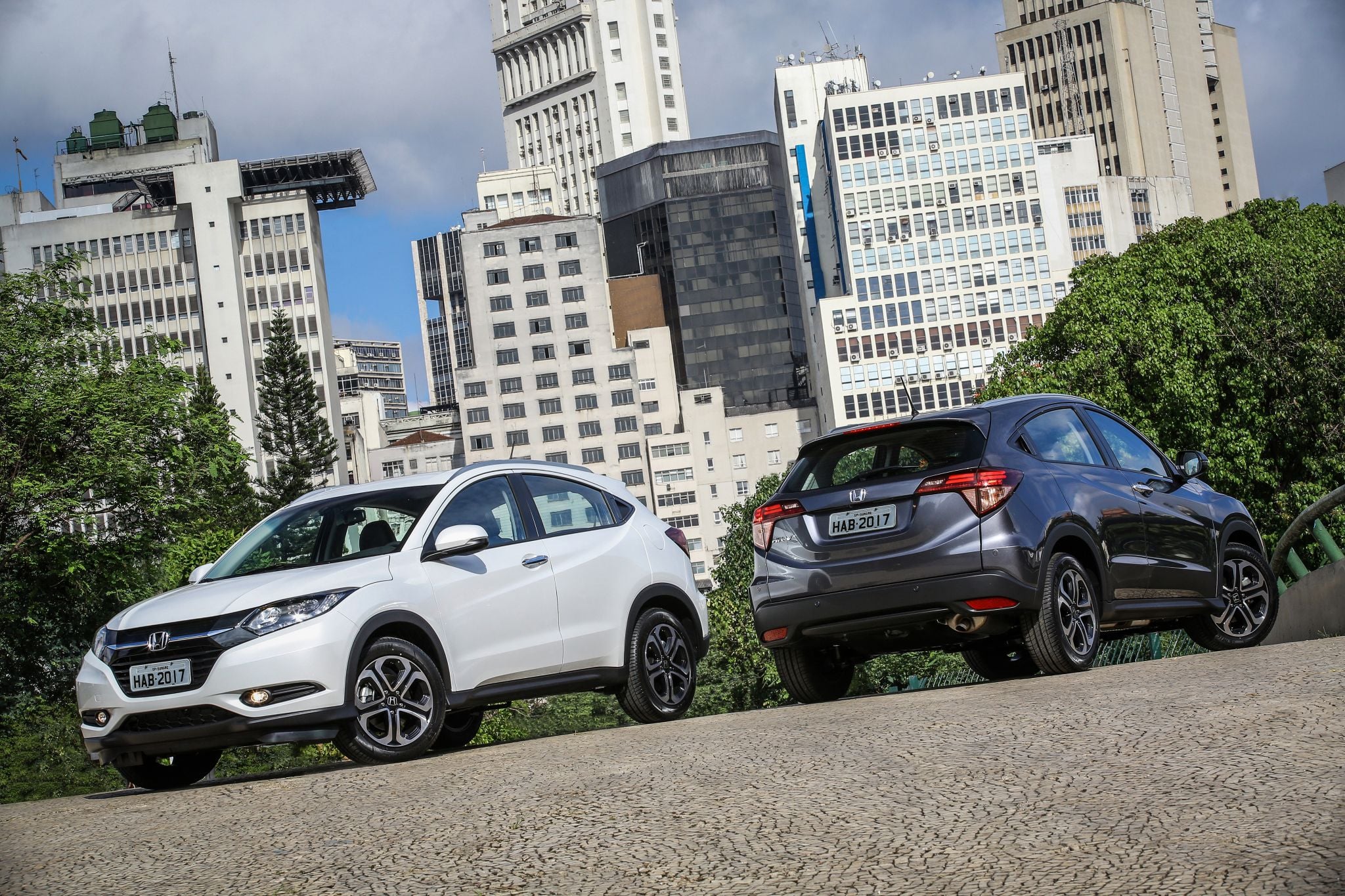
Models such as the Nissan Kicks, Renault Captur, Hyundai Creta, Chevrolet Tracker, Volkswagen T-Cross, Toyota Corolla Cross, Caoa Chery Tiggo 5X, GWM Haval H6 and Fiat Pulse helped consolidate the segment at the top of Fenabrave’s sales ranking.
Along with this movement to popularize SUVs, there was also a change in hatches. These more traditional models have become more focused on direct sales, with many losing more equipped versions.
Entry-level SUVs have taken the place of more equipped hatchbacks. Most of them use hatchback monocoque, with raised suspension and aesthetic changes at the ends to give it its own personality.
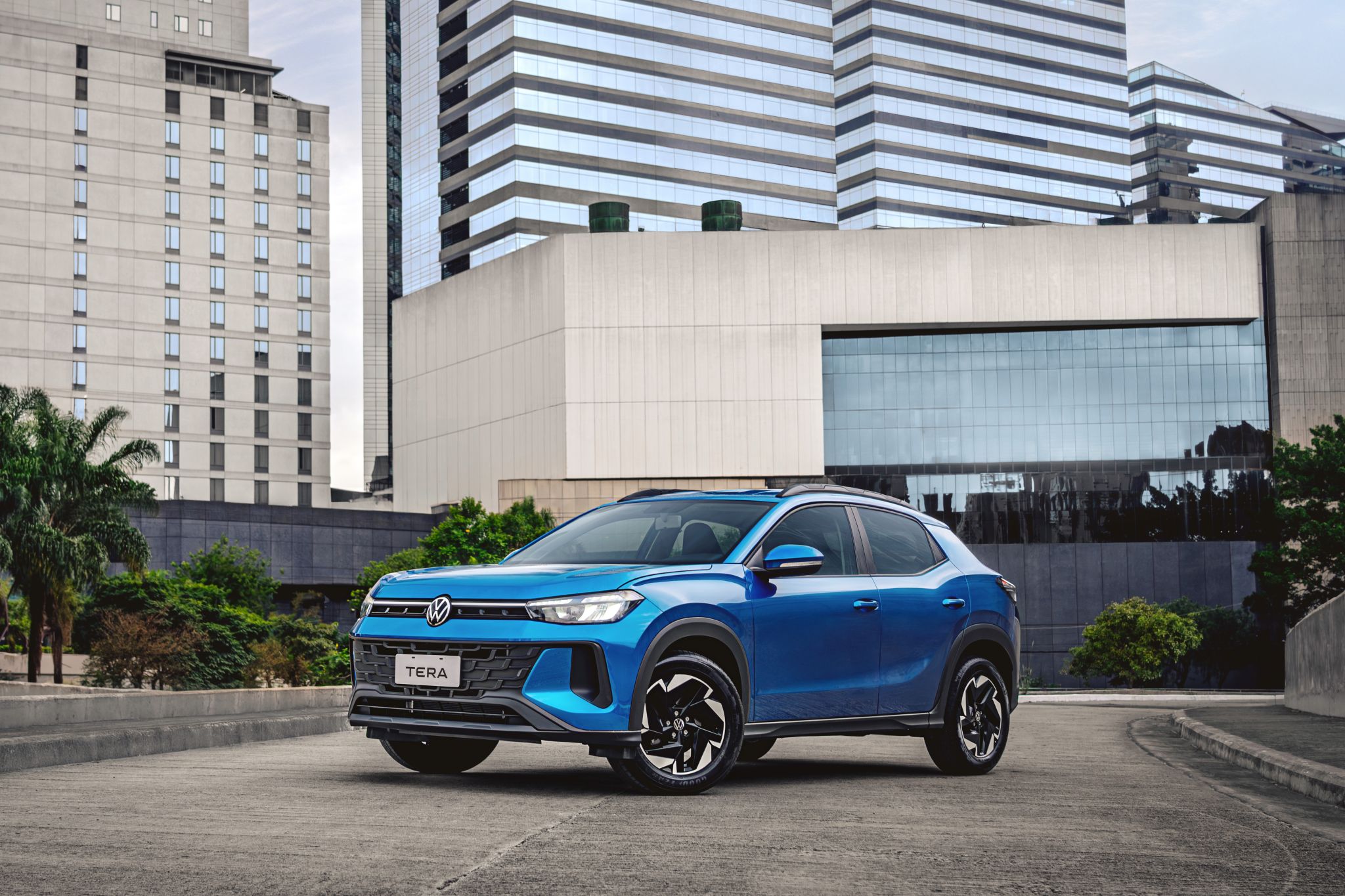
Within Volkswagen, for example, the Polo is sold only in Track, Sense and Highline versions, with the new Tera taking on the role of offering more equipped options. At Fiat, the Argo hatch lost the HGT and Precision models before the launch of the Pulse. Renault, on the other hand, retired the Sandero for good before launching the Kardian.
Compact sedans were less affected by the growth of SUVs, as they continue to have the large trunk as their main selling point. However, there are models with a large luggage compartment, such as the Citroën Basalt, the Fiat Fastback and the Renault Duster, which serve as more familiar alternatives.
The trend is for the segment to continue growing in 2026. We already have volume models confirmed, such as the Chevrolet Sonic and the Jeep Avenger, in addition to the consolidation of launches carried out in mid-2025, such as the VW Tera and the Renault Boreal.
The Chinese are betting heavily on SUVs as well: the Jetour brand will make its debut focused on this type of car, for example. At this rate, Brazil will become a utility country by the end of the decade.



