The German premium brand has a very strong reputation among car admirers for its luxury and performance, but it has some stains on its history
Mercedes-Benz celebrates this Thursday (19) 140 years: the story begins in 1886, when the German Karl Benz patented his tricycle and his countryman Gottlieb Daimler, a few months later, was already driving a four-wheeled car. And as the automaker’s symbol is a three-pointed star, let’s remember three controversies involving the German brand.
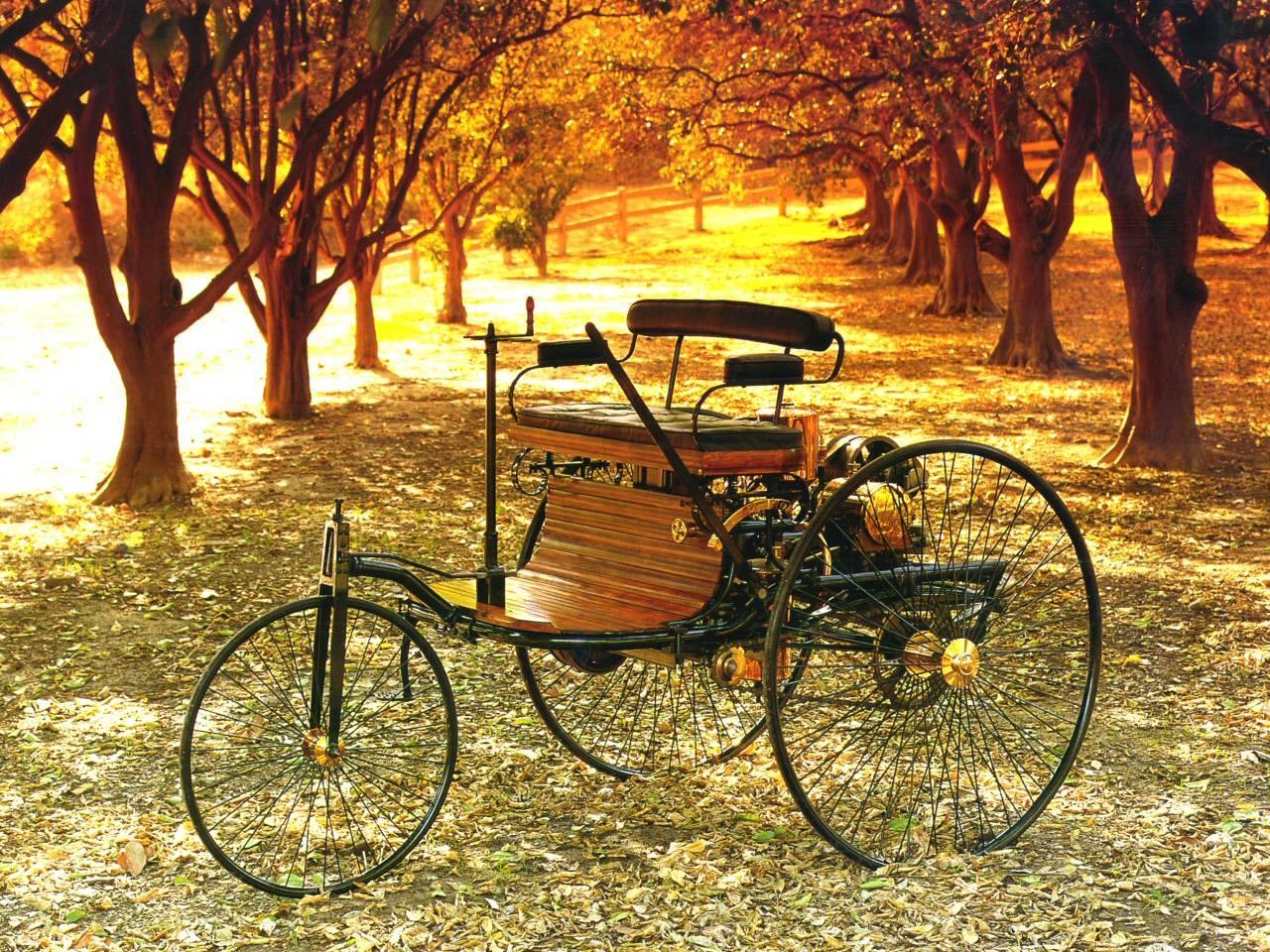
For Mercedes-Benz, its history is intertwined with that of the automobile itself: the creation of the automobile is generally attributed to the German Karl Benz, who registered the Patent Motorwagen tricycle in 1886. But before him, two other inventors had already developed motor vehicles powered by liquid fuel.
The first was Siegfried Marcus, a German engineer of Jewish origin, who built a cart for transporting materials in 1870. Between 1875 and 1888, he carried out another, more sophisticated project with seats. Then it was the turn of Frenchman Édouard Delamare-Deboutteville, who patented a four-wheeled model in 1884.
Why, then, did Karl Benz take the credits? The explanation goes through several issues. First, Siegfried Marcus did not patent his creations. In addition, the Nazi regime demanded that Germany’s encyclopedias erase his name as the inventor of the automobile. The country’s books, then, simply ignored the Jew and replaced him with the German.
Édouard Delamare-Deboutteville, on the other hand, built a single unit: he did not produce the vehicle on an industrial scale, nor did he market it.
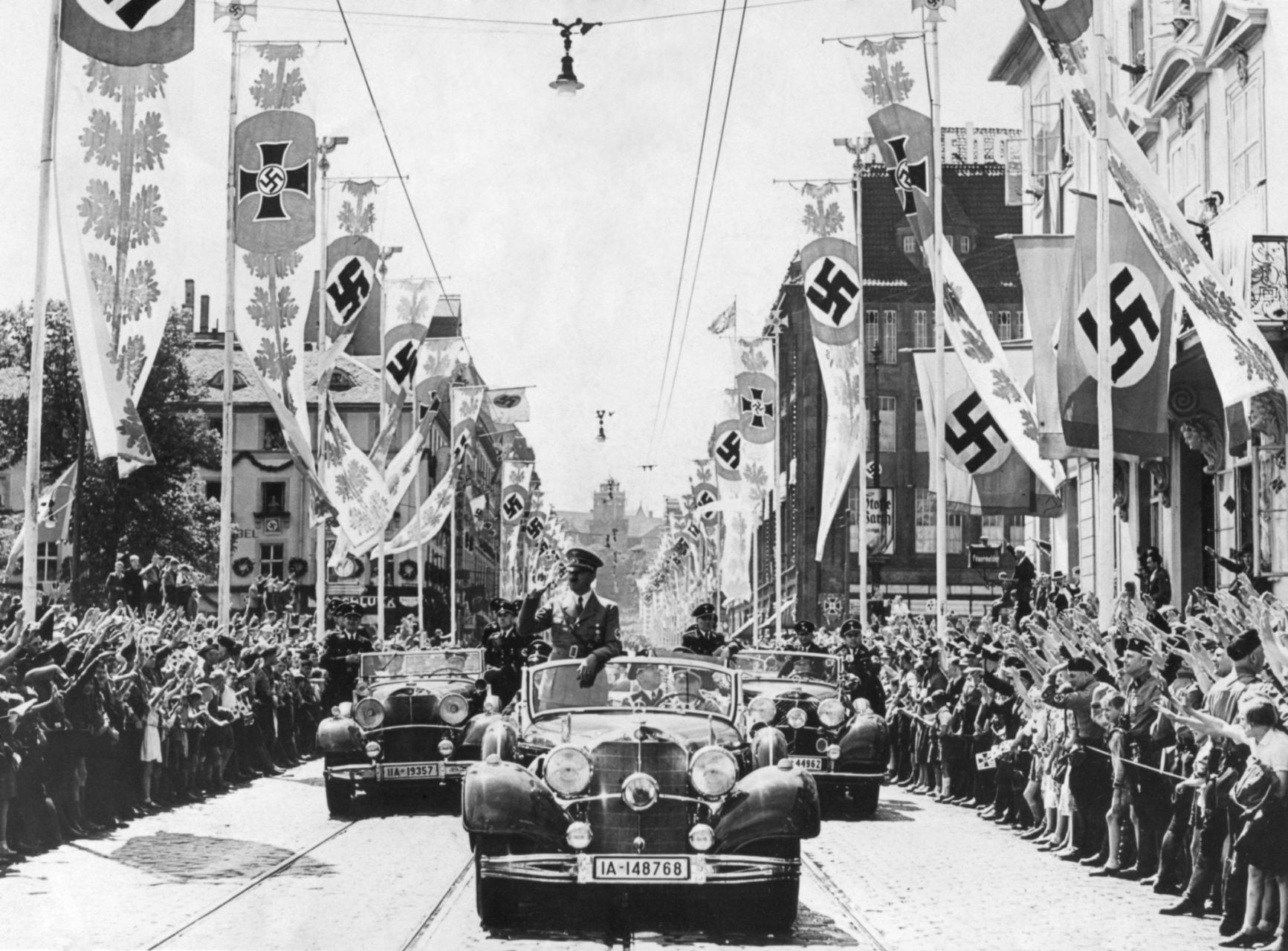

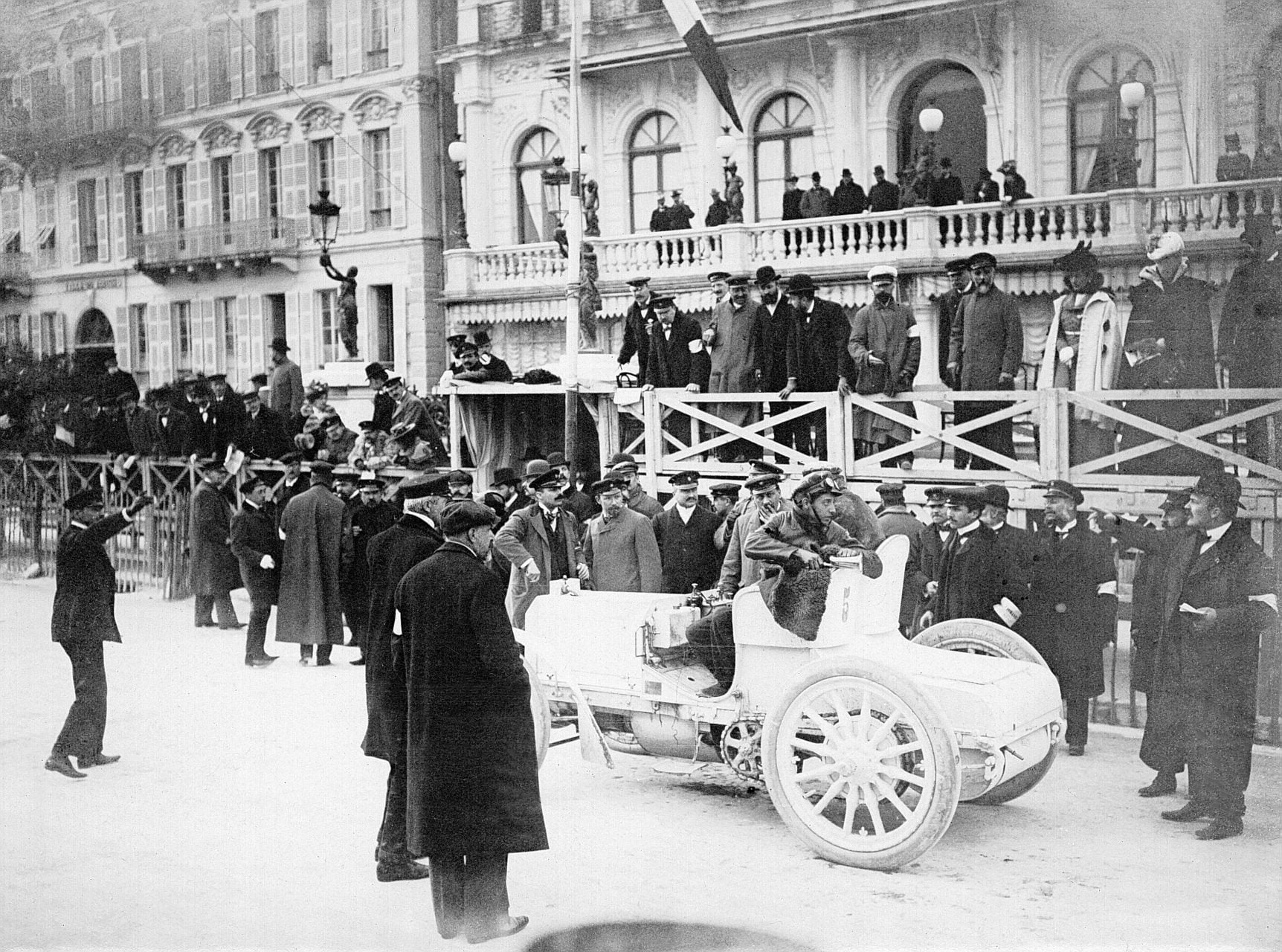
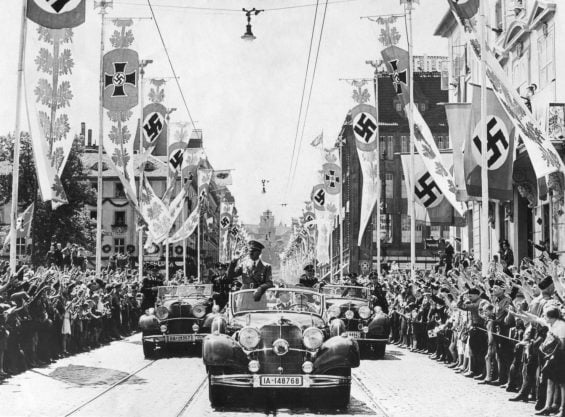
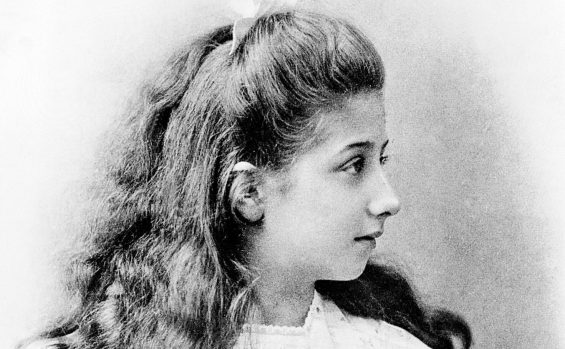
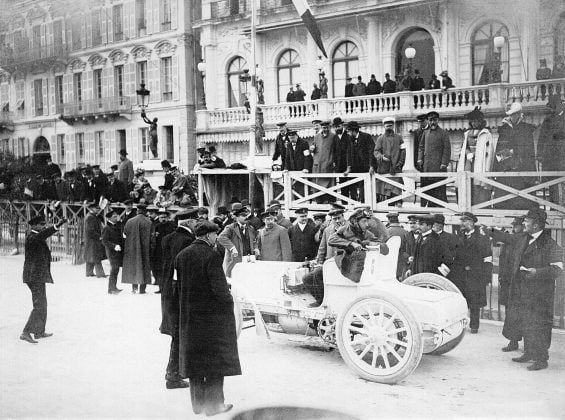
It is difficult to watch a documentary of the Second World War in Germany without Mercedes-Benz cars in the parades. The brand was the favorite of Hitler and his henchmen. The origin of the German brand’s name goes back to Mercedes Adrienne Ramona Manuela Jellinek, daughter of Austrian businessman and diplomat Emil Jellinek. He was a racing enthusiast and representative of the Daimler brand in Nice, France.
As the factory’s founder, Gottlieb Daimler, feared that any accidents in competition could tarnish his company’s reputation, he requested that the race cars be renamed. Jellinek then decided to honor his 11-year-old daughter, using her name to identify the vehicles on the tracks.
The success of the 35 HP model in competitions was so expressive that the name Mercedes became more popular than the manufacturer’s own. With high public demand, Daimler officially adopted the nomenclature for its commercial products and registered the name for commercial use in 1902.
Interestingly, although the brand was a favorite of the Nazi regime years later, the name originates from a family with Jewish roots: Mercedes’ grandfather was Rabbi Adolf Jellinek and her mother was a Sephardic Jew. In 1926, with the merger between Daimler and Benz, the cars were definitively called Mercedes-Benz.
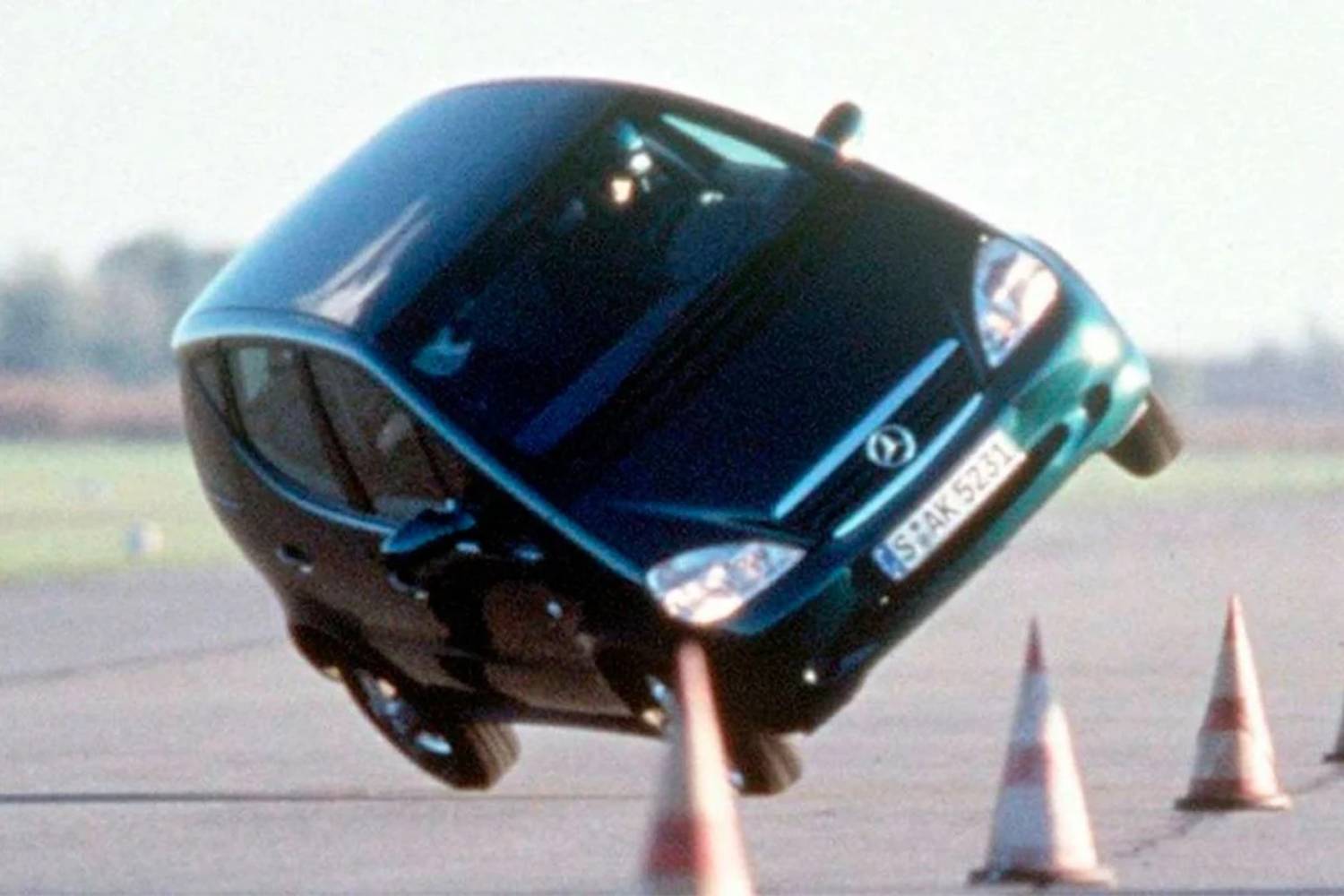
Anyone who lived through the 1990s may remember the stability problem involving the Mercedes A-Class. The compact caused a revolution in the manufacturer’s range, due to the unusual design. The raised body, a striking feature of the model, was due, among other reasons, to a programmed deformation structure under the floor. But, ironically, the height brought a security problem.
Still recently launched on the world market, the A-Class was embarrassed in the so-called “moose test”. The vehicle simply tipped over during the maneuver, which consists of a rapid deviation of trajectory. The terrible result in the test, carried out by the Swedish publication Teknikens Värld, went around the world.
Watch the video:
The manufacturer provided improvements, which included changes to the suspensions and wheels, in addition to the adoption of stability control as standard. This allowed the trajectory of the A-Class to continue to the present day, after the arrival of new generations. It is worth remembering that the Germans at Mercedes produced these cars in Juiz de Fora (MG) between 1999 and 2005, already with the necessary corrections.