Horizon model marks the bodybuilder's entry into the zero-emission segment and bets on a completely redesigned platform
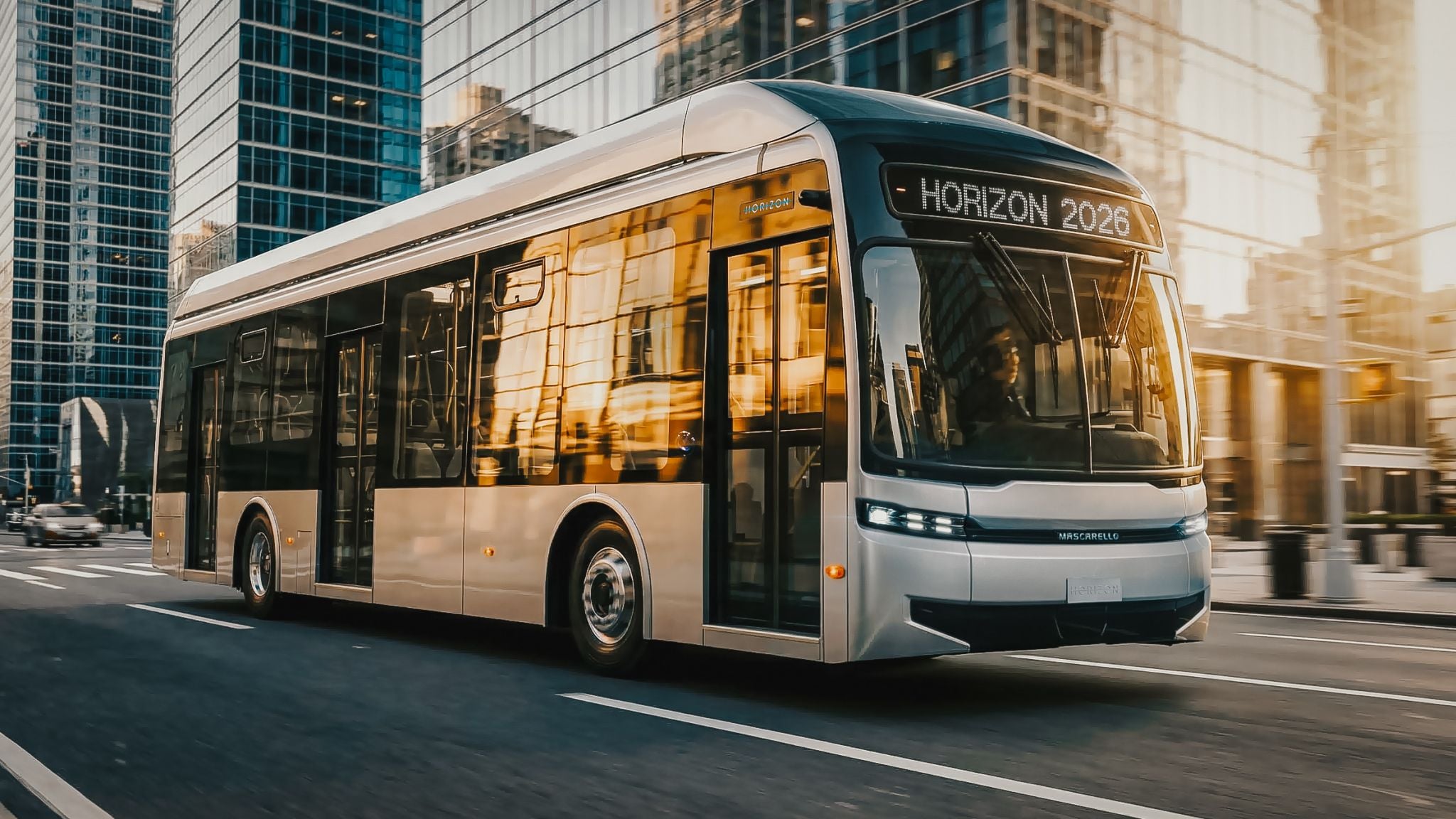
Mascarello began its operations in the urban electric bus segment with the launch of a model developed on BYD’s BC12 chassis. The Mascarello Horizon, launched this March 2026, marks the debut of the bodybuilder from Paraná in a market that is gaining space in Brazil in the face of stricter environmental and operational requirements.
SEE ALSO:
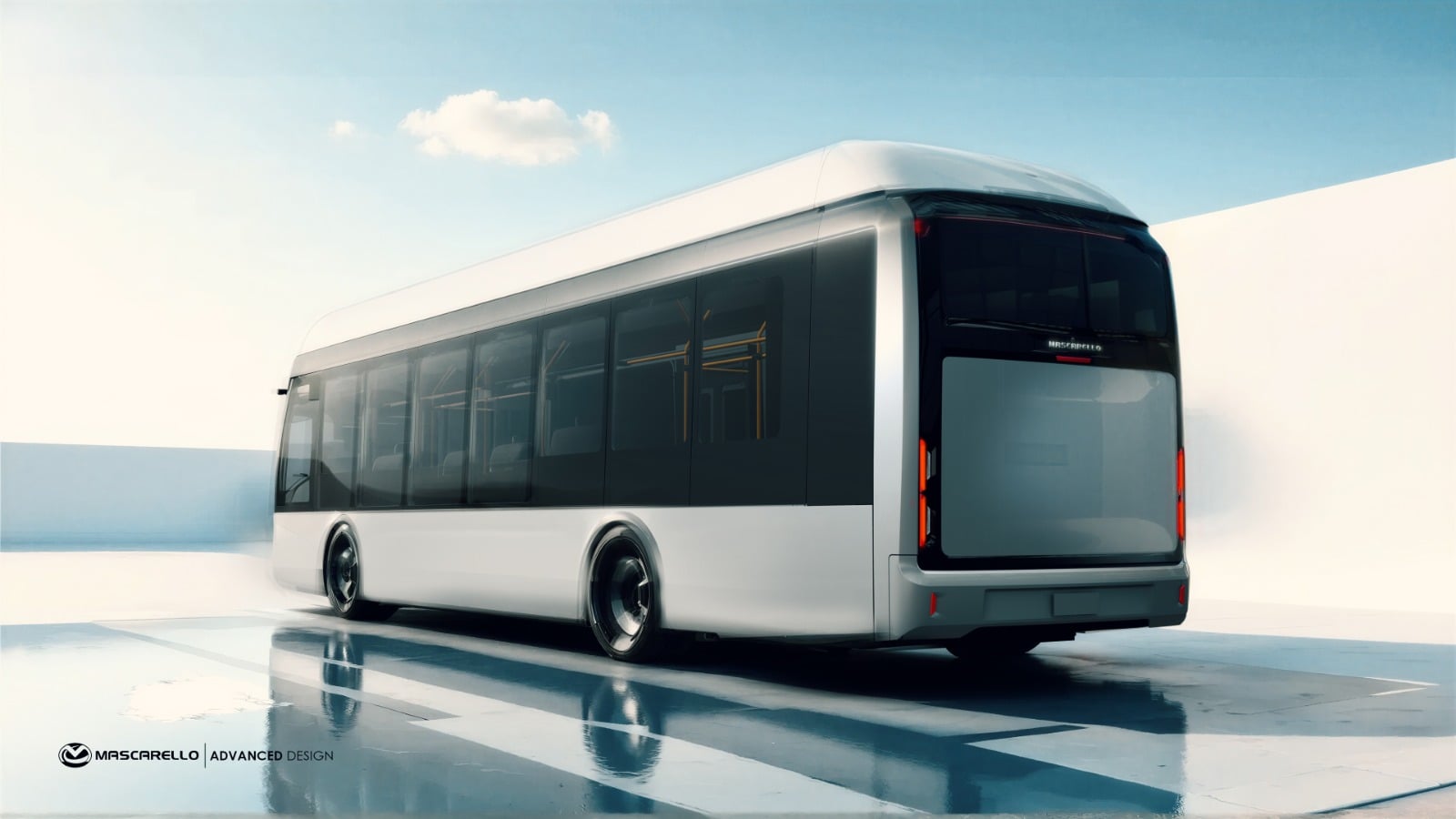
Based on BYD’s electric platform, the model uses lithium-iron-phosphate (LFP) batteries, known for their greater thermal stability and durability. The proposal also includes simplified maintenance and greater vehicle availability, points considered strategic by transport operators.
The new vehicle is designed for intensive urban operations, with a focus on energy efficiency, reduced emissions and lower operating costs.
In terms of key features, Mascarello’s BC12 chassis has:
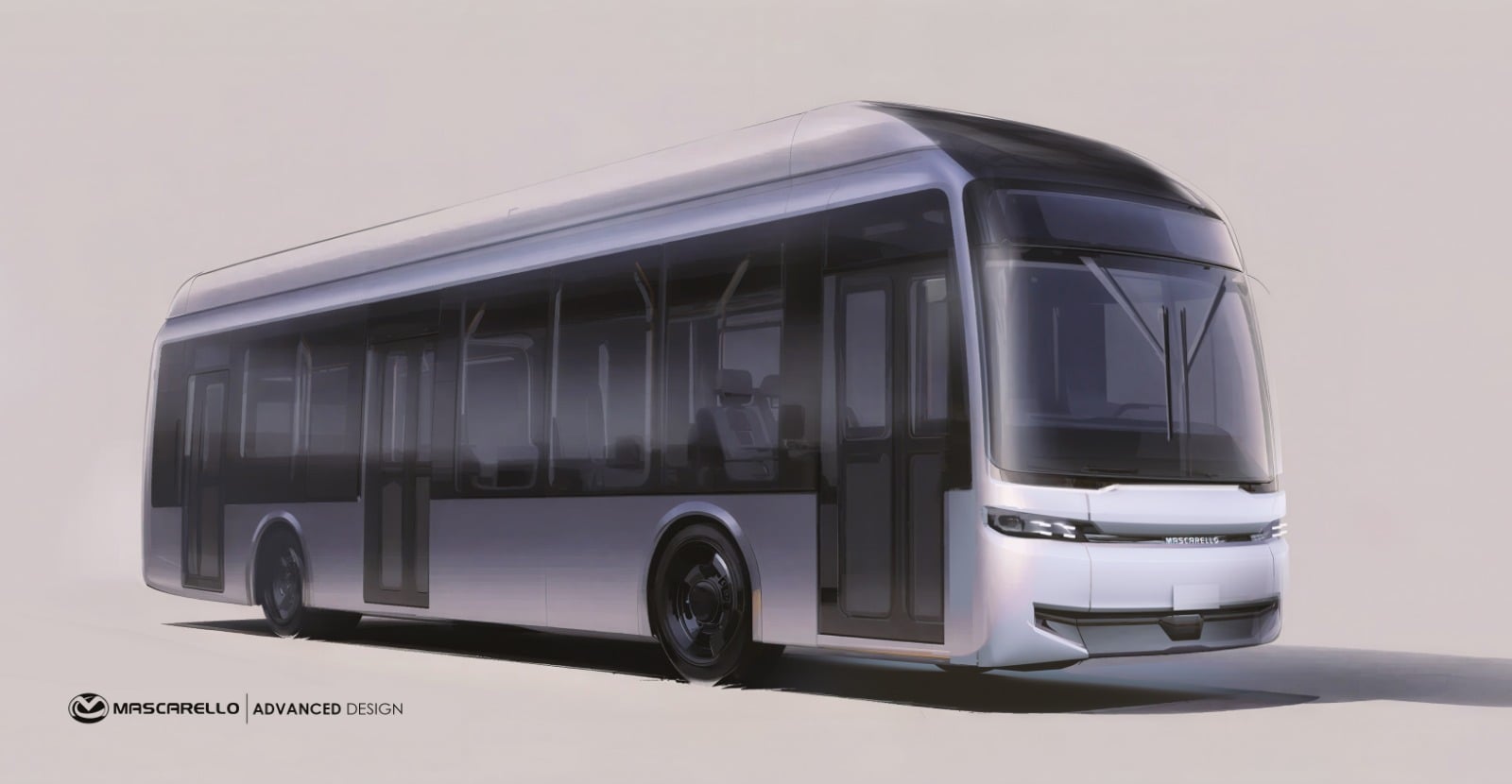
One of the highlights of the model is its aesthetics. According to the project’s designer, João Melo, the new Mascarello Horizon received a special treatment to meet the new electrified demand.
The development of the Horizon started from a different logic than the diesel models. Instead of adapting an existing product, the project was designed from the beginning to receive the electric assembly in an integrated way with the vehicle’s architecture.
The distribution of the components was studied to preserve the passenger lounge, avoiding interference in the internal layout and maintaining operational capacity. Batteries and auxiliary systems were positioned in strategic areas of the body, with a focus on weight balance, safety and ease of access,” said Melo.
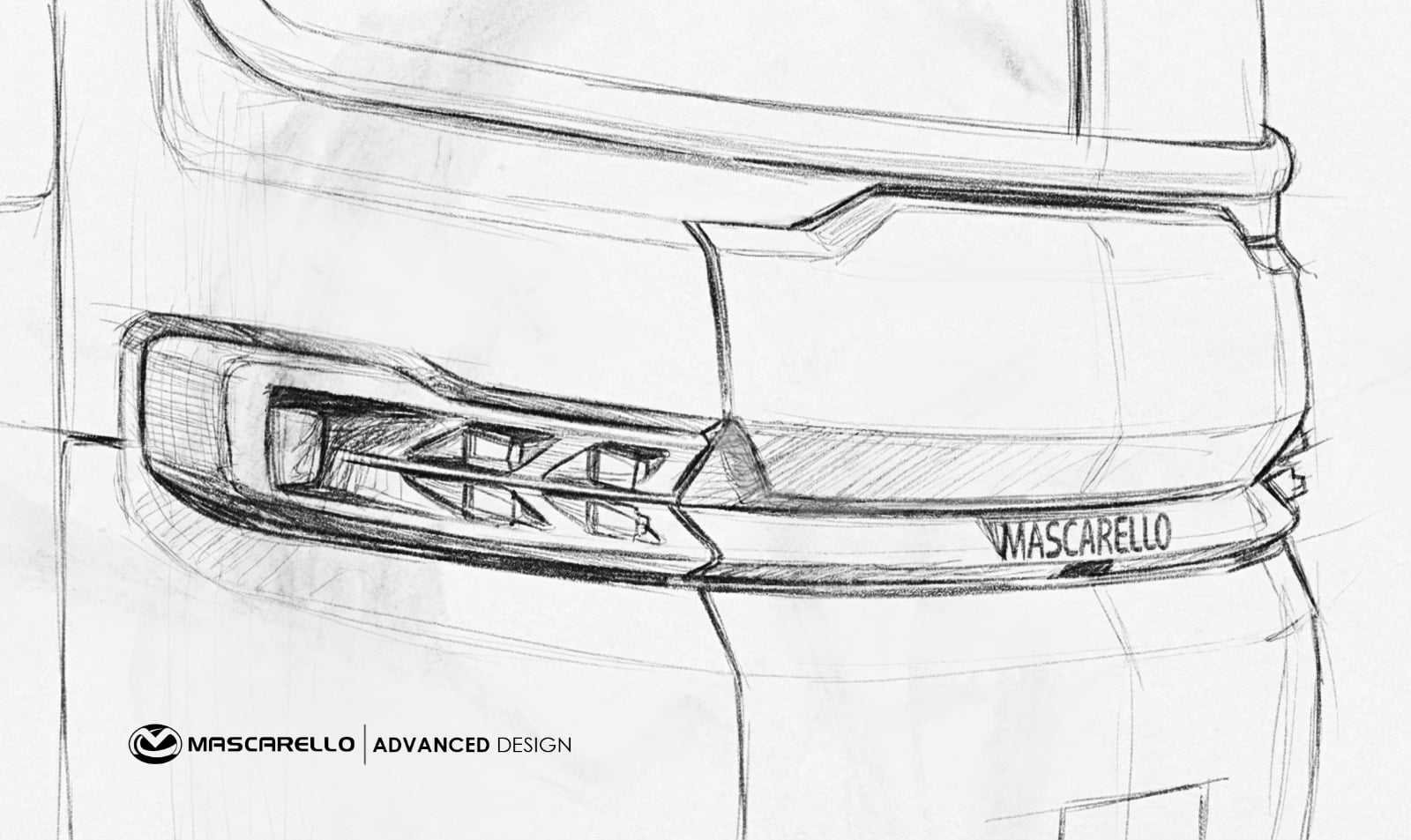
Also according to the industrial designer, the model was also designed to facilitate access to maintenance, which contributes to the operation of companies that use it in daily transport.
The design of the model also represents a change in the brand’s positioning, no longer being just aesthetic and becoming a strategic pillar.
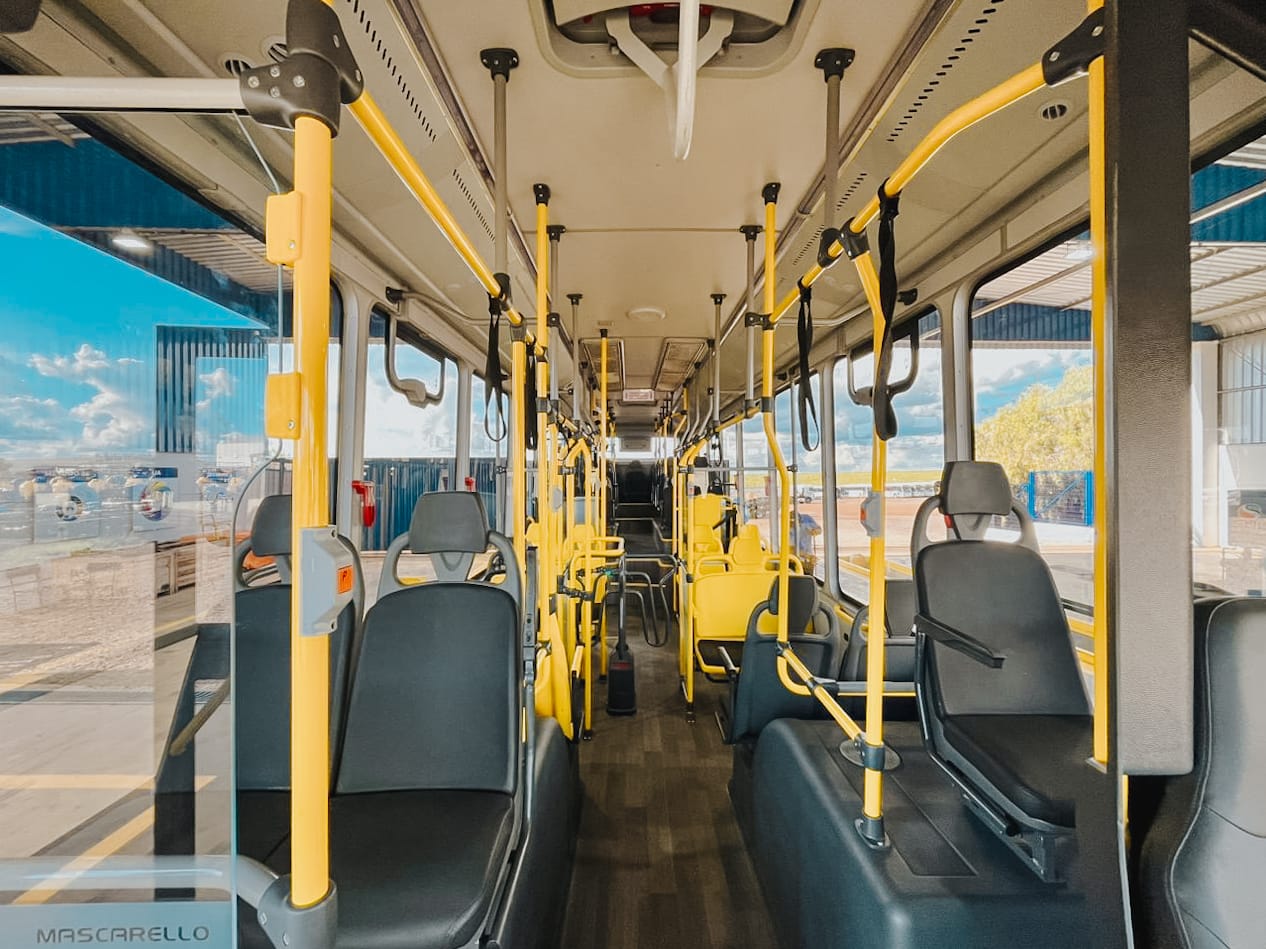
“Internally, the evolution goes beyond the visual and directly impacts the user experience. For the driver, there was specific care with ergonomics, driving position, visibility and organization of information on the panel, reducing cognitive effort during operation and contributing to safer and more efficient driving”, added the specialist.
Despite the advance, the manufacturer says that entering the electric segment brings challenges, such as the higher initial cost and the need for charging infrastructure, factors that still limit expansion in some cities.
In addition, the Horizon, at first, is focused on running in Greater São Paulo and has been approved for the SPTrans standard. The application in other locations and even in the BRT modal depends on adaptations that, according to the manufacturer’s engineering team, are perfectly possible.
Mascarello has not yet detailed the sales schedule, but says that the model will be presented to the market in the coming months. The expectation is that the first units will start operating in urban systems in the short term.



