Between the mechanical risk and the political cost, vehicle inspection in Brazil has been skating for 28 years on empty promises and the risk of abusive fees for the driver

Another bad joke with the Brazilian driver. Recently, new bills have been processed in Congress again with the aim of instituting mandatory vehicle inspection for vehicles over five years old. The absurdity begins with the fact that the Brazilian Traffic Code established this obligation almost three decades ago (1998). If the law exists and is vital, why did it never get off the ground?
The answer lies in a labyrinth of economic interests and, above all, in the fear of the political cost.
SEE ALSO:
The first major obstacle is purely commercial. It is easy to find entrepreneurs interested in setting up inspection centers in metropolises such as São Paulo or Rio de Janeiro, where the flow of vehicles guarantees profit. But who would be able to open such a structure in a small town in the countryside, with only 50 or 100 cars?
Without a queue to pay the fee, the business does not close, and the service simply does not reach deep Brazil. Concentrating the flow of some of the region’s roads in a single city would force the driver to travel dozens or hundreds of kilometers to attend the inspection.
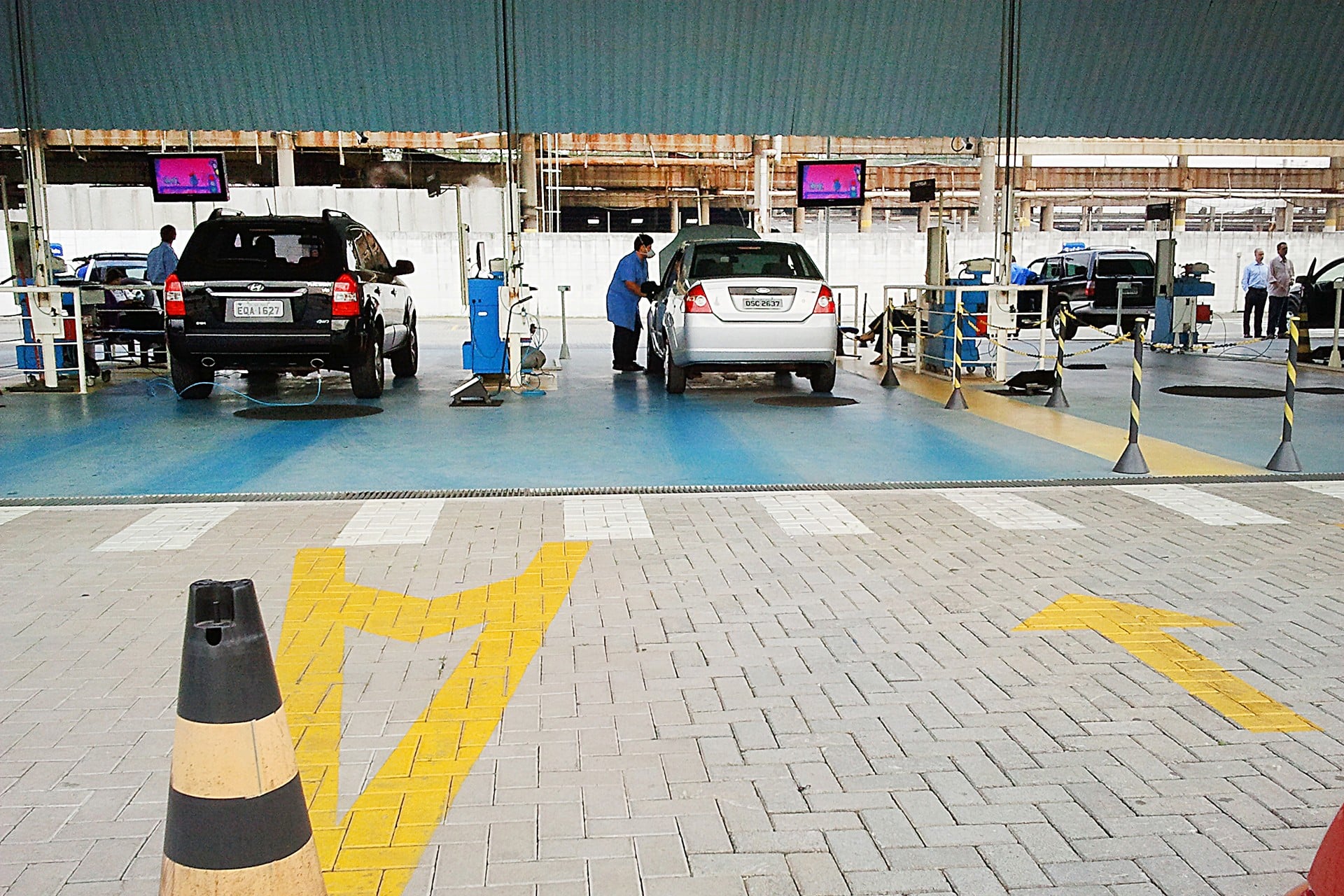
The second point is socially explosive. Imagine the impact of a rigorous inspection for the worker who relies on an old car to get to work. Often, the technical report requires repairs that cost R$ 12 thousand on a vehicle worth R$ 5,000. In practice, the inspection would force the immediate scrapping of millions of cars. One wonders: which politician would have the courage to sign a measure that would leave millions of Brazilians on foot, especially in election years?
There is also the technical issue of emissions, which borders on the ridiculous. Our gasoline already has 30% ethanol, but the official parameters of Inmetro are still based on a mixture of 22%. Added to this, we have the serious problem of adulterated fuels that infest the stations. How can you demand that the driver pass an emissions test if the state allows his tank to be filled at a station of dubious honesty?
For the government, it is convenient to create the rule, but the bill always falls into the citizen’s pocket. We have already paid the IPVA and, shamefully, we continue to pay licensing fees for a document that we printed ourselves at home. It is a bureaucratic “filth” that is difficult to swallow.
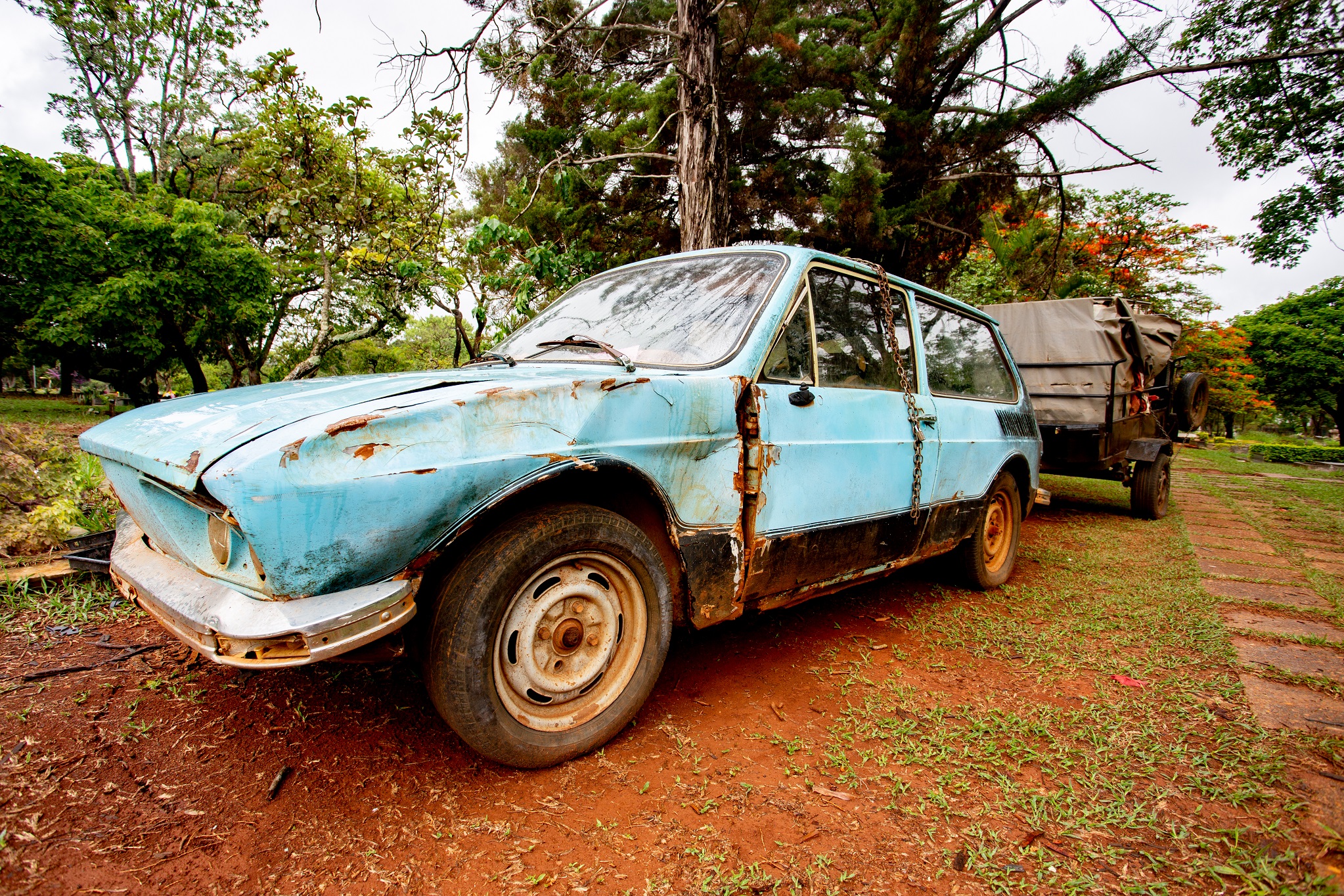
Make no mistake: vehicle inspection is urgent. It is necessary to take out of circulation the “BMVs” — the famous “Brasílias Meio Velhas” — which run in pieces, without brakes, without lighting and expelling dense smoke of polluting gases. Unmaintained cars don’t just pollute; but they threaten the integrity of others, break, stop traffic and kill.
Inspection is more than necessary, but not through empty bills and amendments that do not attack the root of the problem. We need a system that works, is fair and that does not serve as just another collection wheel. As long as we stay in the political theater, we will continue to be hostages of insecurity on the roads.
As the classic catchphrase of my namesake Boris Casoy would say: “this is a shame”.



