Land Rover wanted a vehicle with a higher load capacity, but ended up creating a weak, heavy and unreliable truck
Before we get into the mechanical “disaster”, it is worth a brief dive into history. The brand’s vehicles are icons, widely used by explorers in Africa, South America and Asia. Its origin, in fact, is military: during World War II (1939 to 1945), the British admired the versatility of the Jeep Willys and wanted something similar. Thus, in 1948, the Rover Company developed a model for agricultural and military applications that would change the world.
SEE ALSO:
The first models, known as Series, had protruding fenders and a sloping grille, a look that referred to the Czech Prague V3S. These characteristics lasted until 1983, when the legendary Defender appeared. But, in the middle of this path, the brand tried to take a step bigger than its leg.
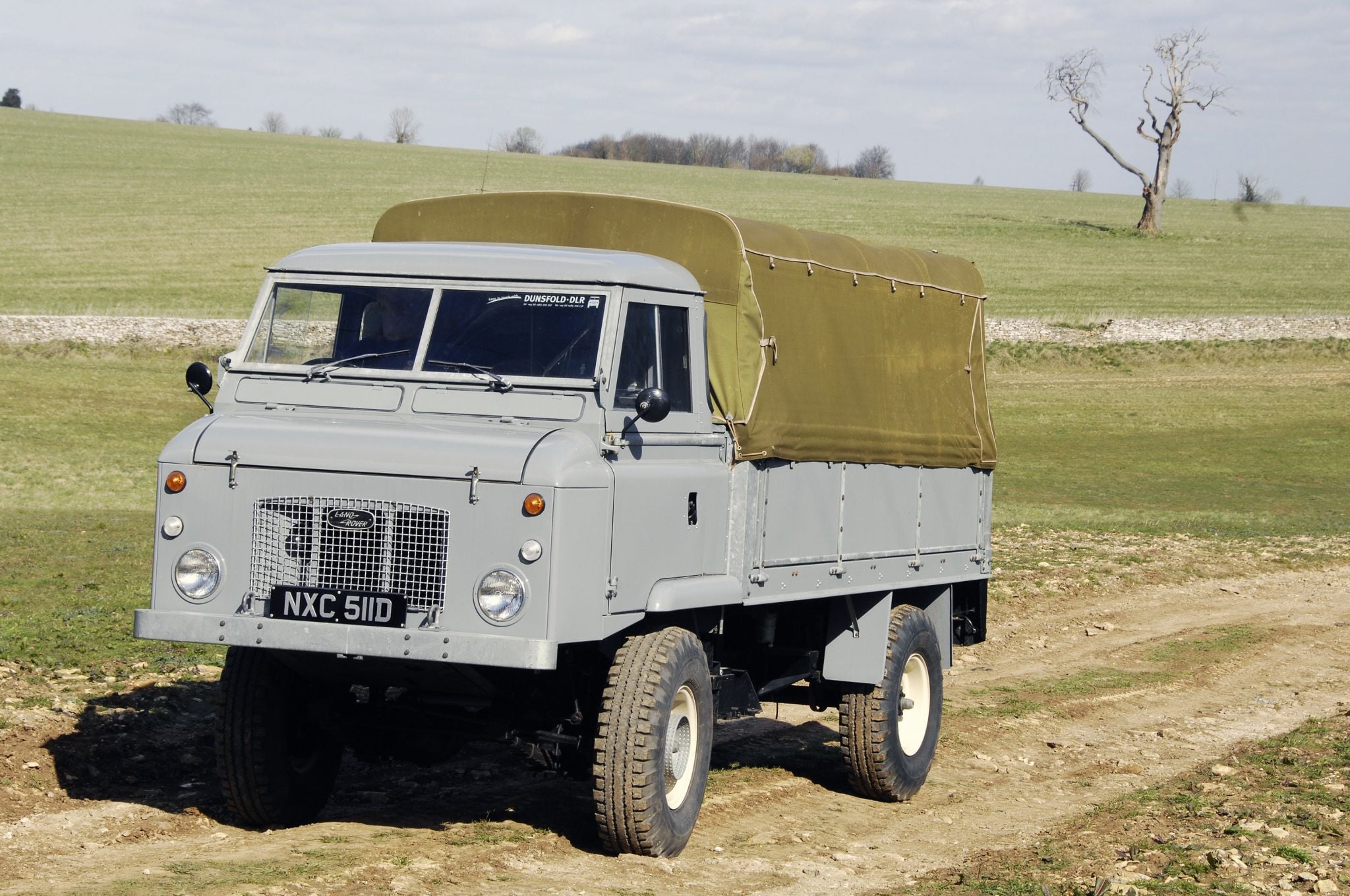
The Series II arrived with one of the important characteristics of a commercial vehicle, its high customization, in fact, Land Rover offered more than 100 variants, but still, it lacked a model to carry more cargo. To fill this gap, the brand launched the Series II A Forward Control.
The concept was simple: mount the cabin above the engine to maximize cargo space. The problem? The “cabin” was, in fact, a pile of parts from smaller Land Rovers, with a split windshield and adapted headlights.
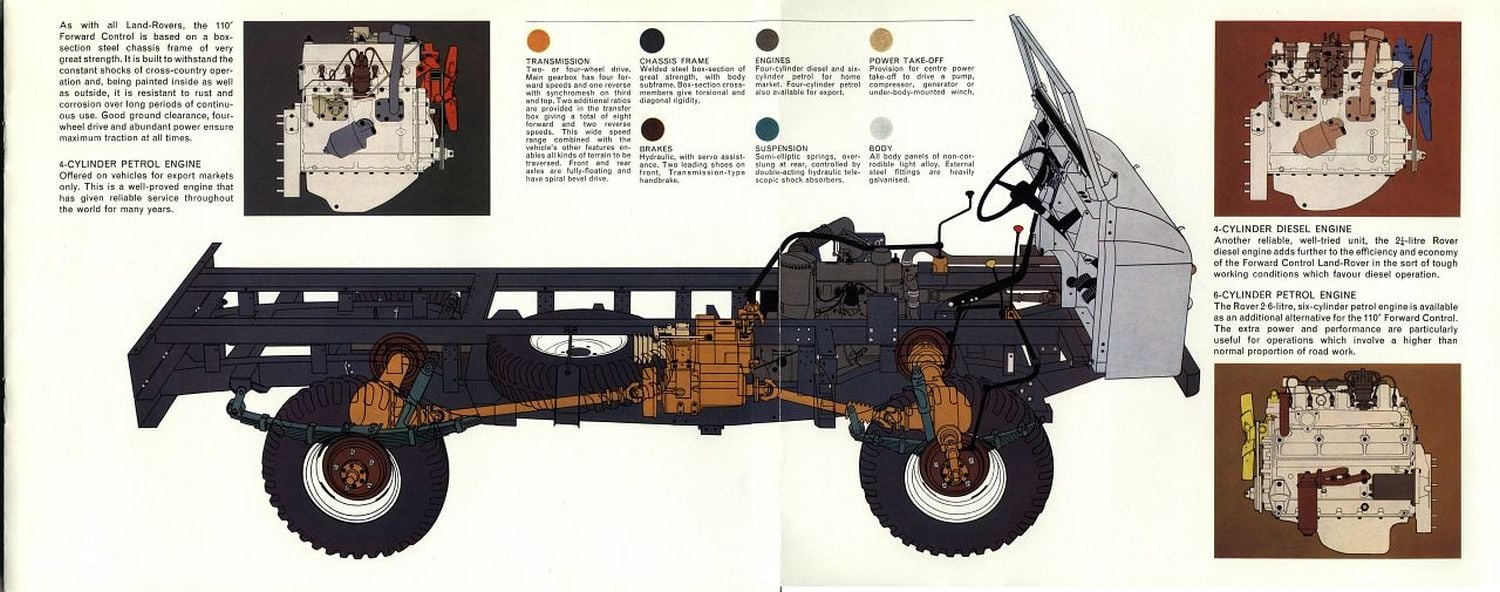
With a wheelbase of 109 inches (2.76 meters), the truck weighed almost two tons empty. This left the payload capacity at only 1.5 tons, a paltry value for the size of the vehicle.
The engine was the heart of the problem. The 2.2-liter gasoline version delivered a meager 77 hp. For export, there was a 2.6-liter 6-cylinder with 86 hp, but it was notorious for poor reliability and difficult maintenance. A diesel engine was even tested, but never saw the production line.
The verdict was unanimous: the truck was horrible. It had a turning radius of 14 meters (excessive for the size), inefficient drum brakes, and wheels that just couldn’t handle the heavy lifting. The result? Only 3,193 units produced in four years, which gives an average of 66 units produced per month.
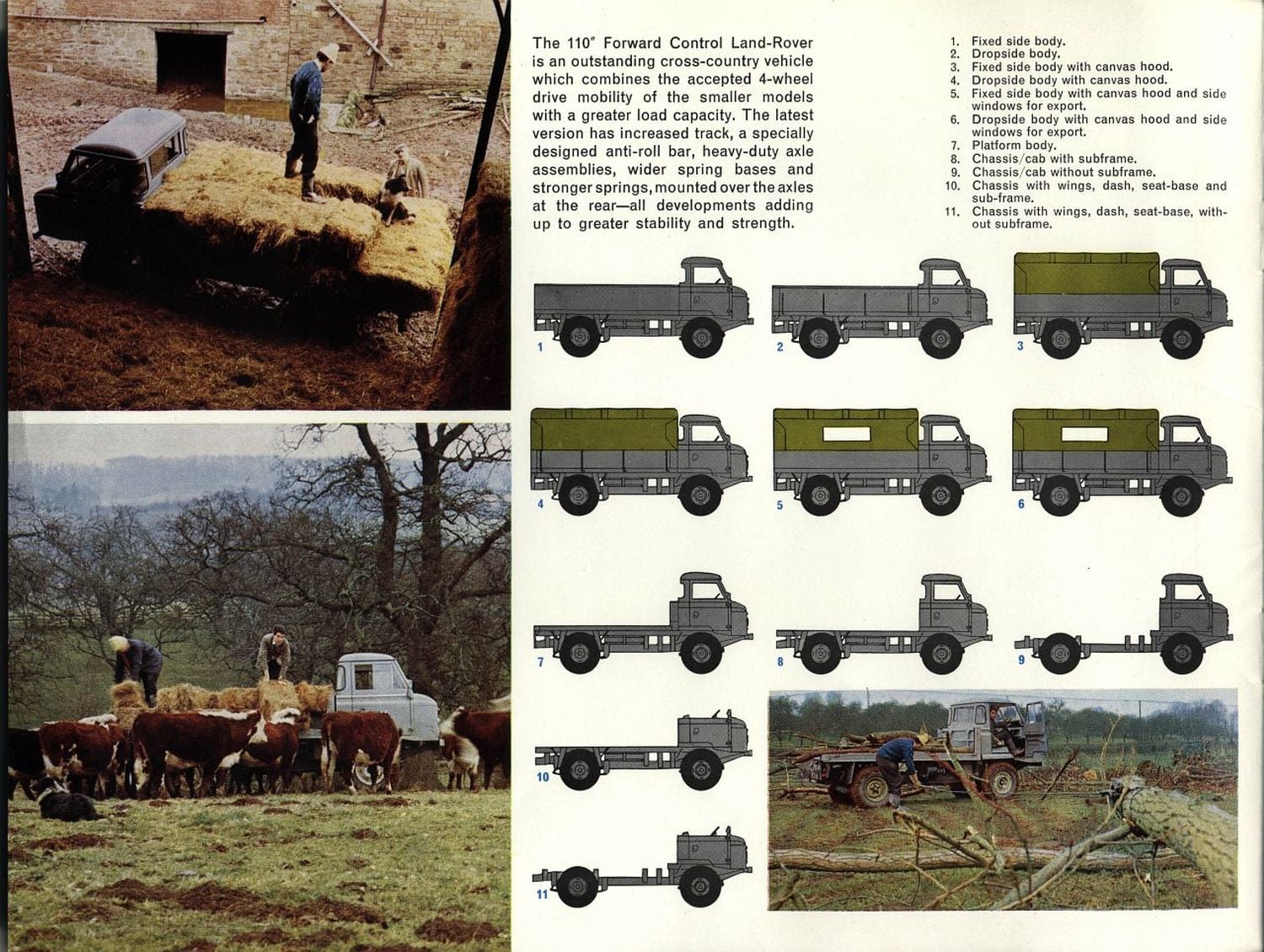
Trying to erase the failure, the brand launched the Series II B Forward Control. It featured beefier axles and modern anti-roll bars, but kept the same undersized engines. The public was not excited: the model stayed in line longer (1966 to 1972) and sold even less: only 2,305 units.
Interestingly, Land Rover proved that it knew how to do its homework when it wanted. During this time, he developed the 101 Forward Control exclusively for the British Army. This one was excellent: durable and reliable. It became so famous that it was used as the basis for the futuristic vehicles in the 1995 film Judge Dredd.
But instead of civilizing the project that worked, Land Rover tried another card in 1985.
The last attempt came in 1985 with the Land Rover Llama. It used 85% of the parts of the Defender 110, but with a reinforced chassis and fiberglass tilting cab (which resembled our Agrale trucks).
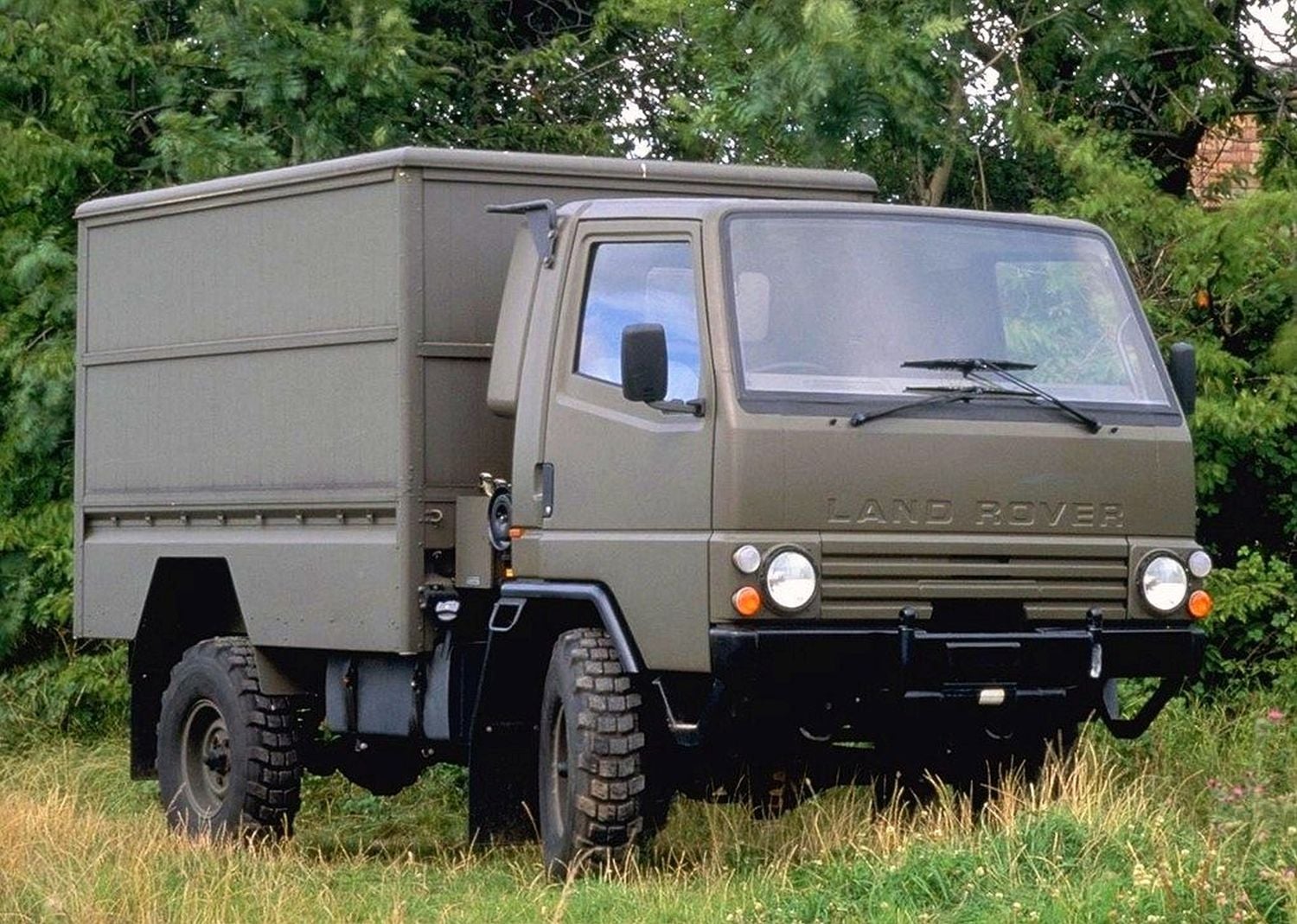
On paper, it looked good: Rover’s 3.5 V8 engine and five-speed gearbox. In practice, it was another disaster. The center of gravity was very high, making off-road use dangerous, and the suspension was poorly adjusted. The British Ministry of Defense hated the prototypes and preferred to buy trucks from Dodge/Chrysler.
I mean, almost that, it already wanted the Dodge 50, which were modified by Reynolds-Boughton Engineering, and were renamed BR 44, but not even these models pleased the Army, in the end, the old Army Defenders underwent overhaul and modernization to continue in service.
In 1988, Land Rover finally threw in the towel. The Llama project was shelved, and the brand gave up trying to be what it wasn’t. In the end, Land Rover had two grotesque mistakes, a military-only hit, and a valuable lesson: better stay in the jeeps.



