Check out the correct decisions to maintain your safety and avoid losses, as well as essential care in emergency situations
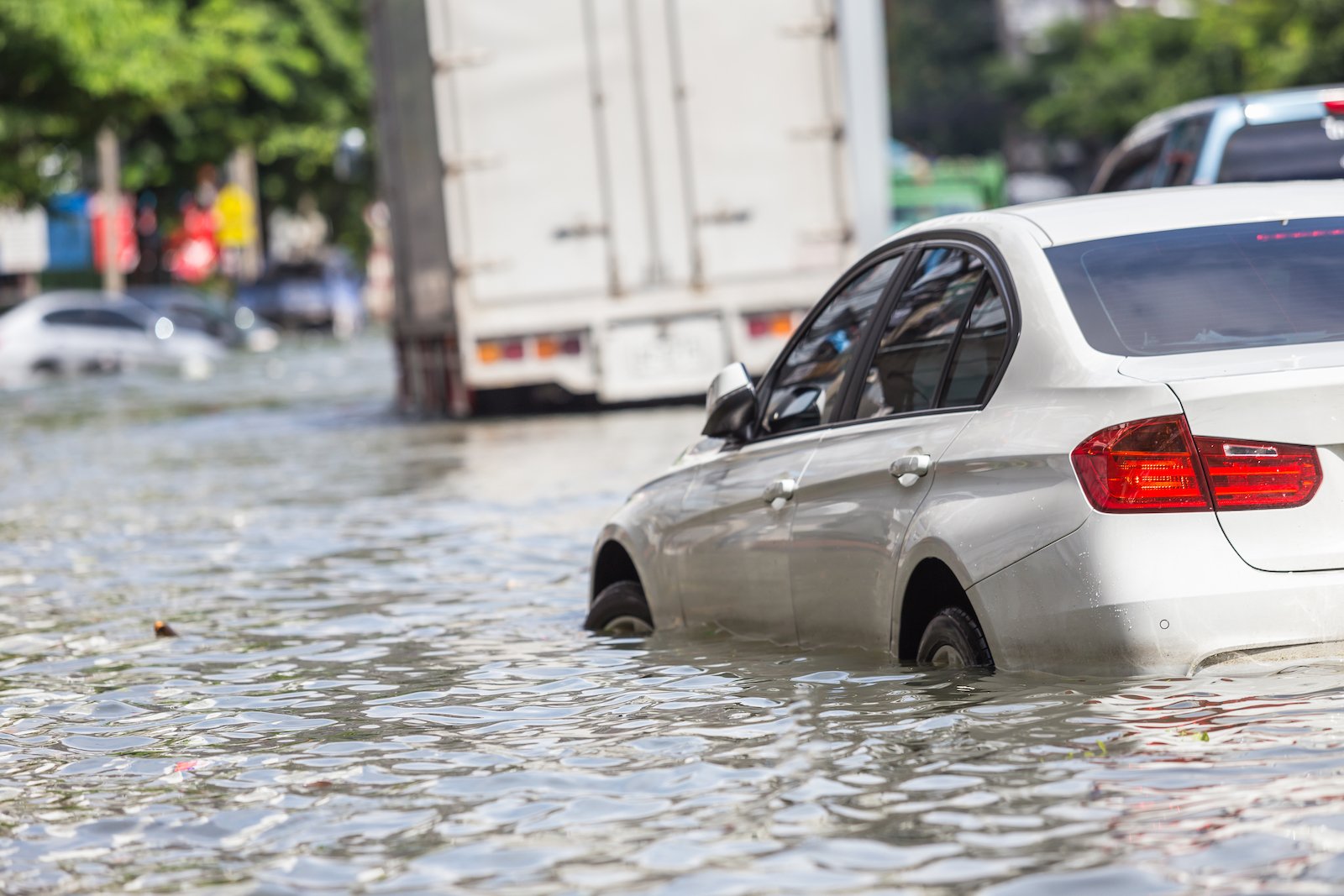
Summer arrived and with it also came large volumes of rain that affected several parts of the country with floods and floods. This has sparked an alert for several drivers, as the combination of car and heavy rain can be very dangerous, resulting in dragged and submerged vehicles or even fatalities.
Therefore, it is necessary to know how to act correctly in each situation and what are the main precautions for the car in case of a large volume of rain. In this article, you can check out what to do in each scenario and eight essential tips to face these risky situations while maintaining your safety and, if possible, avoiding material damage.
SEE ALSO:
In rainy periods, it is necessary to pay attention to the steering wheel and program your route before leaving home or work. With rain, traffic is congested due to the worse driving conditions, so the risk of getting stuck in traffic and being caught by a flood is huge.
Therefore, follow the following procedures:
When the driver finds himself under a heavy rain, with a flood or flood situation, panic seems inevitable. In most cases, drivers try to protect the vehicle, but this can put lives at risk.
First of all, the focus should be on maintaining your safety and not taking risks by prioritizing material goods.
When driving in a storm, take the following precautions:
If you are surprised by a flooded stretch, on a street or avenue, the first step is to observe. Pay attention to the water level and other cars that tried to cross or that are stopped in the flooding.
If the depth is more than half the wheel of your vehicle, don’t even try to pass. Choose to stay on the higher parts of the road and wait for the flooding to subside.
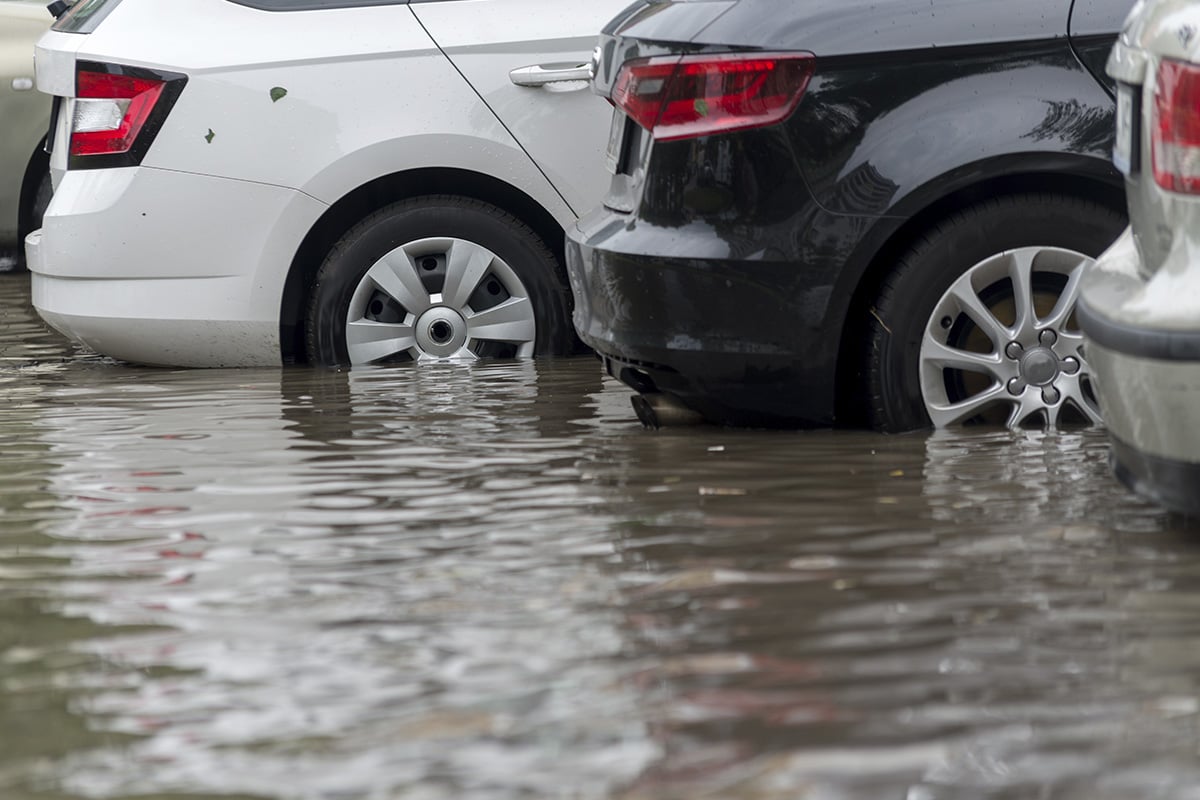
Also, don’t risk it if the volume of water is like a flowing river, as cars can be swept away. Redouble your attention in places that you are not used to passing, with canals or ditches, as the vehicle can be “sucked” into a river that is “hidden” by the waters.
But, if the level is below the middle of the wheel, it is possible to pass through the stretch. Be sure to follow these eight tips:
Don’t mind if there are people honking behind you, before facing the flooded section, pay attention to where the highest part of the road is, which is usually the center of the street and the path you should choose. Once again, it is worth checking the water level on the wheels of the cars that tried to cross to avoid the ‘deeper’ sections.
Keep the gear strong and go slowly: engage the first or second gears, as the rev will be high and the engine will deliver more torque, which will ensure wheel traction.
Keep accelerating steadily, this is essential as it prevents the engine from going out and water entering through the exhaust. Keep your foot on the accelerator, preferably with the tachometer pointer between 2,800 and 3,000 rpm. In automatic cars, use reduced gear “L” or hold the lowest possible gear in sequential gears.
Avoid changing gears during the crossing and do not turn the steering wheel unnecessarily. It is not advisable, yet, to perform sudden acceleration or braking, this can create ripples in the flooded part and this “wave” can hit other vehicles or hit a wall, come back and take your car.
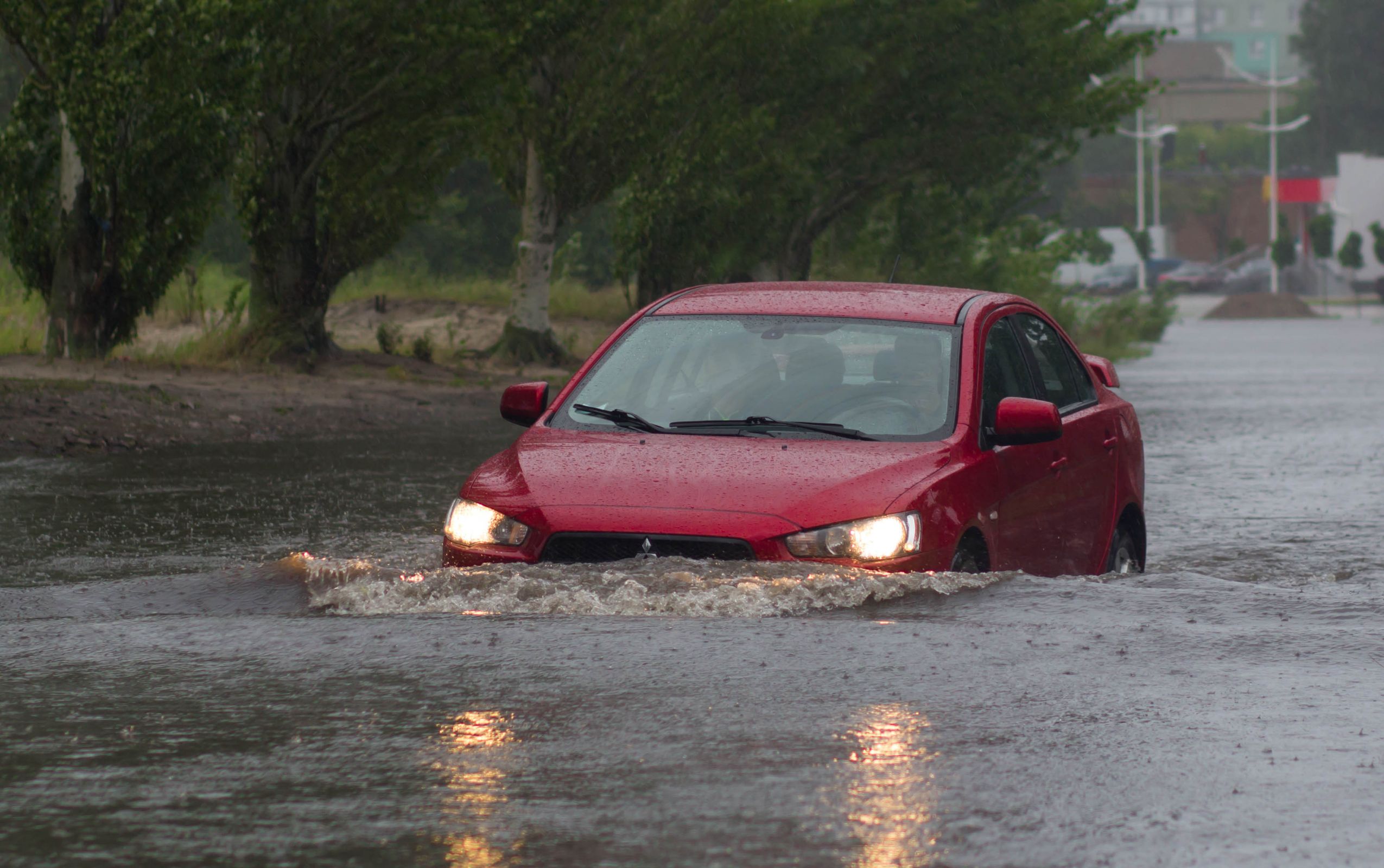
Following another car that is cutting a path ahead can cause you to face the flooded stretch with a lower water level. However, this can also present risks, because if it stops in the middle of flooding, you will have to brake. With that, all that water he opened can turn that ‘wave’ mentioned earlier and hit your car.
Other points of attention should be trucks and buses. If any of these vehicles cross the flood next to your car, there is a great risk that the wave they will form in the flood will catch your vehicle and even displace the car. Therefore, if possible, keep your distance from these vehicles.
If the car died in the middle of the flood, do not try to get the engine to start again, as water most likely entered the combustion chamber. Insistence on starting the car can cause hydraulic chocking, which happens when water blocks the movement of the piston inside the cylinder and breaks not only the piston, but also the connecting rod and other engine components.
Even if the water has receded and it seems that everything is fine with the car, do not give in to the impulse to turn the key. With the start, the water that entered will cause one of the most serious damages that can occur to your car and it will be necessary to do an engine rectification, which can cost from R$ 5 thousand to R$ 20 thousand, depending on the model.
The correct procedure is to call the necessary assistance when you are safe.
After overcoming the flood, you can even celebrate, but don’t get out of the car to contemplate the river that was left behind. Continue driving the car, without strong acceleration and with light steps on the brake to “dry” the pads.
If you are in a flooded stretch and the water level rises immediately and reaches the line where the vehicle door begins, the Fire Department advises you to abandon the car and seek shelter in a safe place.
With a depth of 50 cm, the car can start to float and be carried away by the current. With a level of 1 meter (waist level of an adult), the water will drag even large vehicles such as pickup trucks. So, take advantage of the moment when the level still allows you to walk safely and seek refuge.
There is also the risk that the driver will be surprised by a large volume of water that does not allow time to escape. With water near the windows, do not open the doors, as many people end up being carried away by the water when the level is too high, causing drowning. Close the windows and stay in the car, as the seal creates a watertight box.
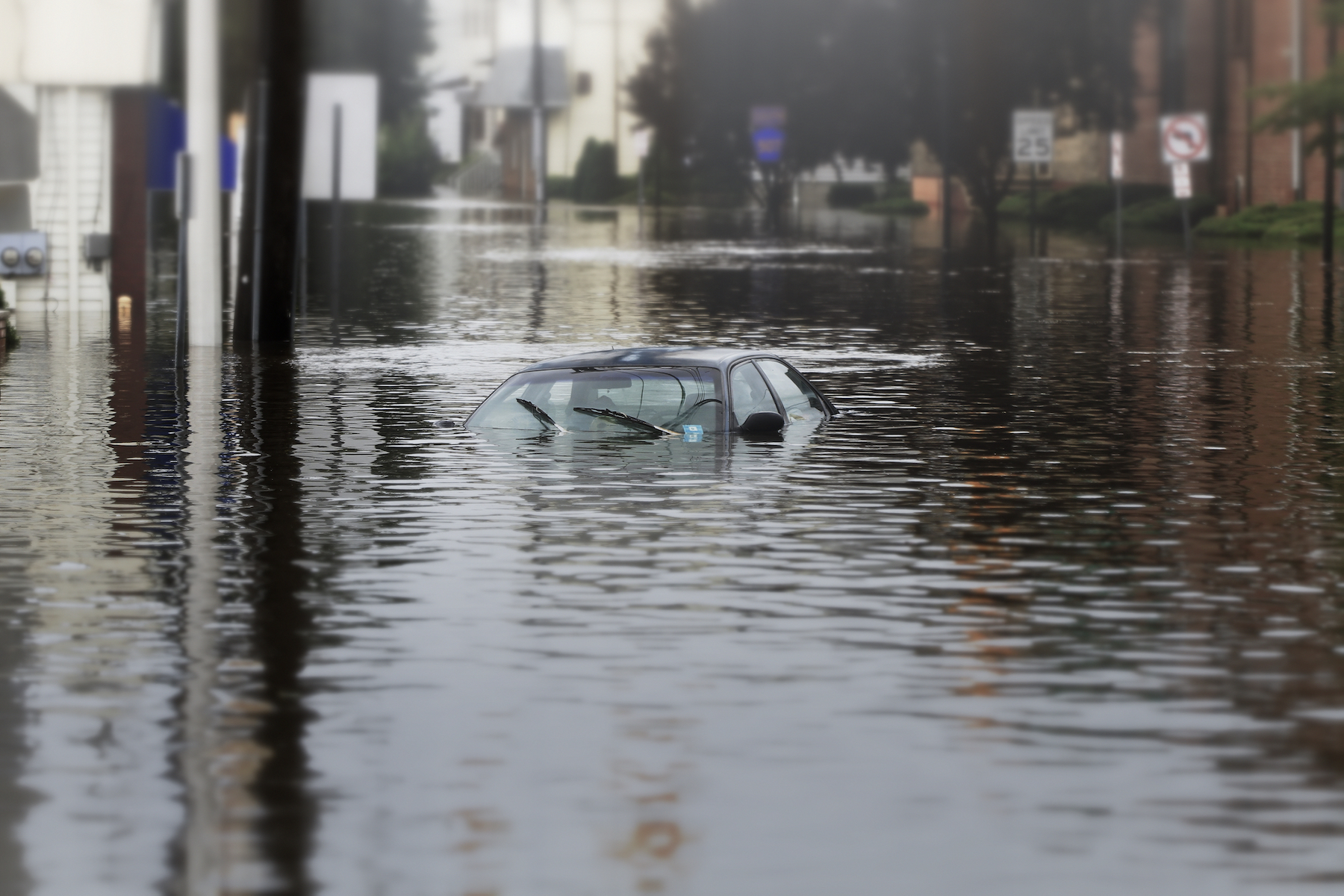
Attention: remember that this scenario should be avoided as much as possible, because with the high water level, the car will be carried away by the flood and will certainly collide with an obstacle. But if there is no other solution, do not let water enter the cabin. Wait for the level to drop, view a safe location, and exit when the level is on the door line.
Even if your vehicle has been through the flooding apparently unscathed, take it in for an overhaul, as systems such as brakes, suspension, transmission, electrical components, and filters may have been affected. Unusual sounds, difficulty starting, loss of power, warning lights on the dashboard, and moisture odor inside can indicate consequent rain damage and require immediate evaluation.
At the time of the review, it is recommended to:
There are companies specializing in cleaning cars that have been affected by floods.
Most insurance has coverage for the so-called natural accidents, such as flooding, flooding and falling trees. This can save you from a loss if you have any kind of damage to the vehicle.
However, there are clauses that invalidate the claim if it is proven that the driver has taken the risk and faced the flood inconsequentially.



