Jaecoo 7 and BYD Song Plus are on the list of hybrid Chinese SUVs, with external charging, a lot of content, but which is the best choice?
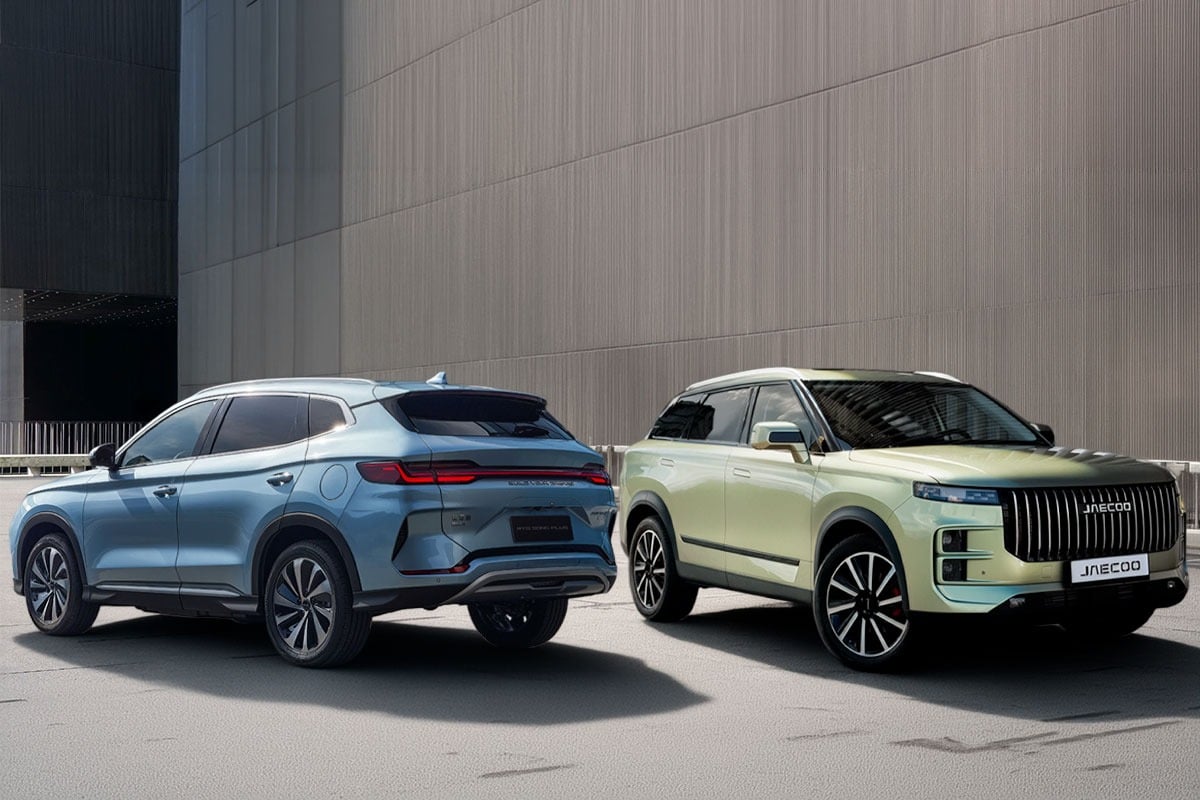
One of the segments of the new car market that has the most options for the Brazilian consumer is that of medium SUVs, even more so with the arrival of several brands of Chinese origin. Two have stood out: BYD, one of the first to arrive here, and Omoda Jaecoo, for being part of one of the largest automotive conglomerates in the world, the Chery Group.
SEE ALSO:
In Brazil, the two automakers compete for consumer attention with SUVs with similar proposals, but with peculiar differences that can be decisive in the buyer’s decision: BYD Song Plus and Jaecoo 7. As the two models have little difference in dimensions and package of standard items, the key point in this comparison will be where the Chinese are at the forefront: the electrified engine.
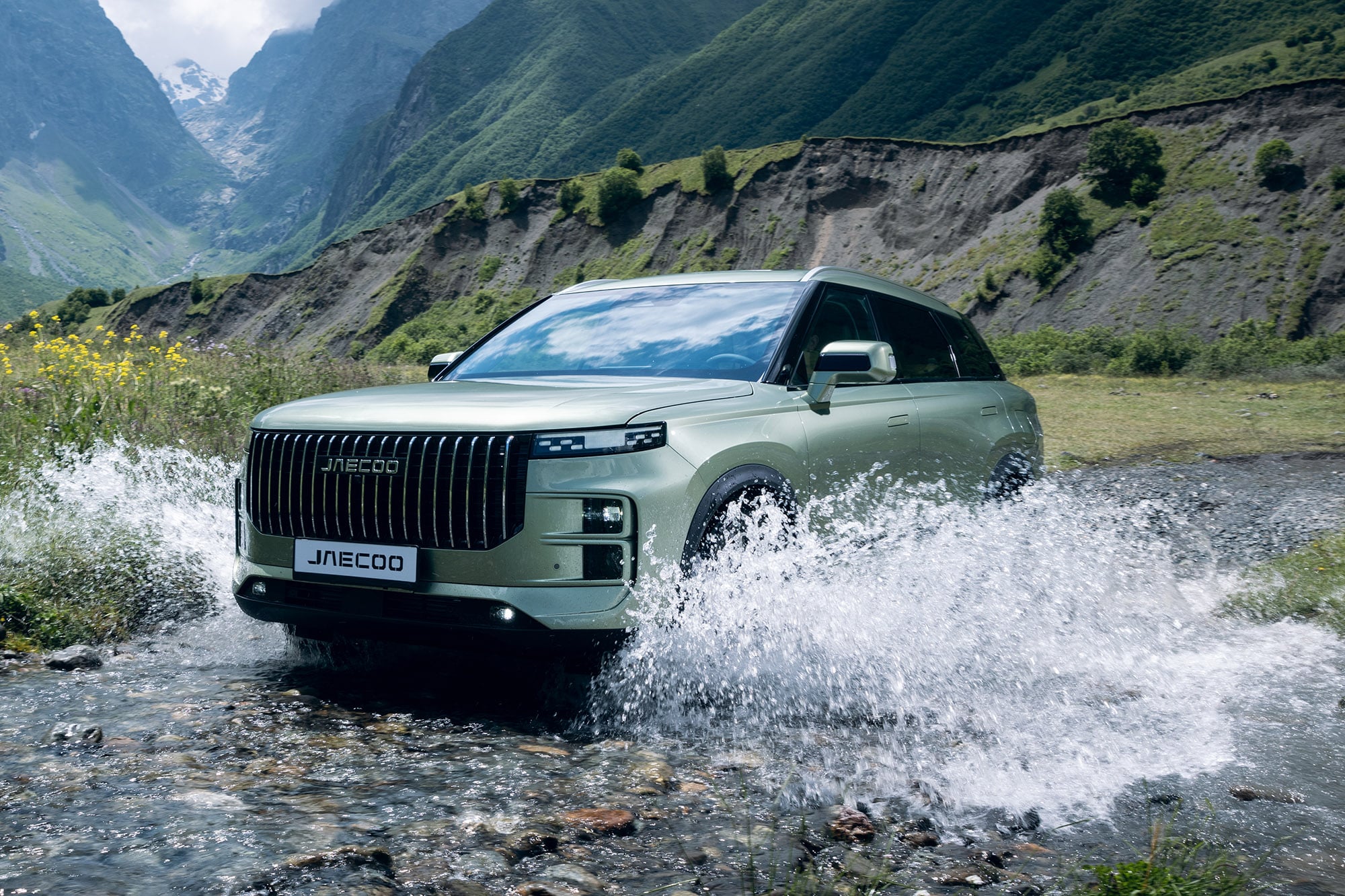
The BYD Song Plus and Jaecoo 7 are plug-in hybrids (PHEV), that is, they can have their batteries recharged by external sources. Although conceptually identical, each brand has made a bet on its own technologies to offer the best result to the consumer.
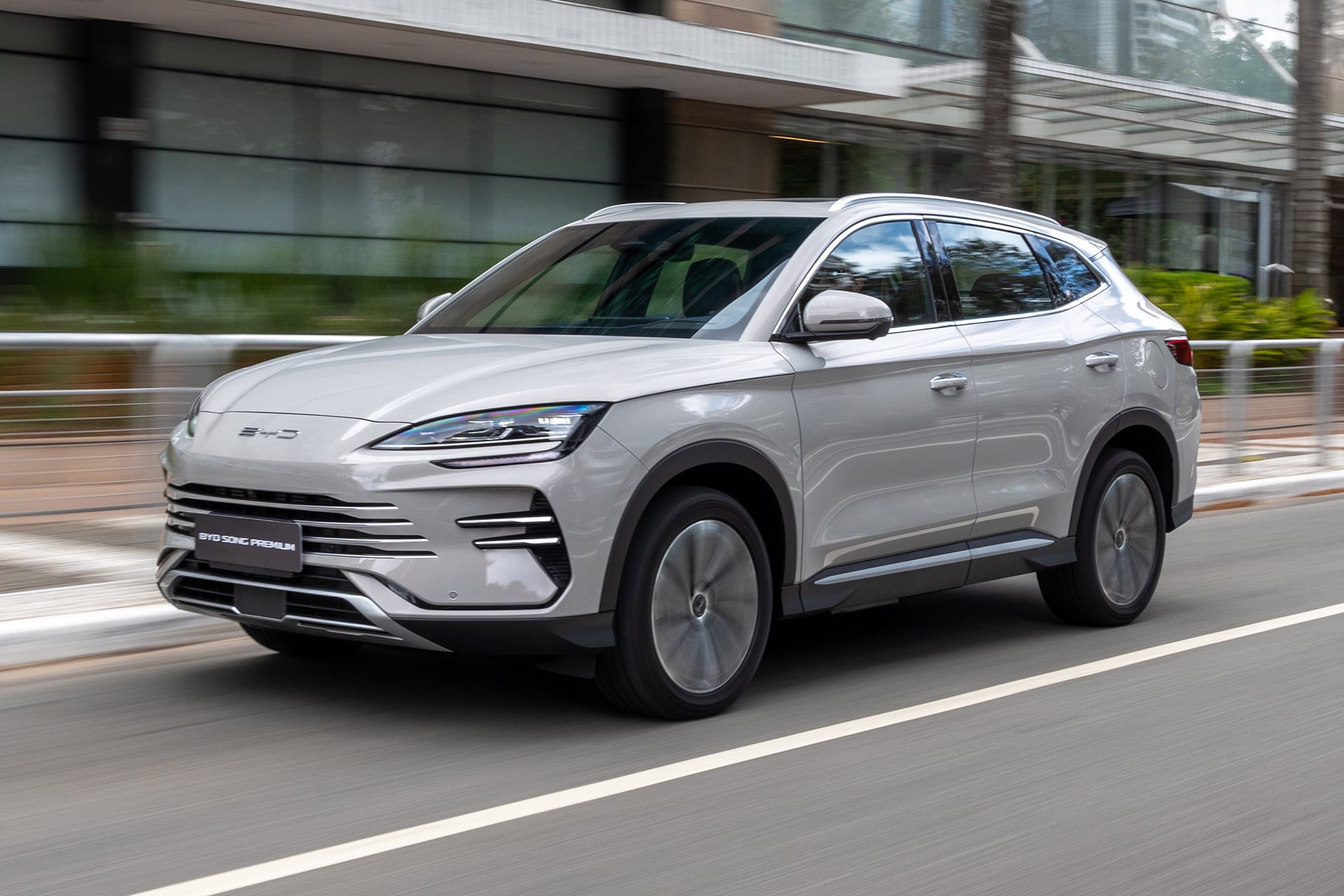
The Song Plus combines a 1.5 turbo engine with 130 hp and 22,4 kgfm, combined with an electric motor with 204 hp and 33,1 kgfm: In total, the SUV delivers 239 hp and 30,6 kgfm.
The Jaecoo 7 SHS Prestige also makes the same combination of 1.5 turbo and electric motor, but delivers more performance, what the brand calls the Super Hybrid System: there are 40 hp of power and 22 kgfm of torque more.
The combustion engine has 135 hp and 20,4 kgfm and the electric one delivers 204 hp and 31,6 kgfm. The set works with a hybrid dedicated gearbox (DHT). Combined result: 279 hp of power and 52 kgfm of torque.
Both the Jaecoo 7 and the BYD Song Plus can run on electricity alone. BYD’s 26.6 kWh battery allows up to 99 km in gasoline drinking. The Jaecoo’s 18.3 kWh cells run up to 79 km.
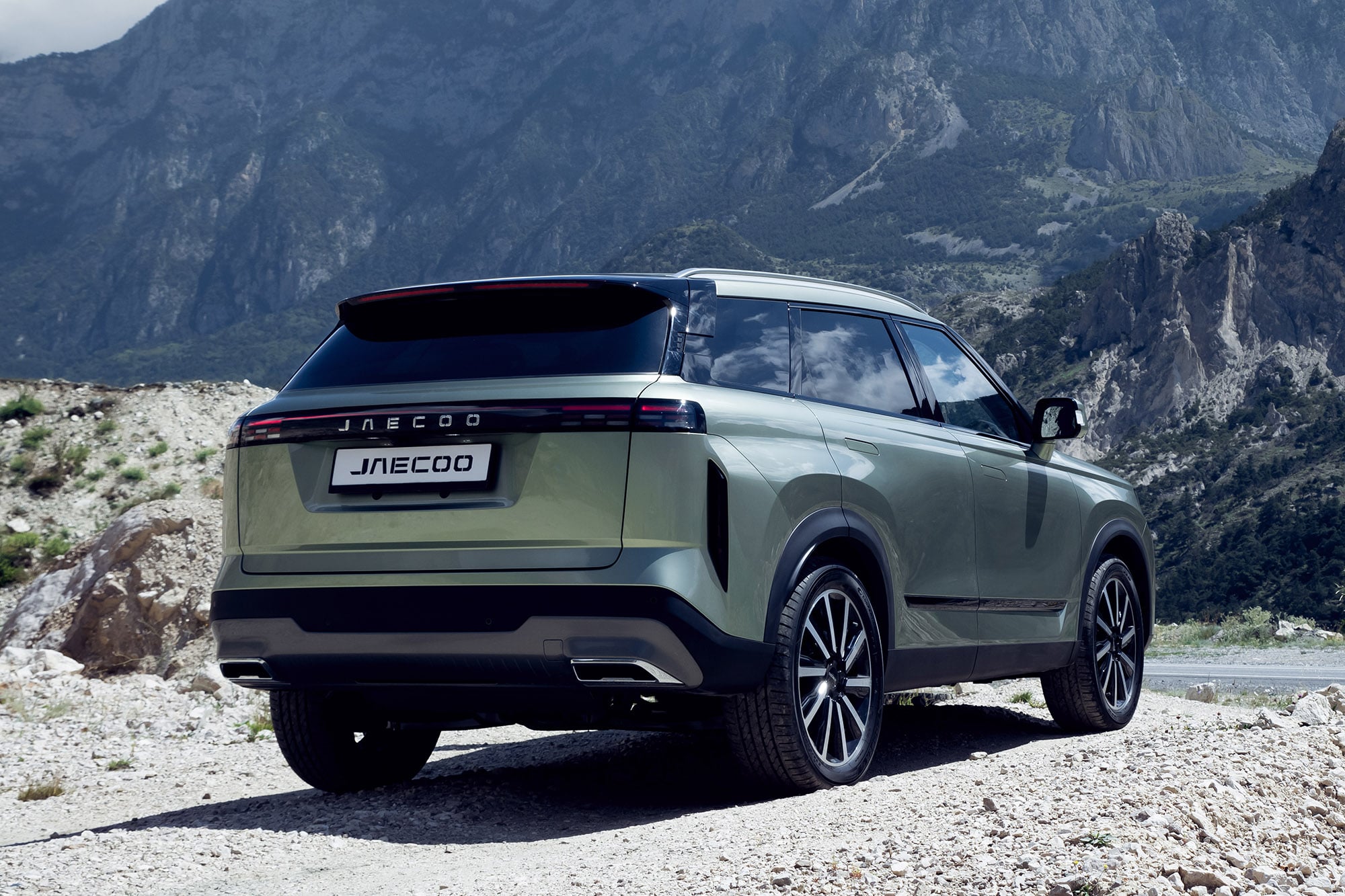
In terms of recharging, the Jaecoo 7 battery takes less time to replenish. In a 7 kW Wallbox (which is the most affordable on the market), it takes less than 3 hours at the outlet. Song Plus, on the other hand, needs almost 4 hours connected.
In combined use, the Jaeeco 7 comes out on top. The sum of the two energy sources (electricity and gasoline) allow it to run 1,200 km, against 1,150 km for the BYD.
The BYD Song Plus is 4.70 meters long, 1.89 m wide and has a wheelbase of 2.76 m. The Jaecoo 7 boasts 4.50 m; 1.86 m; 2.67 m in the same dimensions, respectively. In practice, the two offer practically the same convenience in everyday use. Both carry five occupants and offer a good level of comfort on board.
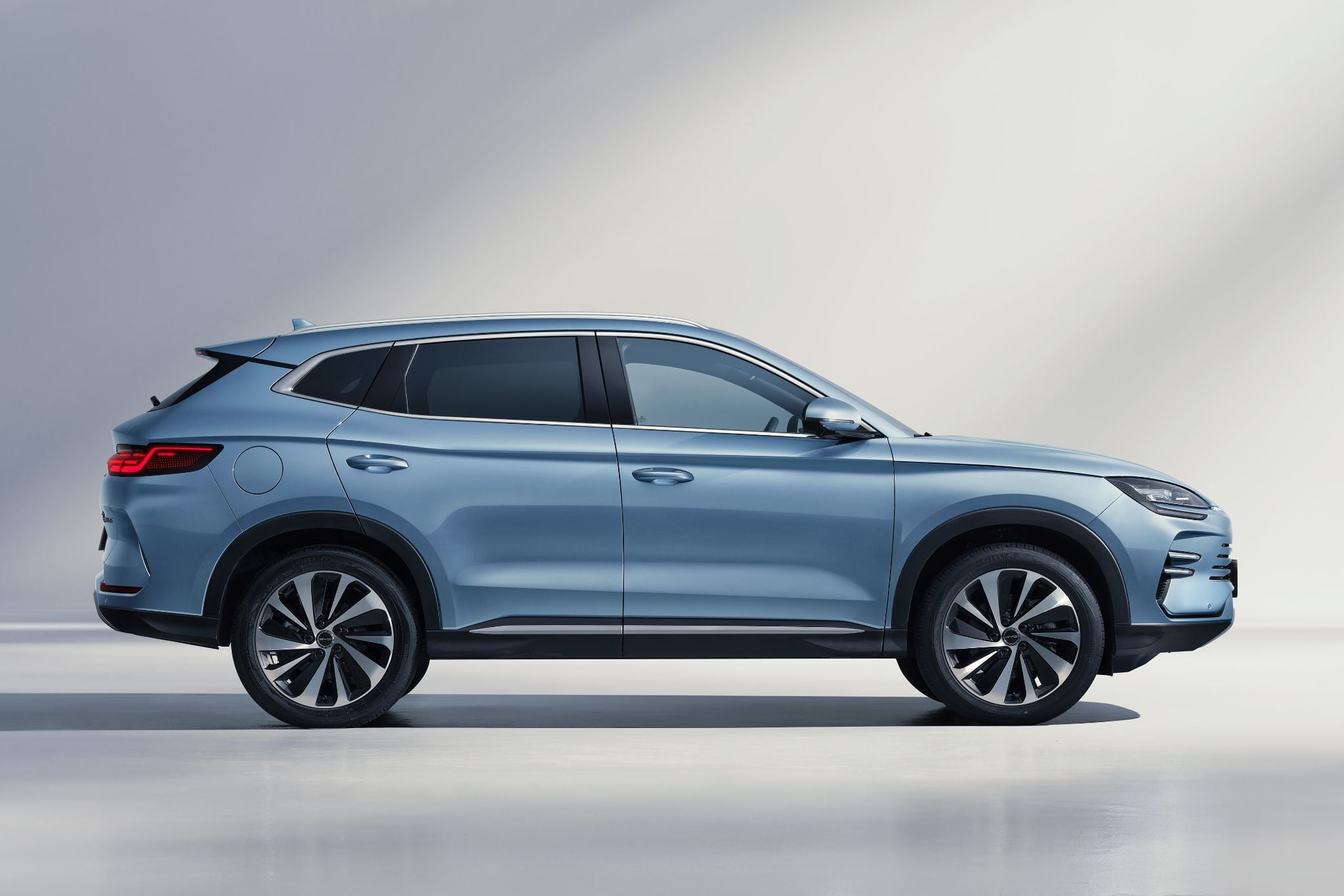
The Song plus has a slight advantage of 74 liters in the trunk, against the 500 liters of its competitor, on the other hand, the 20 cm less total length gives the Jaecoo 7 greater practicality in urban use, as well as better maneuverability when parking.
Jaecoo 7, in the top-of-the-line SHS Prestige version, and BYD Song (in the Plus version) follow the Chinese electrified SUV playbook to the letter. Both have a good level of finish with the use of leather on the seats, consoles and door elbow rests, which increases the perception of refinement. Rubberized panels also accentuate the sophistication. And of course, huge screens.

The Jaecoo combines a 10.25-inch digital instrument panel with a 14.8-inch centerpiece, mounted in a vertical position. The Song Plus uses a 12.3-inch cluster in front of the steering wheel and a 15.6-inch rotating multimedia.
The BYD has a 360° 3D camera, while the Jaecoo uses a 540° system (which is capable of projecting the bottom of the floor through AI, which collects previous images from the front camera and combines it with the other lenses, creating a transparent body effect). A very useful feature when traveling on rough terrain and with obstacles.
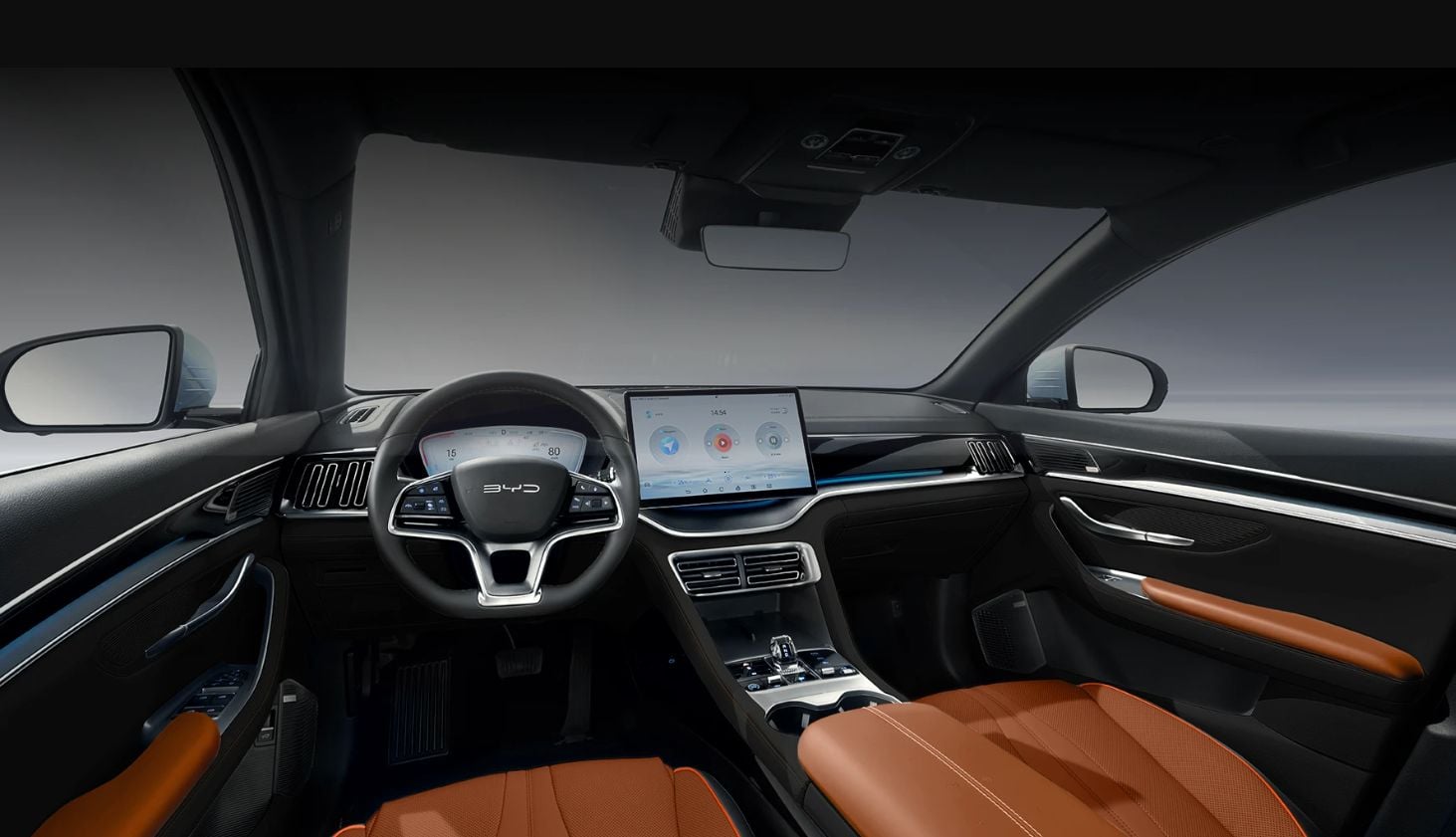
The SUVs also offer digital climate control, keyless start, panoramic sunroof, electric trunk opening, six airbags and a complete package of driving assistants.
| Jaecoo 7 SHS Prestige | R$ 256.990 |
|---|---|
| BYD Song Plus | R$ 249.990 |
Jaecoo 7 and BYD Song Plus offer what is expected from a Mandarin plug-in hybrid SUV in the range of R$ 250 thousand. Both are technological, safe and efficient in their electrification proposals. The Song Plus takes advantage of the 9 cm more wheelbase and the extra 74 liters in the luggage compartment. The 20 km more autonomy in electricity are also positive points, but it takes its toll on recharging time.
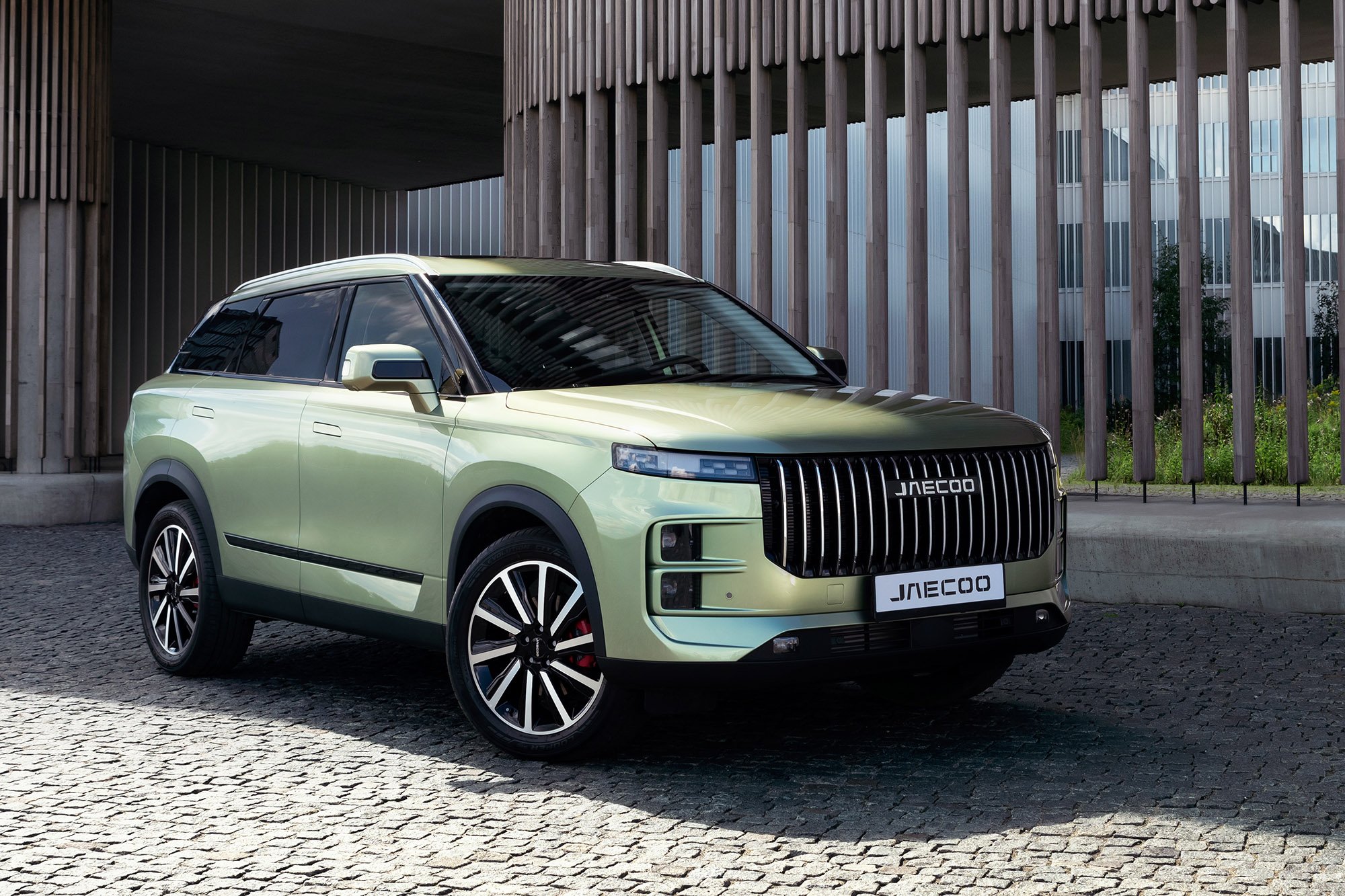
On the other hand, the Jaecoo 7 offers impressive combined power and torque. The 52 kgfm of torque of the Jaecoo allows for more vigorous accelerations and the extra power sustains cruising speed on the road more easily, which ensures greater autonomy.
In this arm wrestling, the Jaecoo 7 is more balanced, as it is easier to park, fits as much luggage as the rival, but wins by having 65% strength in the mechanical set. There is no discussion there.



