Many people choose to travel by car during the holiday season, but to do this safely you need to take good care of your tires
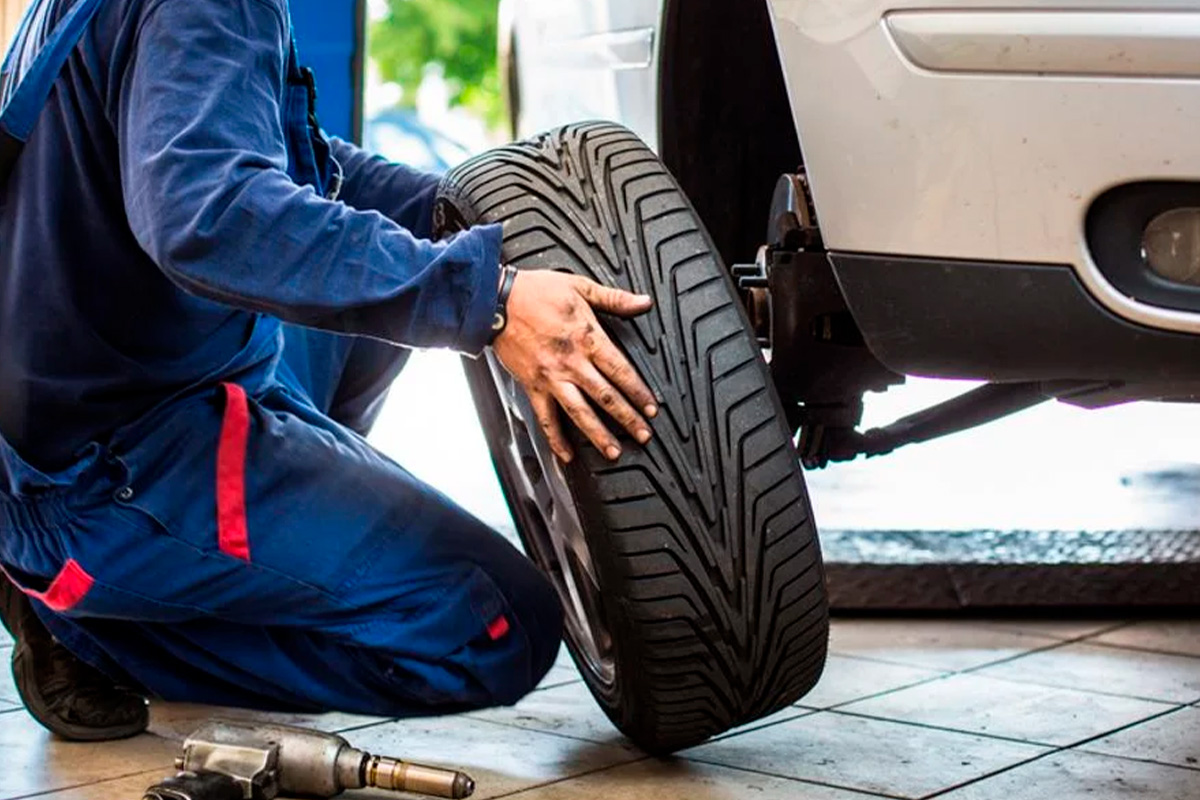
The increase in the flow of vehicles on the roads during the holiday season and school holidays requires strict attention to automotive maintenance , especially when it comes to changing tires. However, it is common to forget them and only remember when you get a puncture or when you get a “fright” while driving.
Checking the tires is the critical factor in ensuring the grip, braking , and stability of the vehicle. The easiest way to check the condition is to look at the wear on the tread, but that’s not the only reason to change these parts.
SEE ALSO:
The exchange should be seen as a preventive measure based on the following criteria:
Even irregular wear (on only one side of the tire or on specific wheels) is a warning sign. It usually indicates failures in:
In these cases, in addition to changing the tire, it is necessary to correct the mechanical cause to avoid new premature wear.
Trips usually involve a greater load (luggage and passengers) and long journeys. These conditions, added to worn tires that increase braking distance and reduce control on wet roads, can pose great risks at this time of year.
Therefore, it is important to make the following pre-trip checklist:
See below what can lead to changing a tire that looks good:
Tires use a compound of rubber mixed with other materials that deteriorates over time, regardless of use, every tire has an expiration date. In general, this date is 5 years, but it can be extended to 10 when it is in good condition
To find out exactly how long your tire is safe to use, look for a “DOT” inscription. In front of these letters comes a series of numbers, the last four being the date of manufacture. The first two indicate the week and the following two the year, that is, if it has “1122” it means that it was done in the 11th week of 2022.
After five years, the rubber compound begins to lose its properties and becomes dry. This results in a loss of grip in both dry and wet. Expired tires make the car distract in the rain even though it has grooves.
Damage to the carcass cannot be fixed, but smaller holes and cuts can. Depending on the puncture and the type of repair made, the tire can run until the end of its useful life without problems. But if you’ve already accumulated a lot of patches, it’s safe to swap it out for a new one.
After many punctures, there is a possibility that one of them has damaged the carcass. In addition, the patches can become unbalanced or even loose, so it is necessary to change the tires.
Seeing “unused spare tire” or “original factory spare tire” in a used car ad is considered an attraction in the popular imagination. But if the car is more than five years old, that means you’ll have to put a new spare tire on the shopping list.
In the same way, when traveling you should consider the condition of the spare tire, because you may need it. Even though it is unused and stored inside the car (or outside as in some French cars and pickups), the action of time is the same and the tire wins.
“But the spare tire is only for emergencies and runs little!” Some argue. Now, an old tire is dangerous and can cause problems even in the few kilometers until you find a tire shop.



