The signs are in charge, but in the Brazilian Traffic Code there are rules if the signage does not exist in the place
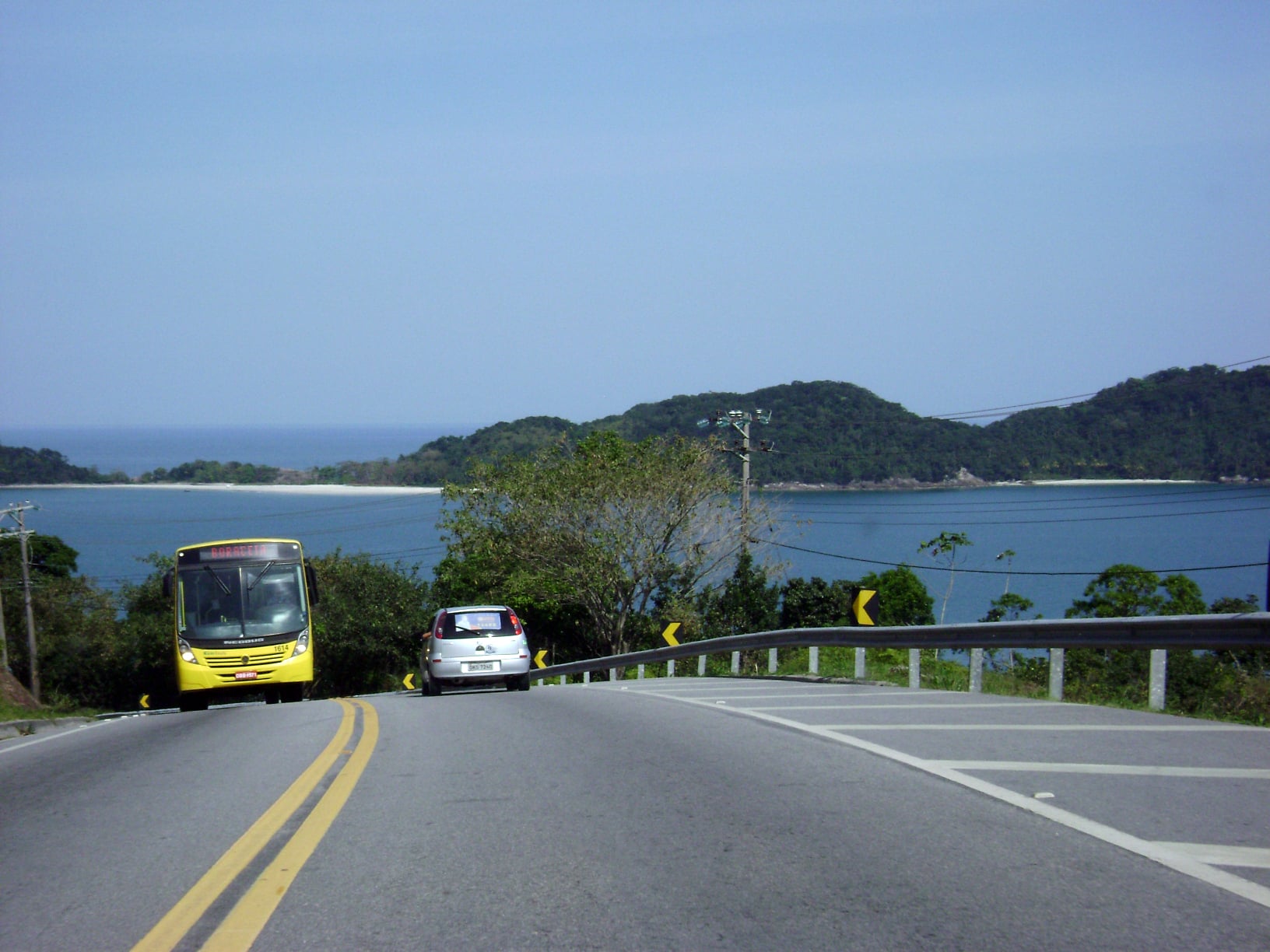
The speed limit of a road must be marked with a sign, but we know well that this does not always occur in Brazil. The lack of this indication is provided for by the Brazilian Traffic Code (CTB), which stipulates some limits depending on the location.
Article 61 of the CTB brings the maximum speeds allowed on each type of road if there is no signpost. They are divided into urban and rural, see what is said about each type.
SEE ALSO:
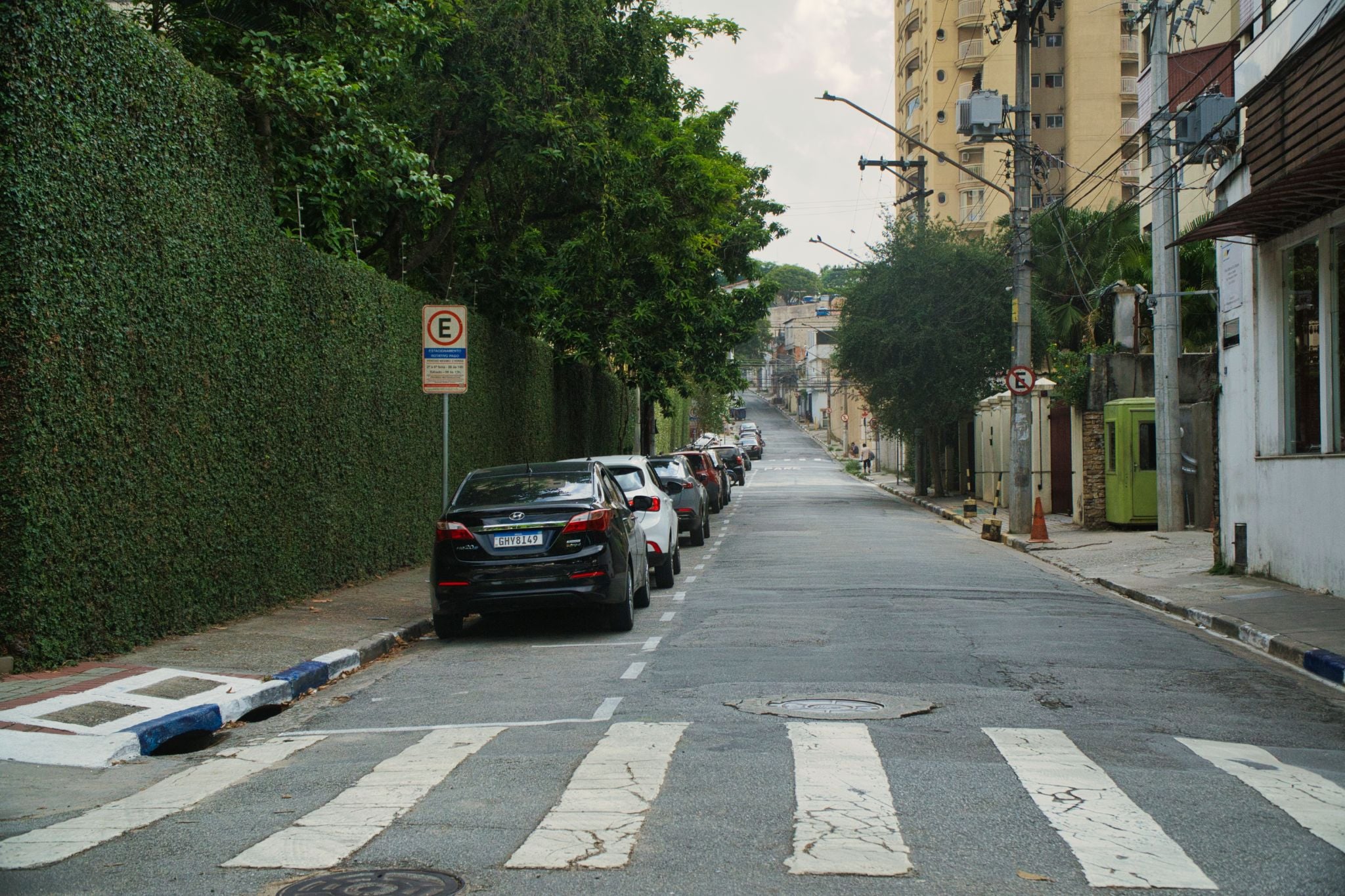
Urban roads are divided into:
Rapid transit lanes are popularly known as expressways. They have access without level intersections and do not have a pedestrian crossing. The limit is 80 km/h
This is the technical name given to the avenues. The arterial roads are controlled by traffic lights and give way to a greater flow of cars through the cities. The speed limit is 60 km/h.
Collector roads are the streets that connect the avenues, with the function of redirecting traffic. Their speed limit is 40 km/h.
Simple streets, already within the neighborhoods, are called local roads by the CTB. The speed limit is lower, 30 km/h, as they can have intersections without traffic lights, entrances to homes, schools and other elements that require the driver’s attention.
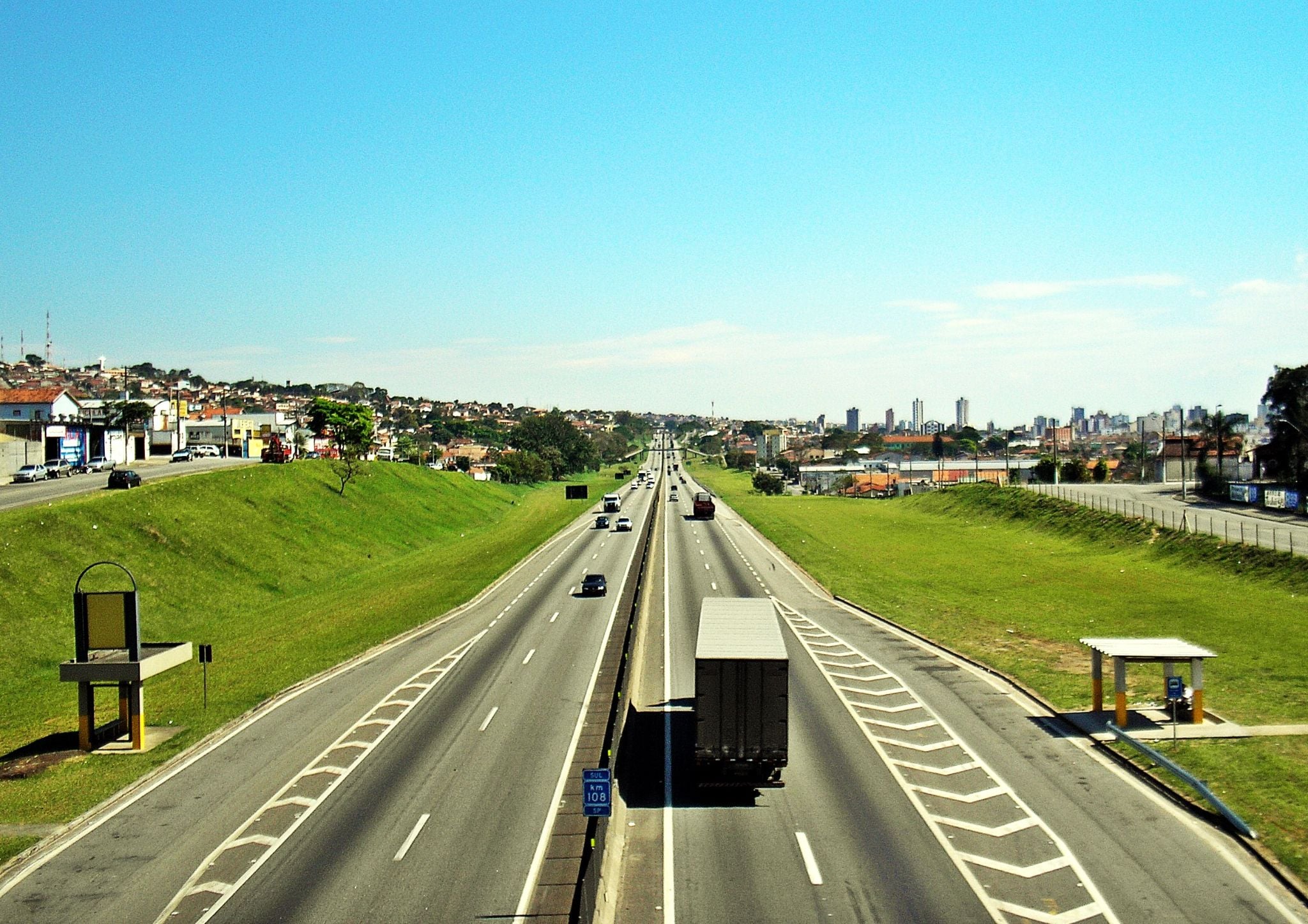
The CTB treats roads outside urban areas as rural, being divided into two types: highways and roads.
Highways are paved rural roads. In the double lanes, which have the opposite directions separated by a median or by a physical barrier, the limit is higher: 110 km/h for light vehicles and 90 km/h for heavy vehicles.
These are the paved highways without a division between the directions. The speed limit is 100 km/h for light vehicles, for heavy vehicles it is 90 km/h.
For the CTB, unpaved lanes are called roads. The speed limit on them is 60 km/h, even if there is no license plate.
The second paragraph of article 61 of the CTB includes that the traffic agency or entity with jurisdiction over the road may regulate speed limits different from those previously suggested. For this, he will have to apply appropriate signage to inform drivers.
In theory, the limits should take into account factors such as traffic flow, topography, curves and local accesses. A double-lane highway in a mountain range, with descents and strong curves, can have a limit below 110 km/h for safety.



