Intermediate model had a size almost similar to that of the medium-sized ones, but with the comfort and economy of a passenger car

Anyone who has followed car news in the last 20 years may remember the various rumors of Fiat wanting to launch a medium pickup truck in Brazil. She even tested the Indian Tata Xenon, but in the end ended up creating a solution at home with Toro.
It is not a traditional medium pickup, but it was a smart move to have a superior alternative to the Strada. The Fiat Toro hit the market in February 2016 and has just completed 10 years on the market.
SEE ALSO:
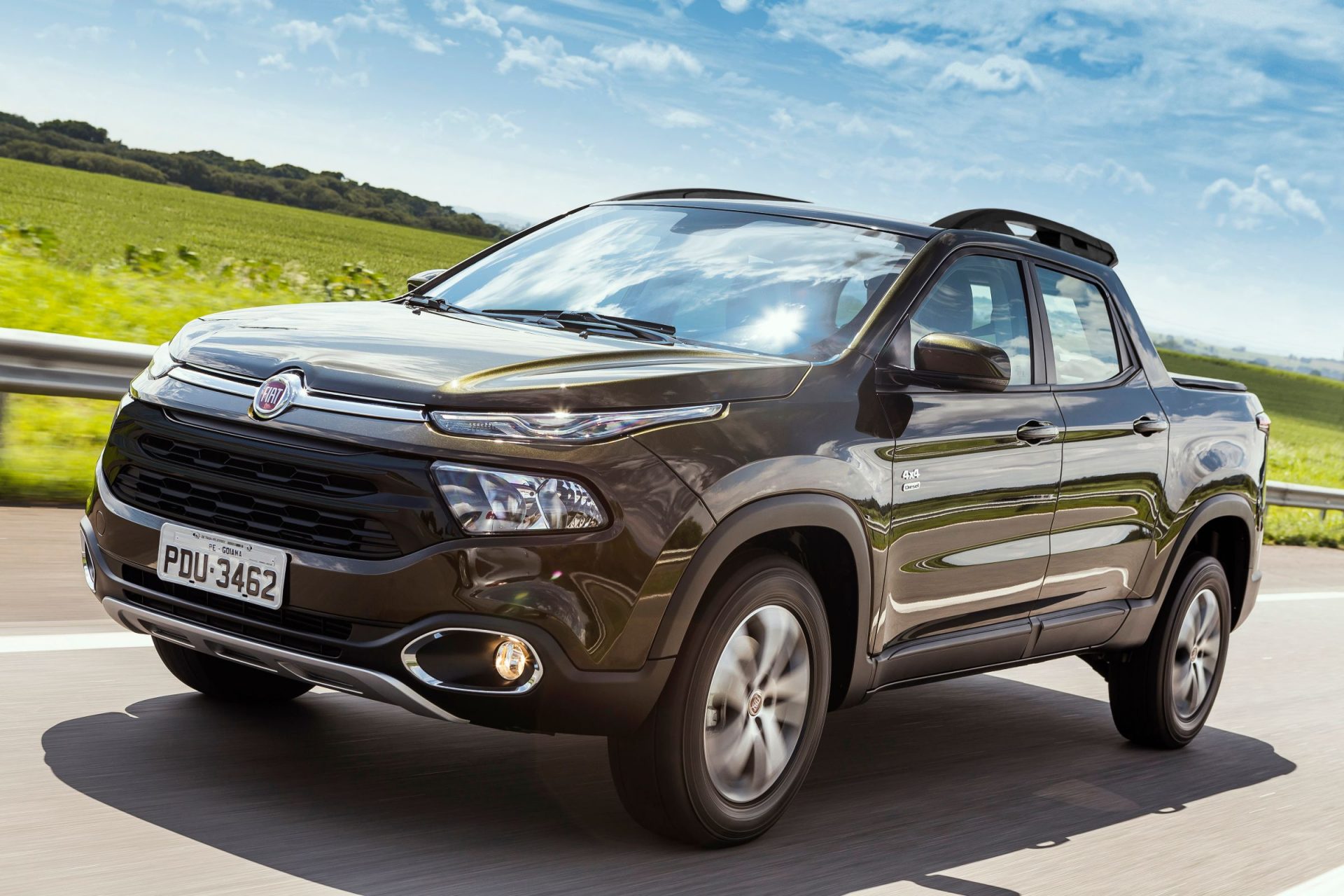
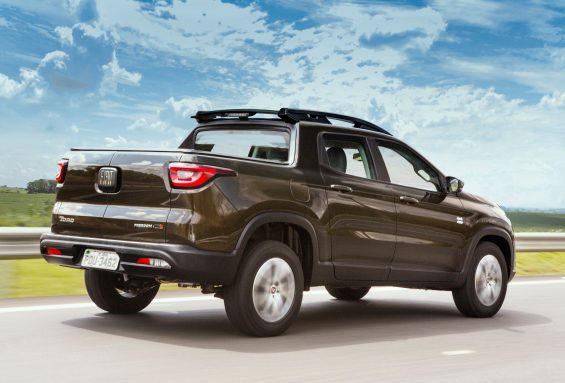
The launch was at a time when traditional midsize pickup trucks grew in size. The Fiat Toro’s 5 m length was similar to that of the averages of the 90s.
The platform adopted was the Small Wide, the same as the Jeeps Renegade and Compass. It was the most sophisticated that Fiat had in Brazil and allowed the creation of larger vehicles, as it was also used for vans.
The bi-link independent rear suspension was derived from the one used by the second-generation Doblo. Even with coil springs, it could carry up to 1 ton of cargo, allowing the use of a turbodiesel engine.
And it was precisely the 2.0 turbodiesel Multijet engine that helped consolidate Toro as a sales success. Its 170 hp and 35,7 kgfm, together with the nine-speed gearbox, gave a performance similar to that of traditional mediums and also provided low consumption.
Even with a passenger car base, the Fiat Toro is a heavy vehicle. This made the flex engine, the 1.8 E.Torq, look undersized. Its biggest problem was that its torque appeared at higher revs, requiring always working with a full engine to make the 1,619 kg pickup develop.
These versions compensated for the lack of performance and high consumption with a more competitive price. And its rear suspension was more comfortable, as the load capacity dropped to 650 kg.
The Fiat Toro cabin has good space in the front, but those in the back have a certain squeeze if the driver is tall. The big negative point of this base is the limited width inside, translating into a narrow console.
The finish has always been all in hard plastic, without the refinement present in the platform brothers. However, the equipment package was well stuffed, and could bring two-zone air conditioning, multimedia center, 6 airbags, electrically adjustable driver’s seat and sunroof.
Another reason that made the Fiat Toro an instant success was the design. Since it was a pickup truck with a different construction than usual, the designers of the Italian brand were more daring.
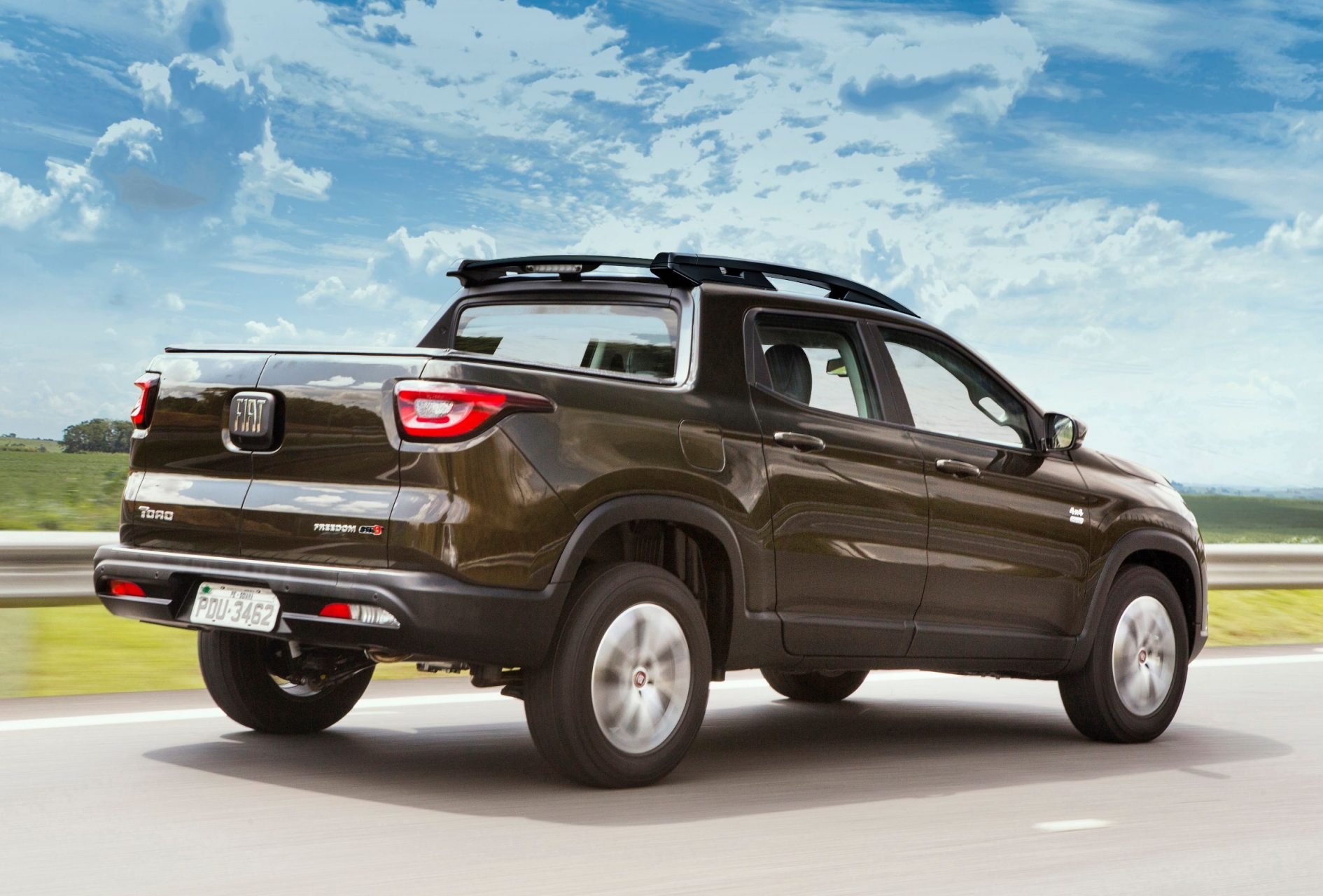
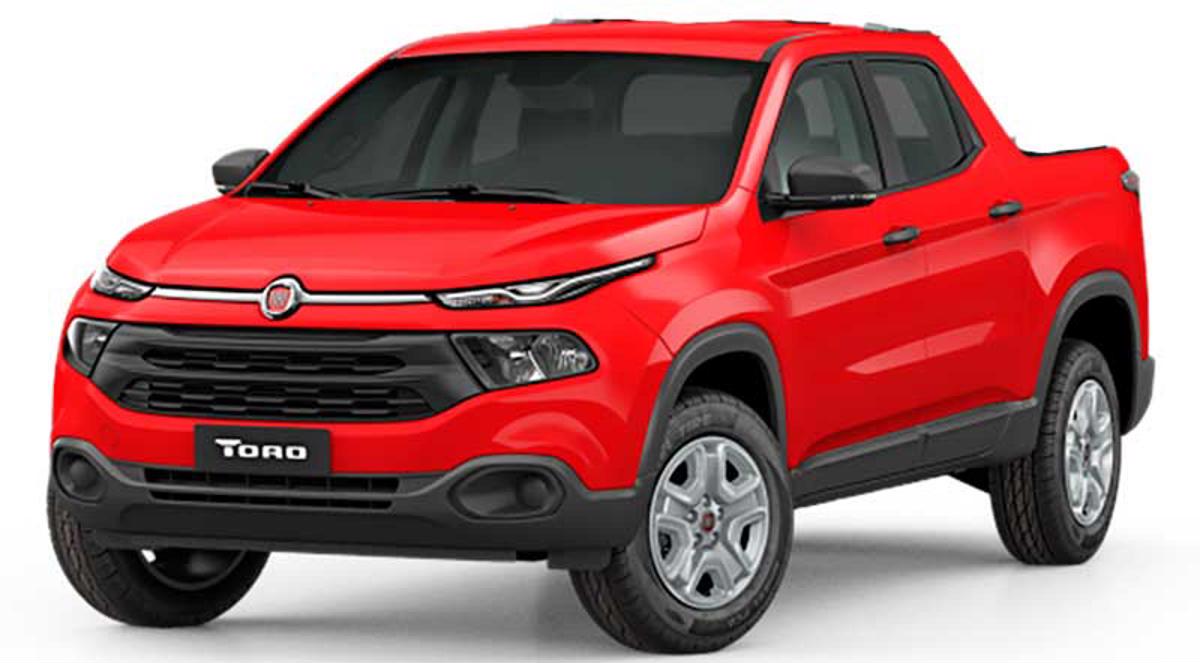
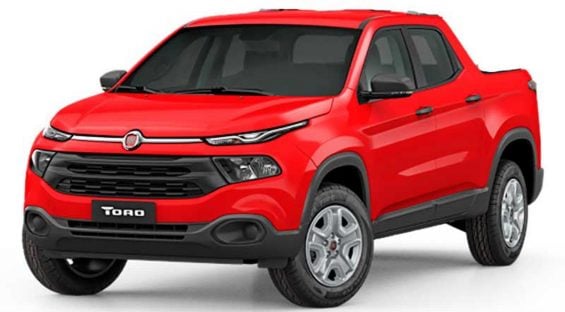
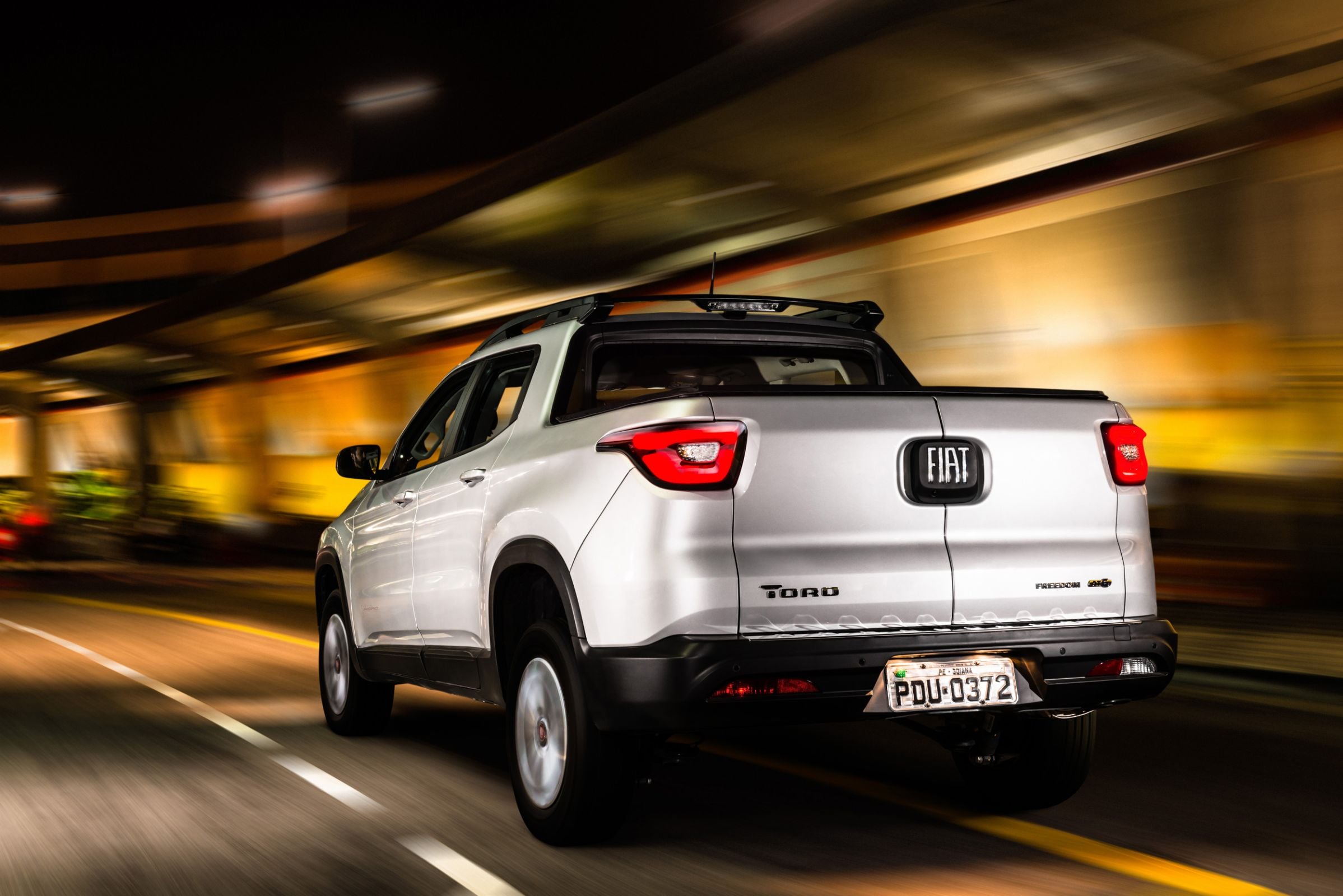
The front brought split headlights, with the lower part integrating into the grille. This design of the front was used in the letter “T” of the emblem that identifies the car. At the rear we have a bucket well integrated into the cabin and with rectangular taillights, escaping the vertical pattern of pickup trucks.
The bucket is small when compared to an average one with a chassis, but it is deep and with wheel arches that do not encroach on the space much — a legacy of the Doblo suspension. The lid is divided into two parts and opens vertically, making it easy to access the loads.


Fiat was already the leader in the pickup segment with the compact Strada. Even though it is derived from a hatch and has only front-wheel drive, the Stradinha proved to be brave and is still widely used in heavy duty.
This fame seems to have helped Toro, as it has already ended the launch year as the second best-selling pickup truck in Brazil. There were 41,283 units licensed, surpassing the Toyota Hilux and Volkswagen Saveiro.
And it was in the second position of the pickup trucks where Toro found its space. In recent years it was overtaken by the Hilux in a few months, but the runner-up was lost in 2025 to Volkswagen Saveiro. This is thanks to the German brand’s strong campaign in direct sales, in retail Fiat Toro remains as runner-up.


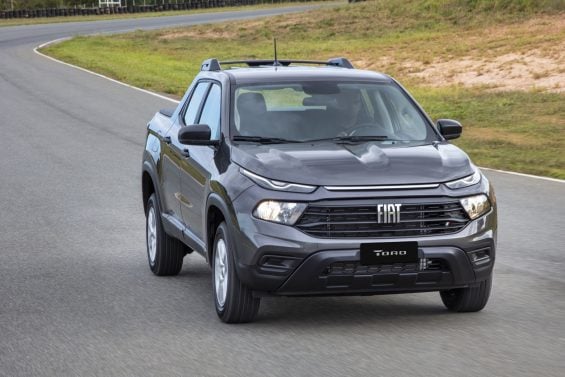


The first novelty added to the Fiat Toro range came in 2016, with the 2.4 flex Tigershark engine. It delivered 186 hp and 24,9 kgfm and worked with the nine-speed automatic transmission.
Performance was similar to that of the diesel model and consumption was better than that of the 1.8, as the torque arrived earlier and the driver did not have to put the pedal to the metal all the time. Despite being a balanced option, it was not a success.
The Fiat Toro version range changed every year, with engine and gearbox options changing frequently. The models have always been Endurance, Freedom and Volcano, with a few editions appearing on the way. If you look in the used market, you can find all of them with the 1.8 flex or the 2.0 diesel, the 2.4 was just not adopted by Endurance.
In the 2019 line came the first model that entered the range on a fixed basis, the Ranch. It had chrome running boards and seats, brown leather seats and a turbodiesel engine from the factory.
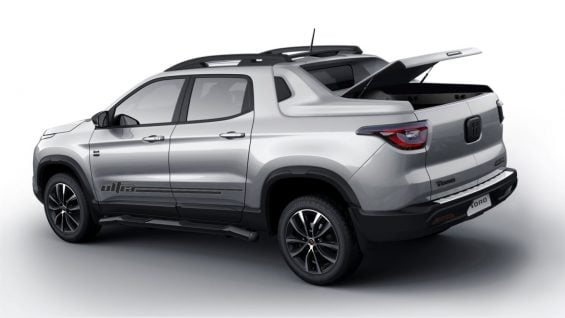
In the 2020 line, another top-of-the-line model was added for those who didn’t like the chrome of the Ranch, the Ultra. This version had a sportier look and a fiberglass bed cover that made it look like a trunk.
This lid does not have a perfect seal for the compartment, so the Toro Ultra brought a waterproof bag as standard to place luggage. The engine was also turbodiesel.
The 2021 line brought Toro’s first face-lift. The grille gained the new Fiat logo, which was previously on the “mustache” below the hood. The Ranch and Ultra models gained a larger, robust-looking grille, which was optional on the Volcano. The headlights of the entire line were now LED.
Inside came a store shower, with the six airbags becoming a standard item. The digital panel is now offered and in the more expensive versions the multimedia center uses a large vertical screen. Safety has been enhanced by the ADAS package that includes autonomous emergency braking, automatic high beams and lane keeping assistant.
Along with these changes came a new flex engine, the 1.3 turbo T270. It yielded 185 hp and 27,5 kgfm, a force that surpassed the aspirated 2.4. This solved the performance problem of the entry-level models, but consumption remained high.
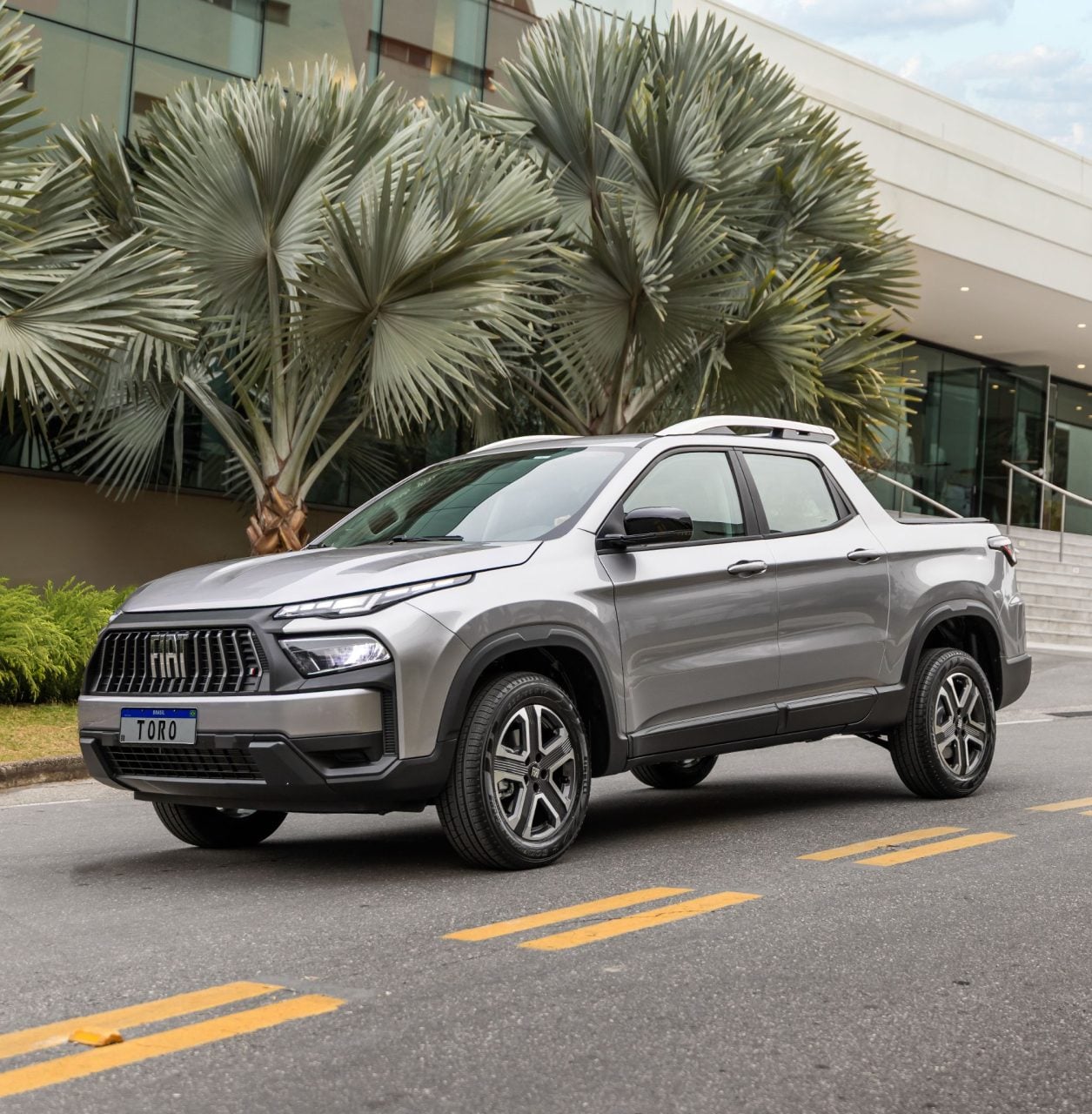
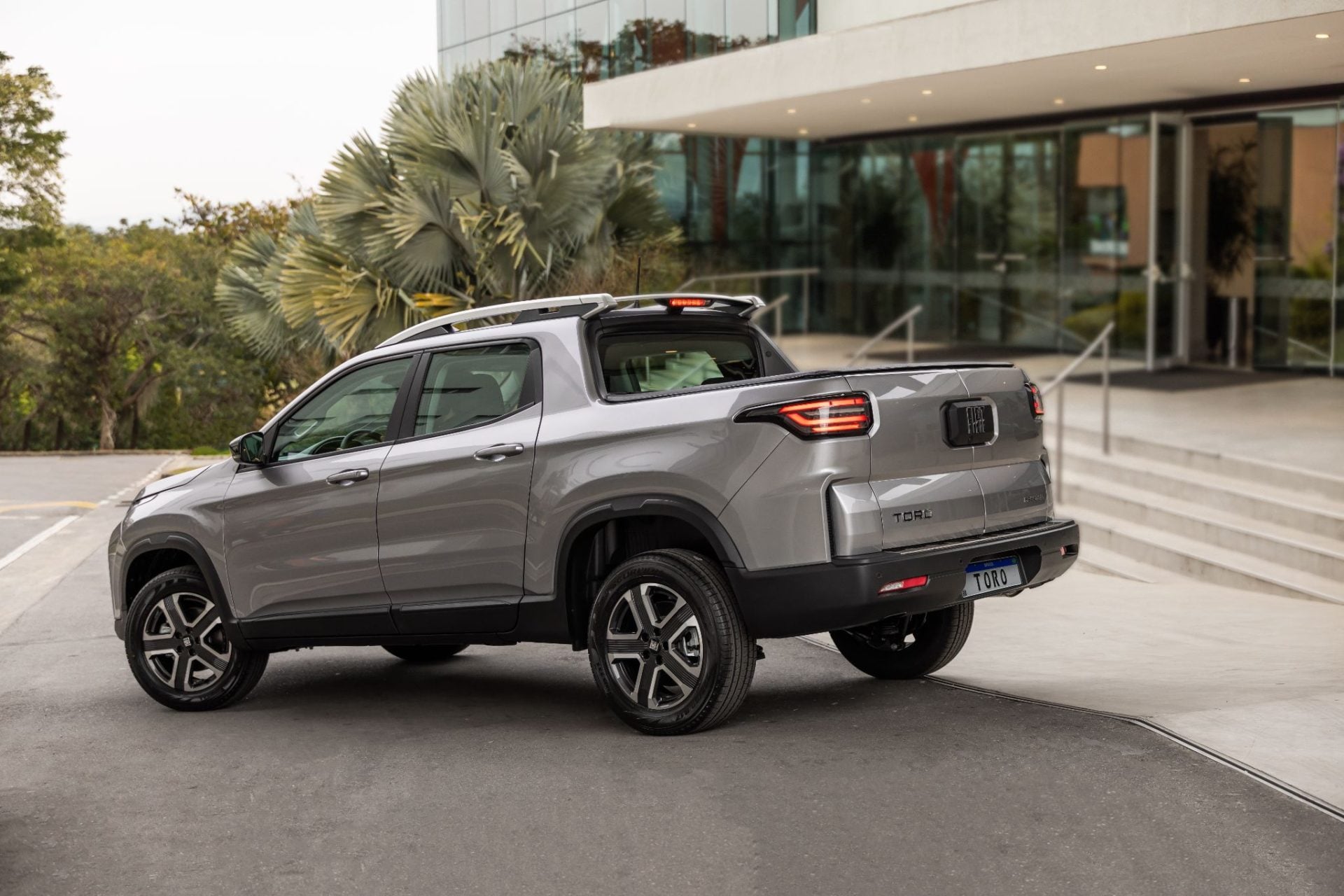
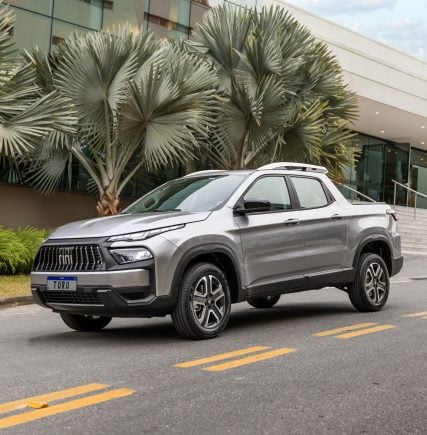
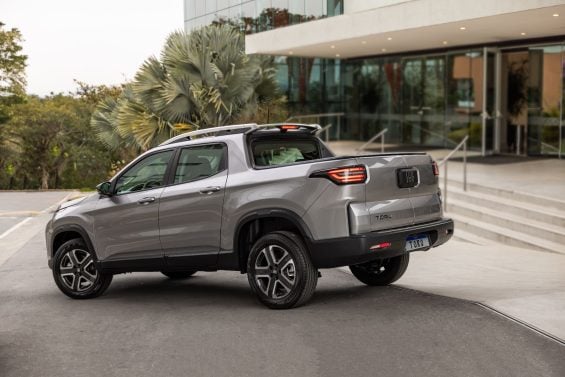
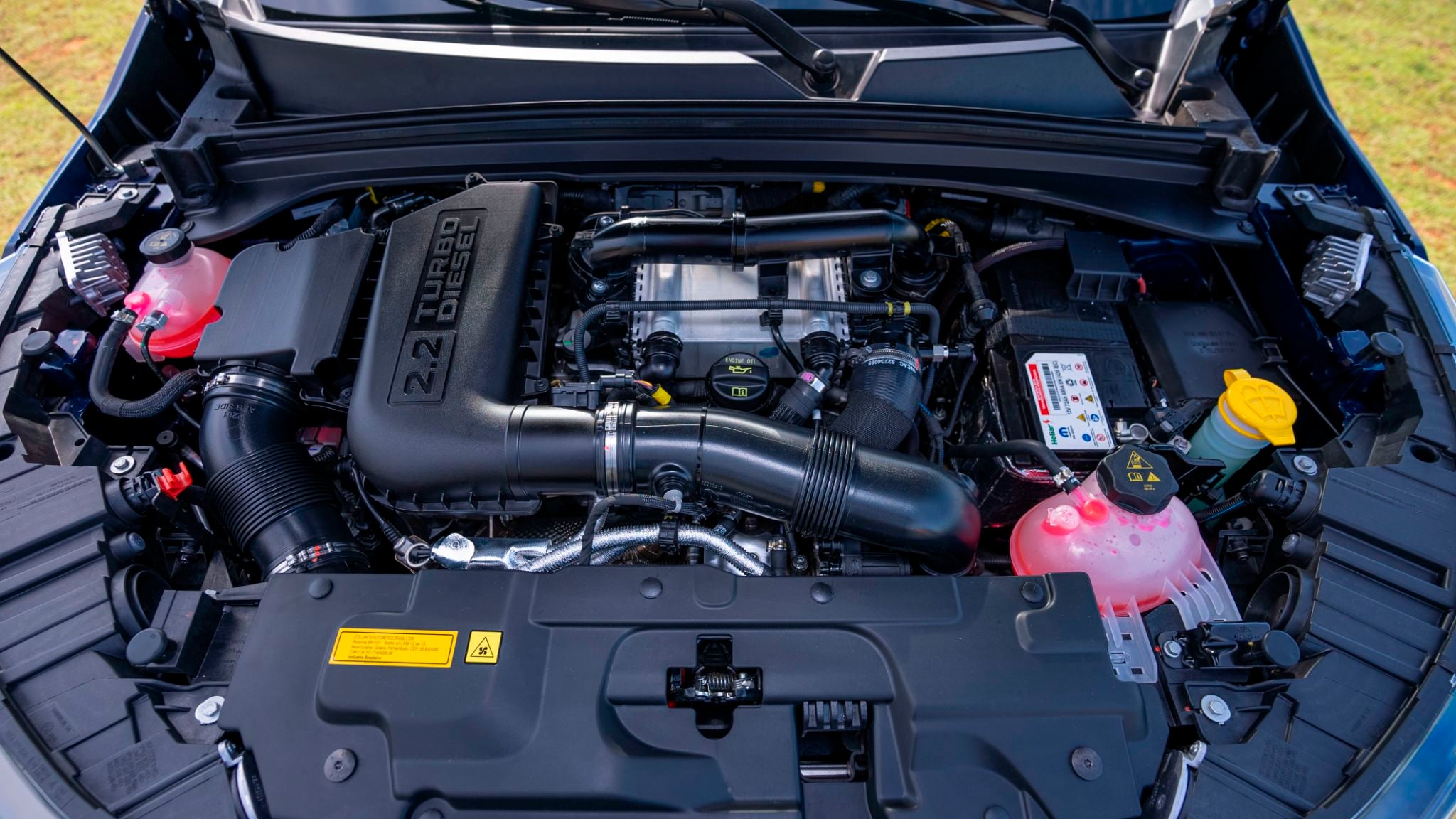
The front design was unified with the Ranch and Ultra grille in the 2024 line. The 2025 line brought a reduction in power to the 1.3 turbo, dropping to 176 hp. The 2.0 turbodiesel gave way to a 2.2 with 200 hp and 45,9 kgfm, which is even more economical than the predecessor and gave a more vigorous performance. The rear brake became disc.
Fiat Toro’s last change was months after these engine changes. In mid-2025 came the 2026 line, with the second face-lift of the pickup, which brought straighter lines in some parts that clash with the original look.
At least the pickup received some on-board life improvements, such as the electronic parking brake and more USB ports. Even with 10 years on the market, Fiat Toro should remain in the current generation for a while longer. It is tipped to receive a 48-volt mild hybrid system along with the 1.3 turbo.
This novelty will arrive with the first direct competitor: Renault Niagara. Will the veteran still have the energy for it?



