New brands are changing the market as we know it, carving out new niches and leaving traditional brands confused and threatened
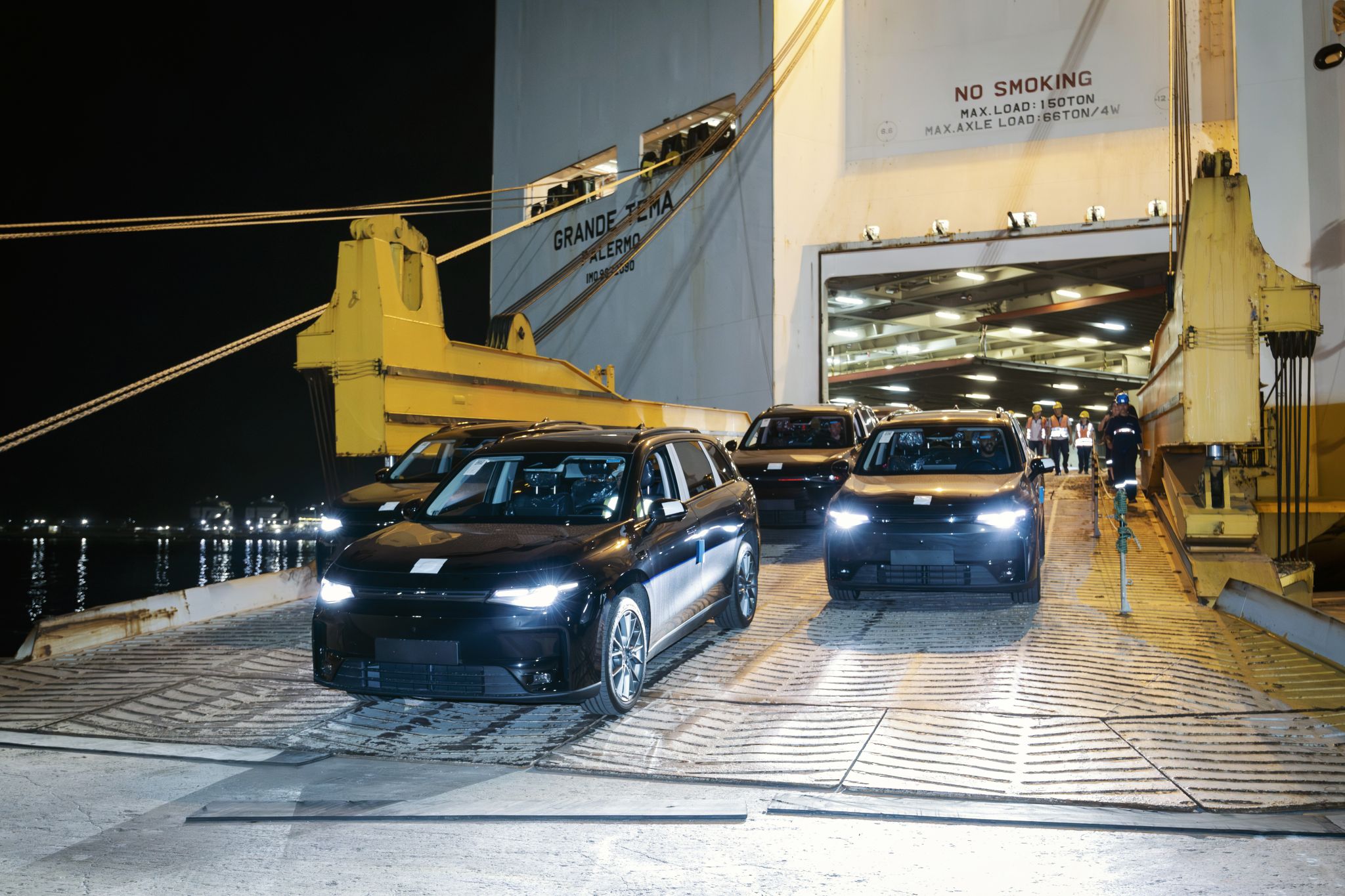
The Chinese brands that are invading Brazil with electrified cars are already selling in large volumes. But for Alexander Seitz, CEO of Volkswagen South America, this does not scare the German brand:
There is a threat from new competitors, but we are not afraid”
The phrase was said during the presentation of the new Volkswagen Tiguan, which debuted with a price of R$ 299.990. In this range there are hybrid Asian models that are successful, such as the GWM Haval H6 and the BYD Song Plus.
SEE ALSO:
Volkswagen is now the brand that sells the most passenger cars in Brazil, if you include light commercial vehicles it is in 2nd position. It also has the best-selling car (Polo) and best-selling SUV (T-Cross).
The Chinese onslaught that began in 2022 is clearly visible on the streets. The Dolphin and Dolphin Mini duo are high-volume electric compacts, while the Haval H6 medium SUV is the country’s best-selling hybrid car in recent years.
The year 2025 closed with BYD registering 112,814 units, ahead of Honda and Nissan. Caoa Chery sold 71,433 units and GWM sold 42,784 units.
During this period, new brands have arrived that are growing in volume and have promises of national production, such as Omoda & Jaecoo, GAC, MG Motor, Leapmotor and Caoa Changan.
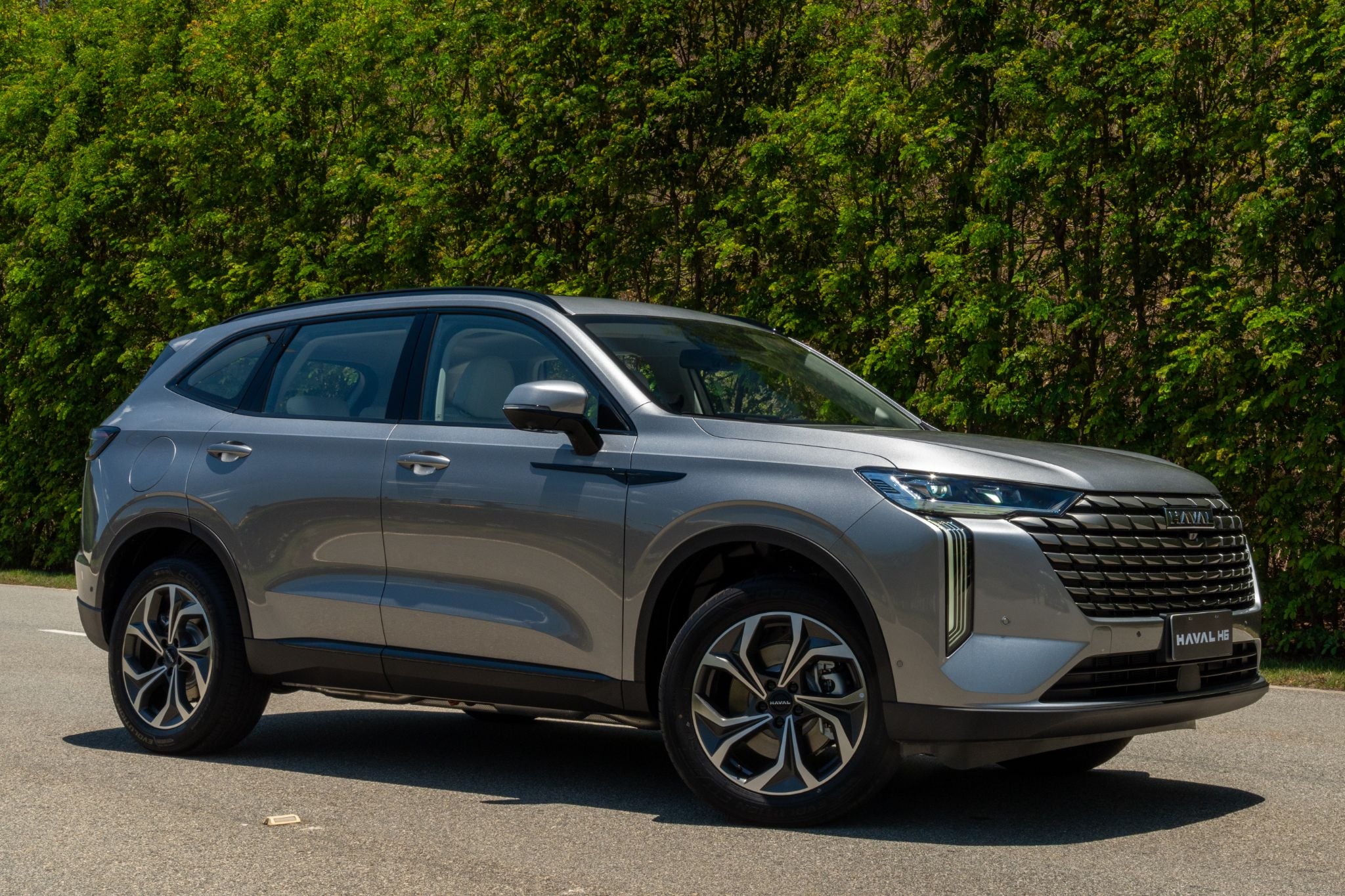
The main argument of Chinese brands in recent years has been the cost/benefit ratio. Its cars usually stand out in offering a more stuffed equipment package, more neat finish or electrified powertrain for the same price as equivalents without some of these items.
Electrification has become their greatest asset, as it reduces vehicle ownership costs and may even result in IPVA exemption. The only manufacturer with national hybrid cars until then was Toyota with the Corolla and the Corolla Cross.
For Milad Kalume Neto, Executive Director of K.LUME Automobile Consulting, the brands that fight against the Chinese in the same segment will be the most affected:
We observed these issues mainly when they began to gain representation in the market and traditional brands had to reduce prices or adapt products to improve competitiveness. Today, Chinese companies continue to grow, with the potential to reach a larger market in the next 3 or 4 years.”
The expert points out that in 2016 brands of Chinese origin accounted for 0.5% of our market, in 2025 they closed with 12.1% and in 2026 they already have a 16.8% share.
Kalume also pointed out that during 2025 GWM grew by 48.3% and BYD grew by 46.9%, while the market grew by only 2.5%. In addition to delivering a higher volume of sales, the Chinese have also brought electrification to a wider range of consumers.
In the same vein as the Chinese newcomers, the brands already installed also had volume gains. And in 2024, VW sold 400,414 units, jumping to 436,297 in 2025, according to the National Federation of Motor Vehicle Distribution (Fenabrave). That is, a growth of 9% even with the advance of the Chinese.
Fiat, on the other hand, advanced about 2% in the same period, with 521 thousand units in 2024 and 533 thousand in 2025. For General Motors, the scenario was reversed, with a drop from 315 thousand licenses (2024) to 276 thousand in 2025. A retraction in the range of 12%, in the same year that it started importing two Chinese (Captiva and Spark) and also closed a partnership for the production of the compact in Ceará.
Hyundai, which is the fourth brand with the highest volume of registrations, practically tied in comparison with 2024 and 2025. There were 206 thousand against 203.5 thousand, in order. In other words, the advance of the Chinese did not erode the sales of the four players, which corresponded to 56% of all registrations.
In this period of growth in Chinese car sales, the market also grew. Brands already installed in Brazil have announced billionaire investments and launched new projects.
Volkswagen and Fiat have managed to grow in sales volume in the last five years. While the Japanese Honda and Toyota are marked by stability, the HR-V, for example, has been selling 50 thousand units per year steadily since its launch in 2015.
For Milad Kalume Neto, the Chinese are creating a new audience, “which values technology, electrification, connectivity, active safety, differentiated design and quality without necessarily paying high for all these elements”.
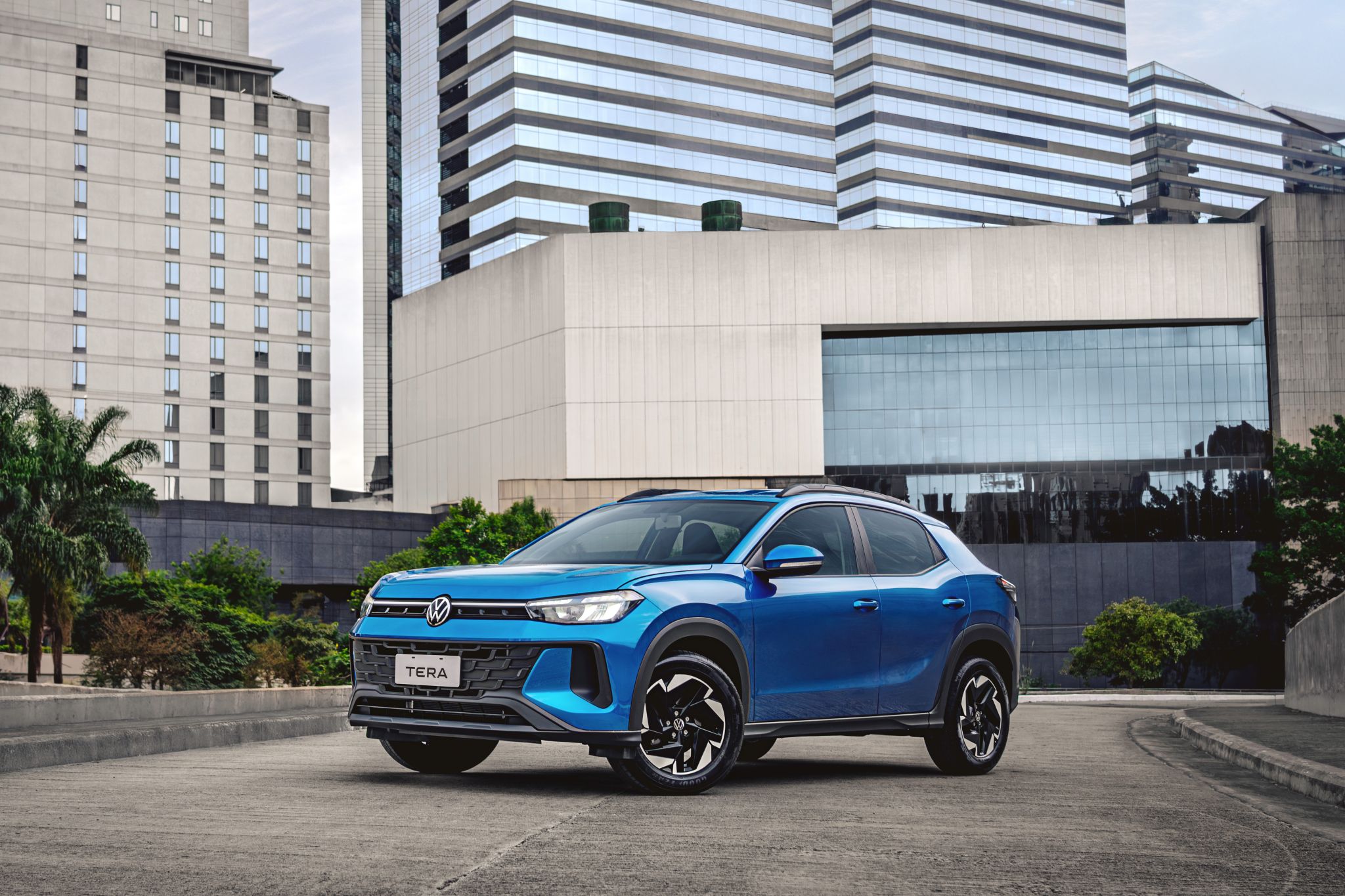
But he recalls that the analysis of each brand can be complex, as it depends on the company’s decisions. The expert cites launches, such as the VW Tera, and Fiat’s focus on direct sales as factors for the growth of these brands.
Toyota, on the other hand, was affected by the damage caused to its engine plant in Porto Feliz (SP), as a result of a storm in the second half of 2025. While Honda is cited as the most affected by the Chinese and needs a renewal to seek the young audience.
The growth of Chinese brands tends to stabilize in the future. Kalume sees a possibility of this occurring within three to four years. In part, this will be affected by traditional brands bringing direct responses to these models.
We can already see a movement of the type, with Chevrolet bringing the Chinese Spark EUV and the Captiva EV. Stellantis has Leapmotor in its list of brands, which is Chinese and has national production planned. Renault joined Geely, which bought a chunk of the French company’s facilities in São José dos Pinhais (PR).
As for the Chinese women who are arriving, some of the 14 currently present in the country will be established. Kalume sees the bigger ones with the best chance of success:
Finally, I understand that there are already many Chinese brands in Brazil and it will not be difficult for one to cause some problem… I don’t see the largest and already established ones making gross mistakes, but the independent ones take risks and, worse, bring risks to the Brazilian consumer.”
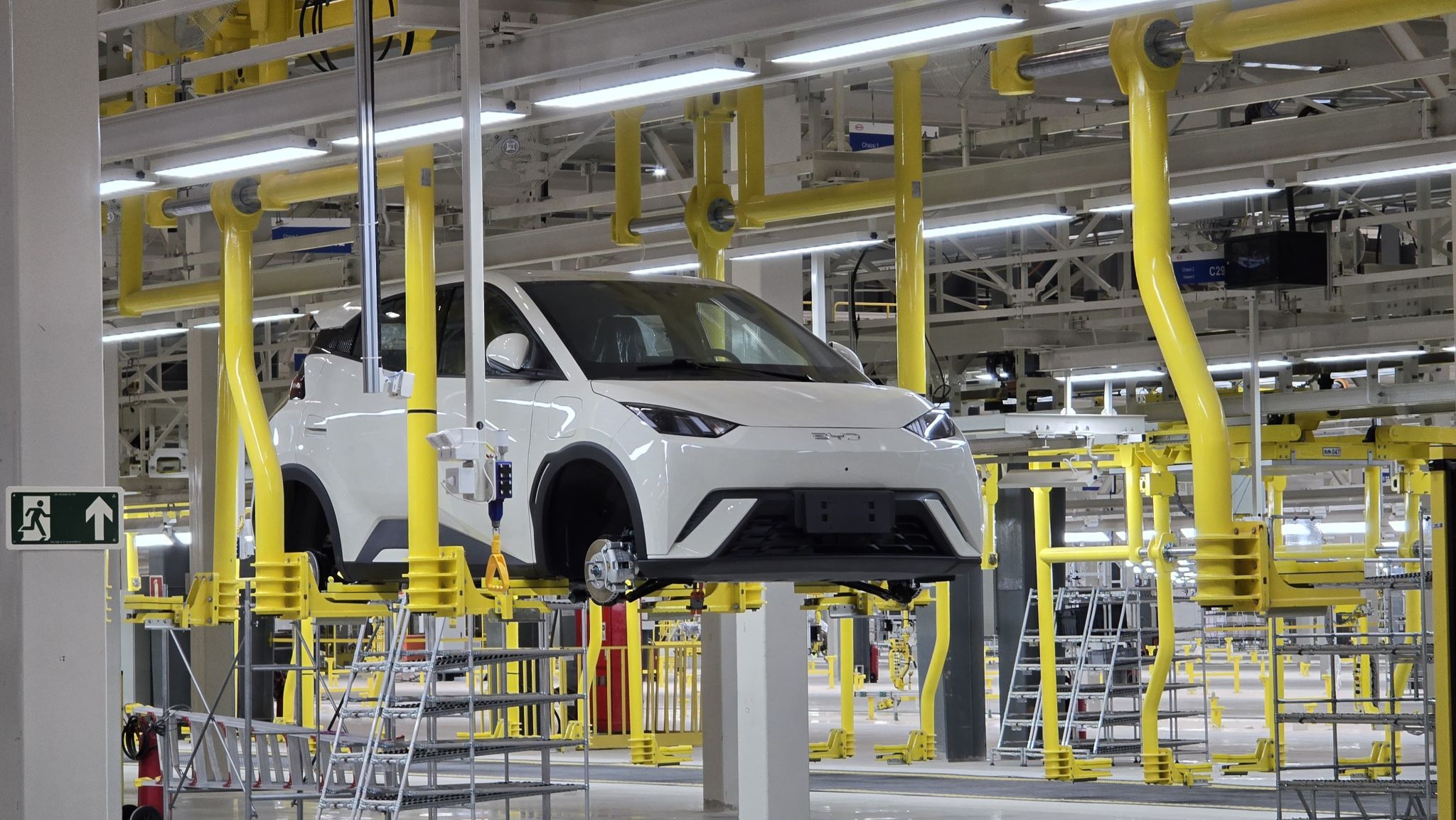
Brazil has a mature automobile industry, capable of producing most of the components and developing new cars locally. The nationalization rate in Volkswagen cars is 85%, for example.
The advance of the Chinese began in imports, taking advantage of the exemptions from import taxes for electrified cars. As usual, the volume of imports became significant to the point that Anfavea pleaded for the return of the tax.
The tax returned in 2023 in a staggered manner, until it reached the rate of 35% that is charged for purely combustion vehicles in July 2026. The justification was to encourage the nationalization of these cars and protect the industry.
To get around this tax, Chinese brands have begun to sound out factories or partnerships in Brazil, starting with the CKD or SKD regimes. This generated criticism from Anfavea. These processes consist of importing the cars disassembled into kits, with the local work being limited to putting the components together.
According to the association, the adoption of these regimes in high-volume cars would cause an impact of R$ 103 billion in the sector, with a loss of 69 thousand jobs in manufacturers and 227 thousand jobs in suppliers.
We consulted BYD to find out the brand’s position on this, but it did not respond. We also consulted GWM, which returned to us by means of a note:
GWM understands that this is a topic that it cannot comment on properly, since its production model in Brazil is based on the “Part by Part” system, which involves a higher level of industrialization than the SKD and CKD regimes. At the Iracemápolis (SP) plant, 100% of the vehicles go through complete painting and body building processes in the country, adding greater local content and manufacturing stages.”
BYD announced in 2025 that its cars would be made under the SKD regime in Brazil and would already have nationalized production in 2026. So far, they have not given news about supplier contracts.
The Caoa group, which started producing the Changan Uni-T in Anápolis (GO) under the CKD regime, has already said that the car will have nationalized components soon. The company also produces Chery cars in the same unit.
The Geely, GAC and Leapmotor brands have already presented concrete plans for national production, starting with the CKD regime. Other brands, such as Omoda & Jaecoo and Jetour, have shown their intention to assemble vehicles in Brazil, but have not given details about the location and form of production.
Brazil is not only a major industrial hub for domestic consumption. The cars made here are exported throughout the American continent and some cross the oceans towards Africa and the Middle East. The nationalization of these cars can expand business possibilities.



