Catching workers in a regime close to slavery in a factory in Bahia led to punishment for BYD, which has its name included in the government's 'dirty list'
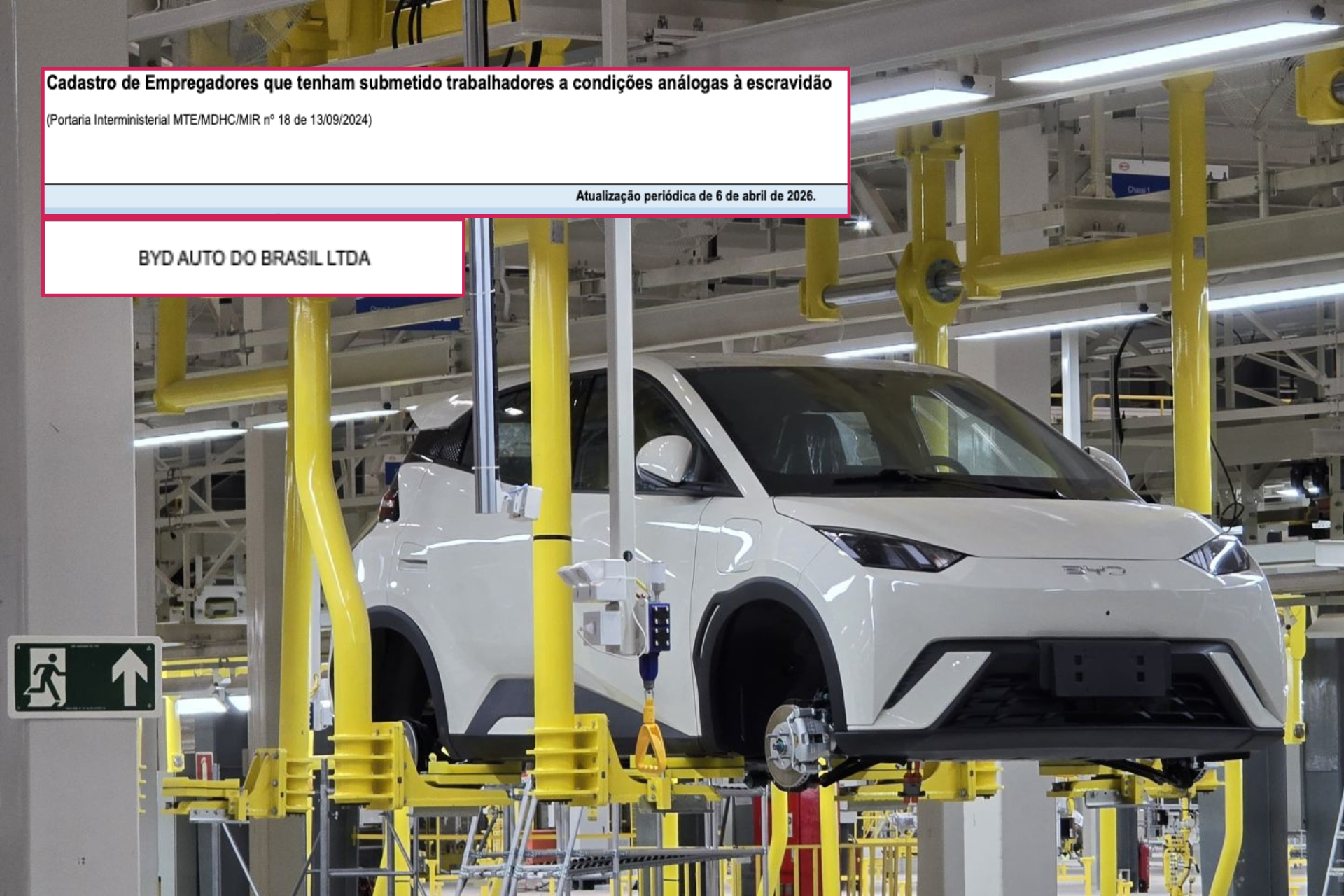
The Ministry of Labor and Employment has included BYD on the ‘dirty list’ of slave labor in Brazil. This is the name given to the document that, according to the ministry, lists “employers who have subjected workers to conditions analogous to slavery”. The name of BYD Auto do Brasil Ltda. has been on the list of employers since the update last Monday (6).
The update of the document, released in early April 2026, may lead to economic sanctions on the Asian automaker in Brazil, its largest market outside China, although it does not determine the embargo or the stoppage of its manufacturing operations in the country.
The ‘dirty list’ is an instrument of the federal government to register and provide transparency to confirmed cases of labor exploitation after the conclusion of the administrative process. The main technical implication for the companies included is the blocking of certain credit lines, for example.
Public financial institutions and private banks that are signatories to the National Pact for the Eradication of Slave Labor restrict or prohibit the granting of financing and loans to these employers. This limitation directly affects the planning of fundraising in the domestic market. In addition to the financial lock, the registration generates risks to the corporate reputation, although the government sanction does not impose the prohibition of the activities of the fined company.
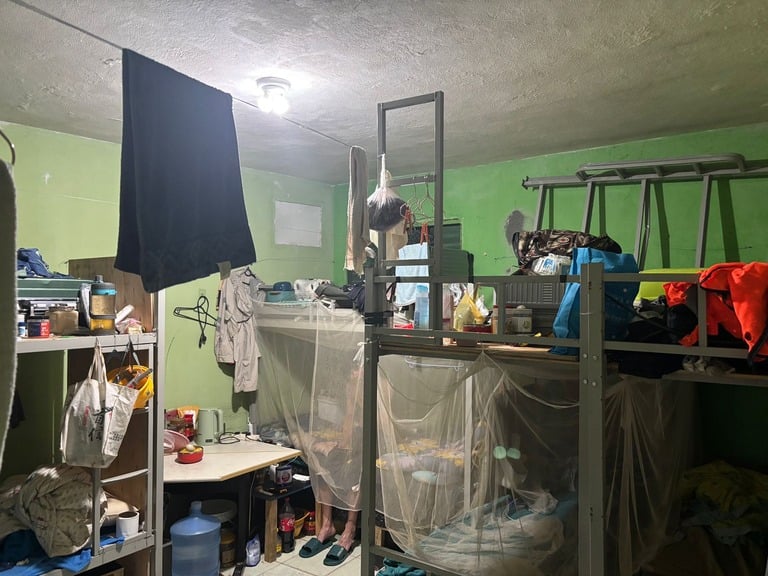
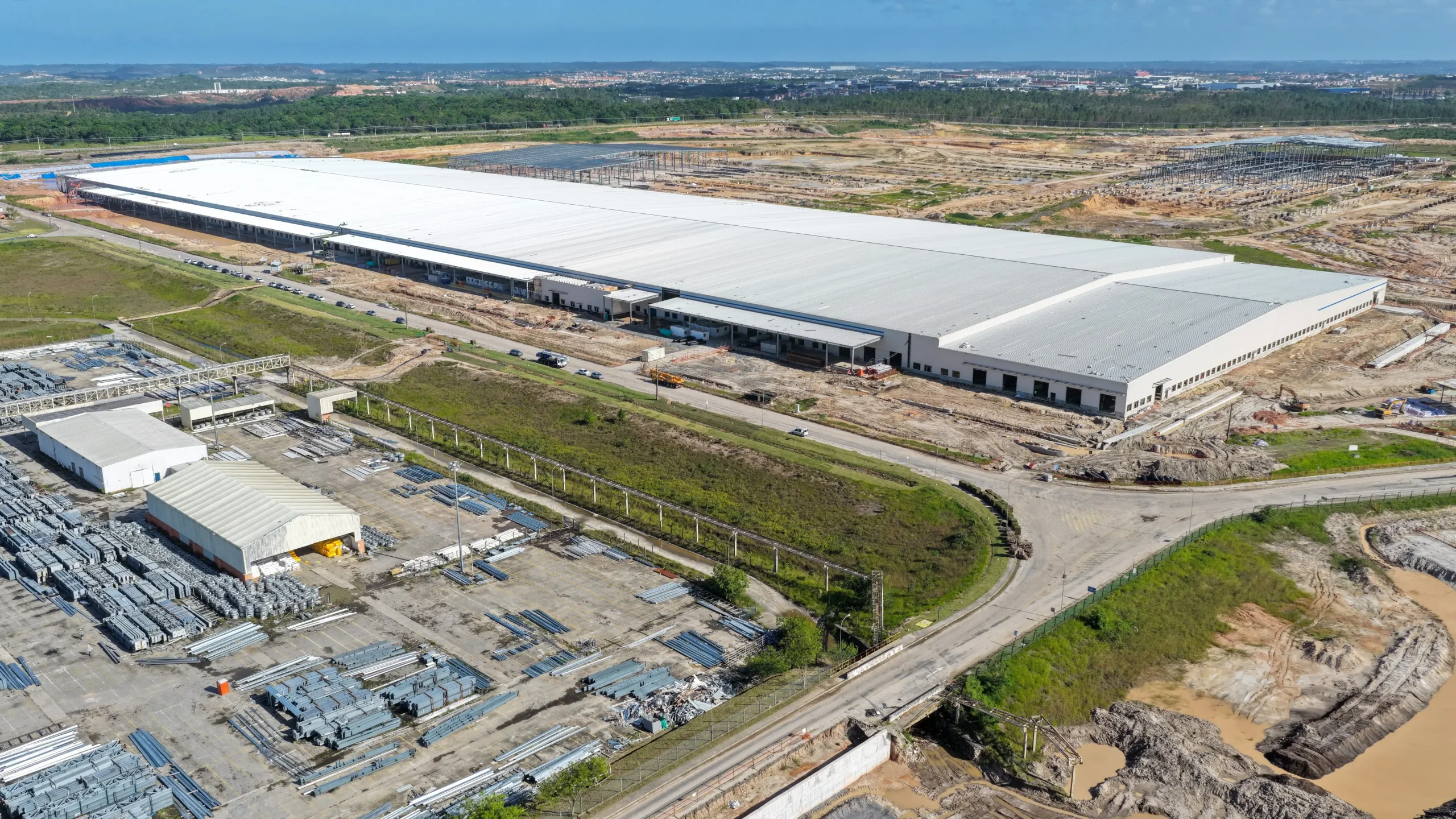
The sanction applied to BYD is the result of an inspection operation carried out at the end of 2024 at the installation works of its factory in Camaçari (BA). At the time, labor inspectors identified 163 workers of Chinese nationality acting irregularly. Official reports recorded exhausting working hours, degrading housing conditions, application of contracts with abusive clauses, and evidence of international trafficking in persons.
The recruitment and direct management of the professionals were carried out by the Jinjiang Group — a third-party company hired for the construction of the complex. The Ministry of Labor, however, also held BYD responsible, since it had the duty to strictly supervise compliance with the health and safety standards applied by service providers on its premises.
Sought after inclusion in the register, BYD did not issue an official position. At the time the complaints were made public, the company declared that it was unaware of the labor violations and argued that the operational responsibility was the service provider’s. The Jinjiang Group, for its part, denied all the accusations pointed out by the tax auditors.



