This season there were some record breaks in the category that have not yet been surpassed and there was even the disappearance of jewels
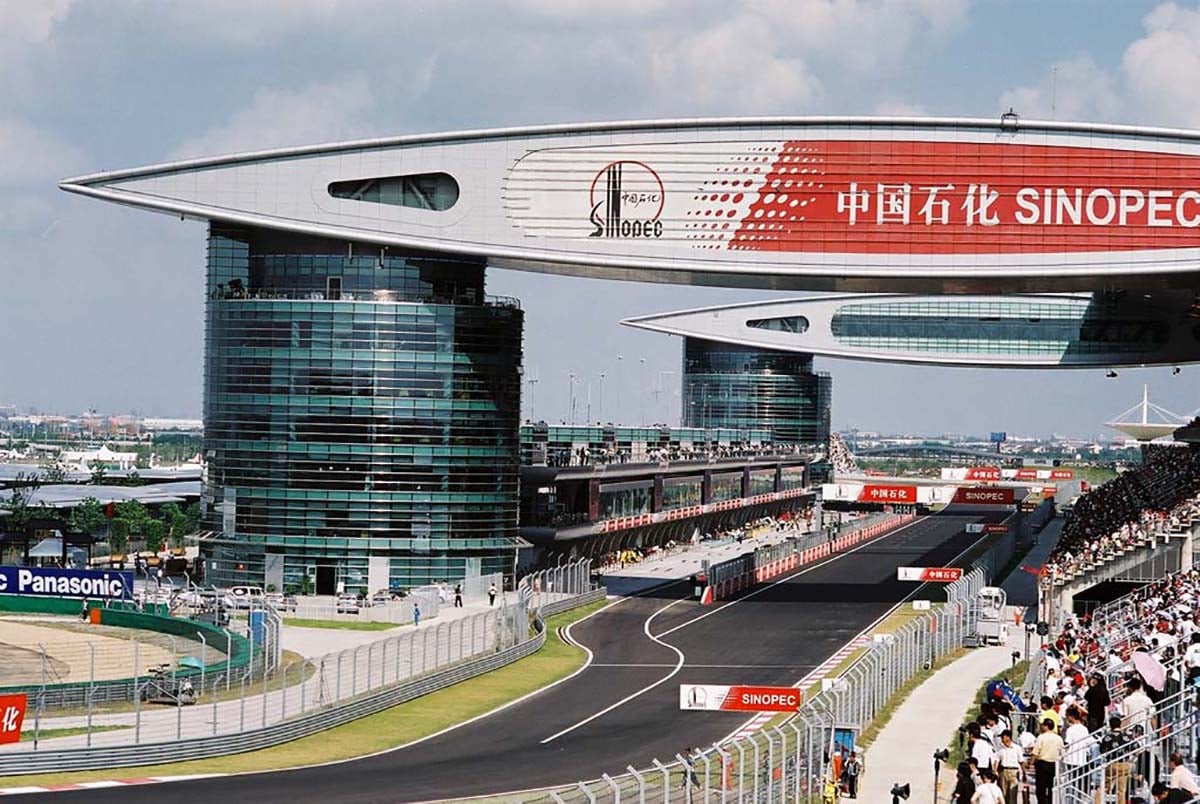
This weekend’s Grand Prix is China, which debuted in F1 in 2004 along with Bahrain. It was a very remarkable year for the category and the first, so far, with more races outside Europe than inside.
This has become a standard in the series, with more and more races around the world as the years go by. The expansion helped in the popularization of the category.
SEE ALSO:
In 2004 the calendar was reorganized, one of the changes was to move the Brazilian Grand Prix to the end of the championship. In previous decades, our country was at the beginning of the season.
The champion was Michael Schumacher, who won his 7th and final F1 title in 2004. The changes in the regulations for the following year and Renault’s onslaught with Fernando Alonso broke Ferrari’s hegemony with the German.
The regulations have also changed, with a focus on reducing the electronics of the cars that favoured the rich teams. In 2004 the launch control and the gearbox with automatic shifts was banned. Traction control continued until 2008.
The FIA also implemented that the engine should last the entire weekend, changes would be penalized making the driver lose 10 positions on the grid. Today this has become even more restricted, there are four engines for the whole season.
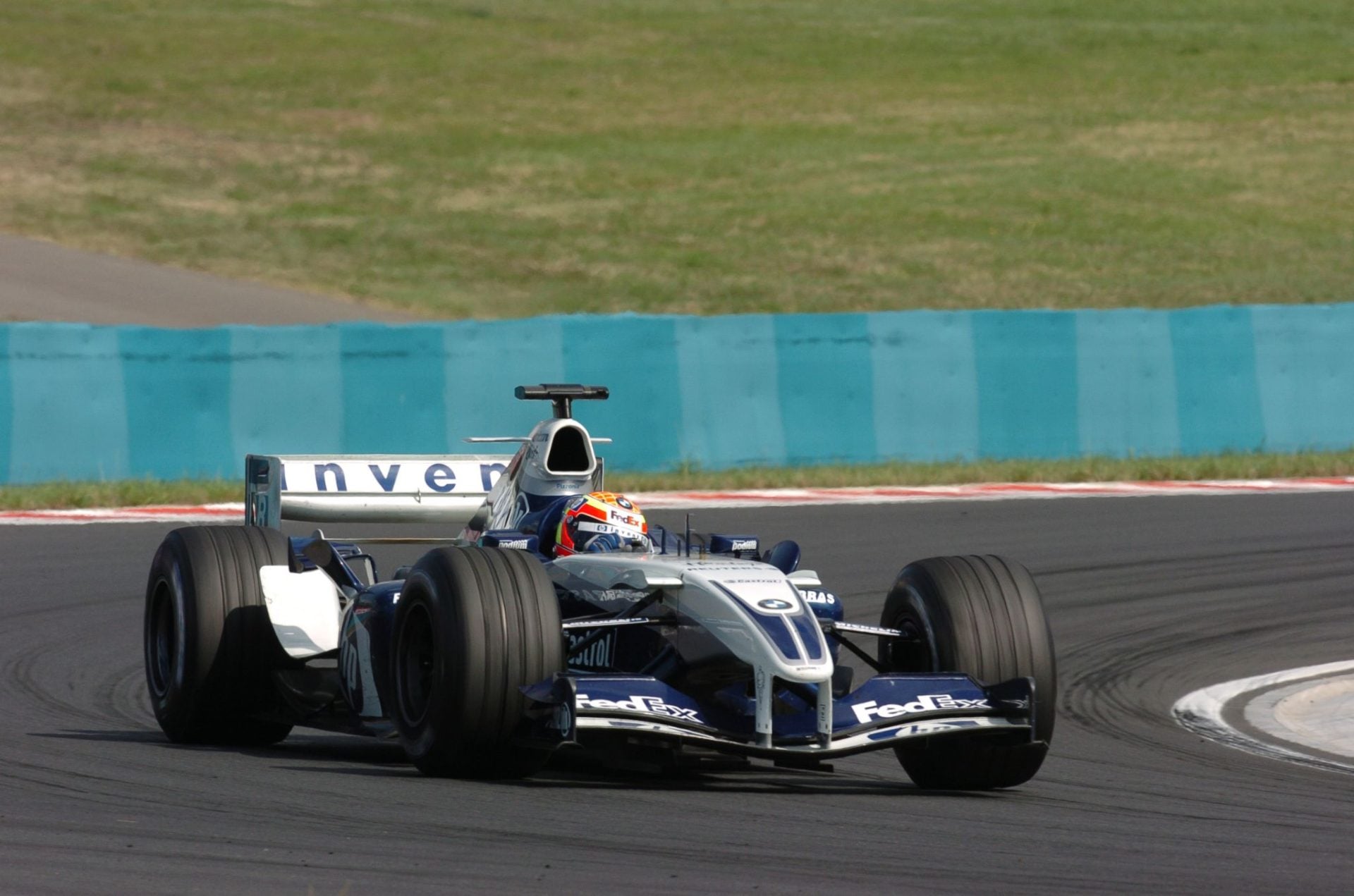
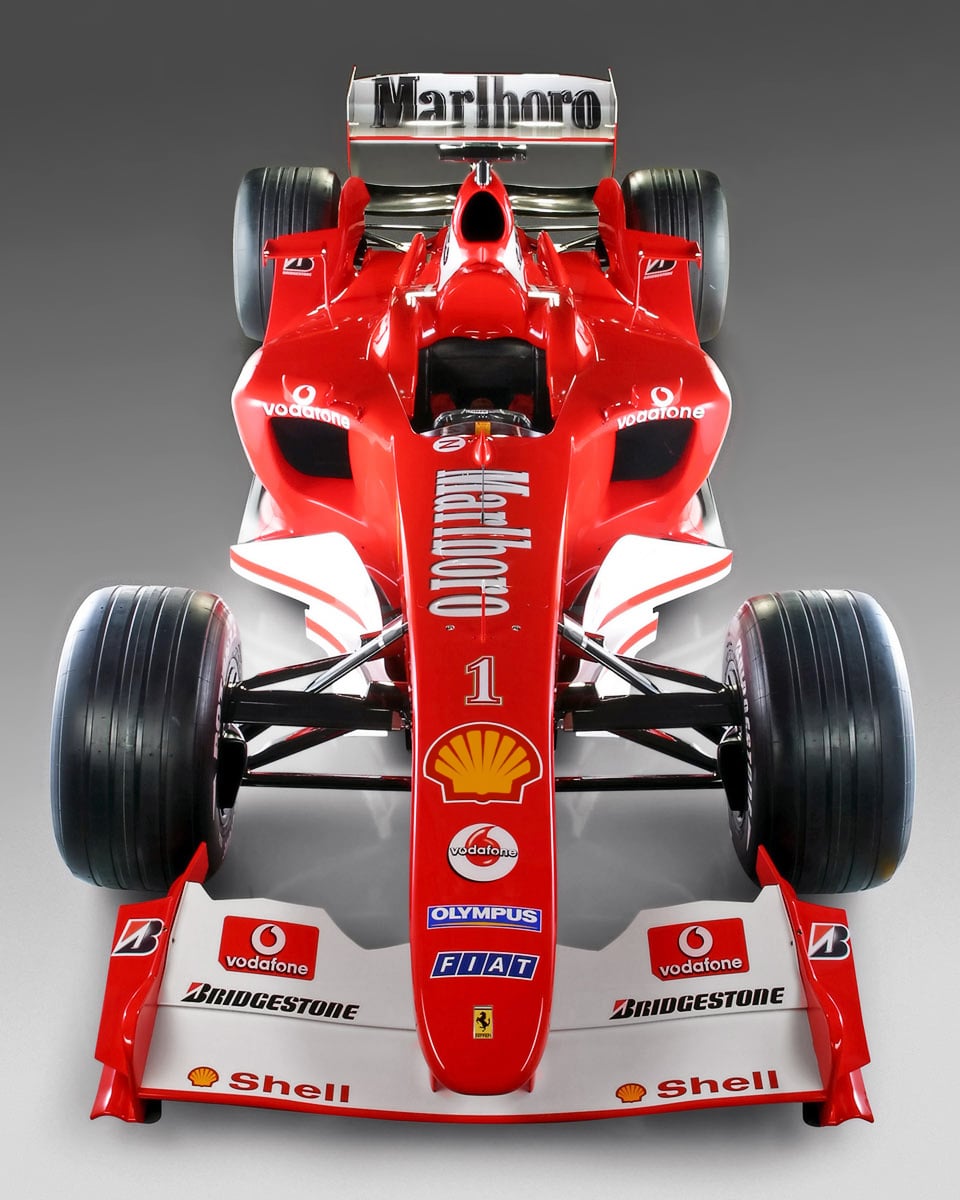
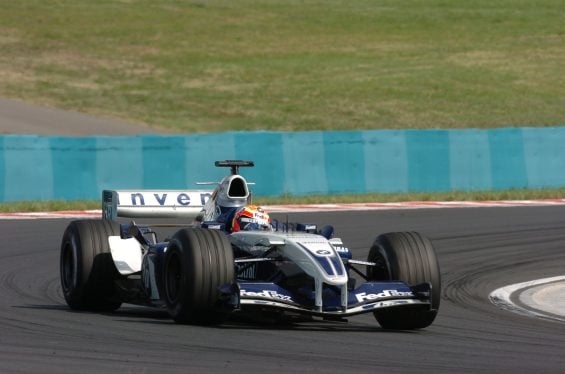
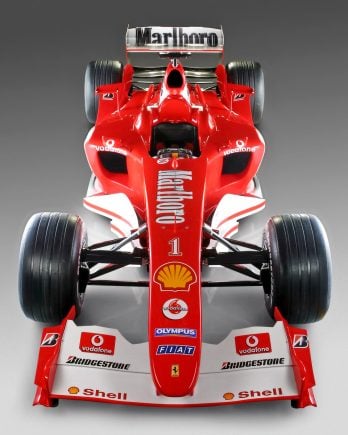
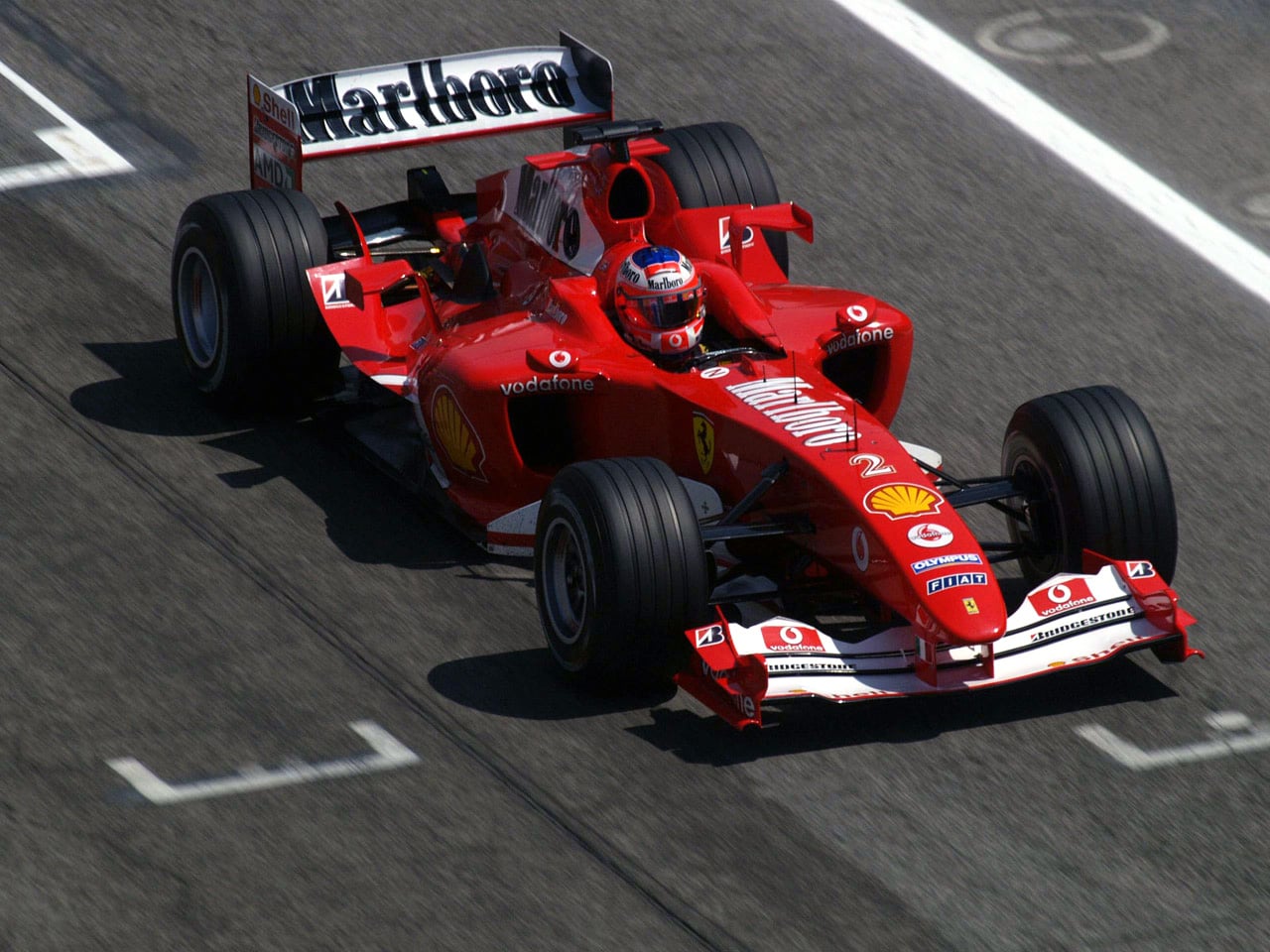
As far as cars are concerned, the 2004 regulations were close to previous years. They used 3.0-liter naturally aspirated V10 engines with power that exceeded 900 hp in the qualifying set-up. The gearbox was sequential with six or seven gears.
These V10s produced a beautiful symphony and rotated at more than 18 thousand rpm. The car weighed just over 600 kg, measuring 4.54 m long and 1.79 m wide. It makes the single-seaters of the current season look like trucks.
For many, including this reporter, the 2004 cars were the last to be truly beautiful in Formula 1. In 2005 the regulations began to require some changes in aerodynamics and the cars were receiving some dubious appendages in the look.
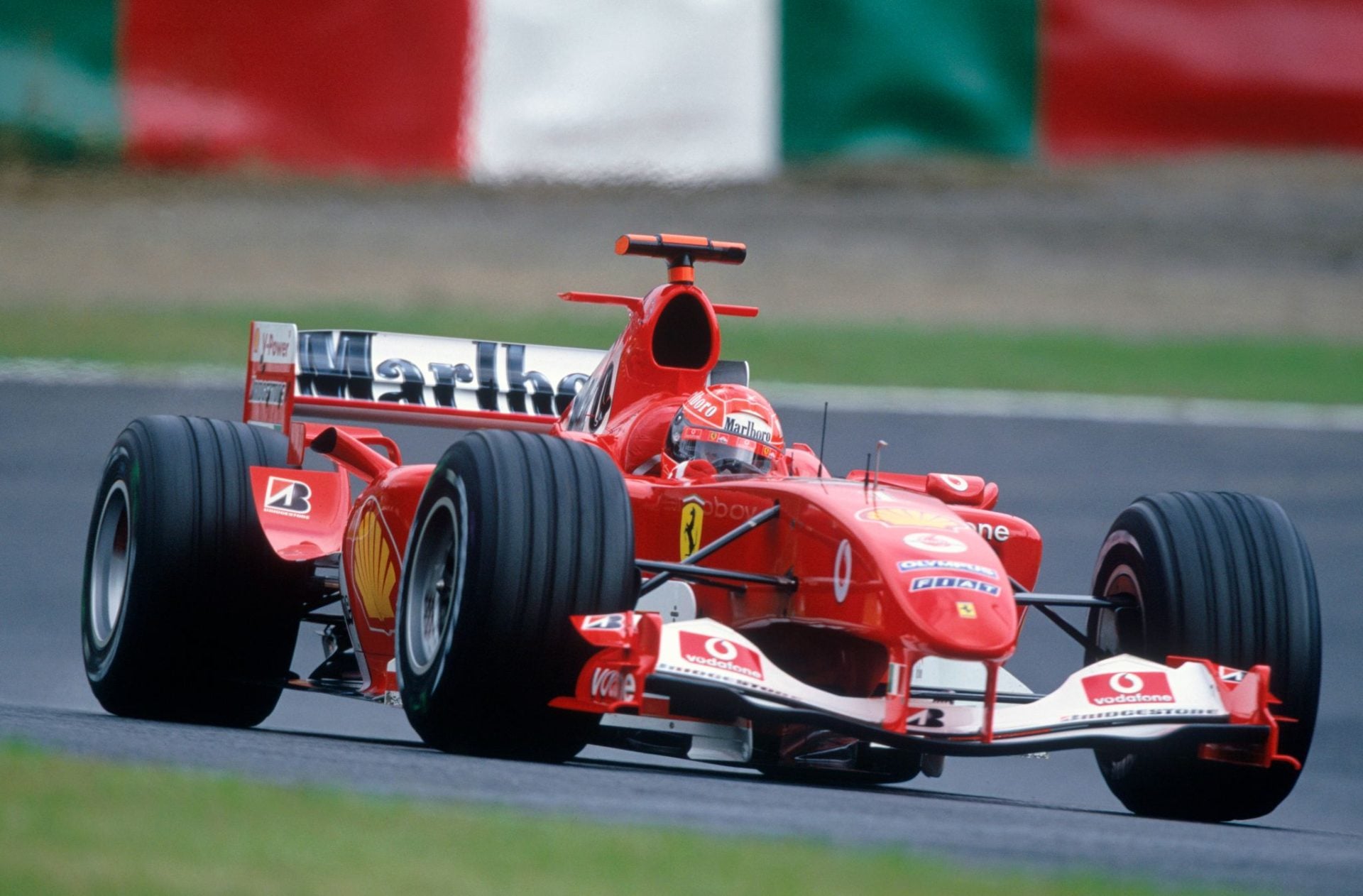
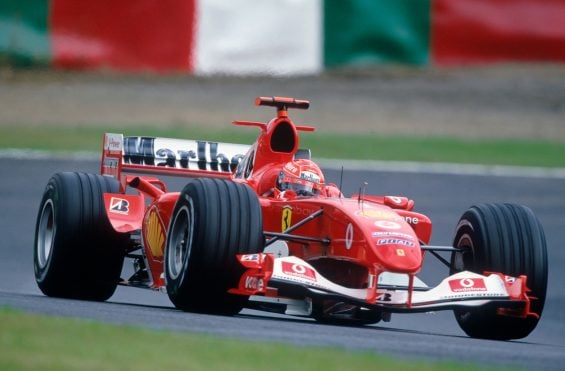
The Ferrari F2004, which was driven by Michael Schumacher and Rubens Barrichello, is considered the fastest car in the category. She holds the record to this day in four racetracks: Hungaroring (Hungary), Magny-Cours (France), Albert Park (Australia) and Shanghai (China), all set by the German driver.
The car also held the record at Monza (Italy), Nurburgring (Germany) and Gilles Villeneuve (Canada). The first two were beaten in 2020 and the third in 2019, demonstrating how competitive the car still is.
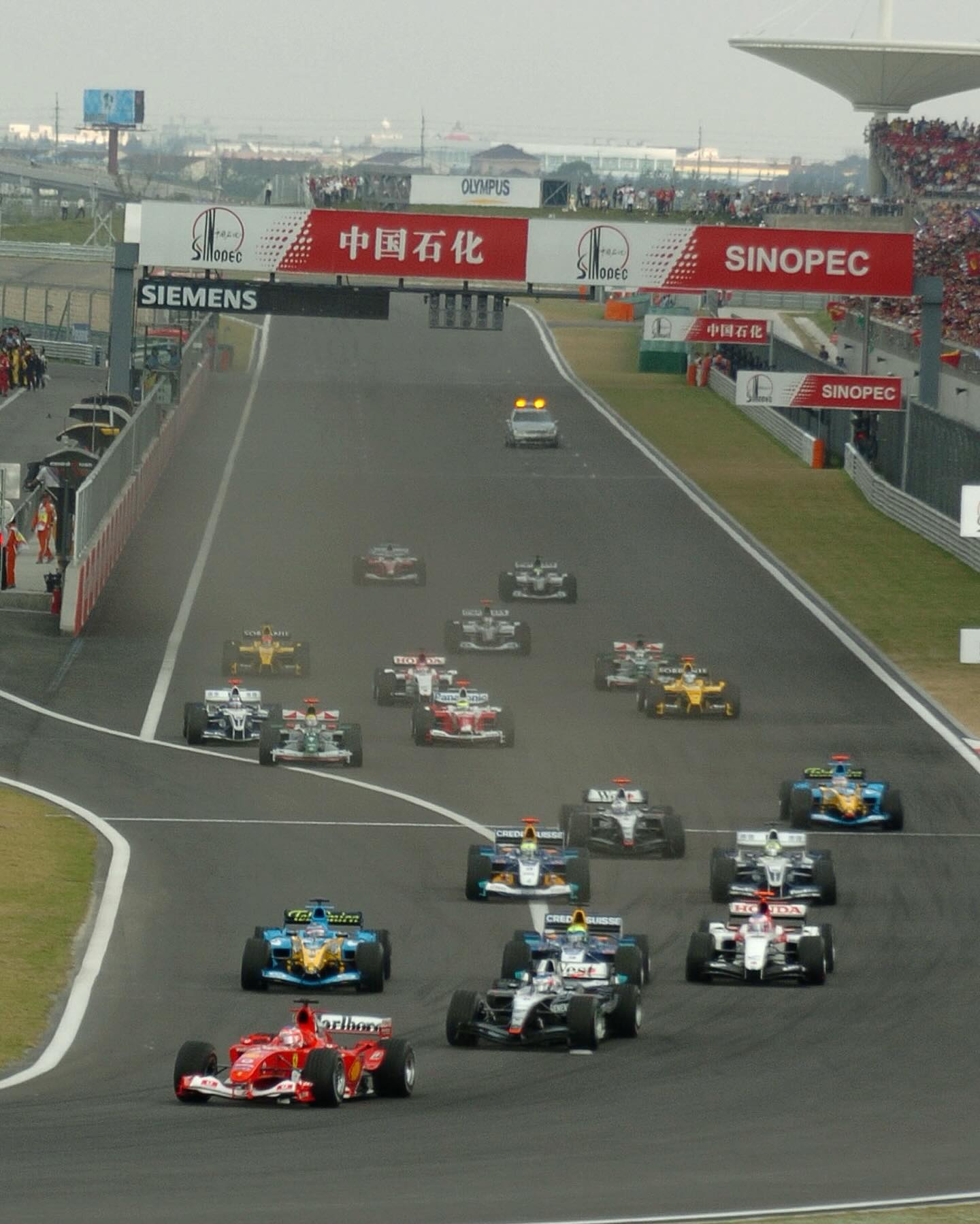
Returning to China, the Shanghai racetrack was new and was inaugurated months before the F1 race. It was designed by Hermann Tilke, who is criticized for making boring clues.
The Shanghai Autodrome measures 5.45 km and has a straight distance of 1.17 km between turns 13 and 14. The region where it was built had swampy soil and was far from the city in 2004, today the view of the track is already taken by buildings.
The record set by Michael Schumacher in 2004 was 1:32.238. Despite having achieved the fastest lap, the winner of the GP was the Brazilian Rubens Barrichello, for the second consecutive time after being on top of the podium in Monza.
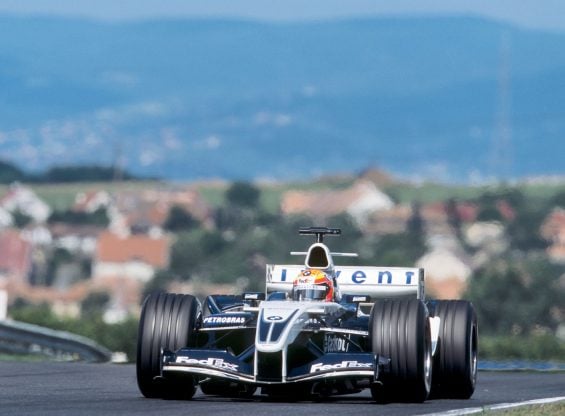
Brazil is one of the countries outside Europe that has produced the most Formula 1 drivers. We had our share of champions, with Emerson Fittipaldi, Nelson Piquet and Ayrton Senna.
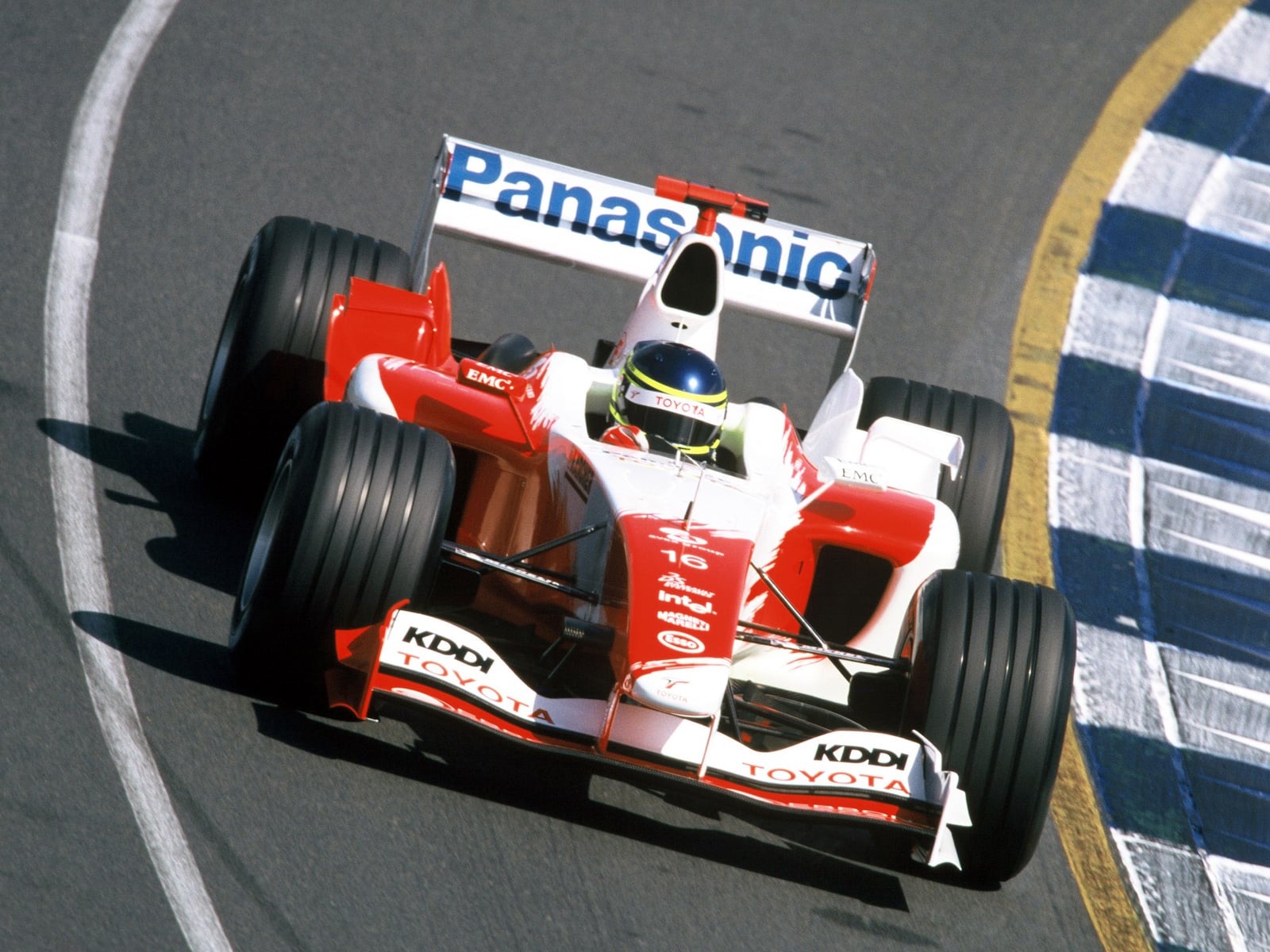
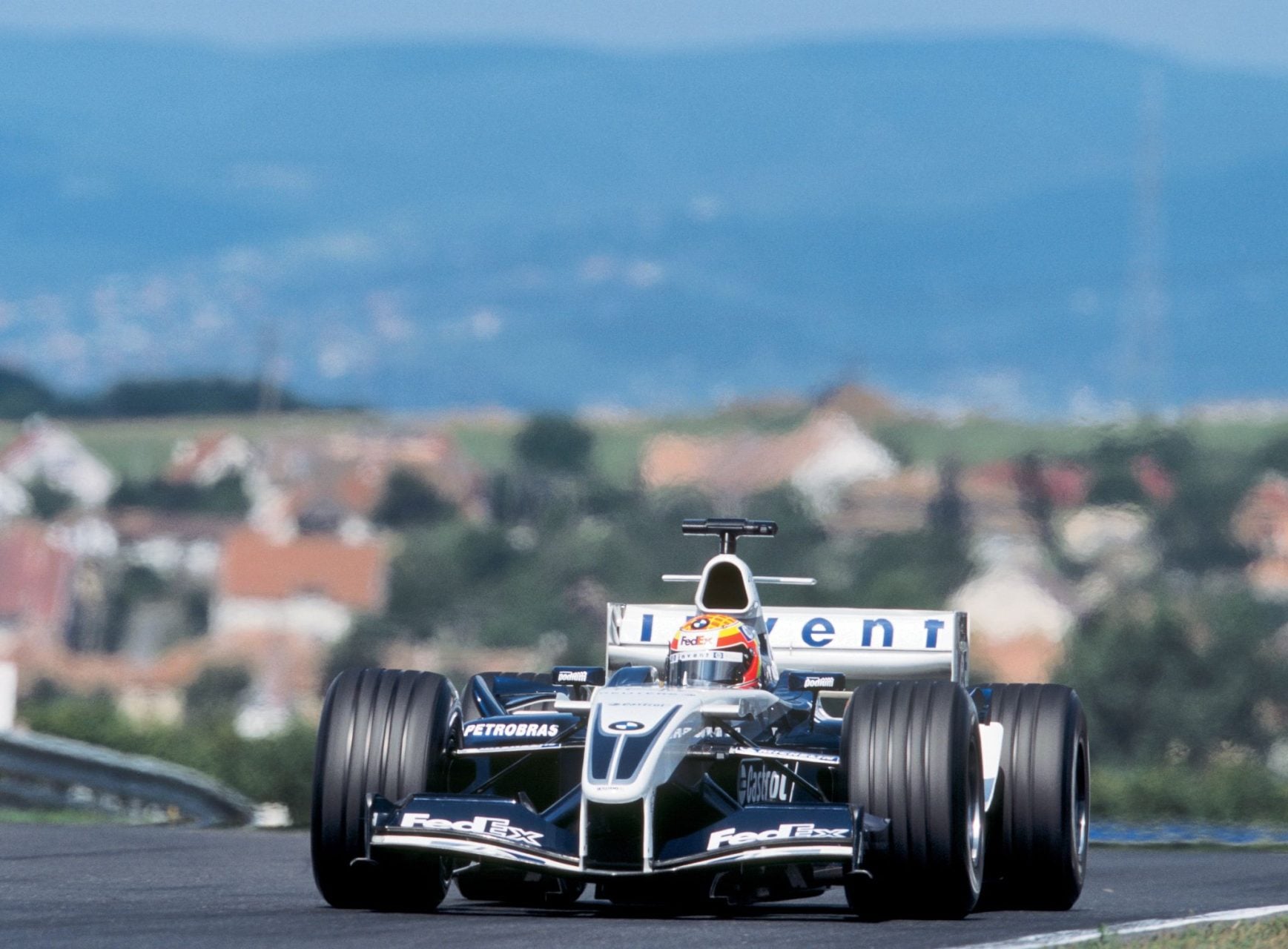
In the 2004 season we had five Brazilians racing, but not at the same time. As main driver were Rubens Barrichello, at Ferrari, Felipe Massa, at Sauber, and Cristiano da Matta, at Toyota. Antonio Pizzonia was a test driver at Williams and Ricardo Zonta had that position at Toyota.
Cristiano da Matta, from Belo Horizonte, left the team after the German GP, after making many criticisms of the car. In his place came test driver Ricardo Zonta, who participated in five races and had a best position of 10th place in Hungary.
Antonio Pizzonia raced in four Grands Prix in 2004. He replaced Spaniard Marc Gené, who in turn was racing with the injured Ralf Schumacher’s car.
Pizzonia finished 7th in three races and retired one, earning more points than Cristiano da Matta who raced in more than half of the season. He also set the record for the fastest speed reached by a Formula 1 car, reaching 369.9 km/h at Monza. But he was surpassed in 2005 by Juan Pablo Montoya.
Felipe Massa was in his third year in F1. In 2002 he raced for Sauber and in 2003 he was a test driver for Ferrari. In 2004 he finished the championship in 12th position.
In cold numbers, 2004 was the best year of Rubens Barrichello’s career in Formula 1. He finished in second place with 114 points and two wins, one in China and one in Italy.
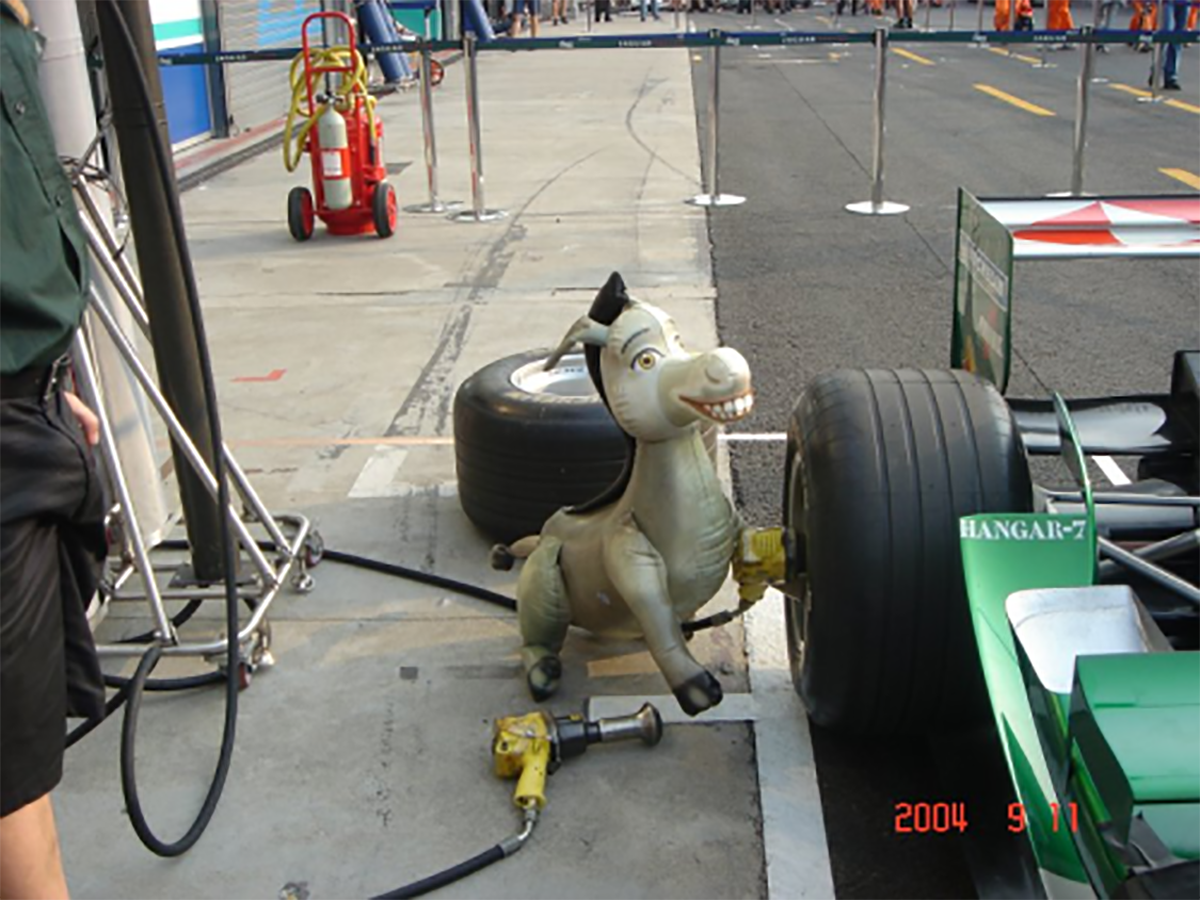
The Jaguar team last raced in 2004 and was bought by Red Bull. Knowing that it would be the last year, the British decided to have fun.
From the Belgian GP onwards, they used an inflatable donkey from the movie Shrek as a mascot. The toy appeared in photos in the paddock and behind the scenes as if it were a member of the team.
There’s been some brilliant drivers’ class photos at the end of the season. But not quite like 2004 when the Jaguar Donkey caused chaos by trying to take Michael Schumacher’s seat. Seems his team mate was more comfy. (Then @AussieGrit decided to whack his team mate with it.) pic.twitter.com/womwIhcdp5
— Getty Images Motorsport (@MSI_Images) December 7, 2018
Rubens Barrichello put the donkey in Michael Schumacher’s chair in the official photo of the Brazilian GP. The German joined in the joke and sat on the Brazilian’s lap.
At the end of the season all the drivers, Bernie Ecclestone and Max Mosley signed the toy, which was auctioned off to raise money for charity. Only Schumacher did not sign, but it was because he was not found on the day.
In the midst of this fun, Jaguar got a partnership to promote the film 12 Men and a Secret during the Monaco GP. In addition to the sponsorship painted on the car, gemstone dealer Steinmetz provided a diamond to sit on the nose of each team car.
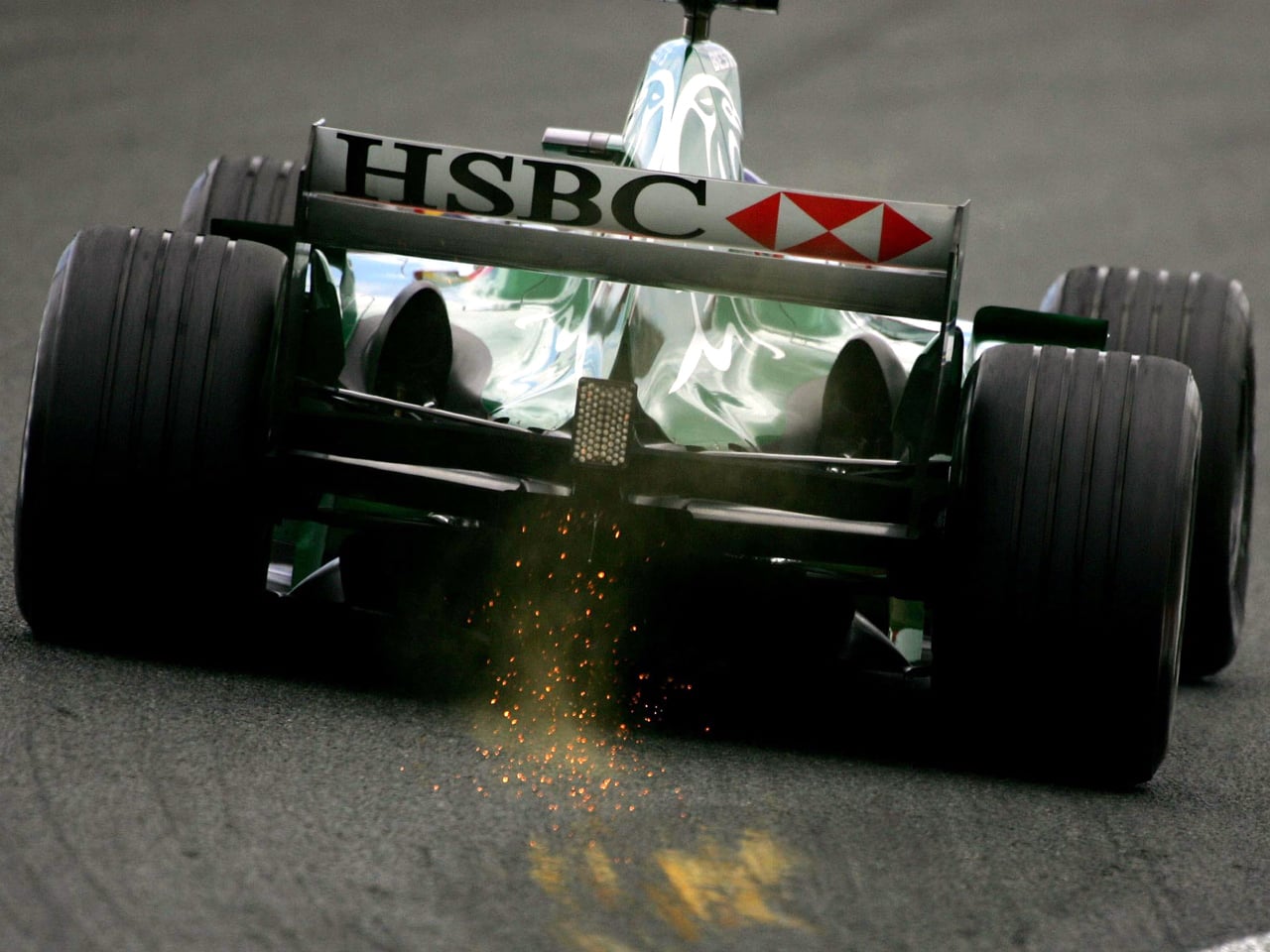
The stone was valued at US$ 300 thousand at the time, about US$ 1 million adjusted for inflation (R$ 5.25 million in direct conversion). The idea had everything to go wrong, as one of the drivers was an amateur and the tight track in Monaco generates crashes.
Said and done. On the first lap, rookie Christian Klien crashed his car head-on into the Loews hairpin after losing his front wing, with less than 1 minute of racing. When the car was towed, the diamond was no longer there.
The whereabouts are unknown. The organization searched the inspectors and did not find the diamond. To this day no one knows what happened, whether the precious stone fell on the track, flew in the crash, fell into a manhole or was stolen by someone.
To make matters worse, there was no insurance on the diamond because no company would agree to cover it. It was certainly a remarkable season, with records, beautiful cars and even the disappearance of jewels.



