AutoPapo sources say that the model is part of a universal proposal for the subcompact SUV market
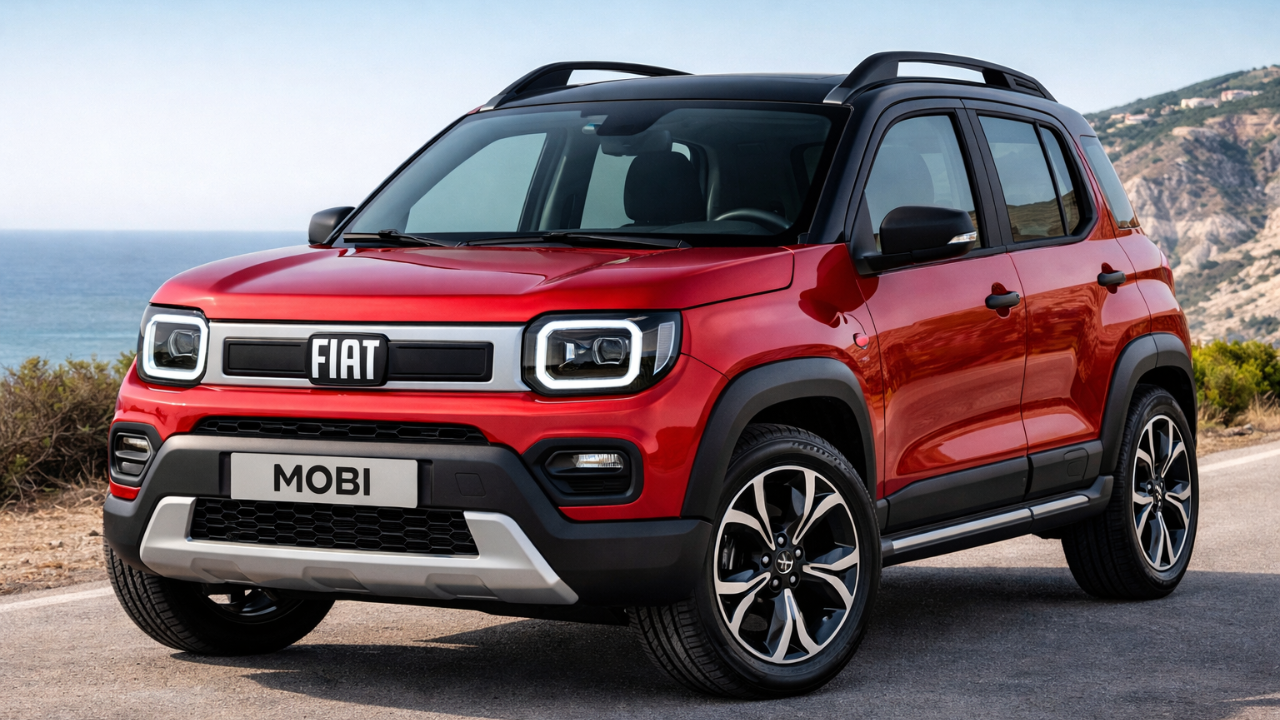
Fiat’s big news for 2026 is the arrival of the new Argo, a model derived from the Italian Grande Panda and which uses the CMP platform. This base, in turn, will also give life to other models here, such as Pulse, Strada, including the next Fastback, which was expected to arrive in two years, according to the schedule of five new models by 2030. However, sources from AutoPapo and Autos Segredos confirmed that the Mobi, itself, will cross the date and will be the big bet for 2028.
SEE ALSO:
Also according to our sources, the model is part of a globalization strategy by Stellantis. The subcompact hatch will be reformulated and will have SUV characteristics.
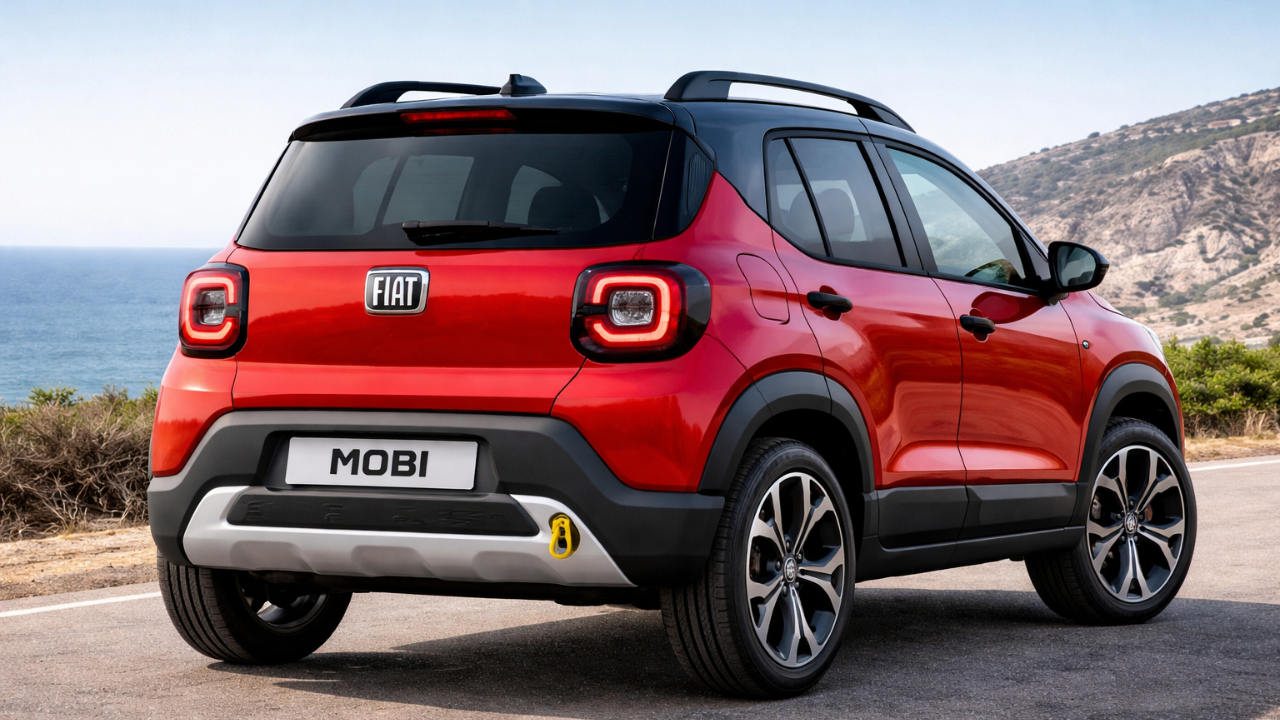
With the internal codename of F1X, the new Fiat Mobi will have, in addition to the same platform as the manufacturer’s other cars, equipment derived from the F1H (Argo), about to be launched. At least some of the simplest components, such as keys, wipers and mirrors, will be the same. The new “adventurer” will have significantly larger dimensions than the current generation.
With the new Mobi, Fiat aims to explore more diligently the base of the SUV segment, which today has the Pulse as its youngest. The Jeep Avenger, which will also compete in the A-SUV segment, will arrive in 2026 as a more sophisticated option in the Stellantis portfolio, also joining the Citroën Basalt.
Currently, the Mobi is Fiat’s (and also Stellantis’) cheapest vehicle in Brazil, costing from R$ 83.490. And it is also the second cheapest in Brazil, second only to the Renault Kwid (R$ 80.690). In addition, according to official data from the National Federation of Automotive Vehicle Distribution (Fenabrave), the model is the brand’s third most sold car, selling more than 60 thousand units per year in the last five years. The hatch is in good demand by fleet owners.
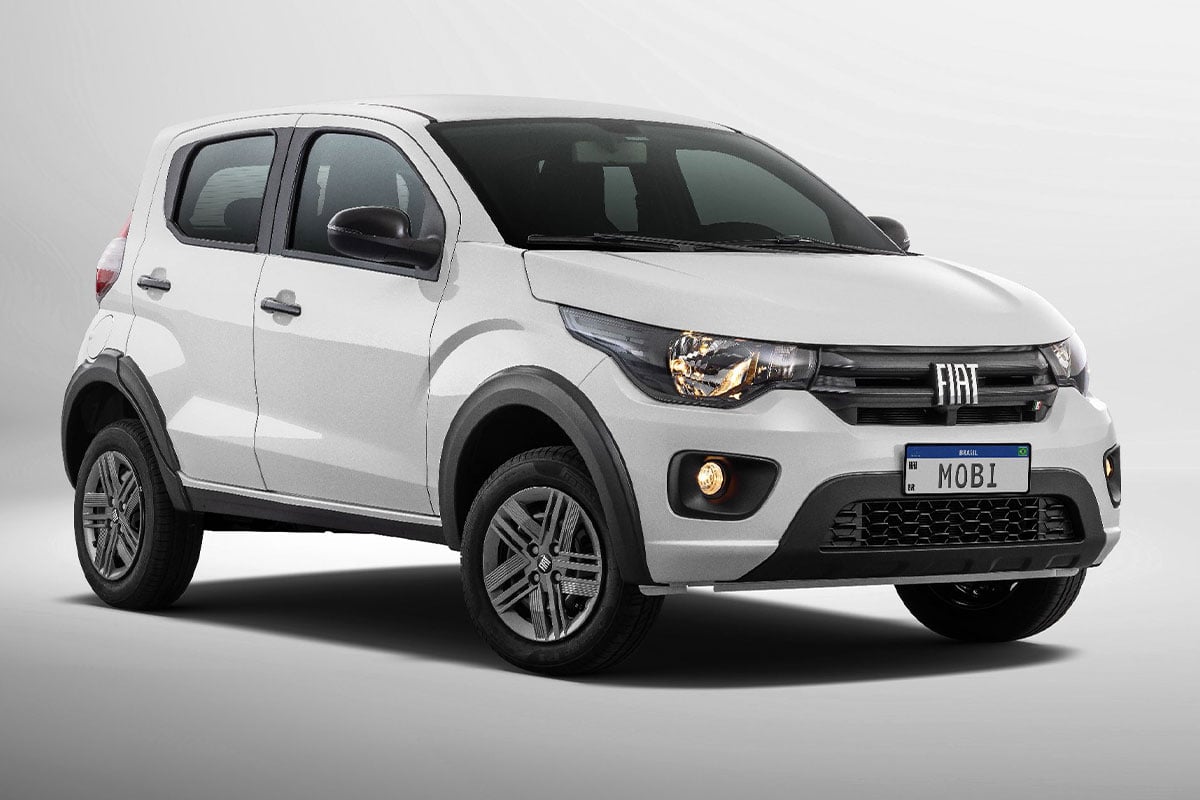
The Fiat Mobi was launched in 2016 and has only undergone a slight visual adjustment. However, as it is a functional entry-level car, without great emotional appeal, the little one goes on its way without the need for major aesthetic novelties, but suitable for safety and emissions standards.
But the impatient movement — which “runs over” the future Fastback — makes even more sense when thinking about Stellantis’ global strategy. The information provided to AutoPapo and Autos Segredos directs the integration between the Latin and European markets to be even more effective. This is because it is necessary to develop products that serve both here and there, to mitigate development costs and provide economies of scale during the car’s life cycle.
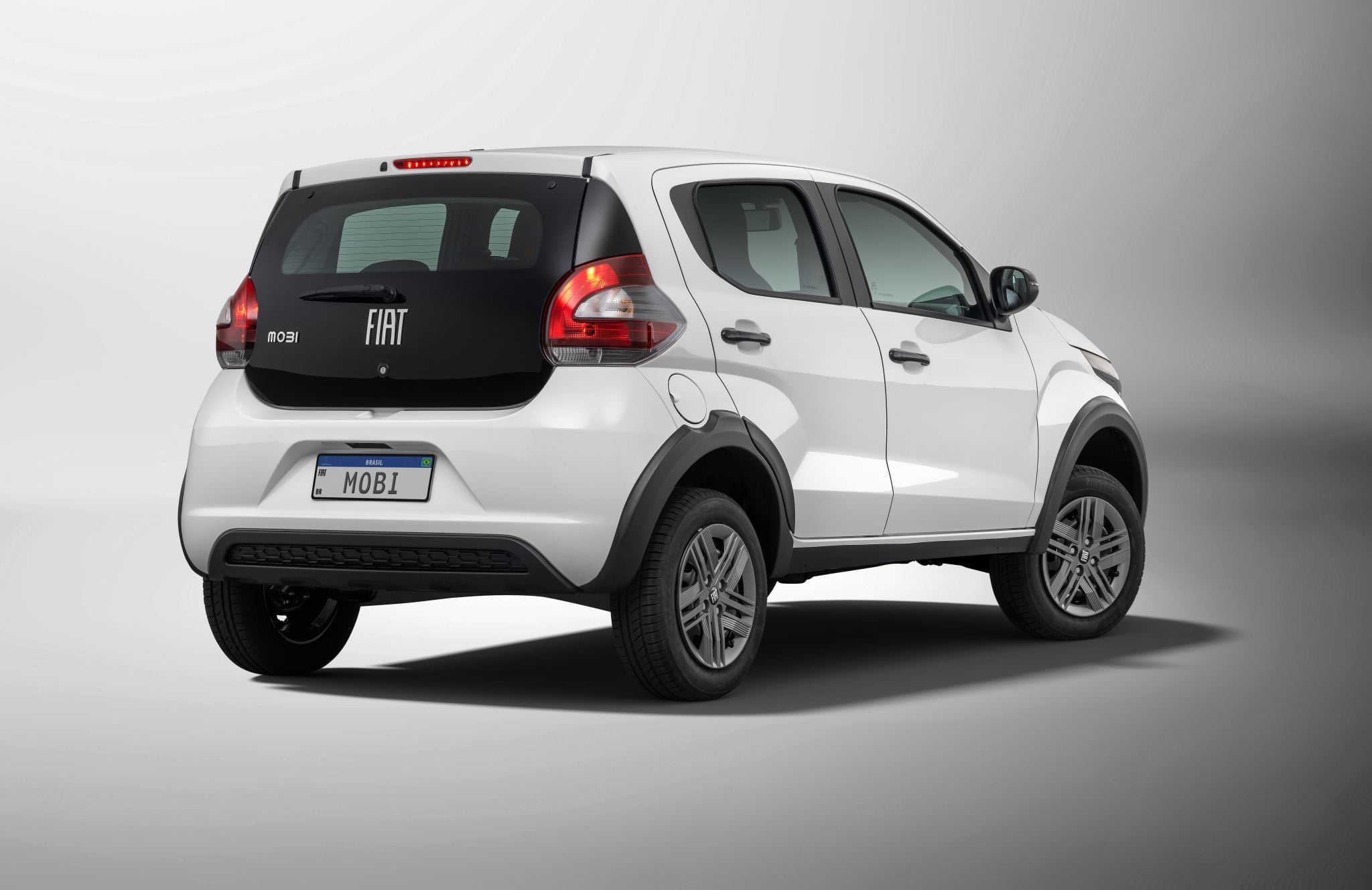
As stated by the editor of Autos Segredos, Marlos Ney Vidal, this strategy reconfigures the entire calendar of the brand. Previously, the Fastback was expected to arrive in 2027, the Pulse in 2028 and the Strada in 2029. The fall of the Fastback brings forward the Pulse to 2027, while the Strada and the new Mobi would be for 2028.
The F1X (Mobi) project is still in the early stages of its development, and Stellantis keeps its information under strict secrecy.
Despite the musical chairs, the new Fastback will still be renewed in Brazil and should debut in 2029. This strategy would confirm Fiat’s position to launch one model per year by 2030.
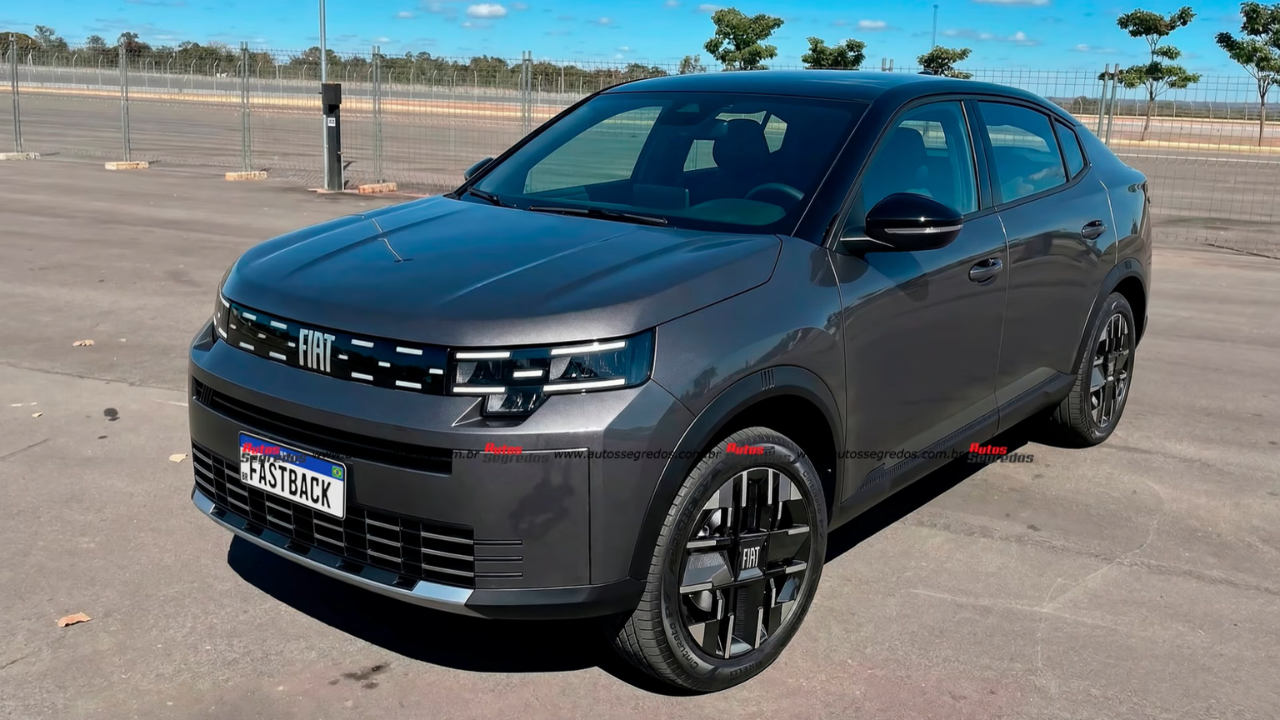
Our sources informed that the change in launches is strategic, and the model will first arrive in Europe, where it is under development by the Italian team. There, the model is seen as strategic in the new phase of Fiat, which urgently needs new products. And here, the performance of the coupe SUV is impressive. In 2025 alone, there were 57 thousand licenses. That is, the model still has a lot of wood to burn here.
Unlike the new Fiat Mobi, the second-generation Fastback is already in advanced stages of development. Known internally as the F2U Project, the coupe SUV will also be built on the CMP platform, the same one that will debut in the next generation of the Argo and the future Mobi, which is also present in the Citroën C3 (and derivatives), as well as Peugeot 208 and 2008, and also in the Jeep Avenger.
As can be seen in the projections made by illustrator João Kleber Amaral, provided by Autos Segredos, the model will undergo a profound visual reformulation, bringing its design closer to the lines of the new European Great Panda. At the front, the SUV should adopt straighter and more robust features, with sharper headlights and a cutout that advances over the bumper. The front grille will be more horizontal and integrated into the headlights, while the lower air intakes will be responsible for cooling the mechanical assembly.
At the rear, the Fastback should adopt taillights with a “pixelated” effect, interconnected by a horizontal bar that runs along the entire trunk lid, reinforcing a cleaner and more modern visual identity. The model name will also appear centered on the tailgate.
Under the hood, the SUV will keep the 1.0 Turbo Flex T200 Hybrid engine, but with adjustments to meet the new emissions standards scheduled for 2027. The power will be slightly reduced and the set will continue to work with the CVT gearbox that simulates seven gears. However, torque will be preserved in the range of 20,4 kgfm.
The 12-volt mild hybrid system (MHEV) will also be maintained, with a focus on energy efficiency. It uses two batteries — one lead-acid, in the engine safe, and another lithium-ion, positioned under the driver’s seat — managed by an electronic module that controls the distribution of energy.
Another highlight is the 12 V and 3 kW multifunctional electric motor, which replaces the conventional alternator and starter motor. This system acts in different situations, such as automatic shutdown at stops, assistance during accelerations and energy regeneration during deceleration, allowing you to recover part of the energy that would otherwise be wasted.
In practice, the set contributes to reducing fuel consumption and emissions, in addition to enabling tax benefits in some markets, such as tax discounts or exemptions and circulation restrictions.
The first prototypes of the F2U Project should be produced in the second half of the year, with a European debut scheduled for the end of the first quarter of 2027, already as a 2028 line.



