Jeep Commander Blackhawk 2026 arrives with few changes, such as an electronic gear selector and soft plastic in the headlights and taillights
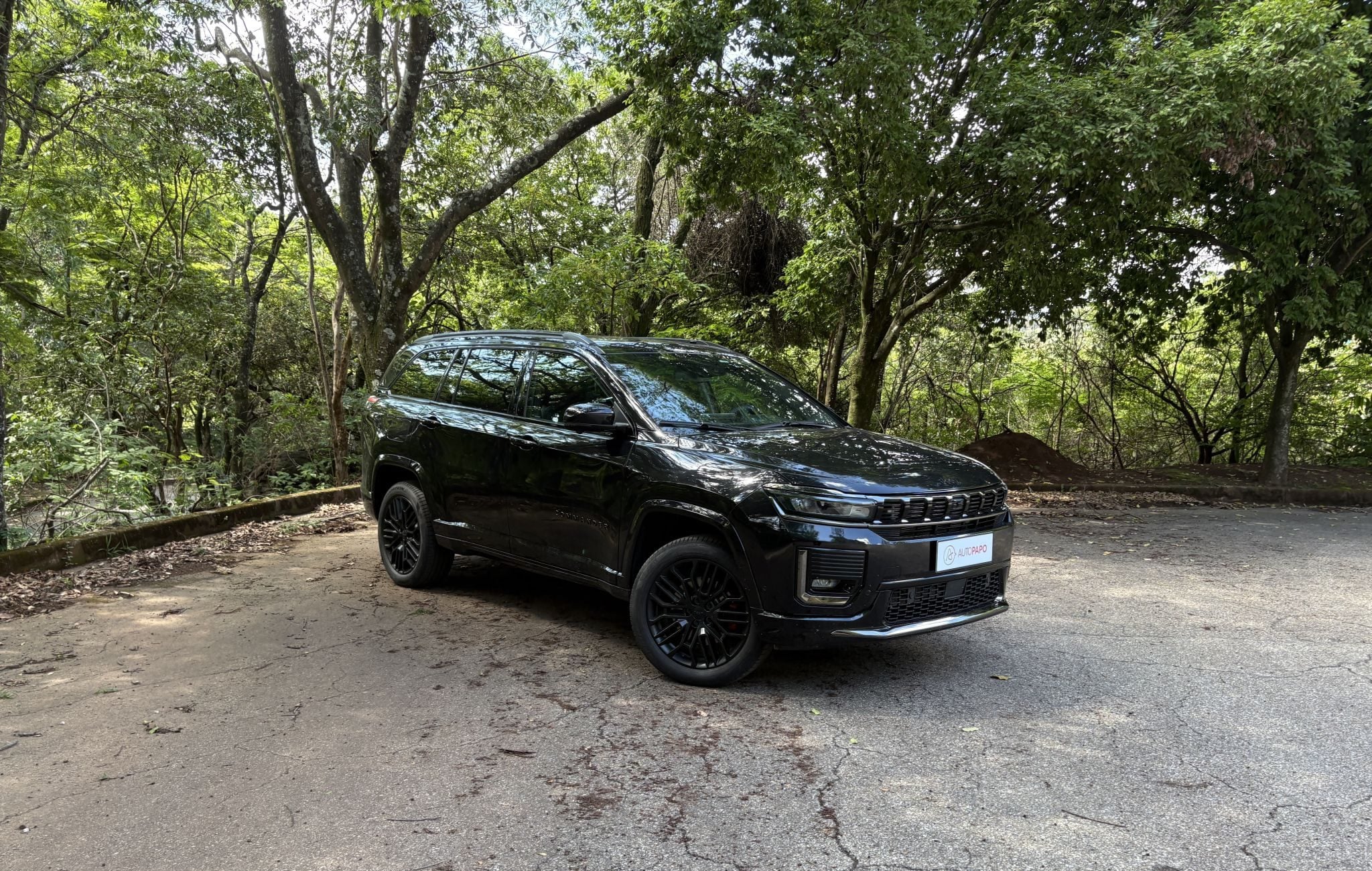
The Jeep Commander has undergone its first visual update since launching in 2021. The 2026 line brought discreet changes, but enough to update the model in the face of the competition, especially in the Blackhawk version, which remains the top of the line and the main technological and mechanical showcase of the national SUV.
SEE ALSO:
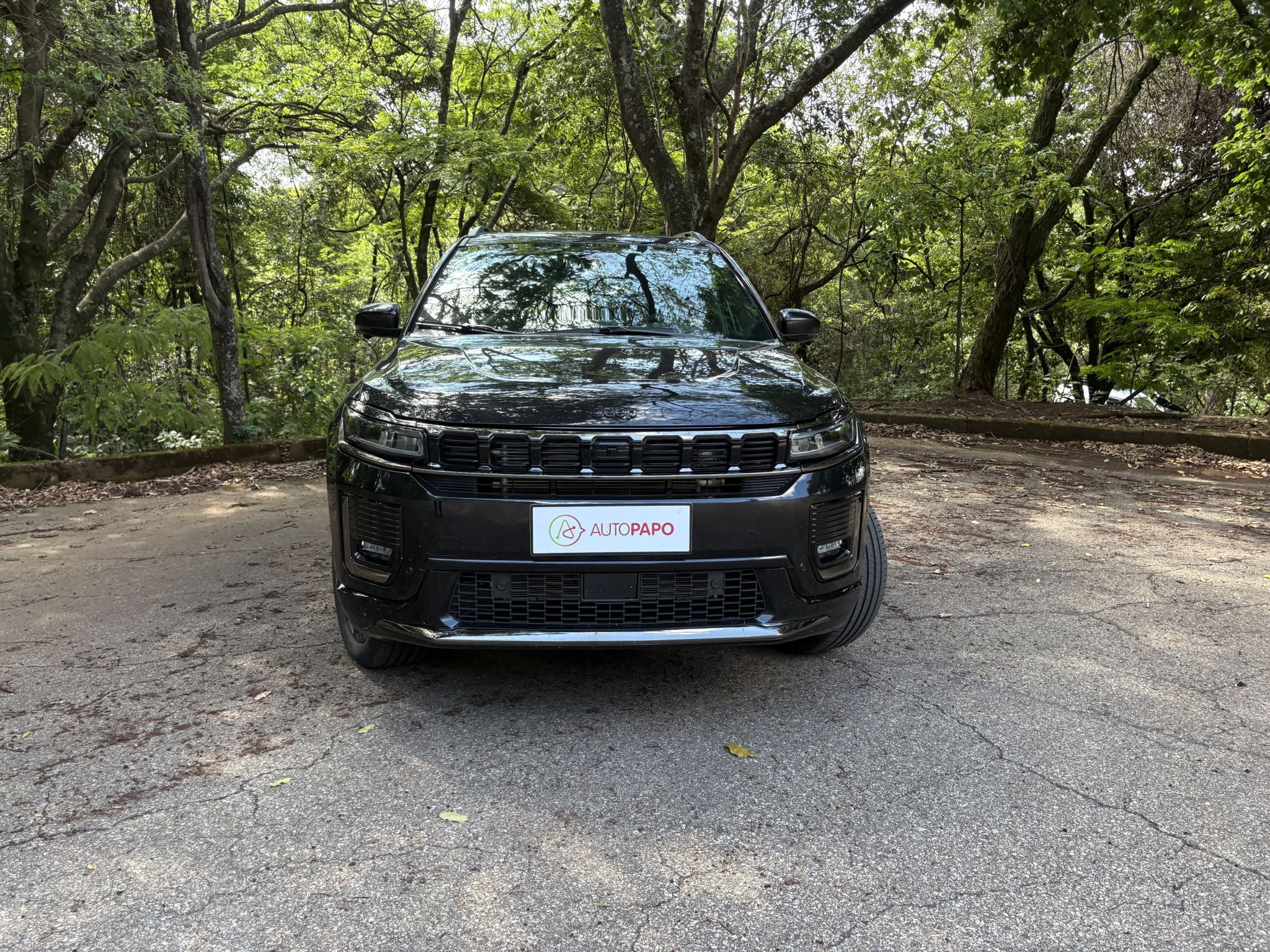
The external changes of the Commander 2026 are subtle. The front bumper has been redesigned, as well as the grille, which now adopts a shape with a negative slope, making the upper part more pronounced. The set is in line with Jeep’s recent identity, without breaking with the already known look. At the rear, the highlight is the new taillights with interconnected LED signature.
The main attraction of the Jeep Commander Blackhawk is under the hood. The version is equipped with the 2.0 turbo Hurricane 4 engine, which delivers 272 hp and 40,8 kgfm of torque. This set transforms the seven-seater SUV into one of the most powerful in the segment.
With this engine, the Commander surpasses direct rivals such as Caoa Chery Tiggo 8, Toyota SW4 and Chevrolet Trailblazer, in addition to the newcomer GWM Haval H9, in maximum power. While competitors use diesel engines between 185 and 210 hp, Jeep bets on a gasoline set focused on quick responses and more vigorous acceleration.
The nine-speed automatic transmission was maintained, but the 2026 line debuts a new joystick-type electronic selector, similar to the one used in Ram pickups. In practice, the change is functionally neutral for the driver, but contributes to standardization and reduction of industrial costs.
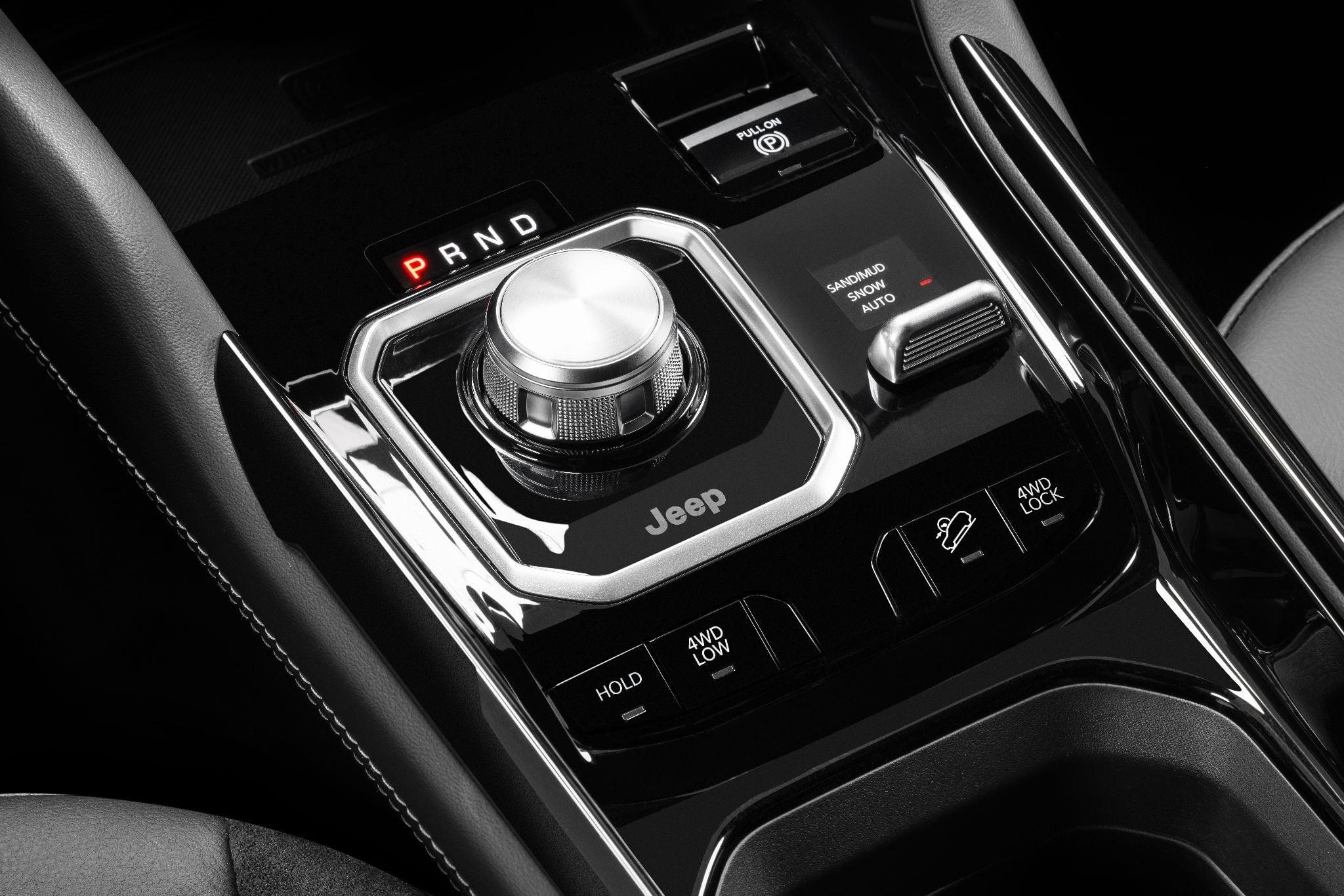
The all-wheel drive system has a reduced 4×4, using first gear as a short ratio, a solution already known in this mechanical set. The Commander Blackhawk allows you to face low-grip stretches safely, although its main focus is road use.
On the road, the Hurricane 4 engine stands out in retakes and overtaking. The torque available at low revs ensures quick responses, even when the vehicle is loaded. All-wheel drive acts mainly as an ally on wet or slippery surfaces, increasing directional stability and the feeling of control.
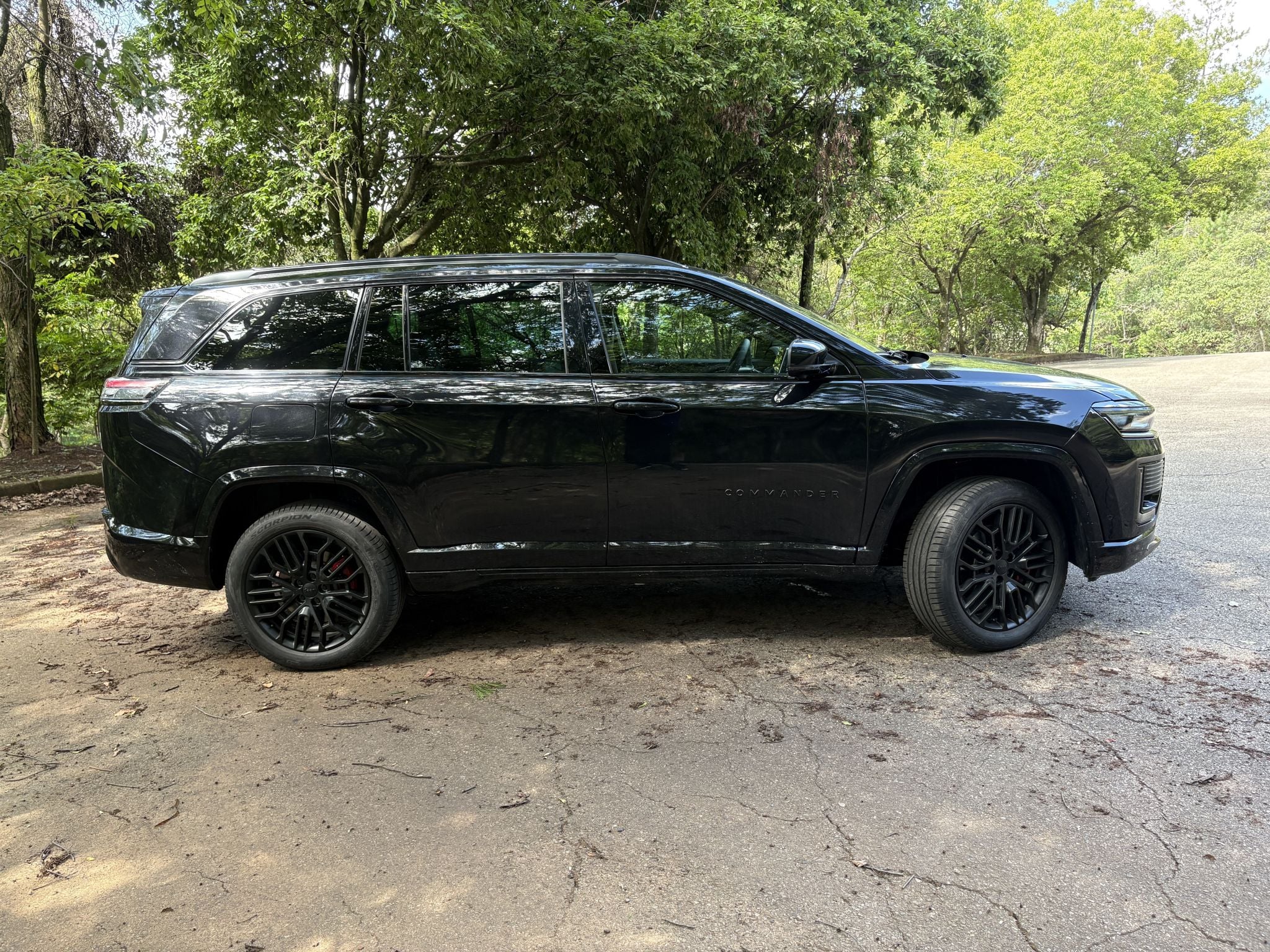
Despite not having a chassis structure on stringers such as SW4, H9 and Trailblazer, the Commander delivers a balance between comfort, performance and the ability to face off-road situations in moderation.
The finish of the Commander Blackhawk is one of the most sophisticated in the line. The dashboard features suede upholstery, different leather options on the seats, digital instrument panel and multimedia center with Android Auto and Apple CarPlay.
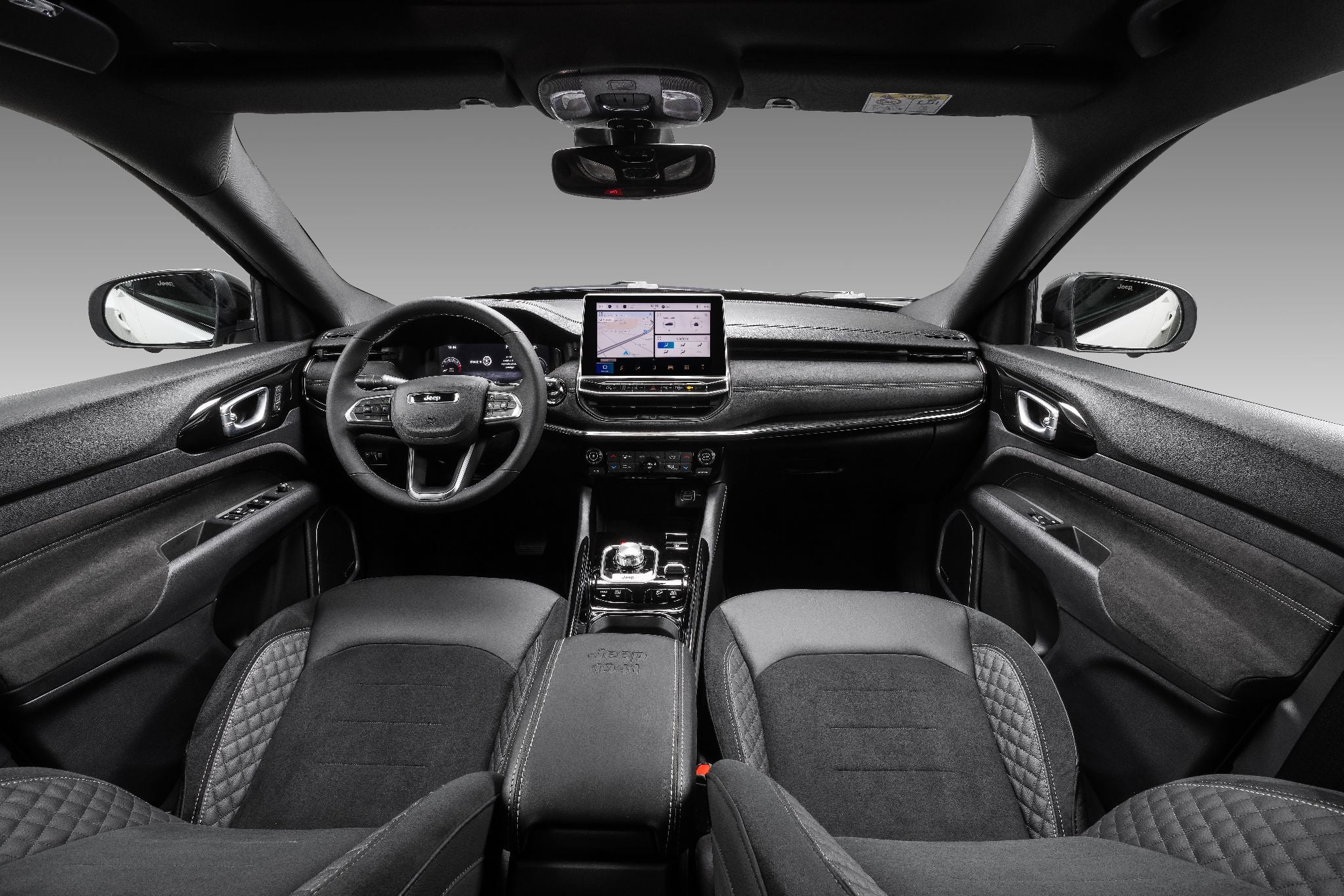
The SUV also offers digital climate control, induction charger, electronic parking brake with Auto Hold function and connectivity with onboard internet, by contracting a data package.
In terms of safety, the model has a complete package of driving assistants, including adaptive cruise control (ACC), collision warning with automatic braking, active lane monitoring and several electronic assistance features.
The Jeep Commander accommodates five occupants with a high level of comfort. The third row follows the standard of the segment: suitable for children or short journeys with adults. Access is easy, but space is limited, a common feature among seven-seater medium SUVs.
The Jeep Commander Blackhawk 2026 costs around R$ 336,5 thousand, positioning itself between more affordable SUVs, such as the Tiggo 8, and more expensive and robust models, such as SW4 and Trailblazer, which easily exceed R$ 400 thousand. The closest competitor is the Haval H9, with prices between R$ 310 thousand and R$ 350 thousand.
The Commander consolidates itself as an intermediate option for those looking for high performance, seven seats and a good level of comfort, without necessarily needing the architecture of vehicles aimed at severe use.
The Commander Blackhawk meets a long-standing market demand for more performance in the line. The Hurricane 4 engine delivers just that, but it comes at a hefty price. For those who prioritize performance and refinement in a seven-seater SUV, it presents itself as a unique alternative in the national segment.
For those looking for space and value for money, cheaper versions of the Commander itself or direct competitors may make more sense. Those who require extreme off-road use will have to migrate to larger and more expensive models, as well as the Chinese newcomer.



