The external measurements are not everything, there is a mechanical factor that makes some cars easier to maneuver than their rivals

The National Traffic Secretariat (Senatran) has formulated a new Brazilian Manual of Vehicle Driving Tests and removed the beacon test. Now the examinee needs to park the car at the end of the route as something more natural, without the heavy demand that was previously made.
Many drivers found this change positive on social networks. The beacon test is usually one of the most disapproved, along with clutch control.
SEE ALSO:
Even so, drivers will need to perform the goal maneuver on a daily basis. In the real world this can be easier thanks to technology, the parking sensor and the camera help, especially in larger cars.
But that’s not all that makes the car easy to park, a look at the technical sheet already helps to know about it. The most important data about this is the turning circle, which represents the space needed to make a full turn with the steering wheel fully steered.
This information can also be found as the turning radius, which is half the turning diameter. There are large cars that are easy to maneuver because they steer the wheels a lot.
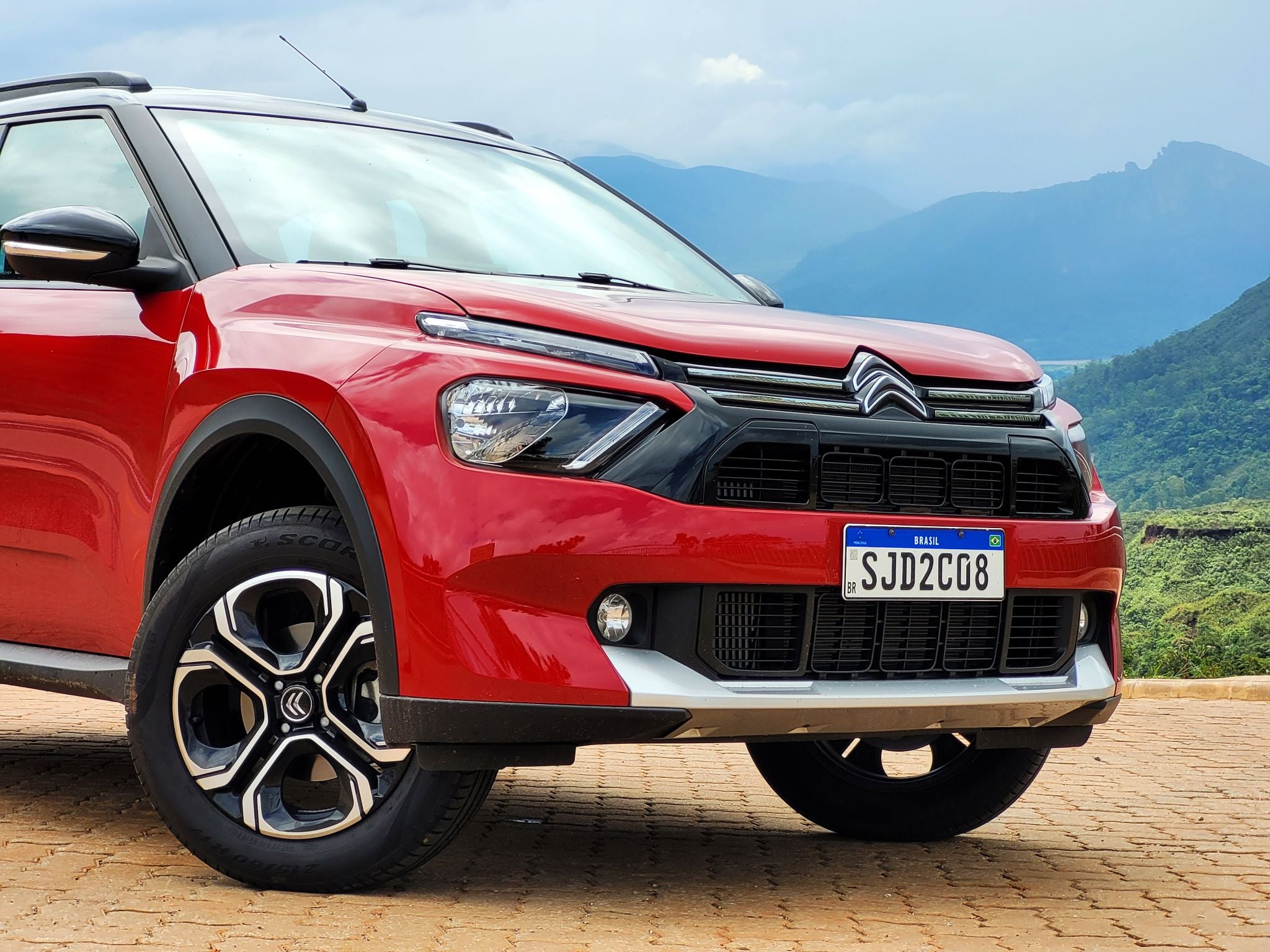
The length of the car and its wheelbase are important to get a sense of how easy it is to maneuver, but this can be compensated. The most decisive thing ends up being how much the wheels steer.
This angle is determined in the design of the car by the steering system and, in front-wheel drive cars, by the CV joints. Usually rear-wheel drive cars steer more, but this is not a rule.
An example of this is Stellantis’ medium vans, such as the Fiat Scudo. They steer the wheels at a great angle for easy maneuvering. Their turning circle is 12.4 meters, just 20 cm larger than that of the Fiat Toro — which is shorter.
And speaking of the Fiat pickup, it is known to be difficult to maneuver because of the large turning circle. It shares the platform with the Jeeps Renegade, Compass and Commander, which have the same steering system.
Rear-wheel drive cars stand out the most. The national Chevrolet Omega, even measuring 4.73 m in length, has a turning circle of 10.1 m. As a comparison, the current Chevrolet Onix hatch needs 10.6 m to make a full turn.
Some electric cars have the motor on the rear axle and take advantage of this to allow greater steering. The new Geely EX2 is an example of this, with a turning circle of 9.9 m.
Let’s list here some recent national cars that have a small turning circle. This information is useful for those who have a small space at home or do not want to have work when parking.
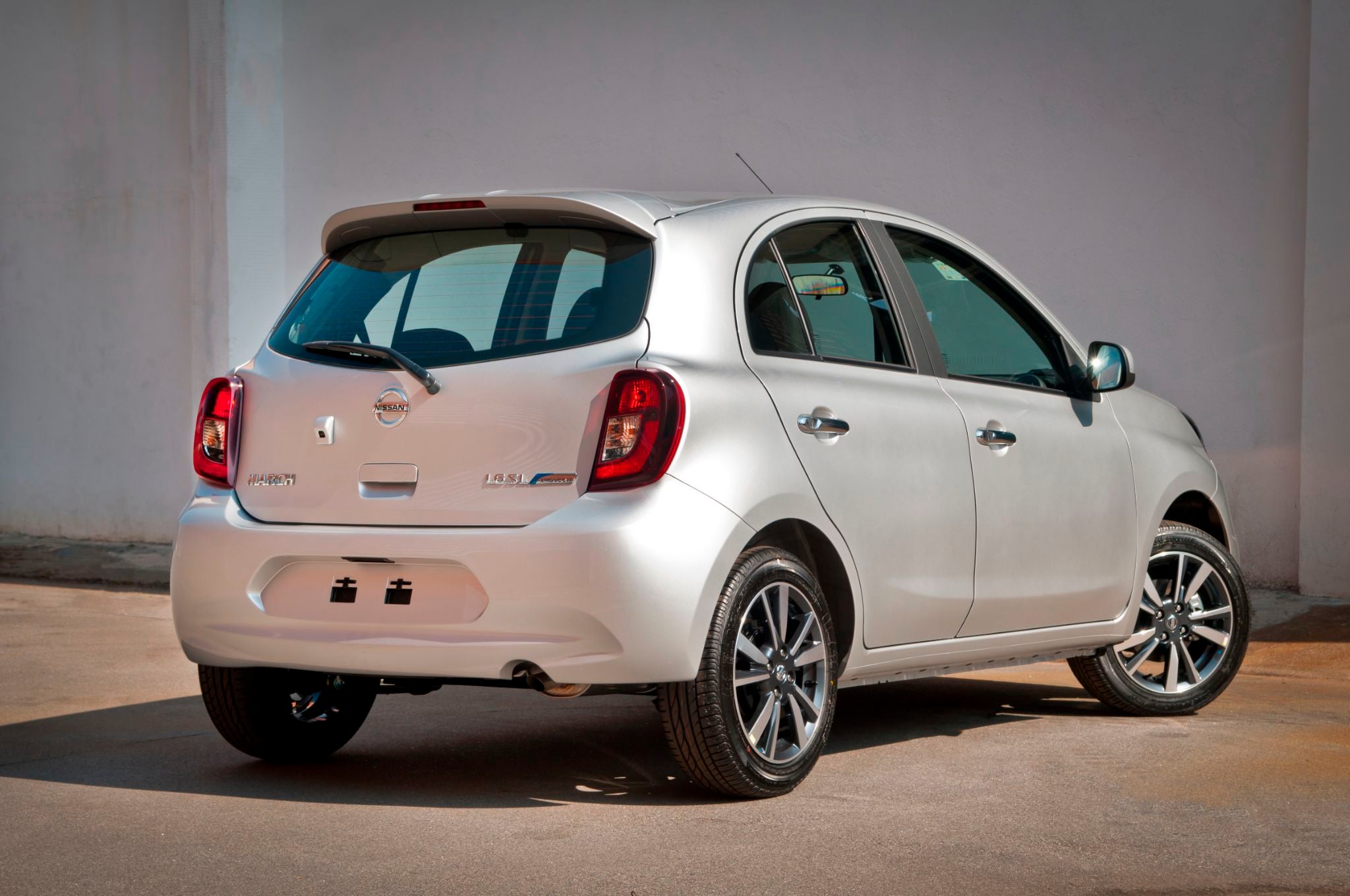
Despite being preferred for urban use, many compact hatchbacks have a turning circle greater than 10 meters. Notice in the list below how more spacious models like the Nissan March and Honda Fit are easier to maneuver than the diminutive Renault Kwid.
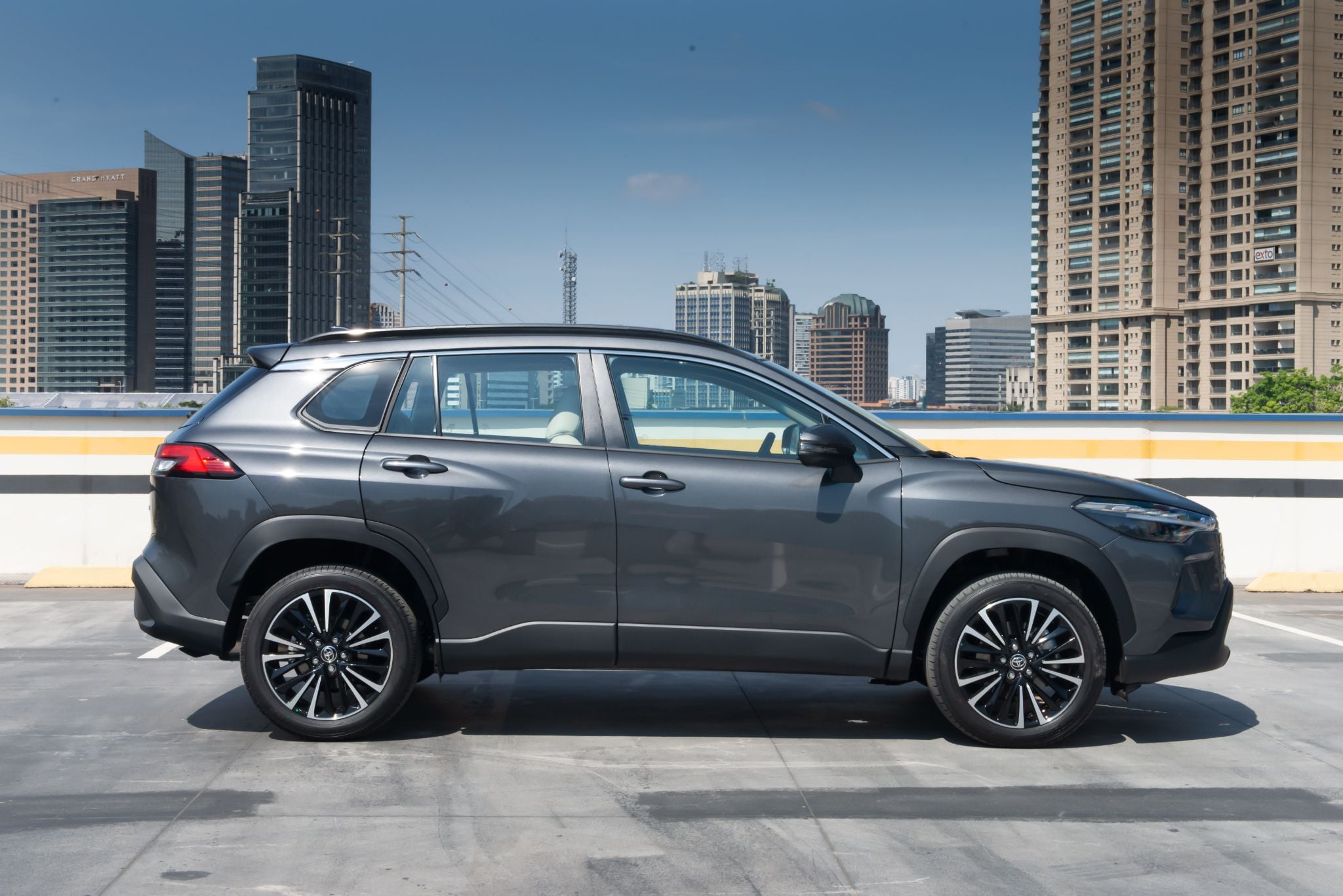
Despite looking bulkier, many SUVs share length, width and wheelbase with hatches. For those who get out of a sedan it may be even easier to maneuver, but care must be taken with appliqués and stirrups.



