The most demanding safety and emissions standards have caused changes in other parts of the car, the steering is one of them

In the last five years, hydraulic assistance has quickly disappeared from the Brazilian market and electric steering has become standard. Only the Volkswagen Saveiro, Amarok, Toyota Hilux, Nissan Frontier and Mitsubishi Pajero Sport still use the older system, while Renault Oroch and Stellantis medium vans use the electro-hydraulic system.
But why did electric steering become standard? Believe me, it was not altruism of the automakers seeking greater comfort for drivers, but due to emissions and safety legislation.
SEE ALSO:
To better understand how this affects the consumption and safety of your car, you also need to explain how driving assistance works.
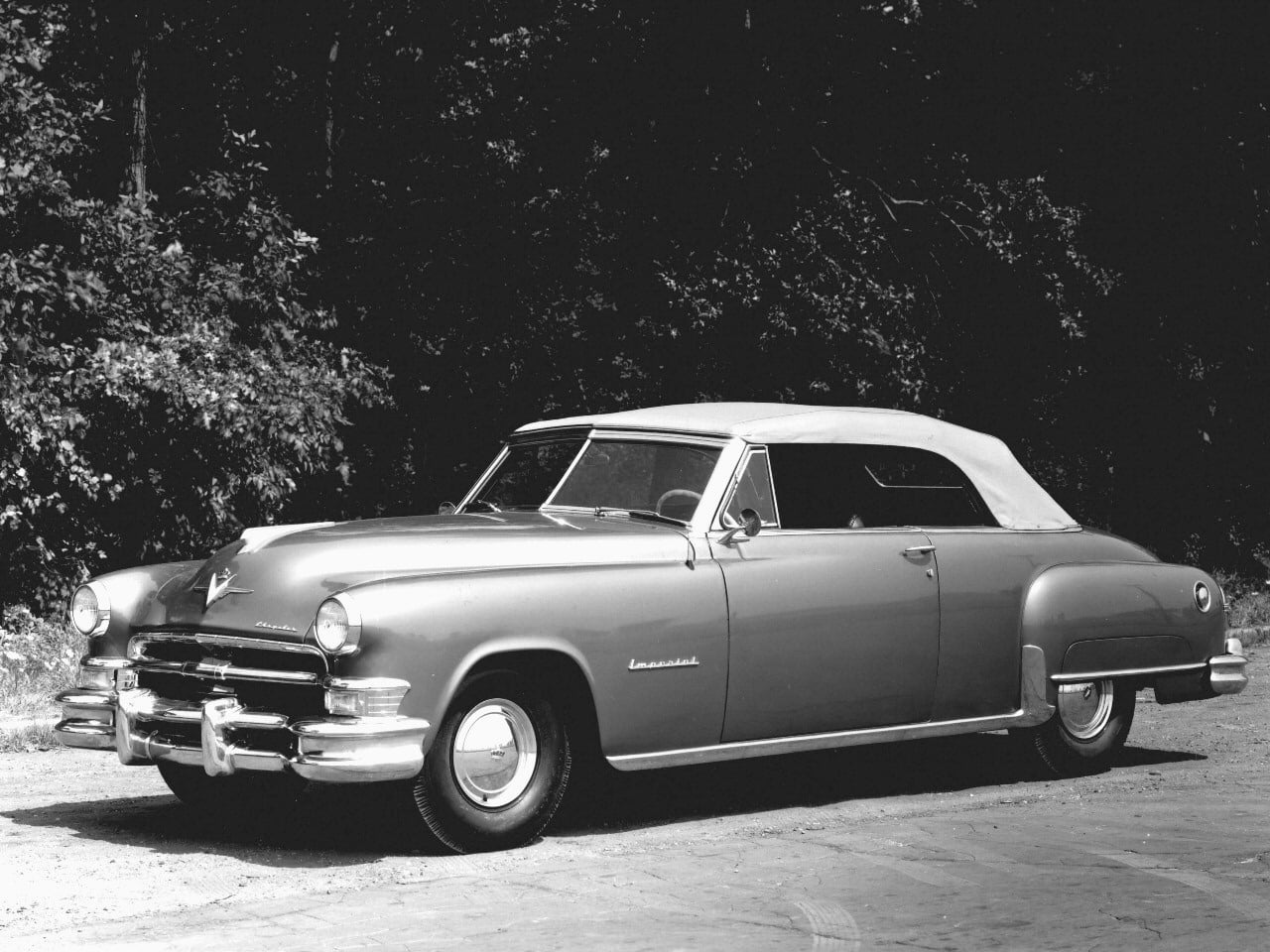
The first car equipped with power steering was the 1951 Chrysler Imperial. In cars without assistance, the movement made on the steering wheel acted directly on the wheels, becoming heavy with the vehicle stationary and requiring a large ratio to be lighter. This results in lower accuracy and requires more movement if you need to change direction quickly.
With the power steering, the effort reduced considerably and allowed a more direct relationship between the steering wheel and the wheels. Something very useful in American cars, which were getting bigger and heavier after the end of World War II.
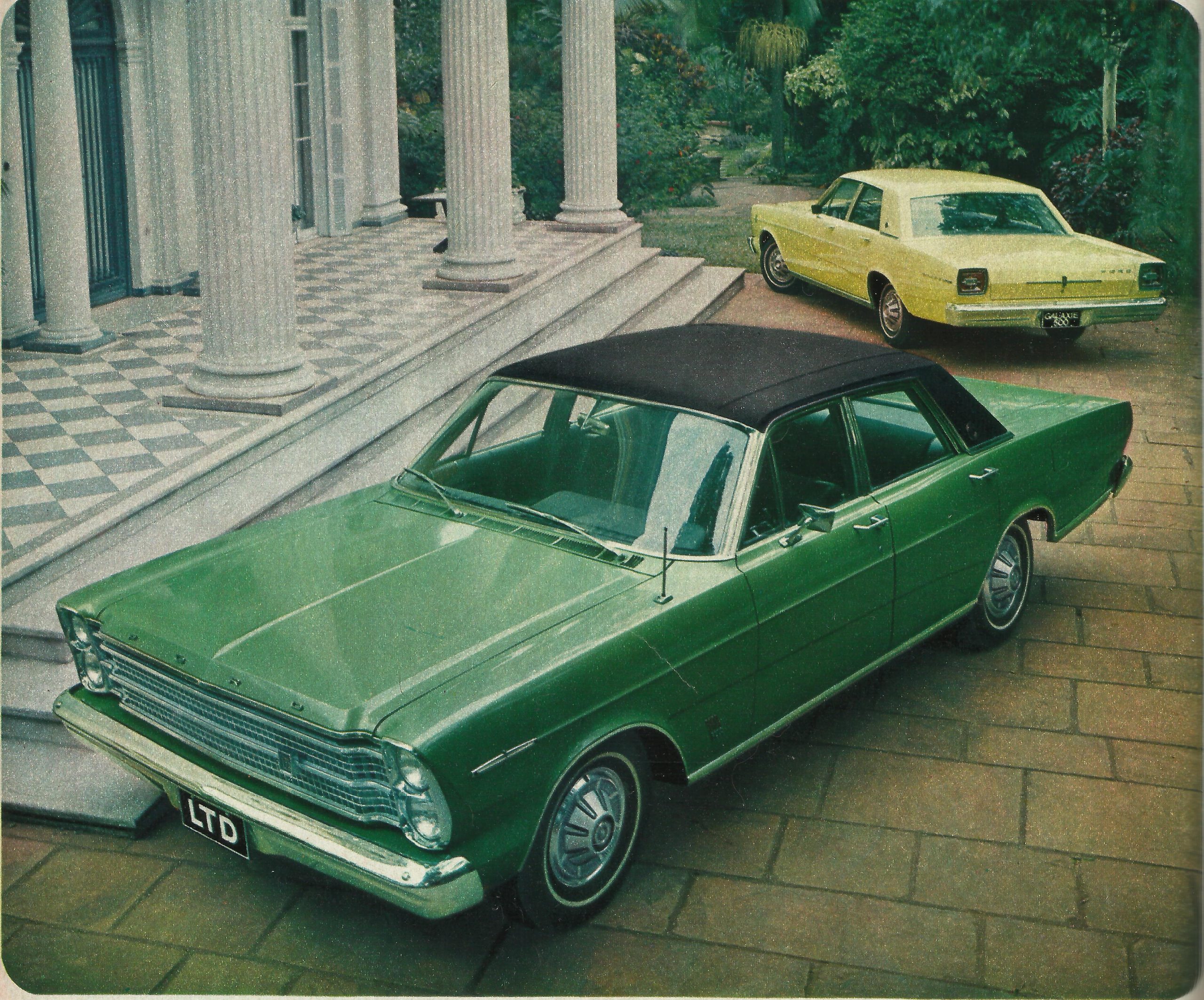
To lighten the weight, a hydraulic pump is used that acts when the driver turns the steering wheel. This pump works with the power of the motor, connected to it through the accessory belt. The first Brazilian car with power steering was the Ford Galaxie in 1967.
Therefore, it “steals” a small amount of power to work, just like the air conditioner. Another disadvantage is that its fluid requires periodic changes and can leak if there is a problem in the system, taking away the assistance and making the steering heavy.
There is also the electro-hydraulic system, which exchanges the direct connection to the vehicle’s propeller for an electric motor. This removes the power steal, but still requires the fluid.
The first car with this system was the Subaru XT6, from 1988. Toyota used this system from the MR2, with a central engine, so as not to have to pass the steering fluid from the rear to the front of the car.

Honda designed its first super sports car, the NSX, with a focus on lightweight. The car used an all-aluminum chassis, forged suspension arms, and the engine connecting rods were titanium. Therefore, it came without power steering.
But as it would have to be sold in the US, a version with an automatic transmission was also made and it had electric steering. It was chosen because it is more compact, lighter, and because the NSX is a showcase of Honda technologies.
Until then, this assistance was only used on forklifts. It uses an electric motor to play the role of the hydraulic pump, lightening the weight of the flywheel and allowing for even more direct ratios.
The NSX was launched in 1990, with electric steering coming only in the automatic model until it became standard across the board in 1997. During the 1990s, Nissan and Subaru also began to use the system in sports cars or luxury sedans.
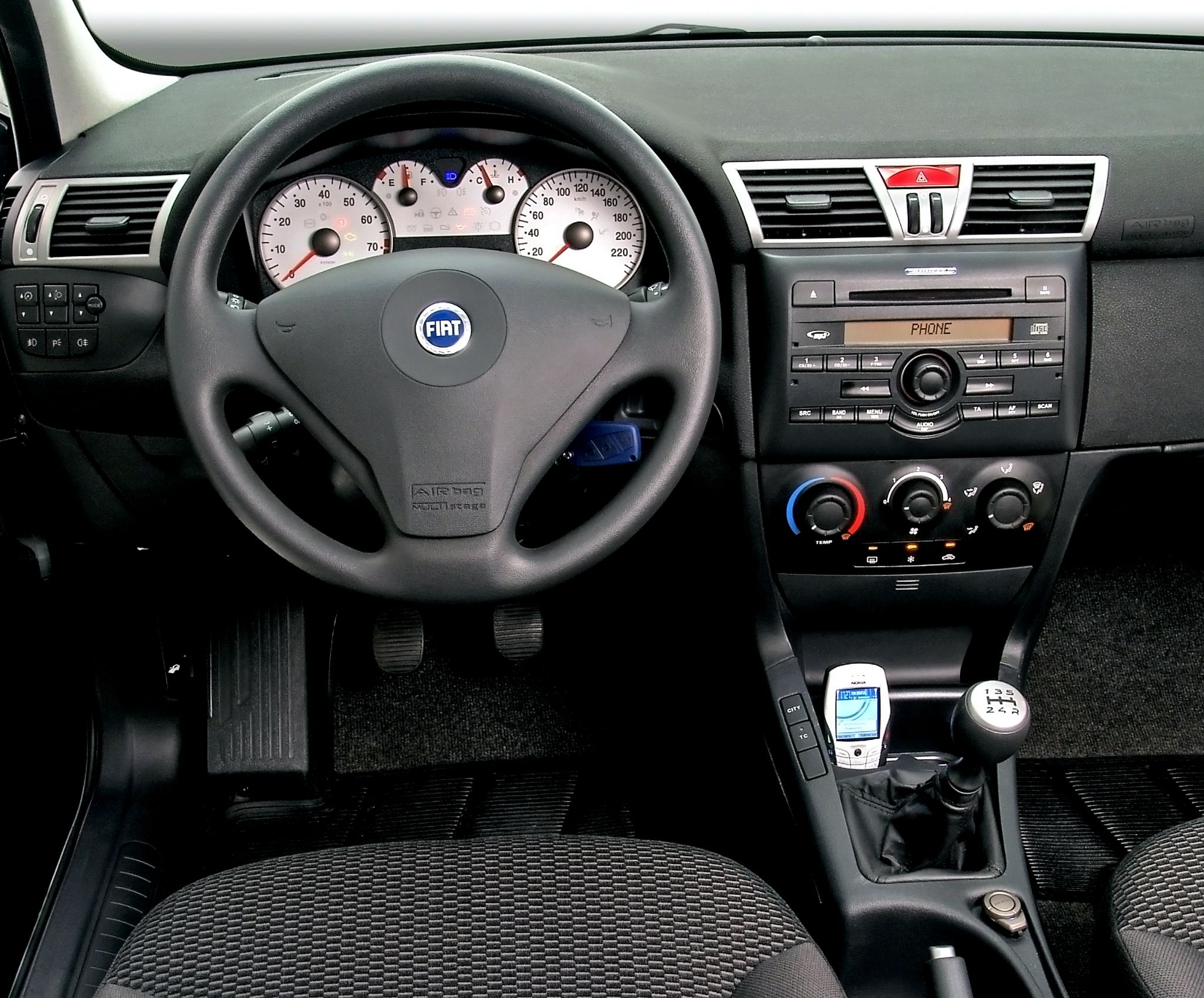
The electric steering was popularized by Fiat, when it started to be used in the second-generation Punto. In Brazil it arrived in another car from the Italian brand, the Stilo, which had the “city” button to make it even lighter at low speeds.
In the following years, electric steering appeared in the compact Honda Fit and Citroën C3. Here, even medium cars took time to use this system, it was in the second half of the 2010s that it started to become something more common.
The electric assistance allows the steering to be even lighter than the hydraulic in maneuvers and the computerized management doses the level as the speed increases. In addition, it takes up less space and does not have a direct connection to the engine, not to mention that it does not require a fluid or periodic maintenance.

Increasingly demanding emissions standards have forced automakers to do a job of reducing parasitic engine losses. According to BMW, the use of electric steering can reduce fuel consumption by up to 3%.
Chevrolet switched from power steering to electric in its national line in 2017 along with several other improvements, such as lower ride height, a six-speed gearbox and reduced engine friction to make the cars more efficient. In the Spin minivan, the gains in economy reached 30%.
The electric steering also works in conjunction with the active safety systems. It can move the steering wheel if necessary, which is part of the lane keeping systems of the ADAS package.
Brazil does not yet require these assistants, but in Europe and the USA they are already mandatory. Having electric steering already helps in the implementation of active safety assistants, in the Nissan Frontier, for example, there is only the lane departure warning without the correction.
For the consumer came the advantage of having an easier car to maneuver and also the reduction of maintenance. At this point, the legislation ended up helping.



