What to know before buying the best-selling electric car in the country, which licensed 32.5 thousand units in 2025 alone
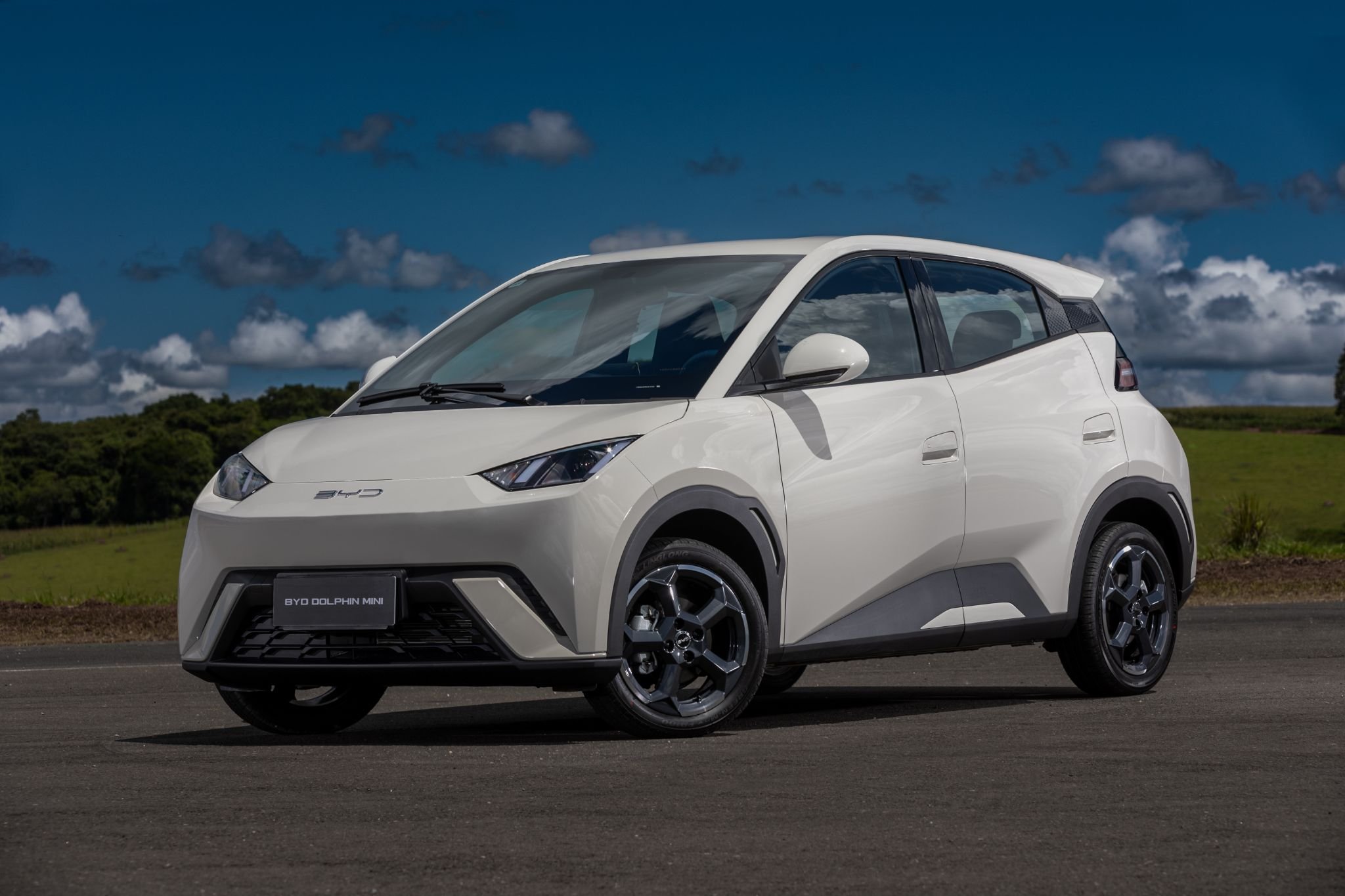
A practical tram for the city – and only for the city. This is the BYD Dolphin Mini, a subcompact good for moving on urban routes, with sufficient autonomy and some agility. For this reason, it is the best-selling electric car in Brazil.
SEE ALSO:
But it is necessary to understand the details of the tiny battery-powered vehicle. Performance, autonomy, comfort, space and maintenance are important points. Therefore, we now detail 10 facts about the BYD Dolphin Mini.
After forcing a drop in electric prices with the Dolphin in 2023, the following year BYD launched the Dolphin Mini in Brazil. The car arrived in February 2024 with the expectation of being the cheapest electric car in the country, which did not happen, but even so, it repeated the success of its bigger brother.
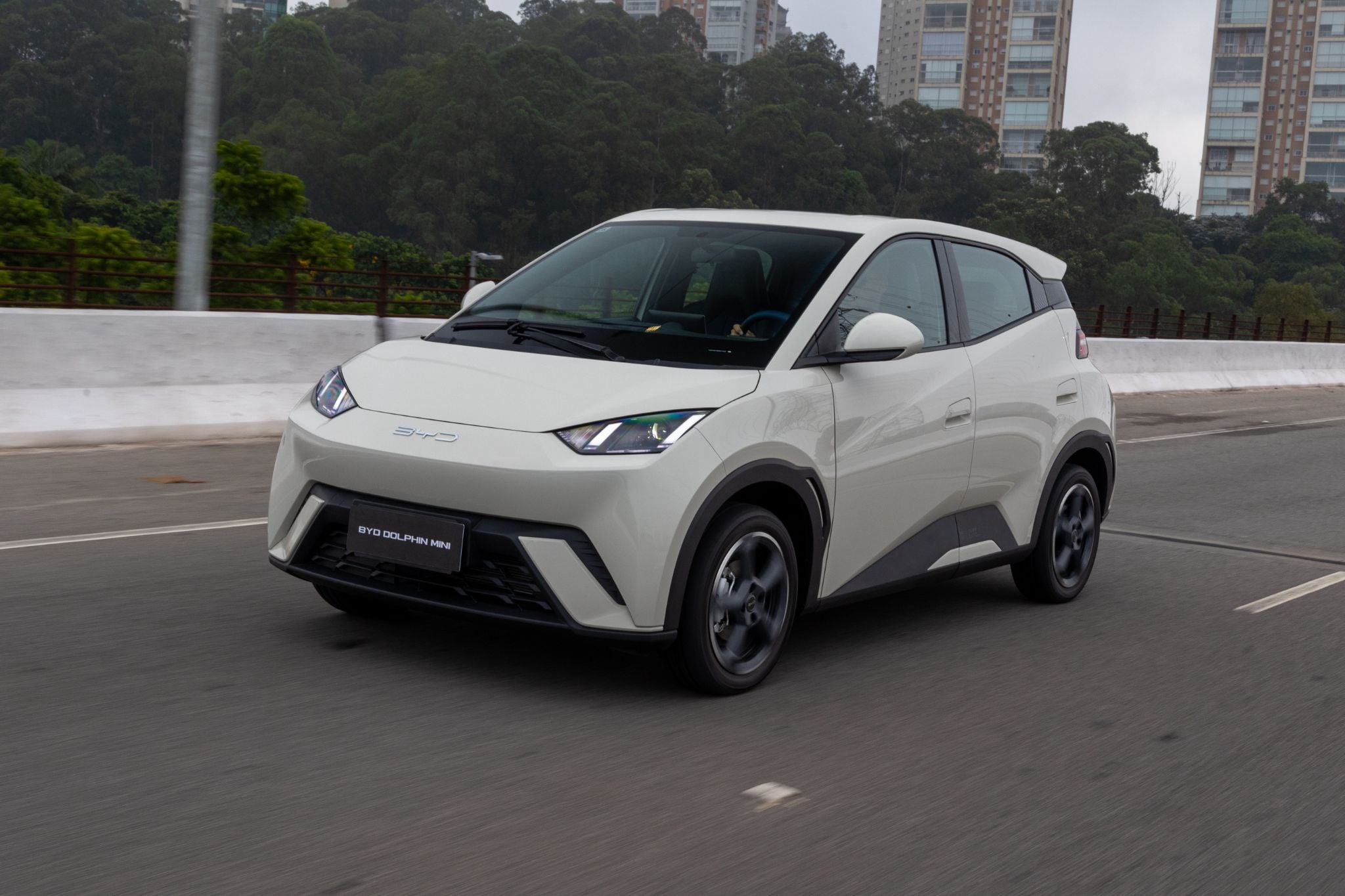
Made on the Chinese group’s e-Platform 3.0 architecture and with the so-called Blade batteries, the Dolphin Mini came in a four-seat configuration – then five seats – and soon fell apart in sales. At the turn of 2025 to 2026, it only had a five-seat option and was assembled in Brazil.
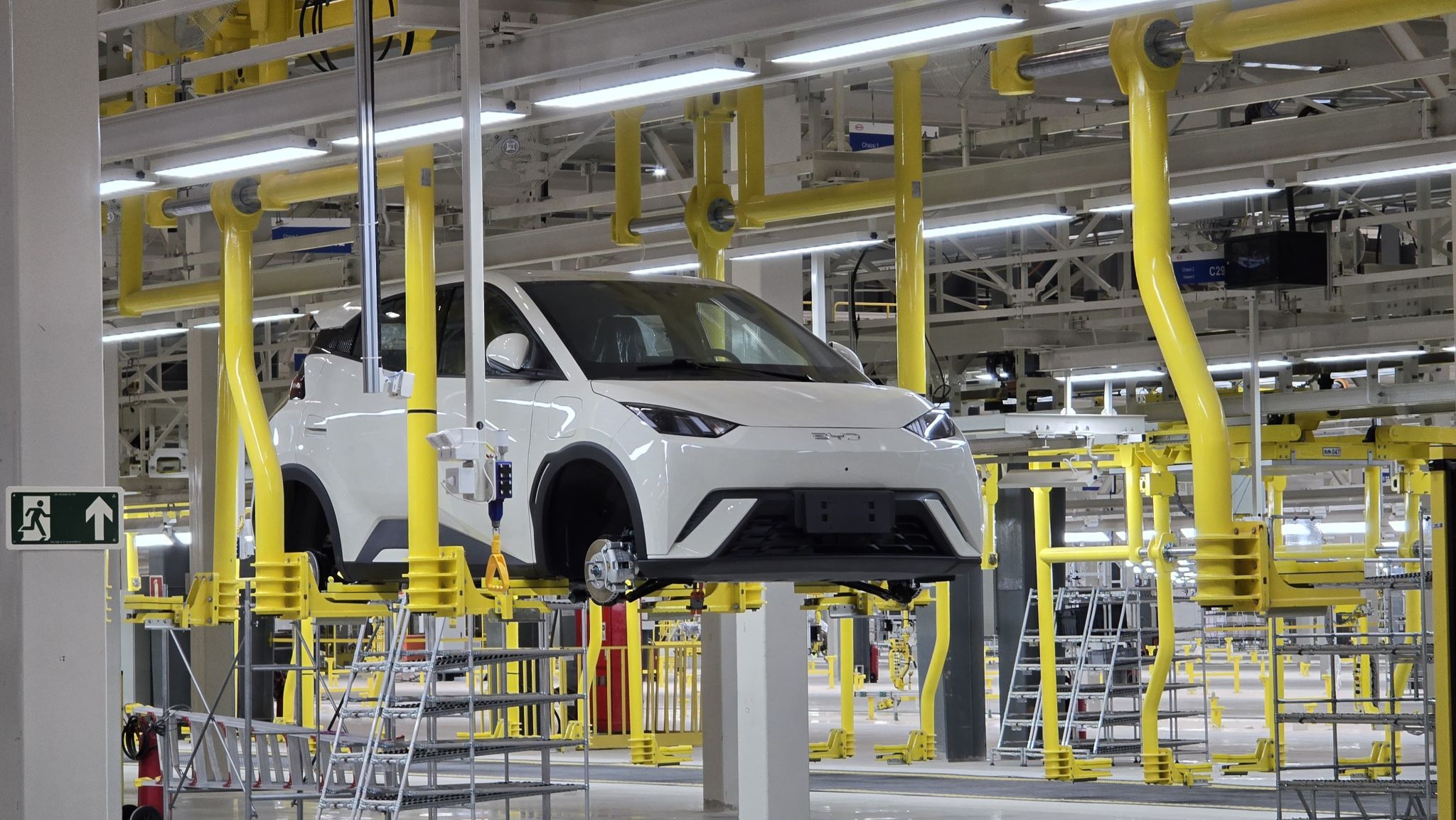
In part. After some postponements and lawsuits for work analogous to slavery, BYD finally started its operations at the old Ford plant in Camaçari, Bahia, where it makes the Dolphin Mini.
But this production is still in SKD system. That is, ready-made car kits are imported from China and assembled at the Bahian unit. The automaker’s promise is to gradually migrate to CKD and then manufacture with local content.
As we have pointed out, when it was launched in 2024, the expectation was that the BYD Dolphin Mini would be the cheapest electric car in Brazil. And the first to cost below R$ 100 thousand.
It was not quite like that. The Chinese brand’s model arrived for R$ 115.800 and almost simultaneously Renault lowered the price of the Kwid E-Tech to R$ 99.990.
That hasn’t dented sales of the country’s second-cheapest electric car. In the first year of sales, 2024, the Dolphin Mini was the most licensed BEV in the country, with more than 20 thousand units.
In 2025, he won the championship for the second time. Once again, it was the best-selling electric car in Brazil, with more than 32 thousand registrations.
The electric set reinforces the urban vocation of the Dolphin Mini. With 75 hp of power and 13,8 kgfm of torque, accelerations have that instant response typical of BEVs, but after that the hatch takes time to pack. Even more so in the Eco driving option.
The 0 to 100 km/h exceeds 14 seconds and the maximum is 130 km/h. Even in Sport mode, performance remains quiet and time-consuming.
We are talking about a subcompact hatch, so space is not the strong point. The BYD Dolphin Mini is 3.78 meters long, 1.72 m high, 1.58 m high and has a wheelbase of 2.50 m, slightly larger than a Fiat Mobi.
The driver’s leg and shoulder room is quite limited. The rear seat is for two people. And the trunk has a capacity of only 230 liters.

The finish pays off, and a lot. Even more so if we compare it with cars in the same price range. The cabin of the BYD Dolphin Mini 2026, for example, gained soft materials on the dashboard and even the plastics have pleasant textures.
On the other hand comes the adjustment of the suspension, which compromises comfort. Too soft, it reflects holes directly on the steering and shakes too much at the rear. In the 2026 line this was even improved, but it remains the Achilles’ heel of the cart.
There’s that other Chinese vehicle craze. It lacks physical buttons and the multimedia center has slow responses.
According to Inmetro standards for the PBEV, the Dolphin Mini can travel up to 280 km with a full charge of the batteries, this in the GS version, with a 38 kWh battery. To recharge, in fast 40 kW (DC) appliances it takes 30 minutes to “refuel” from 30% to 80%. On chargers up to 6.6 kW (AC) it is six hours.
The GL entry option has a battery with a slightly less capacity, 30 kWh. In this case, the range drops to 250 km.
The Dolphin Mini is sold in two versions. The entry-level GL costs R$ 118.990 and in safety it delivers four airbags, ramp start assistant, camera and reverse sensor, LED headlights, tire monitoring, heated external rearview mirror and four-wheel disc brakes, among others.
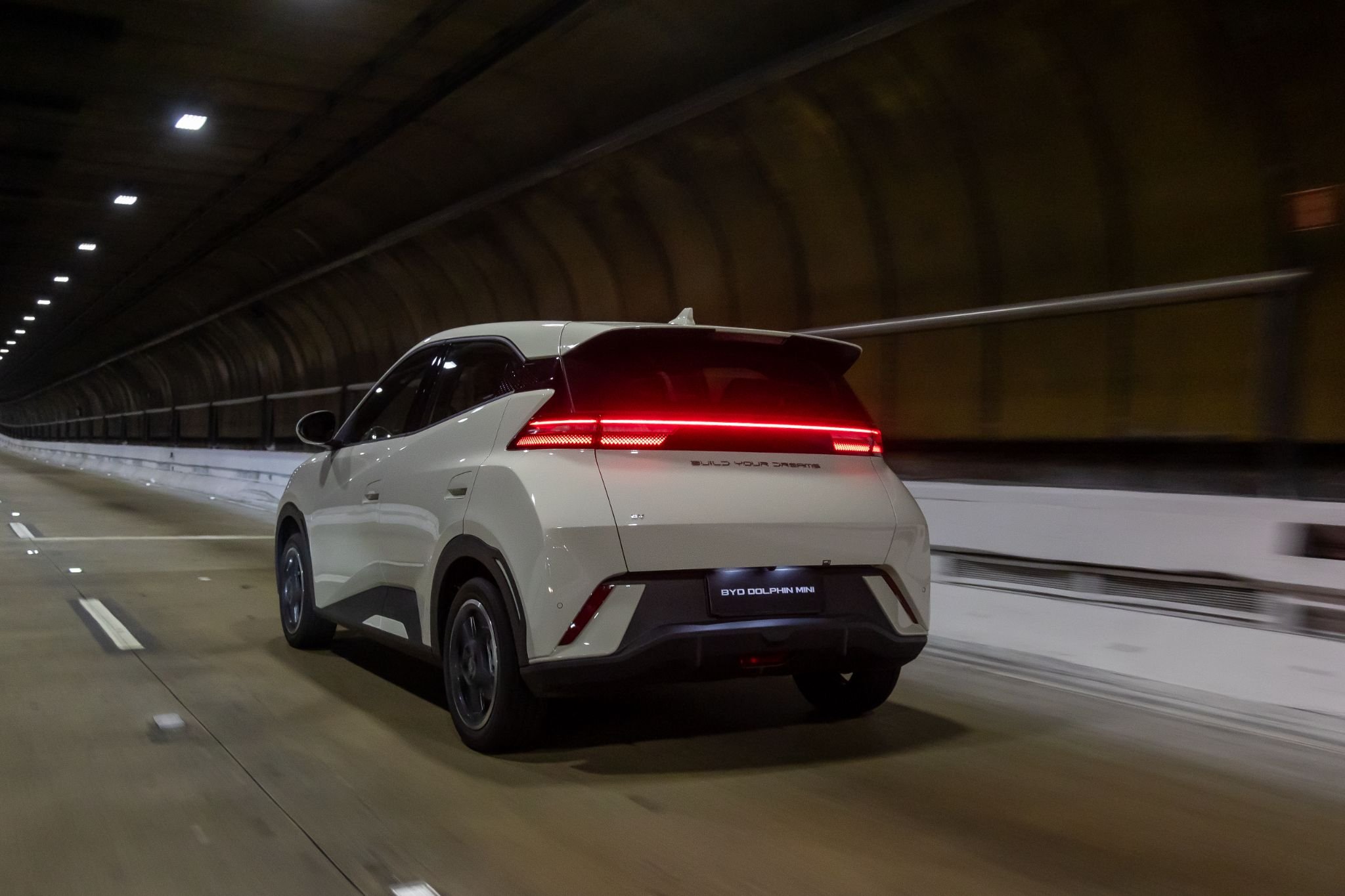
In addition, air conditioning, multimedia center with 10″ rotating screen and wireless connection for smartphones, electronic instrument panel on 7″ monitor, electronic parking brake, electric trio, face-to-face key, cruise control, leather, steering wheel height adjustment, light sensor, Auto Hold and remote engine start.
It is worth remembering that the Dolphin Mini GL is designed for direct sales. For taxi drivers, for example, it costs R$ 103,990, for PwD, R$ 105,990, and for companies, CNPJ and rural producers, R$ 107,091.
The GS, in turn, adds a 360 camera, “transparent chassis” function, curtain-type airbags, electrically adjustable driver’s seat, steering wheel depth adjustment and induction cell phone charger. The price is R$ 119.990.
The electric subcompact has a fixed-price service plan every 20 km, which is a good differential. In addition to the six-year warranty for the car – the battery has “standard” coverage of eight years.
However, stay tuned for the fine print. For vehicles with commercial use, the warranty is two years or 100 thousand km, the engine warranty remains at six and the high voltage driver warranty drops to five years. The battery remains at eight.
Check out the prices of BYD’s revisions plan for the Dolphin Mini.
A problem that afflicts BYD models and still remains: the delay in replacing parts. Reports in forums and discussion groups with Dolphin Mini owners, in addition to occurrences on Reclame Aqui, point to a lack of components.
This especially affects parts of the bodywork. There are cases in which it took four months for customers to be able to install new headlights and bumpers after they were damaged in accidents.
In addition to this lack of parts, the Dolphin Mini has some common problems. Customer complaints fall especially on the suspension, which is noisy and too soft. There is even a public petition from owners who ask for a recall to change the rear suspension components.
Strange noises when braking and locking the multimedia center are also common. Not to mention the problems owners have in accessing and making the vehicle app work.



