Recent movements in the brand new car market have rekindled old rumors about a possible reduction in values.
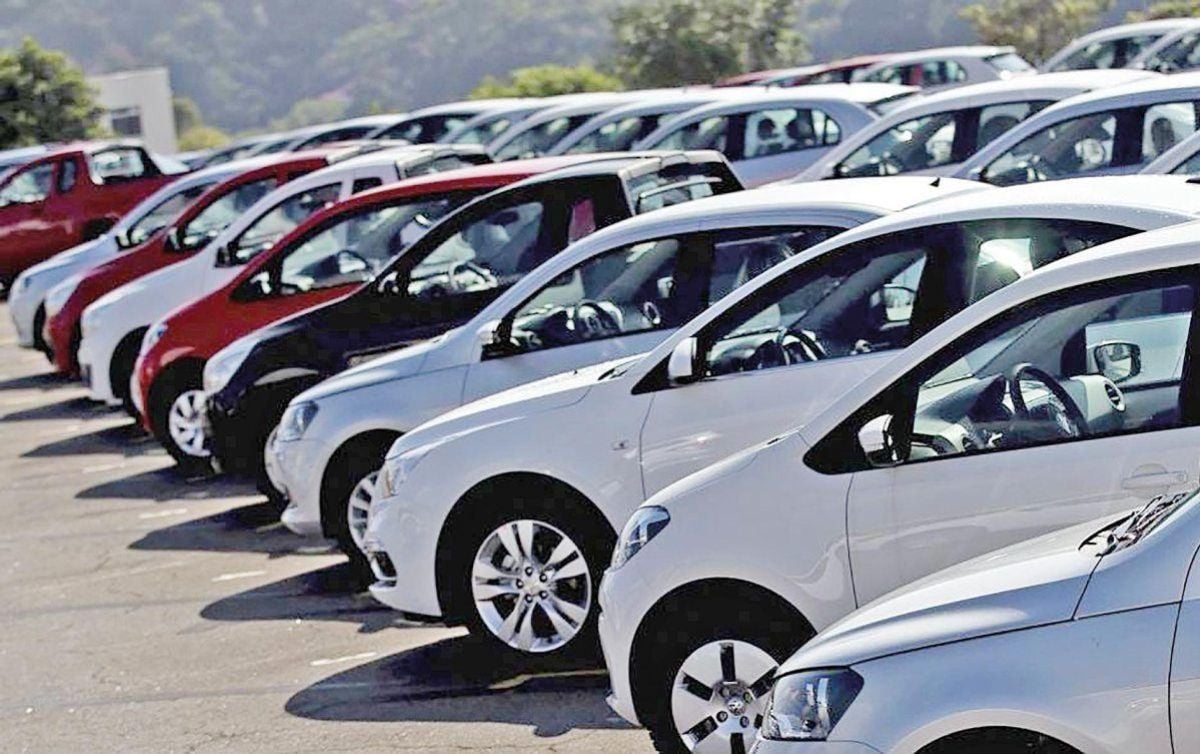
The last major increase in vehicle prices occurred during the Covid-19 pandemic, when, due to several factors — such as high demand and lack of inputs — the new car practically doubled in value. Today, a little more than six years after the period, Brazilians still dream of an improvement in prices, even if it is in the used market.
According to the president of the National Federation of Automobile Dealers Associations (Fenauto), Everton Fernandes, the instability of the market in 2026 is multifactorial. Elections, international conflicts and the growth in used retail can frustrate the expectation of a drop in vehicle prices.
SEE ALSO:
One of the main triggers for rumors of price reductions was the launch of the Caoa Tiggo 5X Sport, a technological SUV presented for R$ 119.990 in February. Suddenly, a chain emerged on social networks that the attributes of the SUV would cool the demand for used cars, which in turn would have their prices reduced.
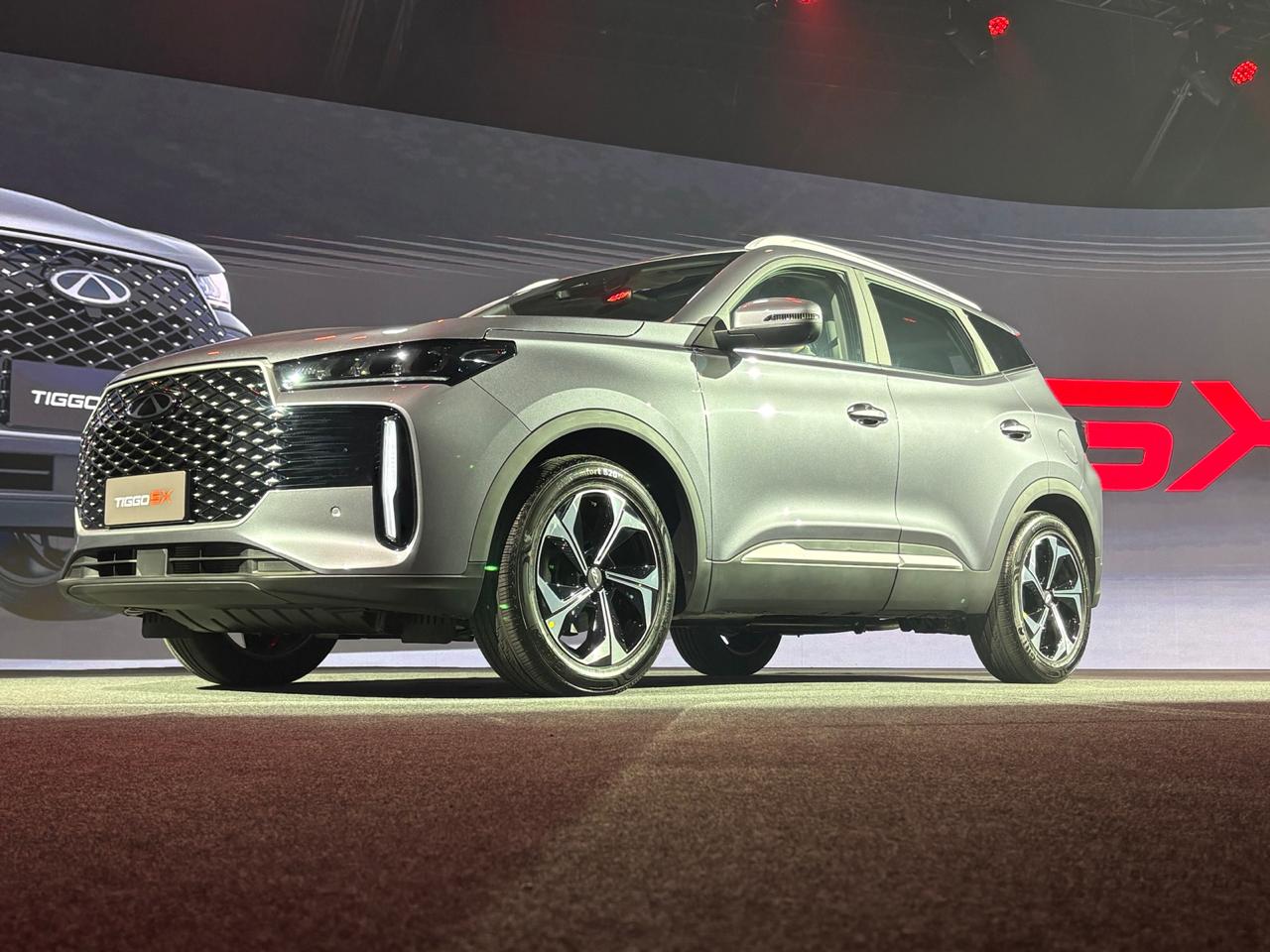
Even though it currently costs R$ 124.990, the model drew attention for its technological package, which in the brand usually surpasses that of many direct competitors. In this case, it is even close to larger models, such as the Tiggo 8. This combination puts the Tiggo 5X at a level close to that of medium/large SUVs that exceed R$ 200 thousand.
Despite the impact, the president of Fenauto points out that isolated movements hardly affect the entire market.
Eventually, a punctual launch may generate some localized adjustment in directly competing models, but this does not mean a generalized drop in prices in the used market,” said the executive.
He also points out that the behavior of the prices of semi-new and used cars depends on a number of factors in addition to the value of new vehicles: supply and demand, cost of credit, interest rate, consumer confidence, household income and the pace of production and sales of 0 km vehicles.
The Selic rate, for example, serves as the basis for the interest rates of the Brazilian economy. Defined by the Central Bank of Brazil, it is currently above 14%, even after the beginning of a downward cycle. The level is considered high and has not been observed since 2016.
In practice, this keeps credit expensive, directly impacting vehicle financing and leading consumers to postpone the purchase or migrate to more affordable models. And in the used segment, the older the car, the more expensive the interest applied, to mitigate the impacts of default and a possible recovery of the vehicle by the financial entity.
Adverse global scenarios also impact the automotive market. During the Covid-19 pandemic, there was a sharp increase in the prices of new cars: the shortage of raw materials reduced supply, while the high dollar made imported inputs more expensive. Used vehicles followed this movement, driven by high demand and the lack of zero-kilometer vehicles.
Currently, the crisis in the Middle East worries the sector. Conflicts involving the United States, Iran and Israel affect the world’s main strategic oil route, the Strait of Hormuz, raising the price of a barrel and putting pressure on costs throughout the automotive chain.

In addition, Brazil is experiencing an election year, and political decisions can also directly influence vehicle prices.
There is a trend for a gradual reduction in the Selic rate throughout 2026 and, with more accessible credit, the adoption of zero-kilometer vehicles may grow. Still, the used market remains stable, with no clear prospects for a drop in prices.
“In recent years, the used market has gained even more relevance in Brazil precisely because it offers a more affordable alternative to the consumer. In 2025, for example, about 18.5 million used vehicles were sold in the country, which shows the strength and dimension of this segment,” said Fernandes.
He also points out that Fenauto’s expectation is for “continuity of an active market, but always with caution in relation to price forecasts”.
“In the first two months of 2026, sales grew by almost 8% compared to the same period of the previous year. If no external variable has a significant impact and we project this same growth for the remaining months of the year, we should close 2026 with approximately 20 million transactions in the used market,” he concluded.
In other words, for the used car to lose price, it is necessary that the supply of new cars increases and with less indigestible prices. It is a scenario far removed from the reality of Brazil. To give you an idea, the industry operates with a high idle capacity. The Brazilian industrial park could deliver 4.5 million passenger cars and light commercial vehicles per year, but the number of registrations in 2025 was 2.6 million (considering the imported ones that further increase idle capacity).
Of this total, 51.4% of the cars and light commercial vehicles registered were sold in the direct sales modality. That is, purchased by legal entities, such as fleet owners and rental companies in their vast majority. Thus, in a market of almost 220 million inhabitants, less than 1.3 million buy a new car per year.
In this scenario, the industry adjusted to produce in smaller volume, with higher prices. Just see that the popular car has disappeared and today there are few options for new cars below R$ 100 thousand. Given this, what remains for most Brazilians is to buy a used car and as Fernandes said, it will not be the Tiggo 5X that will change this scenario.



